- 1
- BLACKL
- TABLETAPPLE iPad Mini 8NEW iPad A16(2025) iPad 10.9" 10th (2022) iPad 10.2" (7th/8th/9th) iPad Air 13" (M2/M3/M4)(2024/2025/2026)NEW iPad Air 11" (M2/M3/M4)(2024/2025/2026)NEW iPad Mini 8.3" (A7 Pro/6th Gen) iPad Pro13"(M4/M5)(2024/2025) iPad Pro11"(M4/M5)(2026) iPad 9.7" (5th/6th Gen) iPad Pro 12.9"(2018-2022) iPad Pro 11"(2018-2022) iPad 9.7"(2th/3th/4th) iPad Air 10.9"(4th/5th Gen) iPad Mini 7.9"(4th/5th Gen)SAMSUNG Galaxy Tab A11 Galaxy Tab A11 Plus Galaxy Tab S11 Galaxy Tab S12 PlusNEW Galaxy Tab S12 UltraNEW Galaxy Tab A9+ Galaxy Tab A9 Galaxy Tab A8 Galaxy Tab A7 Galaxy Tab A7 Lite Galaxy Tab S11 Ultra/S10 Ultra/S9 Ultra/S8 Ultra Galaxy Tab S10+/S9+/S9 FE+ Galaxy Tab S10Lite/S10 FE/S9 FE/S9 Galaxy Tab S8+/S7+/S7 FE Galaxy Tab S8/S7 Galaxy Tab S6 lite Galaxy Tab A10.1 Galaxy Tab A8.4 Galaxy Tab A8.0 Galaxy Tab S10 FE+LENOVO iDea tab 11/Tab K11 Gen 2 /Xiaoxin Pad 11 2025 Lenovo Tab K9 (Tab One) 2025 Lenovo Tab M10 10.1"(2025) Lenovo Tab M10 Plus 10.6" (3rd Gen) Lenovo Tab M10 HD 10.1" (3rd Gen) Lenovo K10/M10 Plus 10.3" (2nd Gen) Lenovo Tab M10 HD 10.1" (2nd Gen)XIAOMI Redmi Pad 2 9.7 InchNEW Xiaomi Pad8/8Pro 11.2" Redmi Pad2/Pad2.4G Xiaomi Pad 6/6 Pro 11" Redmi Pad 10.61" Redmi Pad Se 11" Redmi pad Se 4G 8.7" Xiaomi Pad7/7 Pro 11.2" Redmi Pad Pro/Xiaomi Poco Pad/Redmi Pad2 Pro 12.1HUAWEI Huawei Matepad Se 10.4" Huawei Matepad 11" Huawei Matepad 11.5" Huawei Matepad SE 11" Huawei Matepad T8 8" Huawei Matepad T10 9.7"
- CATEGORIES
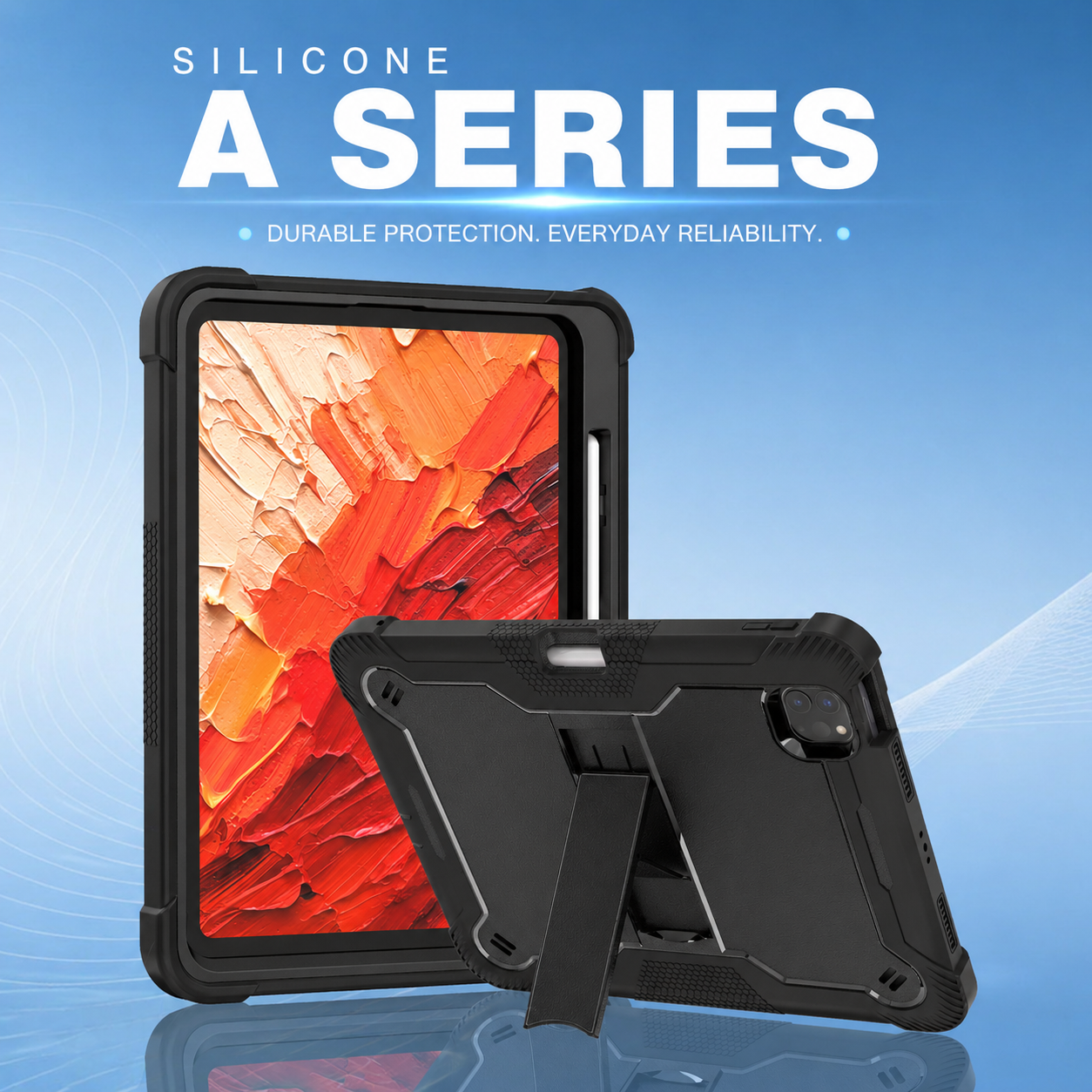
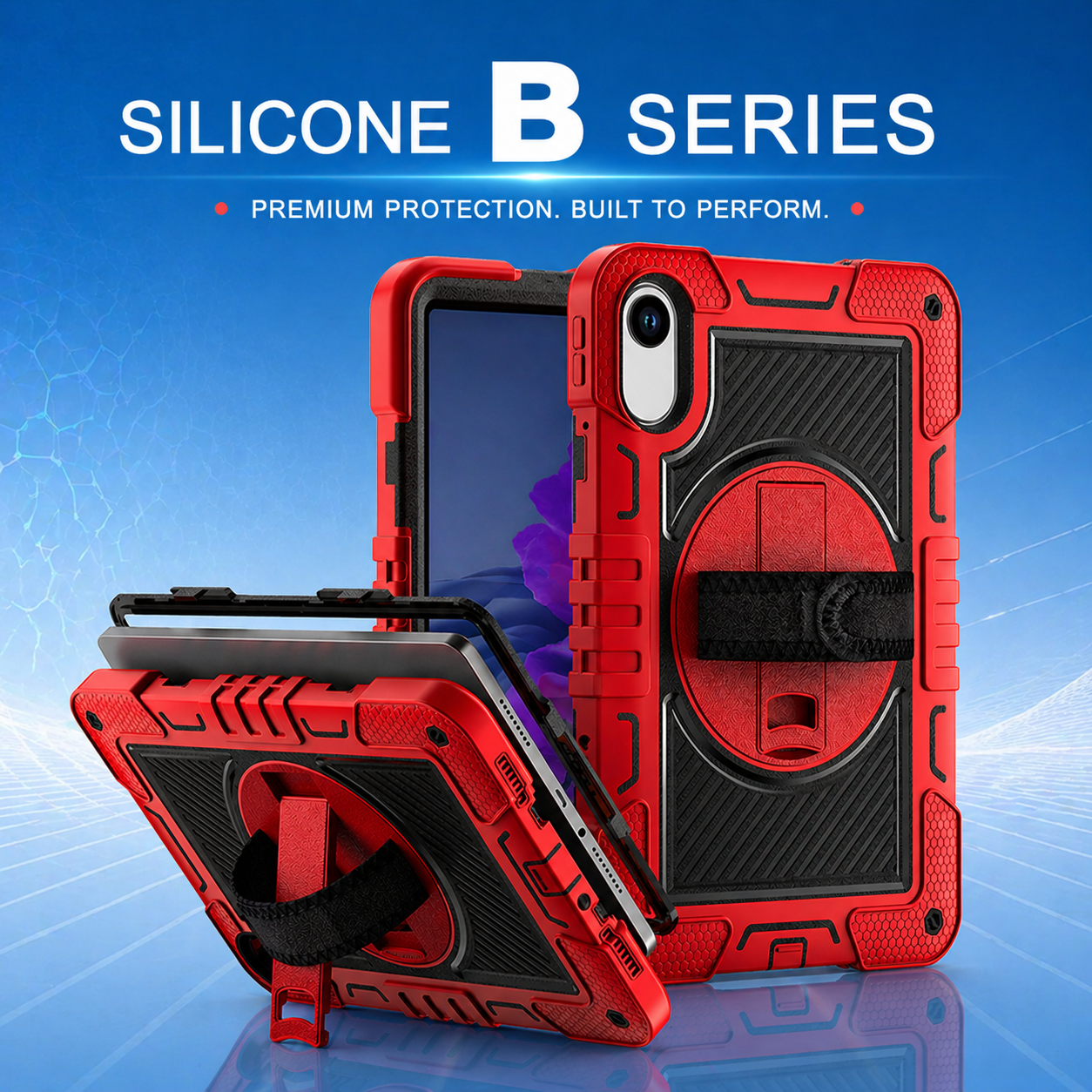
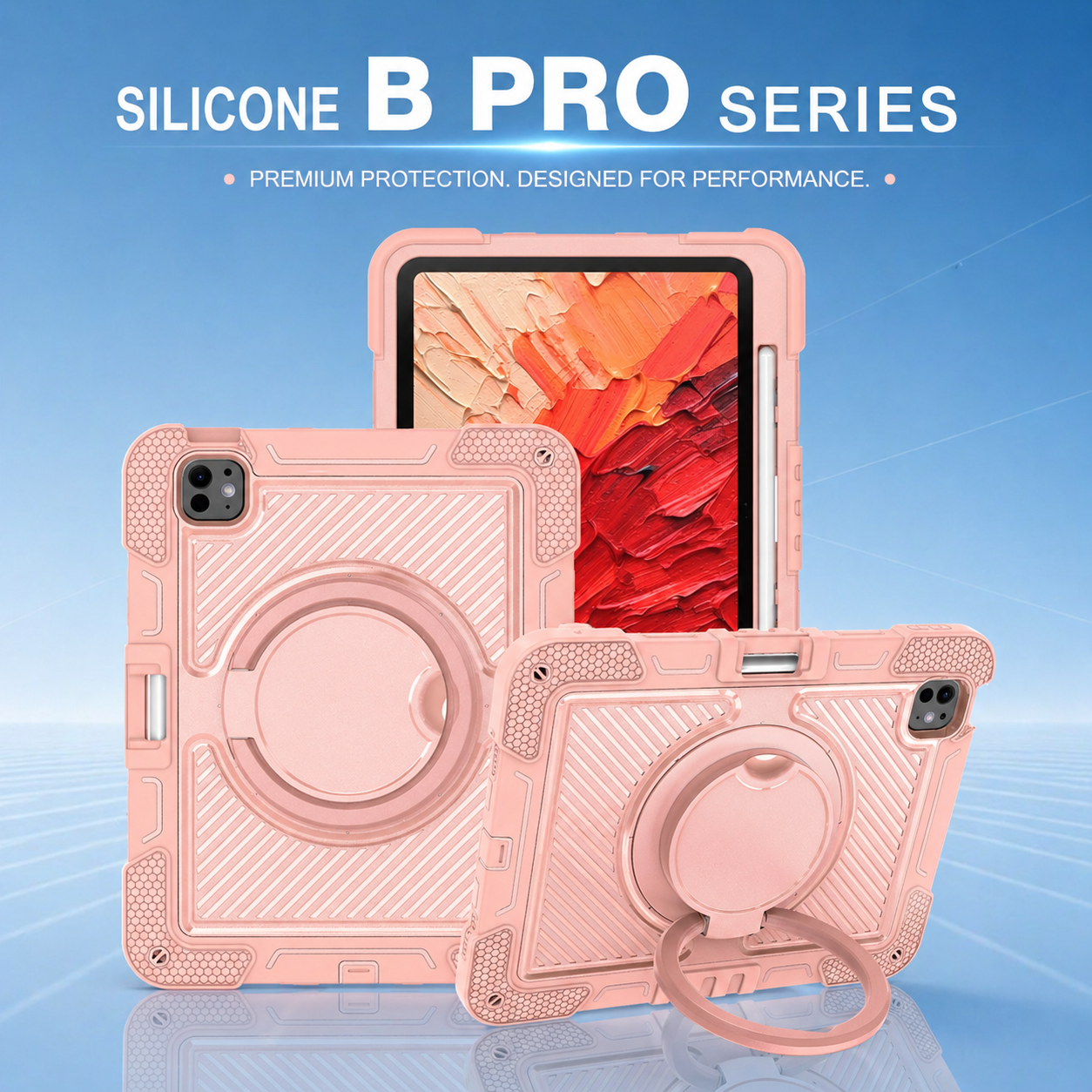
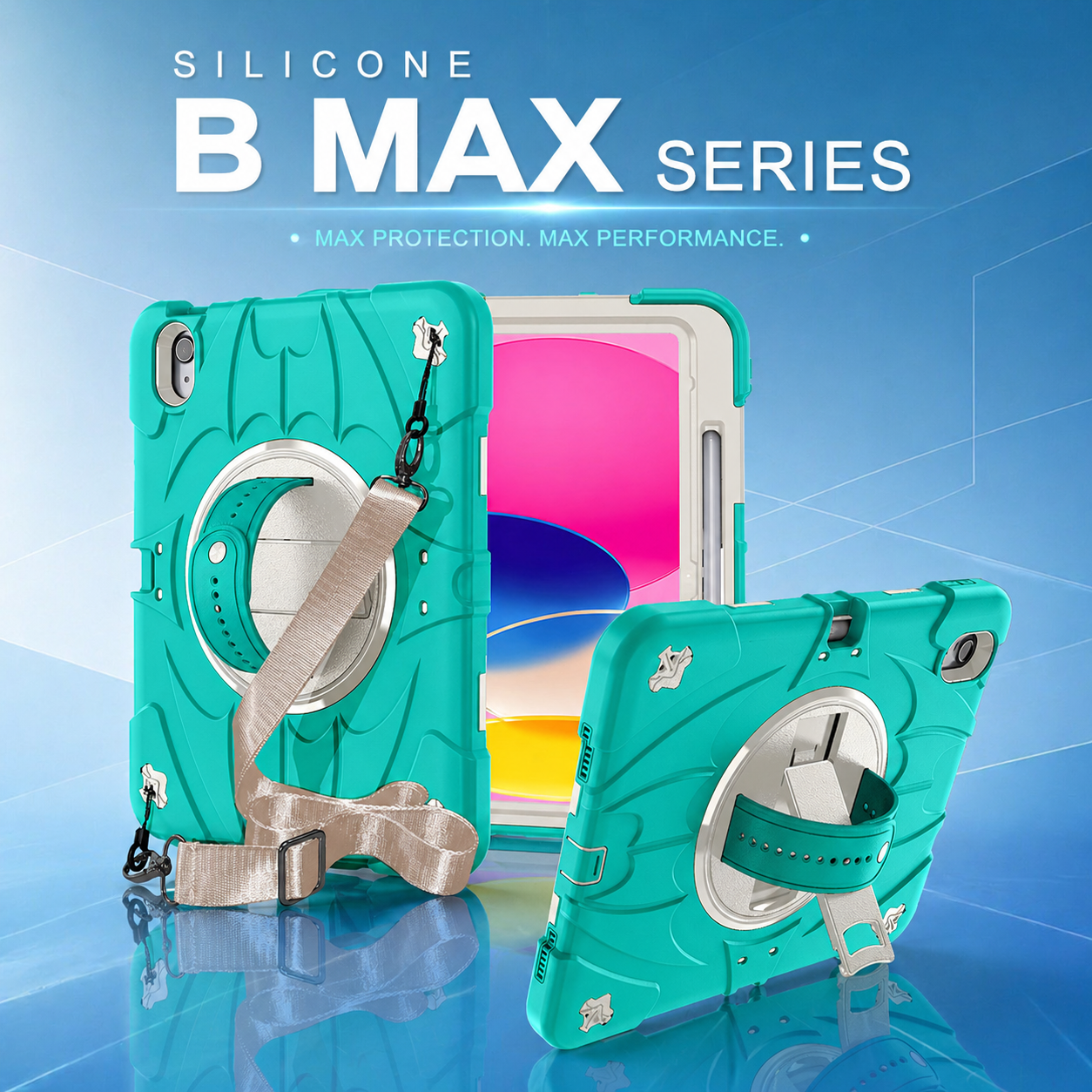
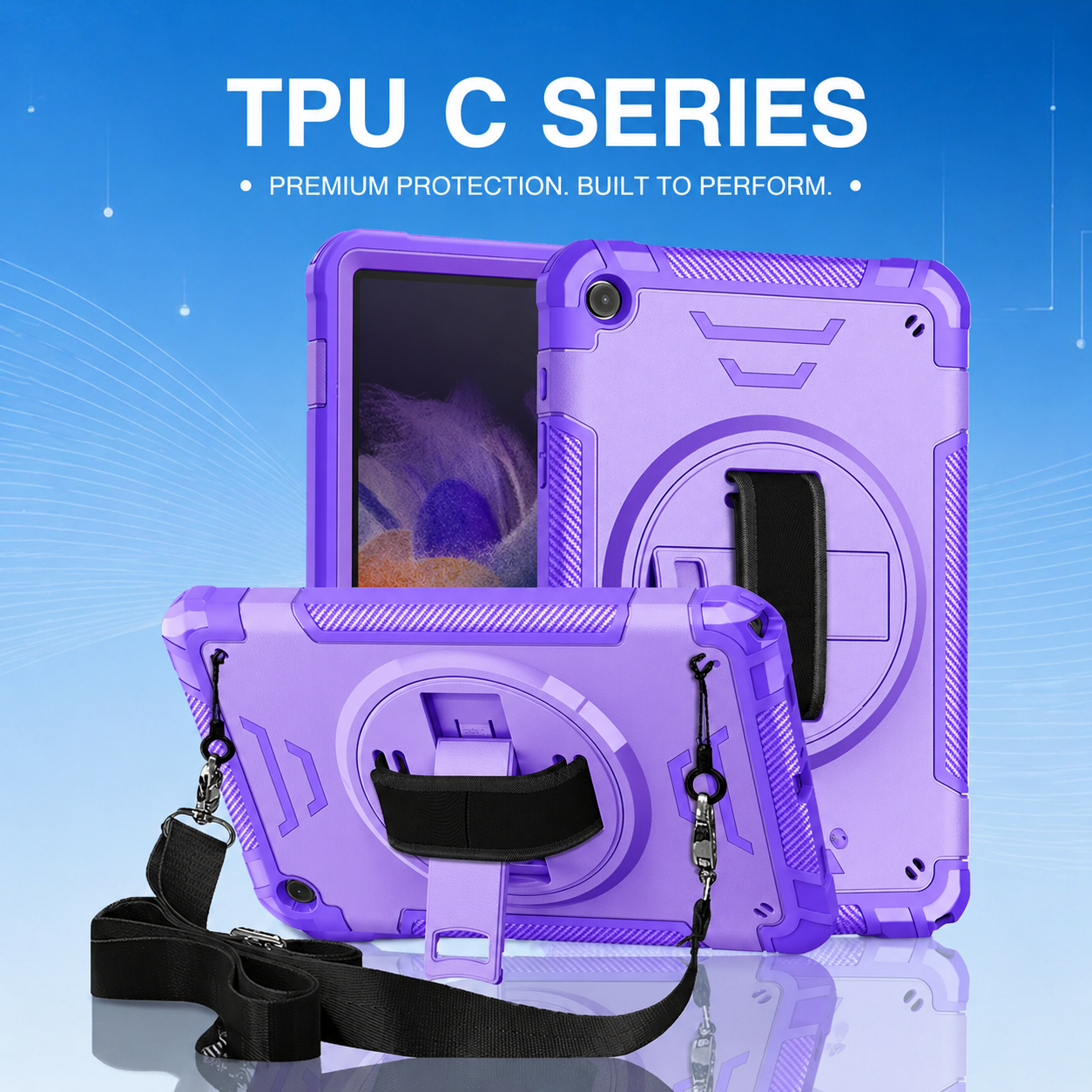
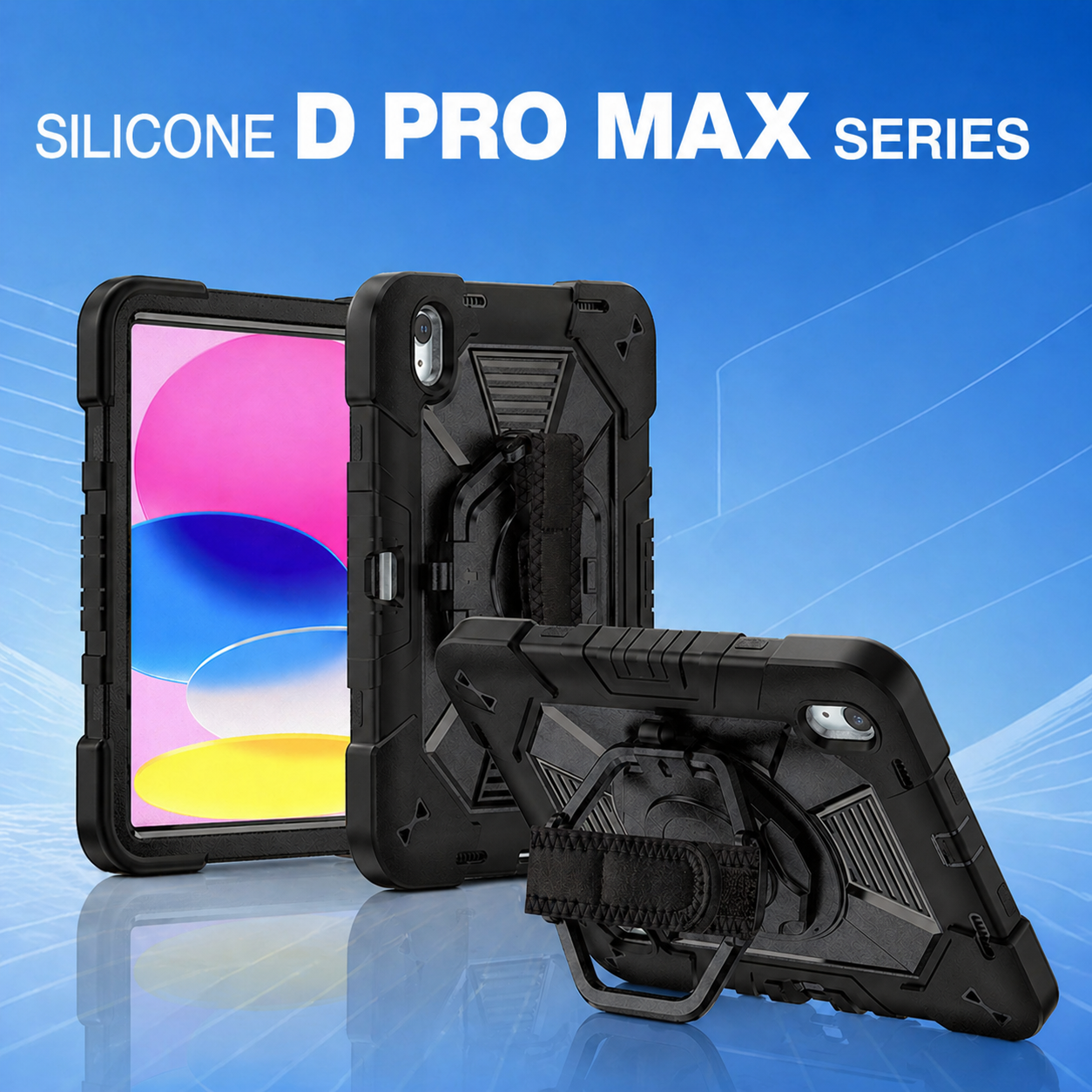
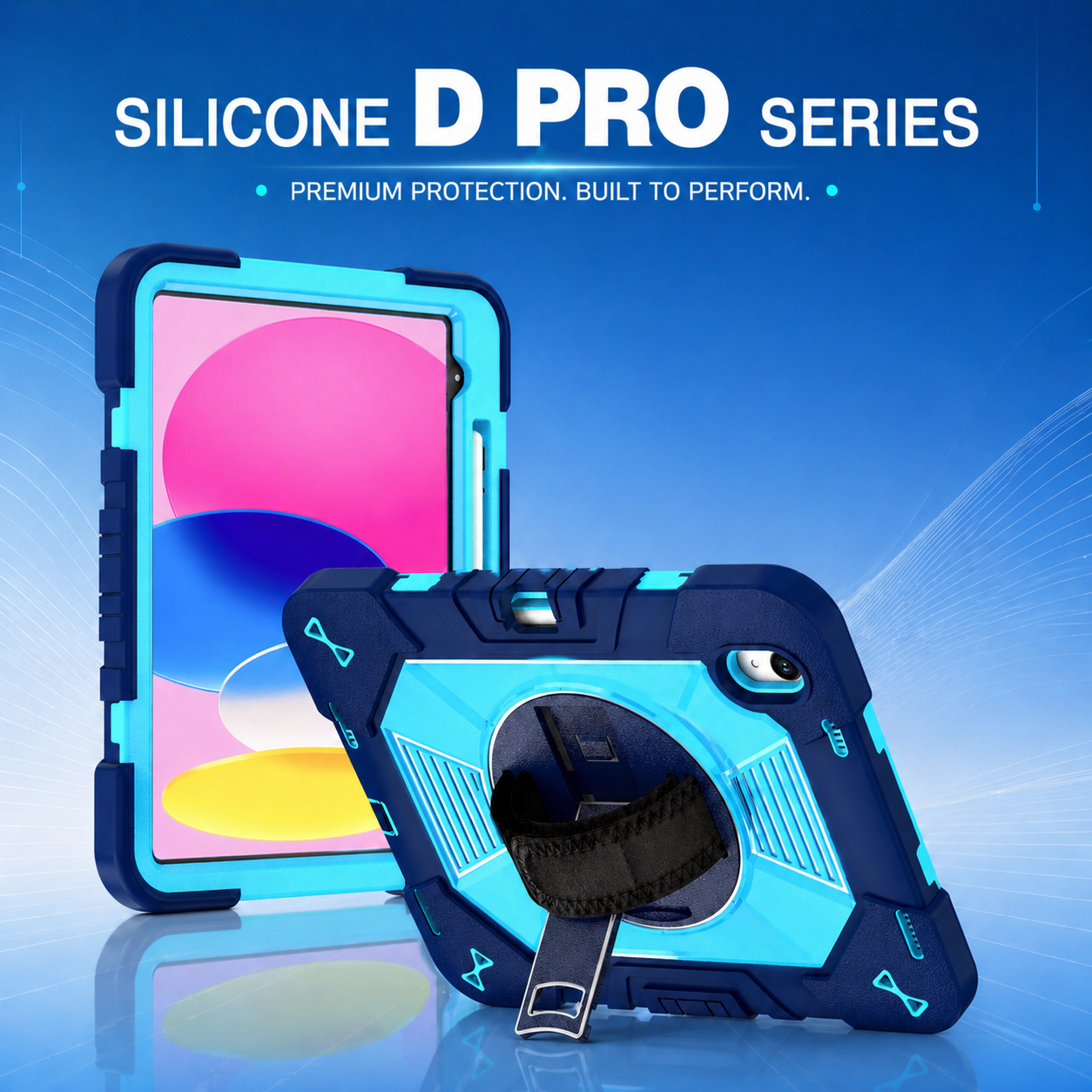
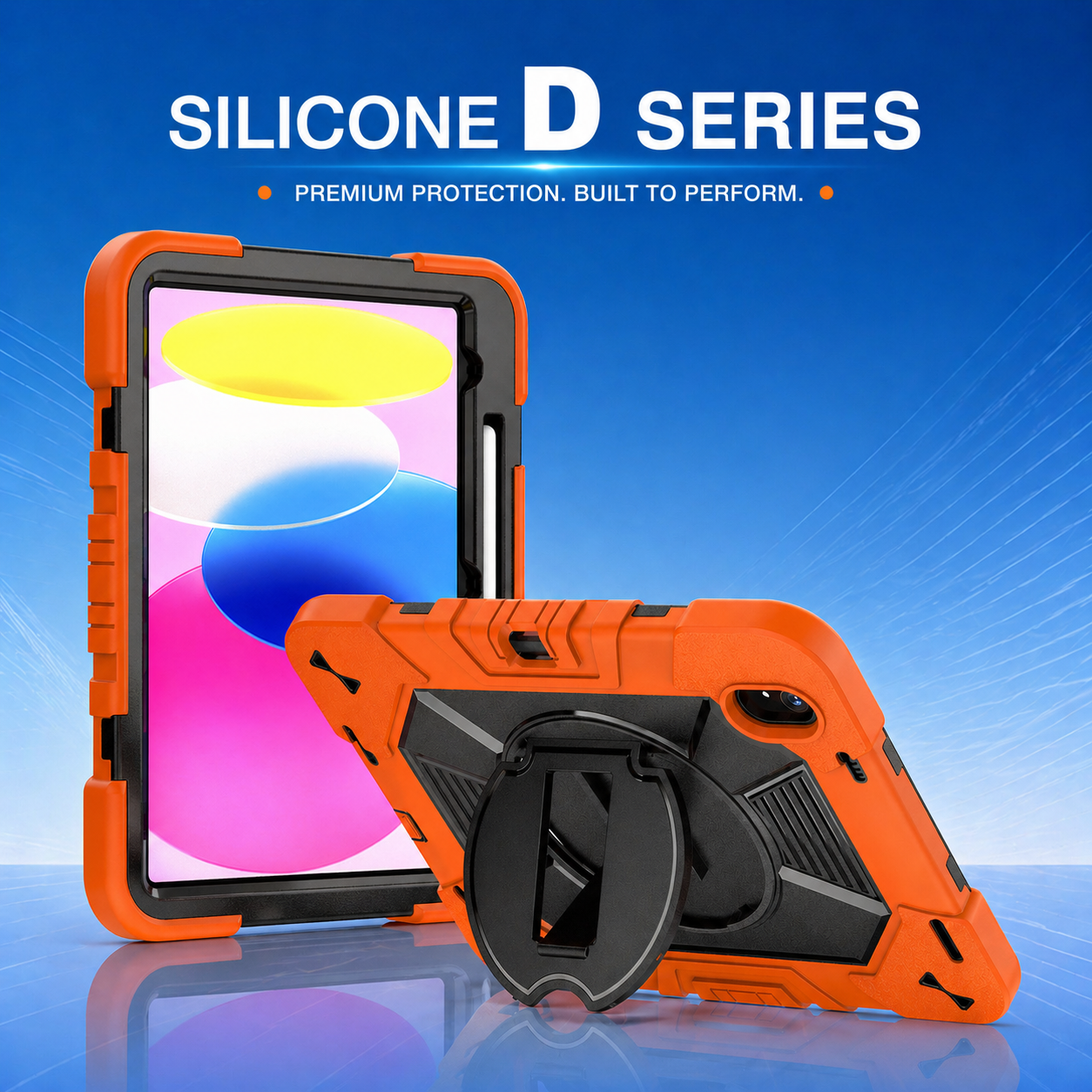

Why Two-Shot Overmolding Improves Rugged Tablet Case Durability
Rugged tablet protection depends on more than material thickness. The way a rigid frame and a soft protective layer interact during impact is equally important. Two-shot molding and overmolding are manufacturing strategies that can integrate these functions more closely, reducing loose interfaces and giving engineers greater control over grip, corner cushioning, sealing details, and exterior geometry. In a well-engineered heavy duty rugged Case, the hard substrate carries structure while the soft layer absorbs local shock and improves handling.
1. Understanding the Difference Between Separate Assembly and Overmolding
A conventional multi-layer case can be produced as separate components: a hard PC frame is molded first, a soft silicone or thermoplastic elastomer cover is molded separately, and operators assemble them later. This approach can be efficient and flexible because the two components can use independent molds and may be replaced or modified separately.
Overmolding changes the relationship between the materials. A finished rigid substrate is placed into another mold, and the second material is molded around selected areas. Two-shot molding can go further by molding both materials in a coordinated multi-material process. These methods can reduce assembly steps and create more controlled interfaces, but they require more demanding tool design, process control, and material compatibility analysis.
A TPU tablet case may use a similar hard-soft architecture even though TPU and silicone have different processing behavior. For buyers, the important question is not which material sounds more rugged, but which combination meets the required flexibility, chemical resistance, tactile feel, temperature range, bonding method, appearance, and target cost.
2. Bonding Strength Starts with Substrate Geometry
Material adhesion alone should not be treated as the only defense against delamination. Engineers often design mechanical retention features into the rigid substrate. Holes, slots, dovetail-style grooves, wraparound edges, ribs, and recessed zones can allow the second material to lock physically around the PC frame.
This geometry is especially important near high-stress zones such as corners, hand-strap anchors, kickstand openings, port covers, and the thin perimeter around the display. If the soft layer terminates abruptly at a highly flexed edge, repeated installation, removal, or dropping may peel the material away. Extending the soft layer into protected retention areas can improve long-term stability.
Surface cleanliness and controlled handling also matter. Dust, oil, moisture, mold-release contamination, and inconsistent substrate temperature can interfere with bonding or cosmetic quality. A stable production cell therefore needs defined cleaning, loading, mold-temperature, injection, cure or cooling, and demolding procedures.
3. Mold Design Controls Soft-Layer Consistency
The second mold must hold the rigid insert accurately without damaging it. Locating pins, nests, shutoffs, and support surfaces are used to prevent the substrate from shifting under injection pressure. If the insert moves, wall thickness can become uneven, edges may flash, and ports or buttons may become misaligned.
Flow balance is another major concern. Soft material must travel around corners and narrow channels before it cures or cools beyond its useful flow window. Gate location, venting, runner design, injection rate, and cavity temperature all affect whether the material fills completely. Engineers also need to prevent air traps in deep textures and around complex retention features.
Texture should be designed as a functional feature, not only a cosmetic one. Fine grain can improve grip and make scuffs less visible. Deeper patterns may help gloved workers maintain control in warehouses, service vehicles, construction environments, or outdoor inspection work. In these applications, surface design becomes part of #DeviceProtection because reducing accidental drops is as valuable as surviving them.
4. Corner Engineering Makes the Largest Difference During Drops
Tablet corners often experience severe local loading because a small impact area concentrates force. A rugged case can respond by increasing soft-material thickness around the corner, adding internal air gaps, creating energy-directing ribs, or allowing controlled deformation before the force reaches the tablet chassis.
The rigid frame still needs enough stiffness to stop excessive bending. If it is too flexible, the screen or housing can experience secondary stress even when the exterior looks undamaged. If it is too rigid without enough cushioning, more impact energy may reach the device. Effective protection therefore comes from balancing stiffness and compliance rather than maximizing either one.
Design review can include simulated drop directions and physical prototype testing. Engineers may observe whether the case rebounds, twists, opens at a seam, separates at the soft-hard interface, or causes a tablet to move inside the frame. Those observations feed back into corner thickness, retention geometry, material hardness, and tool changes.
5. Production Validation Turns a Good Design into a Reliable Product
Before mass production, the manufacturer should validate both the molded components and the full assembled case. Dimensional checks confirm that critical openings, snap features, and accessory mounts remain within tolerance. Visual standards define acceptable flash, weld lines, flow marks, color variation, and surface defects.
Functional testing can include repeated tablet installation, button operation, charging-port access, kickstand cycling, hand-strap loading, and controlled drop tests. For larger B2B programs, sample sizes and acceptance criteria should be agreed in advance so that production teams and buyers evaluate the same requirements.
Overmolding is not automatically the best choice for every project. Separate molding may offer lower tooling complexity or easier color changes, while integrated molding may reduce assembly and improve interface control. The best manufacturing route is the one that matches product architecture, order volume, performance targets, branding requirements, and total cost.
Next production focus: PC substrate mold design and silicone retention engineering
SEO Keywords
Rugged Tablet Case, Tablet Protection Solution, Tablet Case Manufacturer, OEM Tablet Case, ODM Manufacturer, Tablet Accessory Supplier, Industrial Tablet Solution, Enterprise Mobility, Education Technology, Healthcare Technology, Warehouse Technology, Logistics Solution, Field Service Technology, Tablet Case Supplier, Custom Tablet Case, Private Label Manufacturer, B2B Supplier, Technology Manufacturing, China Manufacturer, Manufacturing Partner, Supply Chain Solution, Mobile Workforce, Digital Transformation, Business Technology, Tablet Accessories, Device Protection, Industrial Solutions, Smart Workplace, Hardware Innovation, Product Development, TPU tablet case, PC+Silicone tablet case, kids education tablet case, heavy duty rugged Case, 3 layers heavy duty rugged tablet case, full body protective tablet case, shockproof iPad tablet case, multi angle kickstand tablet case, silicone overmolding, rugged tablet case manufacturing.






.png)
+86 13422271740
.png)
info@tongmeitech.com
.png)
No. 34, Mashe Section, Guihe Road, Lishui Town, Foshan, Guangdong, China