- 1
- BLACKL
- TABLETAPPLE iPad Mini 8NEW iPad A16(2025) iPad 10.9" 10th (2022) iPad 10.2" (7th/8th/9th) iPad Air 13" (M2/M3/M4)(2024/2025/2026)NEW iPad Air 11" (M2/M3/M4)(2024/2025/2026)NEW iPad Mini 8.3" (A7 Pro/6th Gen) iPad Pro13"(M4/M5)(2024/2025) iPad Pro11"(M4/M5)(2026) iPad 9.7" (5th/6th Gen) iPad Pro 12.9"(2018-2022) iPad Pro 11"(2018-2022) iPad 9.7"(2th/3th/4th) iPad Air 10.9"(4th/5th Gen) iPad Mini 7.9"(4th/5th Gen)SAMSUNG Galaxy Tab A11 Galaxy Tab A11 Plus Galaxy Tab S11 Galaxy Tab S12 PlusNEW Galaxy Tab S12 UltraNEW Galaxy Tab A9+ Galaxy Tab A9 Galaxy Tab A8 Galaxy Tab A7 Galaxy Tab A7 Lite Galaxy Tab S11 Ultra/S10 Ultra/S9 Ultra/S8 Ultra Galaxy Tab S10+/S9+/S9 FE+ Galaxy Tab S10Lite/S10 FE/S9 FE/S9 Galaxy Tab S8+/S7+/S7 FE Galaxy Tab S8/S7 Galaxy Tab S6 lite Galaxy Tab A10.1 Galaxy Tab A8.4 Galaxy Tab A8.0 Galaxy Tab S10 FE+LENOVO iDea tab 11/Tab K11 Gen 2 /Xiaoxin Pad 11 2025 Lenovo Tab K9 (Tab One) 2025 Lenovo Tab M10 10.1"(2025) Lenovo Tab M10 Plus 10.6" (3rd Gen) Lenovo Tab M10 HD 10.1" (3rd Gen) Lenovo K10/M10 Plus 10.3" (2nd Gen) Lenovo Tab M10 HD 10.1" (2nd Gen)XIAOMI Redmi Pad 2 9.7 InchNEW Xiaomi Pad8/8Pro 11.2" Redmi Pad2/Pad2.4G Xiaomi Pad 6/6 Pro 11" Redmi Pad 10.61" Redmi Pad Se 11" Redmi pad Se 4G 8.7" Xiaomi Pad7/7 Pro 11.2" Redmi Pad Pro/Xiaomi Poco Pad/Redmi Pad2 Pro 12.1HUAWEI Huawei Matepad Se 10.4" Huawei Matepad 11" Huawei Matepad 11.5" Huawei Matepad SE 11" Huawei Matepad T8 8" Huawei Matepad T10 9.7"
- CATEGORIES
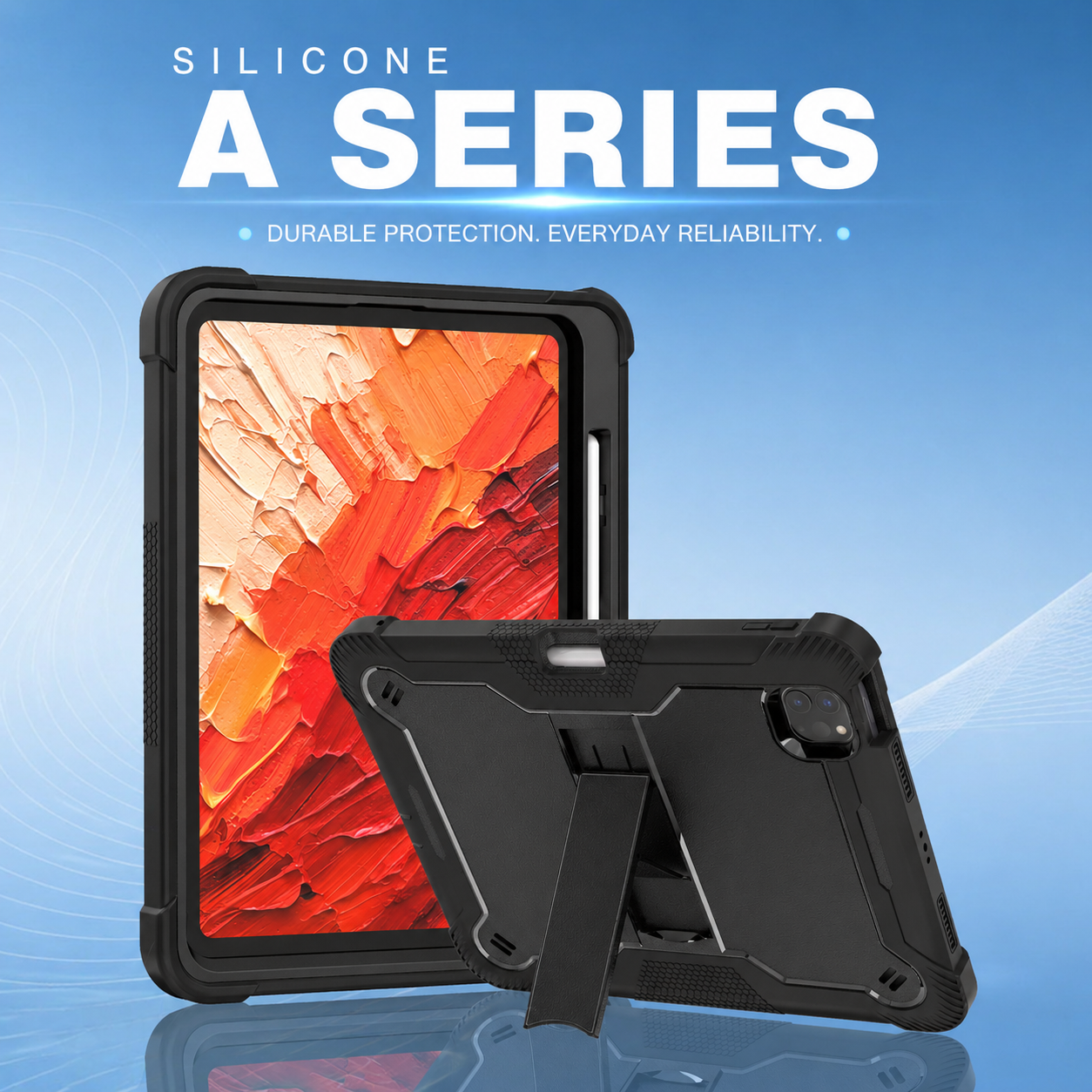
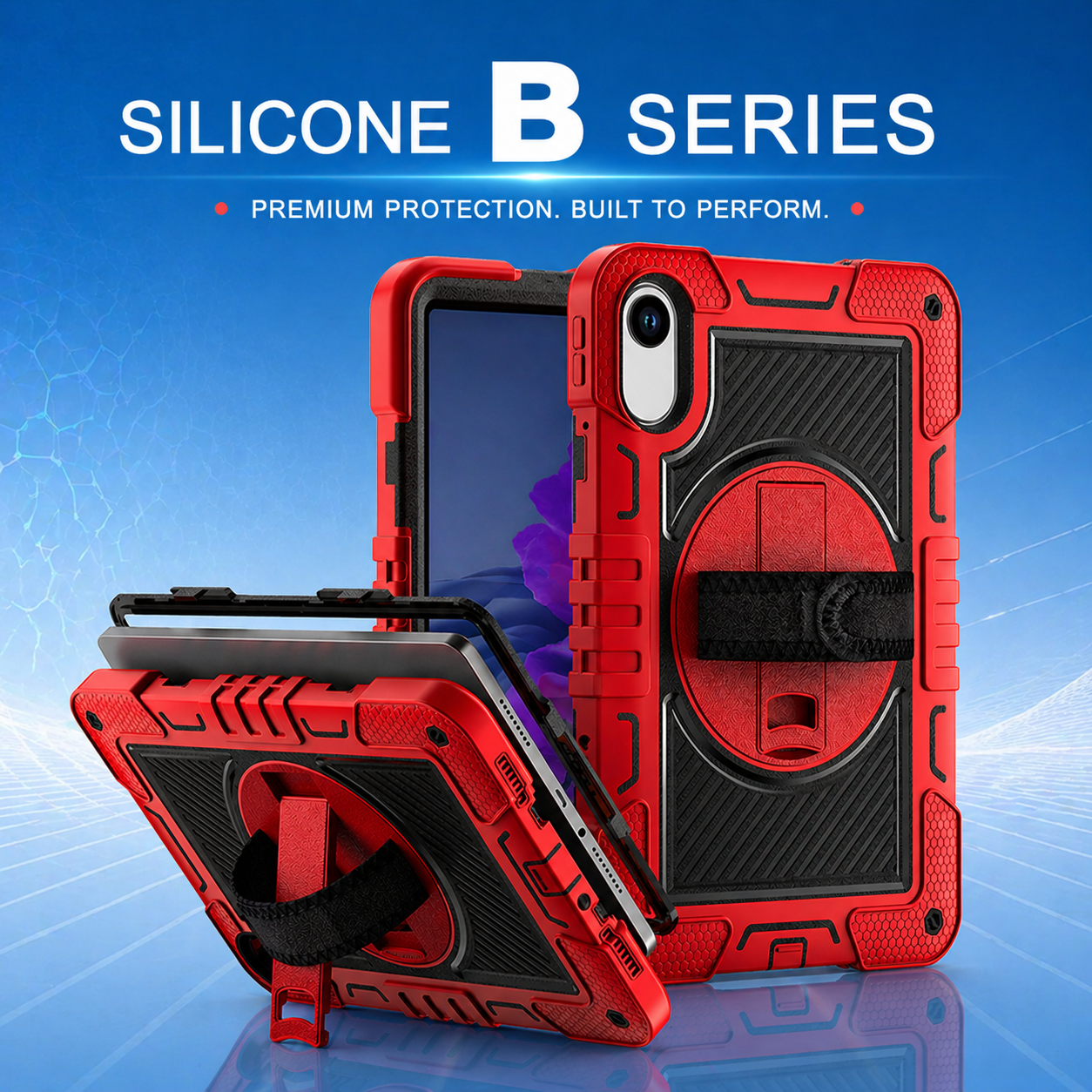
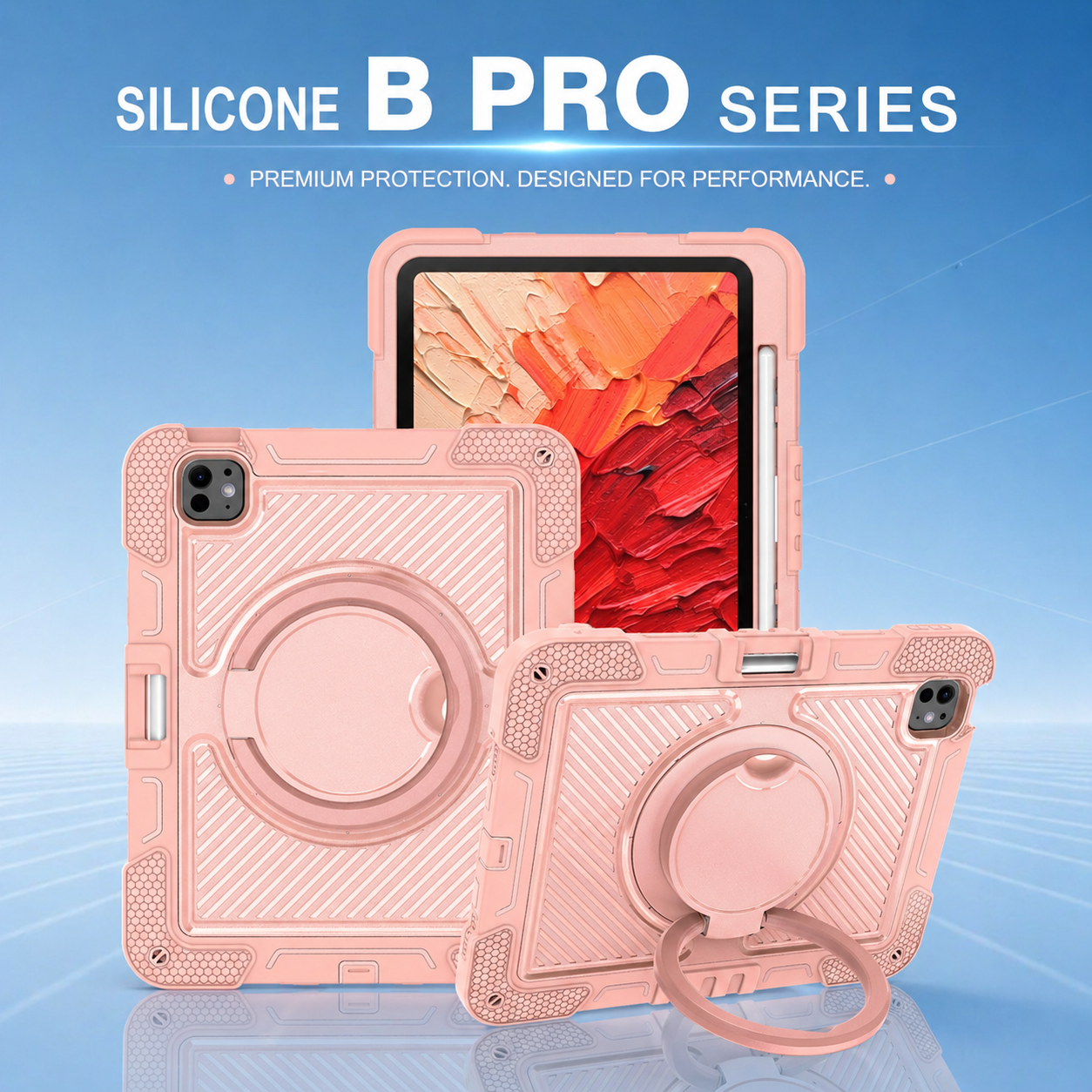
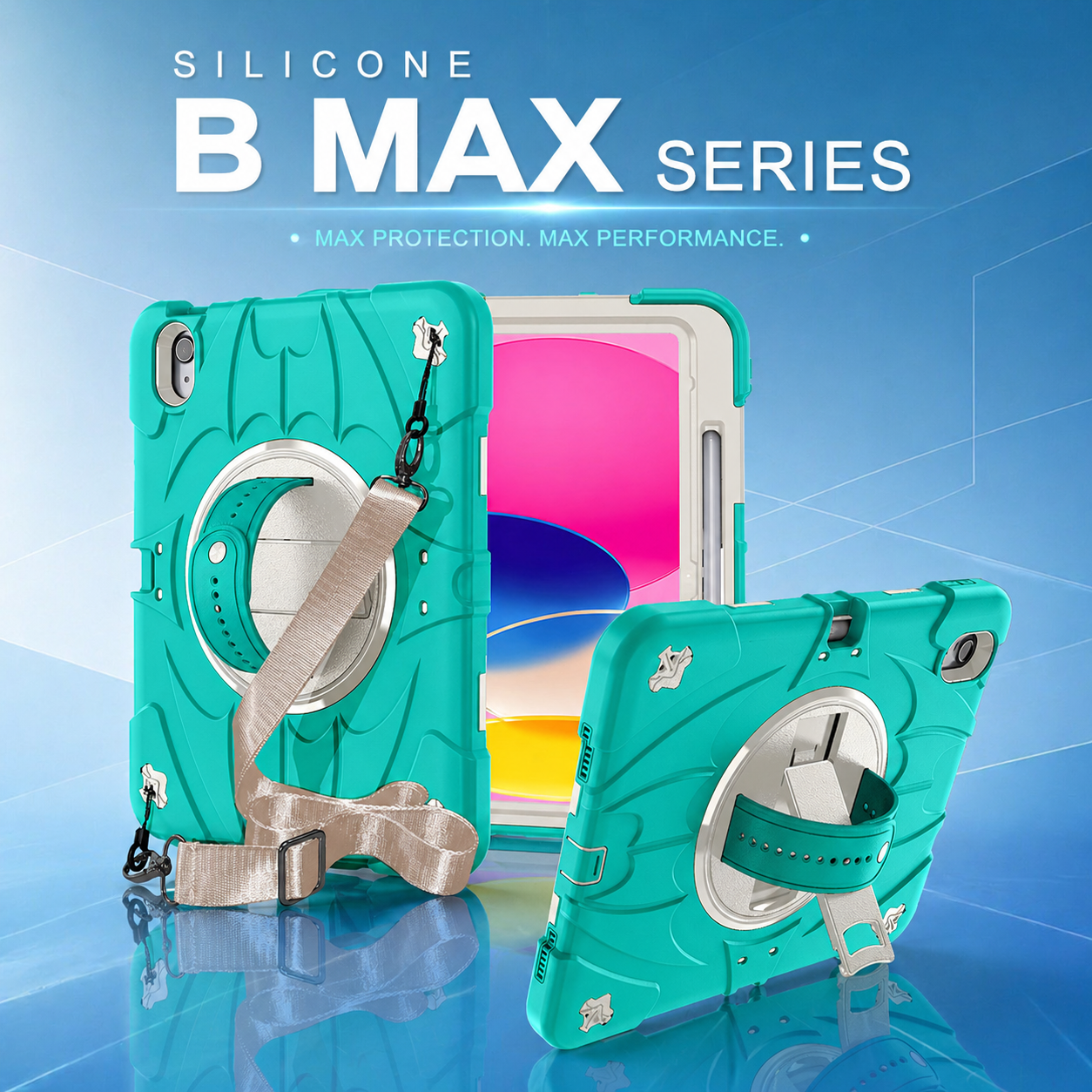
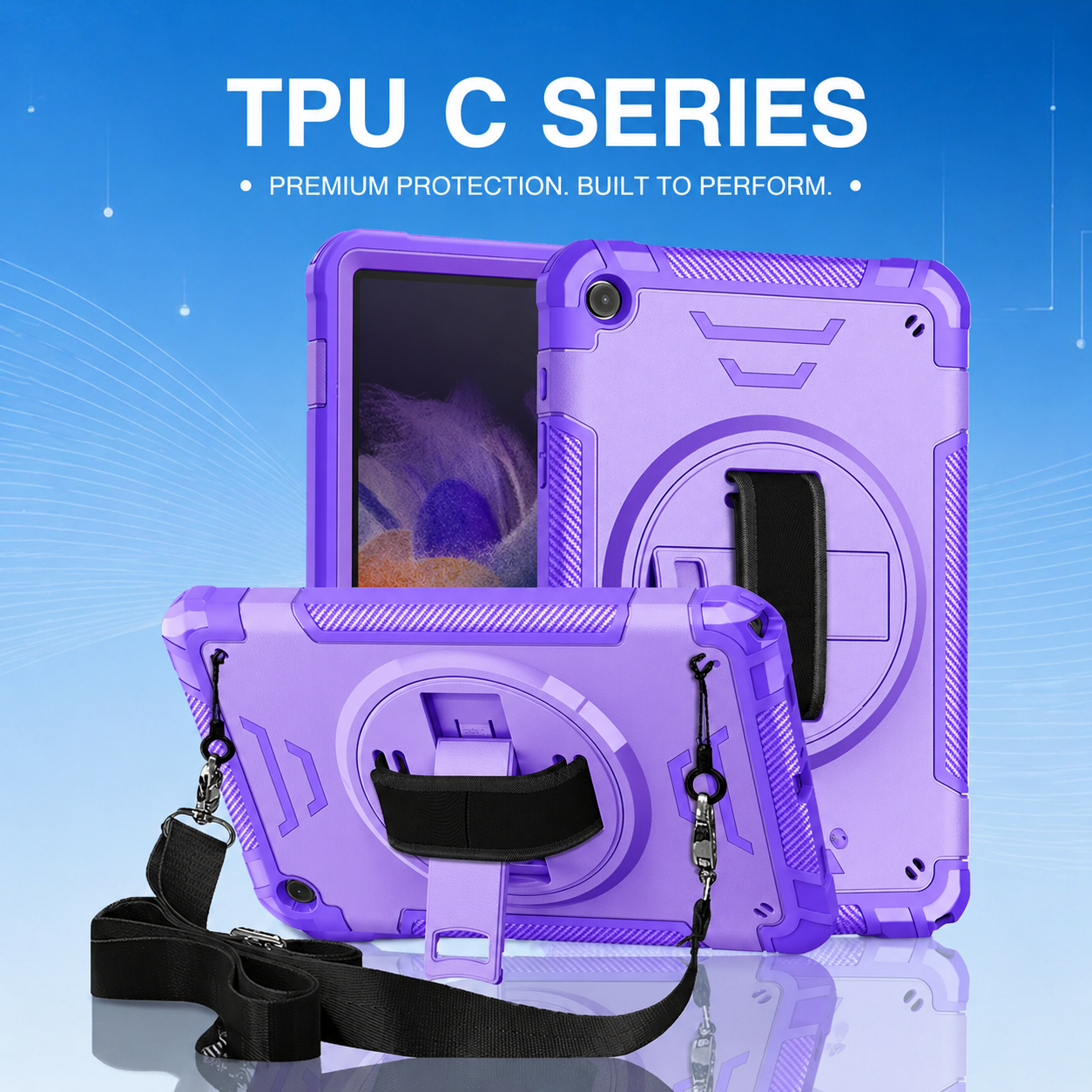
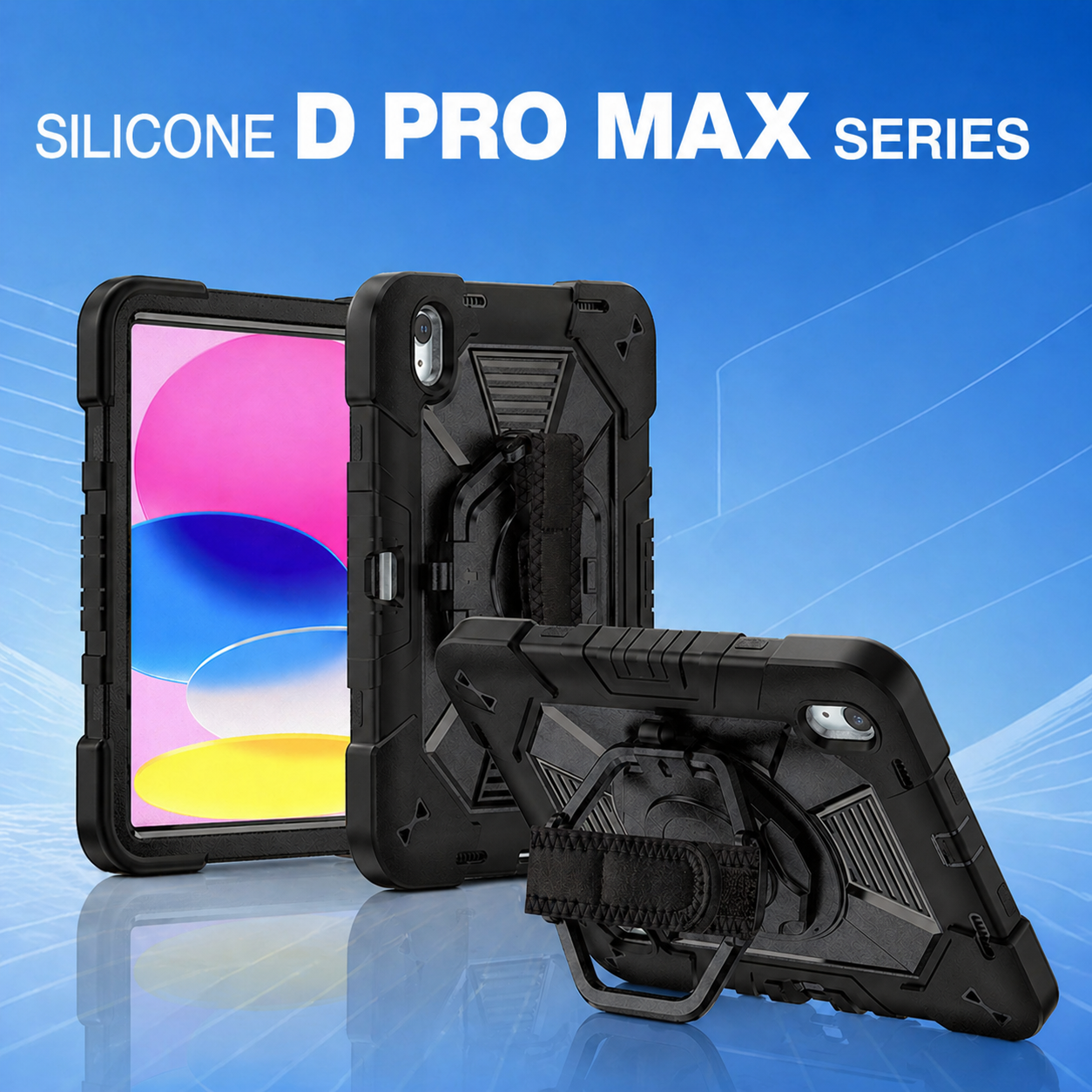
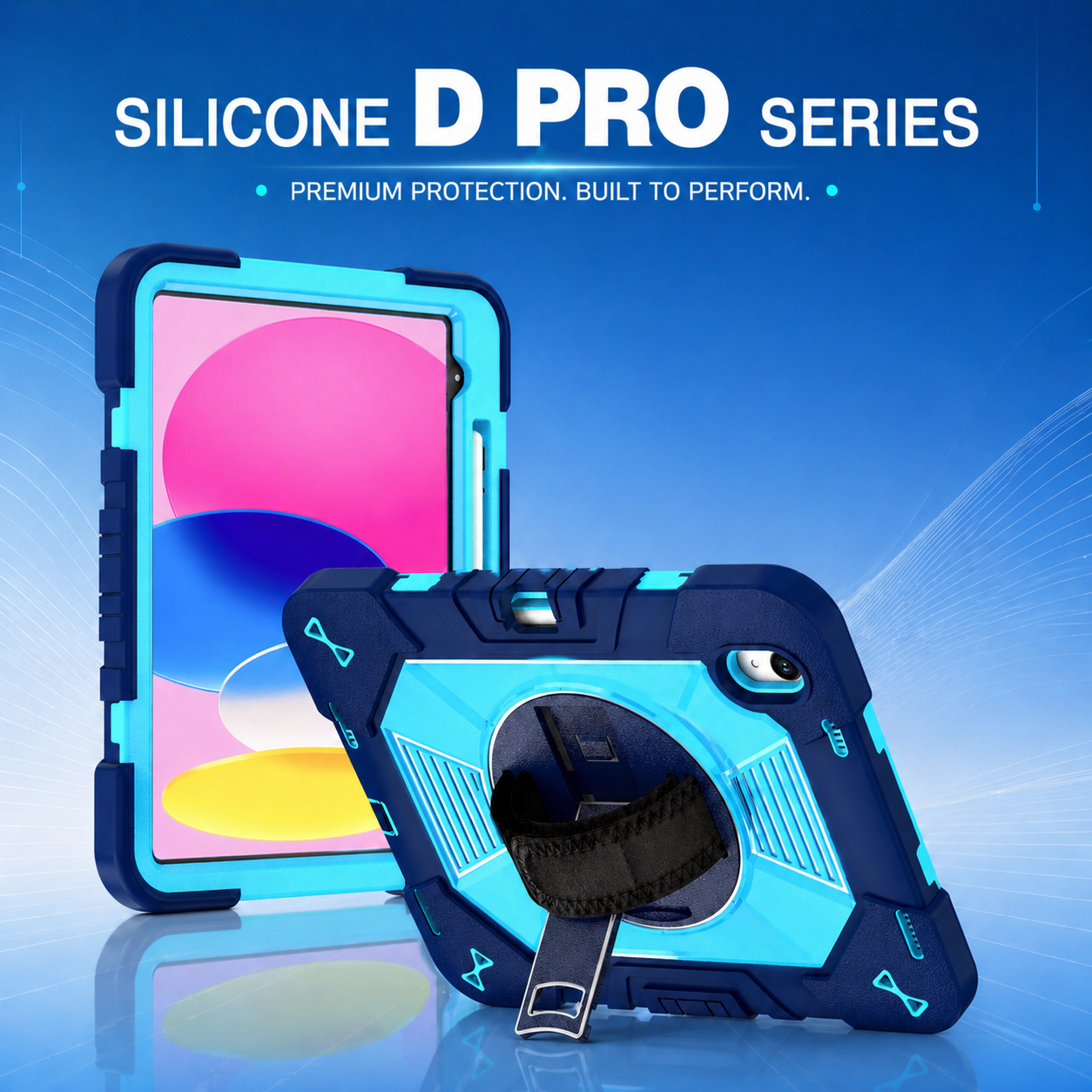
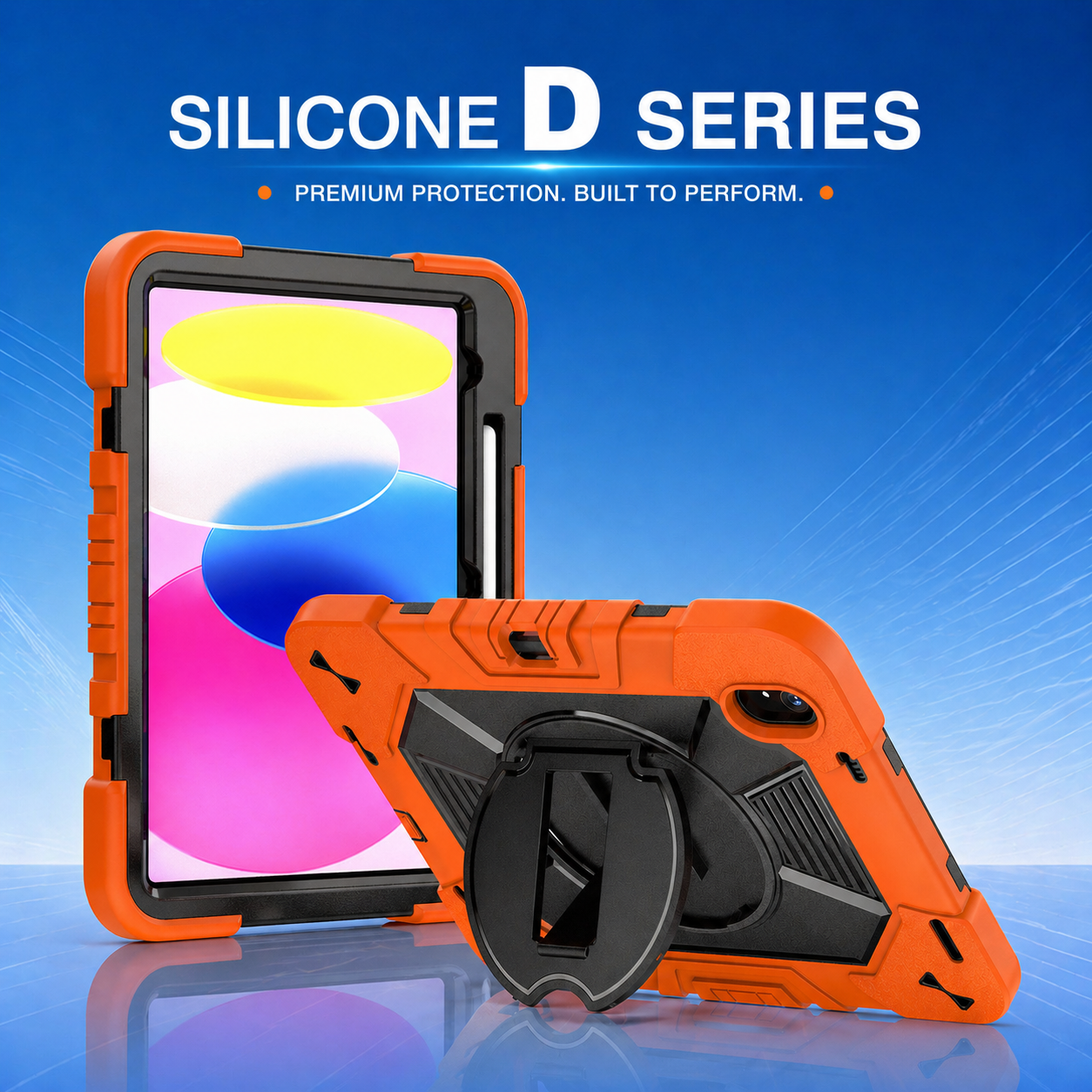

Mold Design and Material Bonding for PC + Silicone Tablet Cases
For rugged tablet protection, material selection receives a great deal of attention, but the mold design often decides whether the finished product performs consistently. A case can use high-quality PC and silicone yet still fail if the rigid frame warps, the soft layer peels, the button area binds, or the kickstand interface shifts. In #ProductDevelopment, tooling therefore needs to be treated as part of the protective architecture from the earliest CAD stage.
1. Designing the PC Frame Around the Device
The rigid frame establishes the dimensional relationship between the tablet and every functional feature of the case. Engineers map the display border, camera, microphones, speakers, charging connector, buttons, antennas, stylus areas, and any sensors that must remain unobstructed. The frame must retain the device securely without creating excessive installation force or pressure points.
Wall thickness is controlled to reduce sink marks and differential shrinkage. Ribs can add stiffness without making every surface thick, while radiused transitions help distribute stress around corners and accessory openings. Draft is added where possible to support reliable ejection from the mold. These details influence both appearance and cycle stability.
When the product is a 3 layers heavy duty rugged tablet case, tolerance planning becomes more complex because the PC layer must interact with a soft outer layer and often a front frame or screen bezel. Each layer consumes part of the tolerance budget. If all components drift in the same direction, the final assembly may become too tight, too loose, or visually uneven.
2. Building Retention Features for the Silicone Layer
A soft protective layer should remain stable during installation, drops, cleaning, and repeated daily handling. Engineers can use chemical adhesion when compatible material systems are available, but physical retention is also valuable. Through-holes, molded windows, channels, wraparound edges, raised ribs, and recessed pockets can let silicone anchor mechanically around the PC substrate.
The retention pattern should follow expected loading. Corners need strong wraparound support because they flex during impact. Long sidewalls may require distributed locking points so the soft layer does not creep. Around ports and camera openings, retention must be balanced with thin, clean edge geometry so the finished case remains easy to use.
The mold also needs controlled shutoff surfaces. These are locations where steel meets the insert closely enough to prevent soft material from flowing into an area that must remain open. Poor shutoff design can create flash around speakers, buttons, connectors, and screen borders, increasing trimming labor or making the part unacceptable.
3. Managing Flow, Texture, and Cosmetic Boundaries
Silicone must reach every intended section of the cavity without trapping air or producing inconsistent thickness. Gate location and flow paths are planned so material fills high-priority features and difficult corners predictably. Venting allows displaced air to leave the cavity rather than becoming a void or burn-related defect.
Surface texture is frequently built into the tool. A fine grain can improve grip and hide minor scuffs, while directional ribs may help users hold the tablet in wet or gloved conditions. However, deeper texture increases demolding demands and may require additional draft. Texture transitions must also be placed carefully where the soft layer meets a hard PC surface so the boundary looks intentional.
Color consistency deserves attention as well. Soft materials can show variation differently from rigid PC, especially when the two layers use similar but not identical colors. Buyers should approve physical color samples under agreed lighting conditions rather than relying only on screen representations.
4. Integrating Kickstands, Straps, and Moving Features
A rugged case is often more than a protective shell. It can include a rotating stand, multi-position viewing support, hand strap, shoulder strap, stylus holder, or mounting interface. These functions create concentrated mechanical loads that must transfer into the rigid structure rather than only into the soft surface.
For a full body protective tablet case, the kickstand pivot may require reinforced bosses, pins, or nested components that remain aligned after molding. If the boss shrinks unevenly or the surrounding wall distorts, rotation can become too loose or too tight. Assembly fixtures and torque or cycle checks help maintain consistent function.
Strap anchors require similar planning. Pull forces should be directed into reinforced PC features, and soft overmold should be shaped so it does not tear around the anchor. If a shoulder strap is offered, the case may need load testing in multiple directions because real users do not pull only along one ideal axis.
5. Tool Validation Before Mass Production
After the first tool trial, engineers compare molded parts against the 3D design, 2D specifications, and fit requirements. The review should cover dimensions, warpage, flash, sink, weld lines, surface texture, gate marks, soft-hard boundaries, and assembly behavior. Corrections may involve steel-safe modifications, process tuning, or design revision.
It is also important to test actual tablets in production-representative parts. Digital measurements alone cannot reveal every tactile issue. Button feel, installation force, screen-edge clearance, port access, kickstand stability, strap comfort, and grip should be evaluated together.
A controlled pilot run can then confirm whether the process remains stable over more than a few samples. Engineers monitor cycle time, cavity balance, defect rate, assembly labor, and inspection results. Once the mold and process demonstrate repeatability, the project is better prepared for larger OEM or private-label orders.
Good tooling does not simply reproduce a shape. It manages material behavior, device fit, protection zones, accessory loads, and the soft-hard interface as one manufacturing system. That is what allows a PC + silicone case to move from a promising prototype to a reliable production product.
Next production focus: drop validation and production quality control
SEO Keywords
Rugged Tablet Case, Tablet Protection Solution, Tablet Case Manufacturer, OEM Tablet Case, ODM Manufacturer, Tablet Accessory Supplier, Industrial Tablet Solution, Enterprise Mobility, Education Technology, Healthcare Technology, Warehouse Technology, Logistics Solution, Field Service Technology, Tablet Case Supplier, Custom Tablet Case, Private Label Manufacturer, B2B Supplier, Technology Manufacturing, China Manufacturer, Manufacturing Partner, Supply Chain Solution, Mobile Workforce, Digital Transformation, Business Technology, Tablet Accessories, Device Protection, Industrial Solutions, Smart Workplace, Hardware Innovation, Product Development, TPU tablet case, PC+Silicone tablet case, kids education tablet case, heavy duty rugged Case, 3 layers heavy duty rugged tablet case, full body protective tablet case, shockproof iPad tablet case, multi angle kickstand tablet case, silicone overmolding, rugged tablet case manufacturing.






.png)
+86 13422271740
.png)
info@tongmeitech.com
.png)
No. 34, Mashe Section, Guihe Road, Lishui Town, Foshan, Guangdong, China