- 1
- BLACKL
- TABLETAPPLE iPad Mini 8NEW iPad A16(2025) iPad 10.9" 10th (2022) iPad 10.2" (7th/8th/9th) iPad Air 13" (M2/M3/M4)(2024/2025/2026)NEW iPad Air 11" (M2/M3/M4)(2024/2025/2026)NEW iPad Mini 8.3" (A7 Pro/6th Gen) iPad Pro13"(M4/M5)(2024/2025) iPad Pro11"(M4/M5)(2026) iPad 9.7" (5th/6th Gen) iPad Pro 12.9"(2018-2022) iPad Pro 11"(2018-2022) iPad 9.7"(2th/3th/4th) iPad Air 10.9"(4th/5th Gen) iPad Mini 7.9"(4th/5th Gen)SAMSUNG Galaxy Tab A11 Galaxy Tab A11 Plus Galaxy Tab S11 Galaxy Tab S12 PlusNEW Galaxy Tab S12 UltraNEW Galaxy Tab A9+ Galaxy Tab A9 Galaxy Tab A8 Galaxy Tab A7 Galaxy Tab A7 Lite Galaxy Tab S11 Ultra/S10 Ultra/S9 Ultra/S8 Ultra Galaxy Tab S10+/S9+/S9 FE+ Galaxy Tab S10Lite/S10 FE/S9 FE/S9 Galaxy Tab S8+/S7+/S7 FE Galaxy Tab S8/S7 Galaxy Tab S6 lite Galaxy Tab A10.1 Galaxy Tab A8.4 Galaxy Tab A8.0 Galaxy Tab S10 FE+LENOVO iDea tab 11/Tab K11 Gen 2 /Xiaoxin Pad 11 2025 Lenovo Tab K9 (Tab One) 2025 Lenovo Tab M10 10.1"(2025) Lenovo Tab M10 Plus 10.6" (3rd Gen) Lenovo Tab M10 HD 10.1" (3rd Gen) Lenovo K10/M10 Plus 10.3" (2nd Gen) Lenovo Tab M10 HD 10.1" (2nd Gen)XIAOMI Redmi Pad 2 9.7 InchNEW Xiaomi Pad8/8Pro 11.2" Redmi Pad2/Pad2.4G Xiaomi Pad 6/6 Pro 11" Redmi Pad 10.61" Redmi Pad Se 11" Redmi pad Se 4G 8.7" Xiaomi Pad7/7 Pro 11.2" Redmi Pad Pro/Xiaomi Poco Pad/Redmi Pad2 Pro 12.1HUAWEI Huawei Matepad Se 10.4" Huawei Matepad 11" Huawei Matepad 11.5" Huawei Matepad SE 11" Huawei Matepad T8 8" Huawei Matepad T10 9.7"
- CATEGORIES

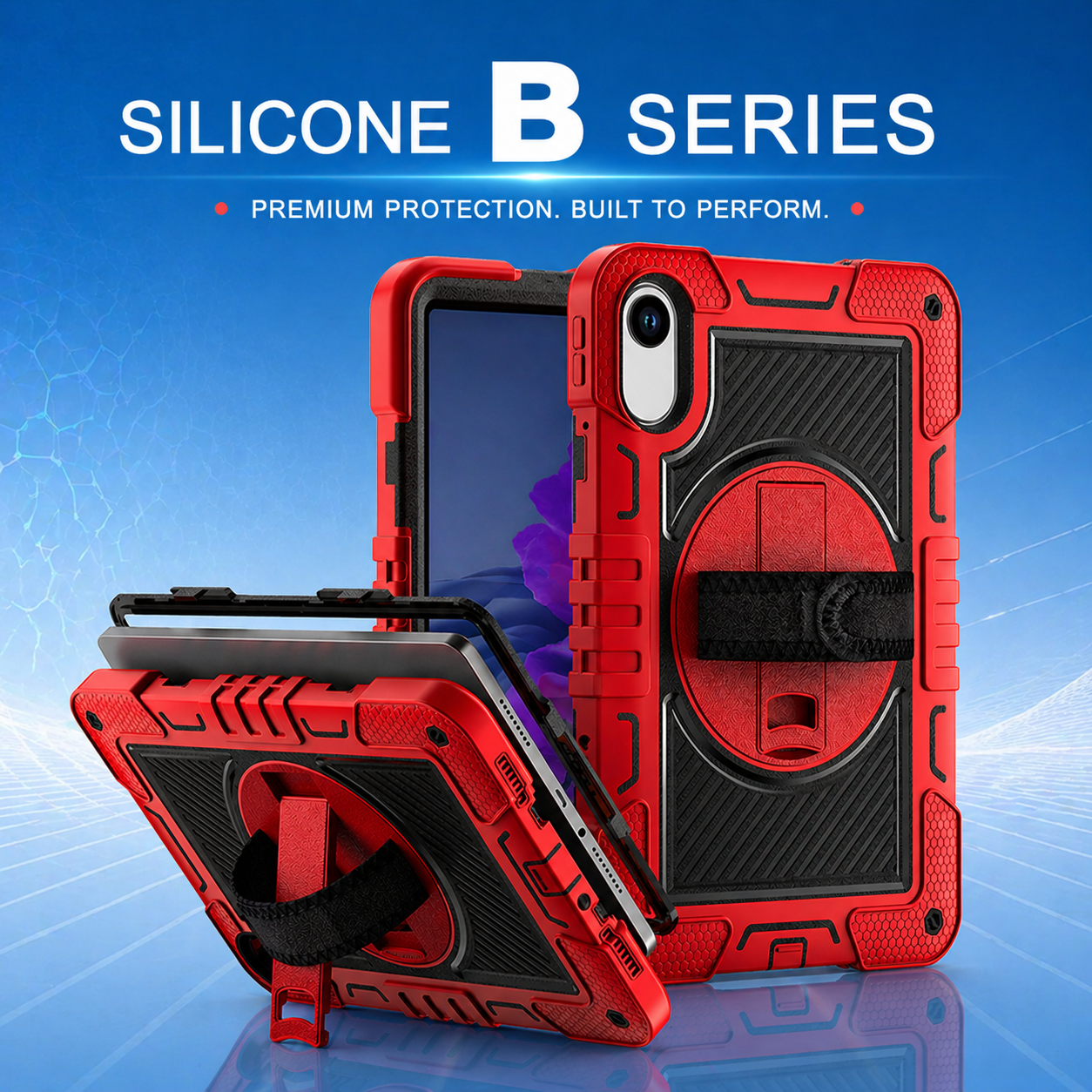


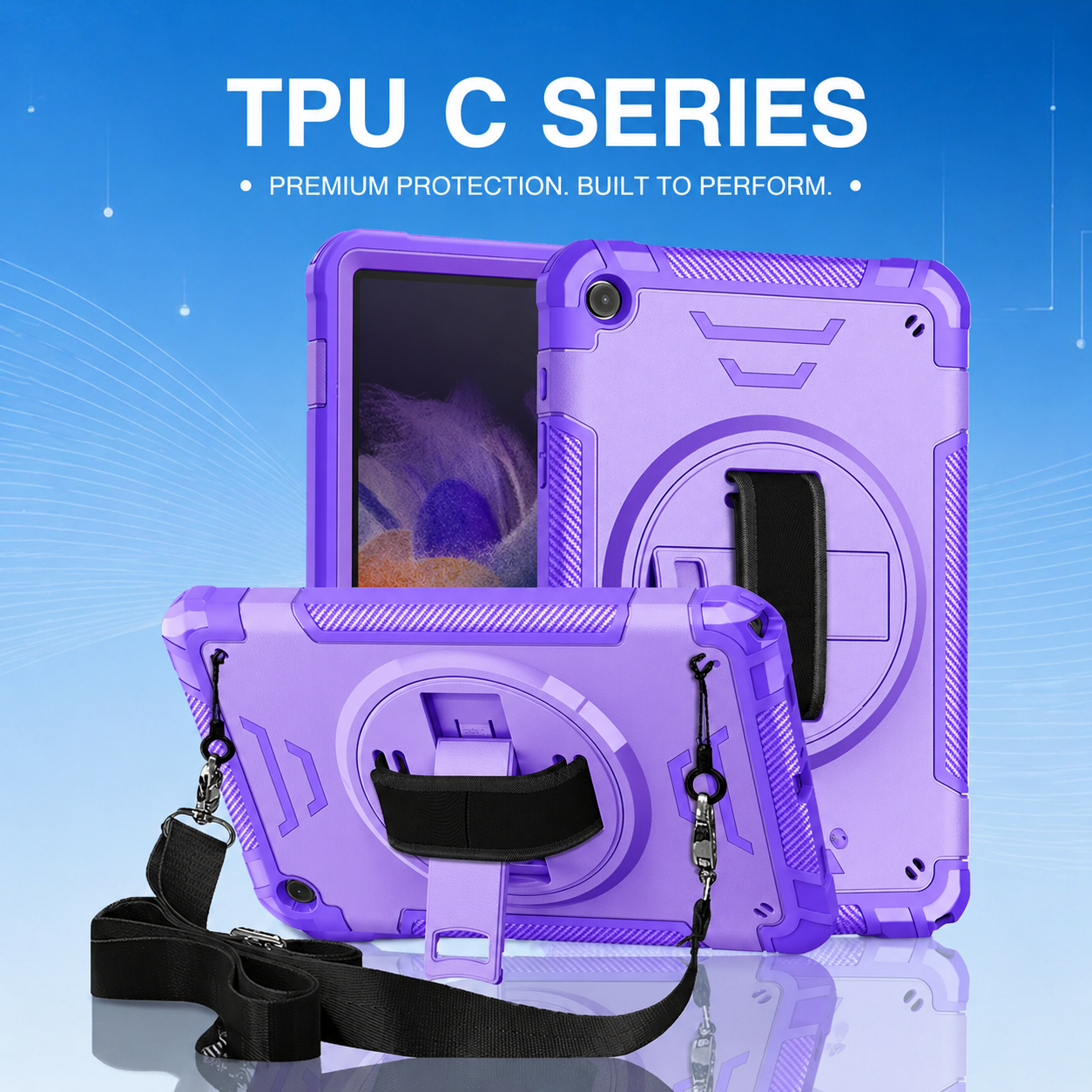
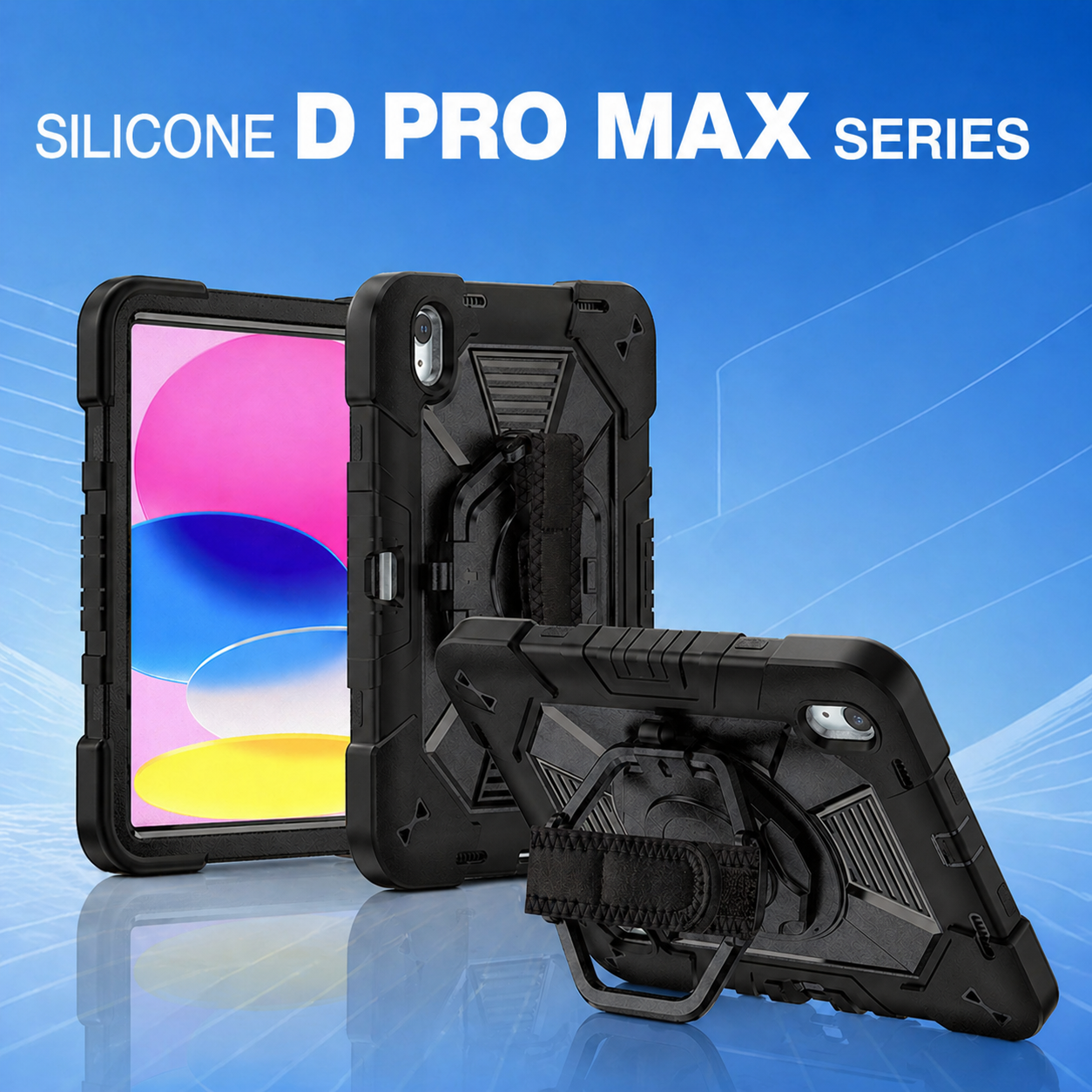
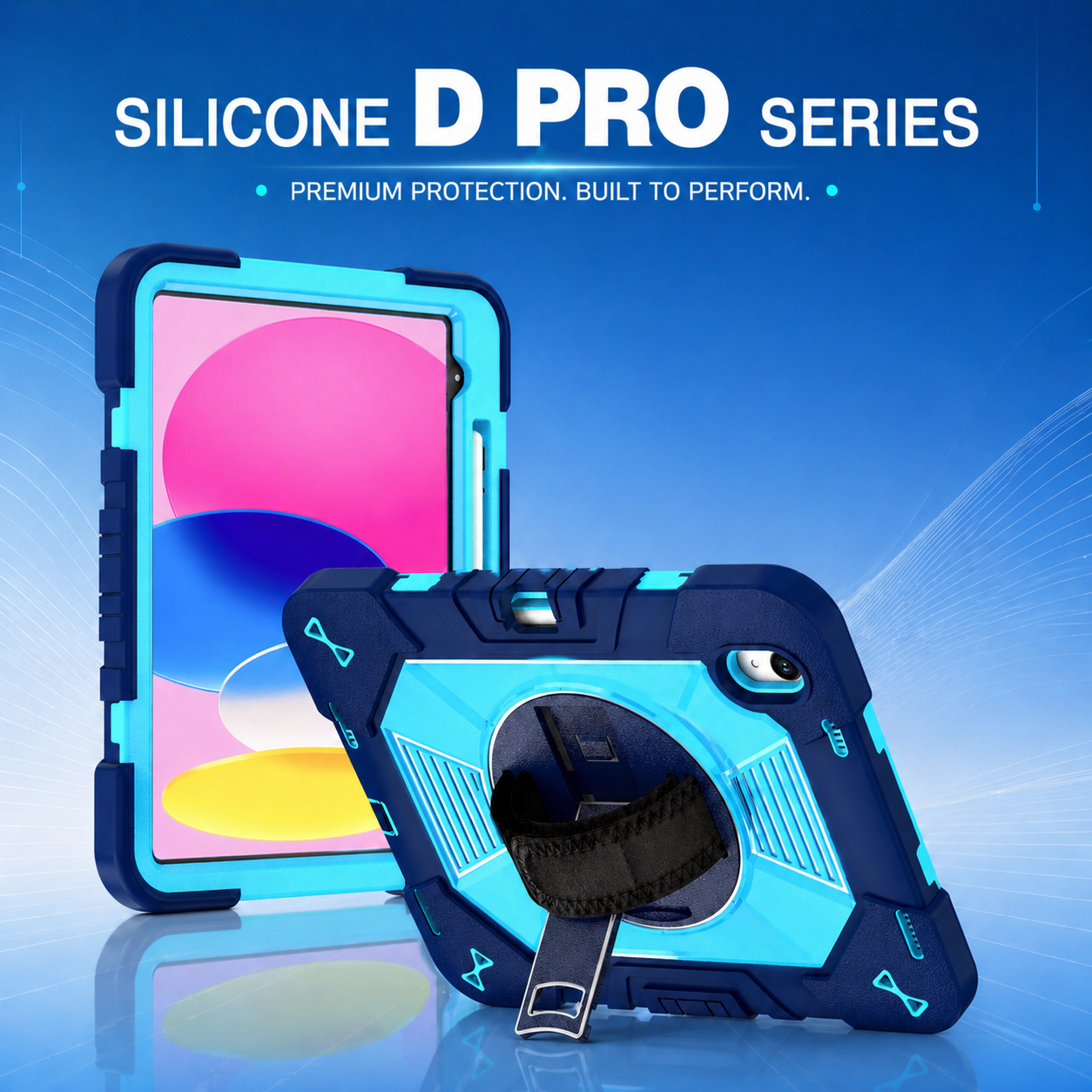
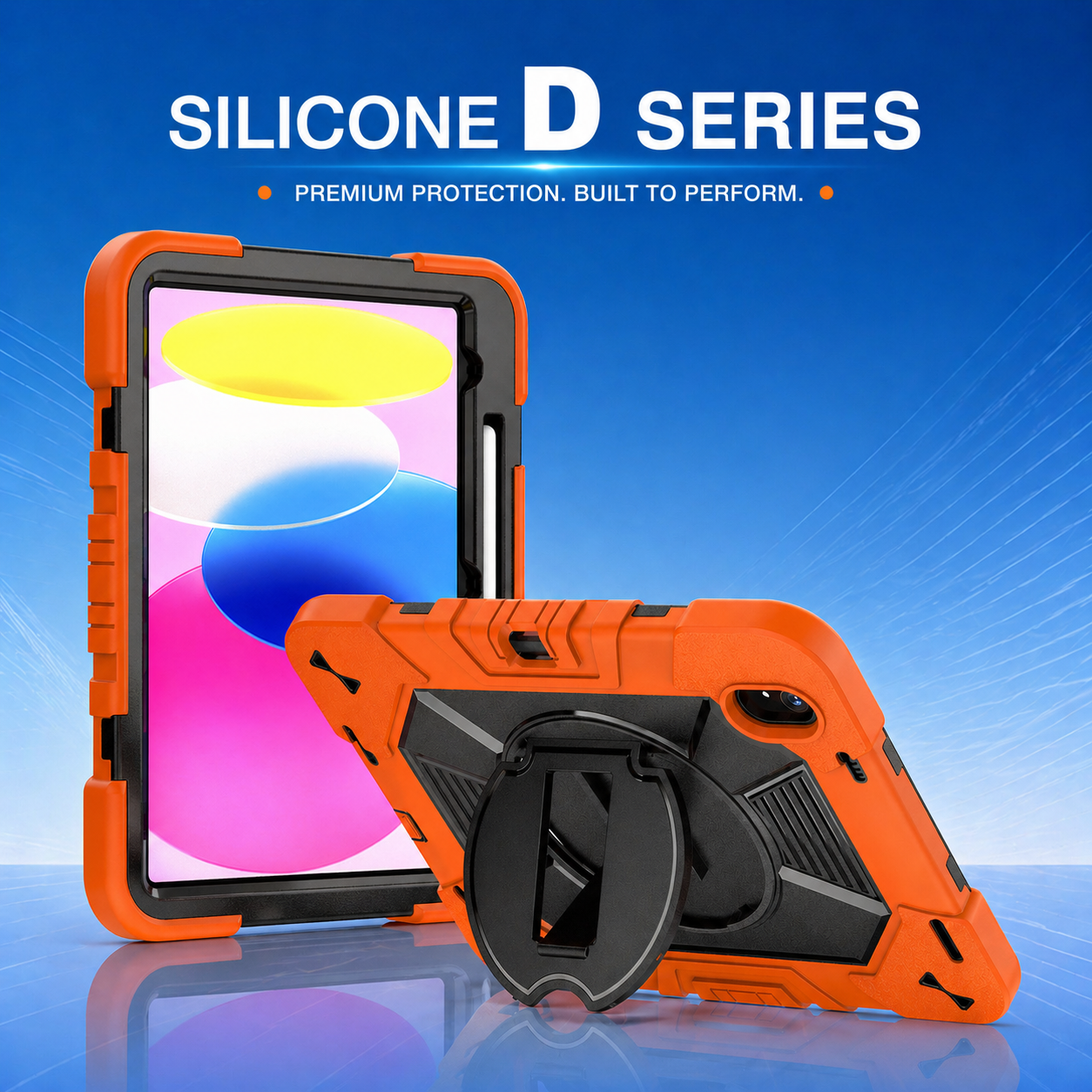

Rugged Tablet Case Quality Control: From Pilot Run to Drop-Test Approval
Mass production does not become reliable simply because a mold can produce a good sample. A factory must prove that materials, machines, operators, fixtures, assembly steps, and inspection methods can reproduce the same protective performance across thousands of units. For rugged tablet cases, quality control must cover dimensions, appearance, function, mechanical strength, device fit, and packaging. The strongest programs build these controls into the pilot run before volume output begins.
1. Convert the Approved Sample into Measurable Standards
The golden sample provides a visual and functional reference, but it is not enough by itself. Engineers create drawings, control plans, bills of materials, work instructions, inspection fixtures, and defect criteria. Critical dimensions may include retention-lip engagement, screen-bezel clearance, camera opening position, stand-axis alignment, strap-anchor thickness, and total case flatness.
Boundary samples help inspectors distinguish acceptable texture variation, minor flow marks, color limits, and parting-line conditions. Clear standards reduce subjective decisions between shifts and prevent small defects from becoming normal over time.
2. Control Incoming Materials and Components
Quality begins before molding. Polycarbonate, TPU, silicone, pigments, screws, pins, straps, screen films, adhesives, and cartons must match approved specifications. Incoming inspection may verify resin identity, hardness, color, dimensions, coating, tensile strength, or supplier certificates depending on risk.
Moisture-sensitive resins require documented drying conditions. Hardware lots should be checked for plating quality and dimensions, while straps and anchors may need pull testing. Unapproved material substitutions are especially dangerous because they can change impact strength, shrinkage, bonding, or chemical resistance without creating an obvious visual difference.
3. Lock the Molding Window
During pilot production, technicians establish acceptable ranges for temperature, pressure, speed, cooling time, mold temperature, and cycle time. The factory should not rely on a single “best” setting. It should confirm a stable window that produces good parts despite normal variation in ambient conditions and material lots.
First-piece inspection is completed after startup, mold change, maintenance, or major parameter adjustment. Patrol inspections then monitor dimensions and defects such as short shots, flash, warpage, sink, burns, flow lines, and contamination. Statistical tracking can reveal drift before parts fall outside specification.
4. Verify the Three-Layer Assembly
A 3 layers heavy duty rugged tablet case may combine a rigid inner frame, flexible impact shell, and front screen frame or protector. Each layer must fit correctly without gaps, excessive stress, or blocked controls. Assembly fixtures help align components and prevent damage to snap hooks.
Operators check that all locking points are engaged, the tablet can be installed with controlled force, and the front frame remains flat. Fastener torque, adhesive quantity, pin insertion depth, and screen-film position should be controlled where applicable. Mistake-proof features and station checklists reduce missed components.
5. Test Functional Features
A rugged product often includes a kickstand, rotating hand strap, shoulder-strap attachment, pencil holder, port covers, and responsive button zones. These features must work repeatedly, not only once. Stand-cycle tests check hinge wear and locking stability. Strap-pull tests confirm that anchors resist realistic loads, while rotation tests identify loose rivets or binding.
For a full body protective tablet case, inspectors also confirm raised-edge coverage, screen-frame engagement, camera protection, speaker clearance, charging access, and heat-vent clearance. Tests should use actual tablets because gauge-only inspection may not reveal button feel or connector interference.
_Rugged_Tablet_Case.png)
6. Run Drop and Impact Validation
Drop testing should reflect the device weight, intended environment, and customer requirement. Samples are conditioned, fitted with real devices or controlled test units, and dropped on faces, edges, and corners. Multiple orientations matter because the same case can perform differently depending on impact direction.
A shockproof iPad tablet case should be evaluated for more than visible cracking. After each sequence, the team checks tablet retention, screen condition, camera alignment, button function, stand integrity, and hidden damage around bosses or snap features. Failures are documented with photos and traced to design, material, molding, or assembly causes.
7. Approve the Pilot Run
The pilot run confirms production capacity as well as product quality. The team measures output rate, scrap, rework, line balance, fixture availability, inspection workload, and packaging efficiency. Process capability studies may be used for critical dimensions. Problems are assigned corrective actions with owners and due dates before release.
Approved settings, samples, and inspection records become the baseline for mass production. Any later change to material, tool, machine, supplier, or process should follow controlled change management and, when necessary, partial or full revalidation.
8. Maintain Traceability in Mass Production
Lot codes should connect finished goods to material batches, molding dates, machines, assembly lines, and inspection results. Traceability allows the factory to isolate risk quickly if a defect appears. Retained samples and shipment records support investigation without disrupting unrelated lots.
Quality teams review defect trends, customer feedback, mold-maintenance history, and test results regularly. Corrective action should eliminate root causes rather than merely sorting bad parts. With disciplined controls, pilot-run learning becomes a repeatable production system, and protective performance remains consistent from the first carton to the last.
Next article: enterprise and industrial production scaling
SEO Tags: drop test validation, kickstand durability testing, hand strap pull testing, mass production quality control, tablet case pilot run, high-volume molding service, rugged case packaging, enterprise device protection






.png)
+86 13422271740
.png)
info@tongmeitech.com
.png)
No. 34, Mashe Section, Guihe Road, Lishui Town, Foshan, Guangdong, China