- 1
- BLACKL
- TABLETAPPLE iPad Mini 8NEW iPad A16(2025) iPad 10.9" 10th (2022) iPad 10.2" (7th/8th/9th) iPad Air 13" (M2/M3/M4)(2024/2025/2026)NEW iPad Air 11" (M2/M3/M4)(2024/2025/2026)NEW iPad Mini 8.3" (A7 Pro/6th Gen) iPad Pro13"(M4/M5)(2024/2025) iPad Pro11"(M4/M5)(2026) iPad 9.7" (5th/6th Gen) iPad Pro 12.9"(2018-2022) iPad Pro 11"(2018-2022) iPad 9.7"(2th/3th/4th) iPad Air 10.9"(4th/5th Gen) iPad Mini 7.9"(4th/5th Gen)SAMSUNG Galaxy Tab A11 Galaxy Tab A11 Plus Galaxy Tab S11 Galaxy Tab S12 PlusNEW Galaxy Tab S12 UltraNEW Galaxy Tab A9+ Galaxy Tab A9 Galaxy Tab A8 Galaxy Tab A7 Galaxy Tab A7 Lite Galaxy Tab S11 Ultra/S10 Ultra/S9 Ultra/S8 Ultra Galaxy Tab S10+/S9+/S9 FE+ Galaxy Tab S10Lite/S10 FE/S9 FE/S9 Galaxy Tab S8+/S7+/S7 FE Galaxy Tab S8/S7 Galaxy Tab S6 lite Galaxy Tab A10.1 Galaxy Tab A8.4 Galaxy Tab A8.0 Galaxy Tab S10 FE+LENOVO iDea tab 11/Tab K11 Gen 2 /Xiaoxin Pad 11 2025 Lenovo Tab K9 (Tab One) 2025 Lenovo Tab M10 10.1"(2025) Lenovo Tab M10 Plus 10.6" (3rd Gen) Lenovo Tab M10 HD 10.1" (3rd Gen) Lenovo K10/M10 Plus 10.3" (2nd Gen) Lenovo Tab M10 HD 10.1" (2nd Gen)XIAOMI Redmi Pad 2 9.7 InchNEW Xiaomi Pad8/8Pro 11.2" Redmi Pad2/Pad2.4G Xiaomi Pad 6/6 Pro 11" Redmi Pad 10.61" Redmi Pad Se 11" Redmi pad Se 4G 8.7" Xiaomi Pad7/7 Pro 11.2" Redmi Pad Pro/Xiaomi Poco Pad/Redmi Pad2 Pro 12.1HUAWEI Huawei Matepad Se 10.4" Huawei Matepad 11" Huawei Matepad 11.5" Huawei Matepad SE 11" Huawei Matepad T8 8" Huawei Matepad T10 9.7"
- CATEGORIES
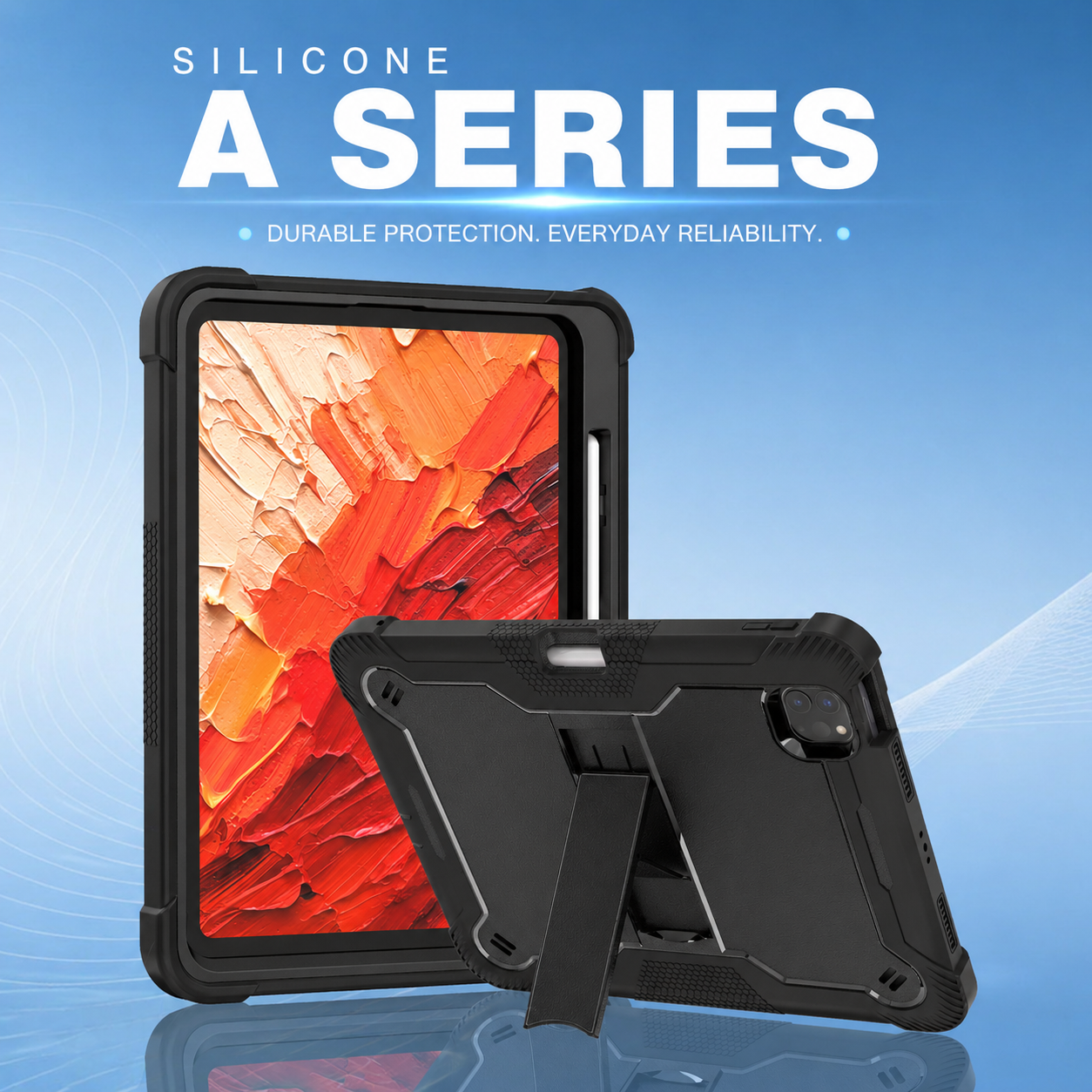

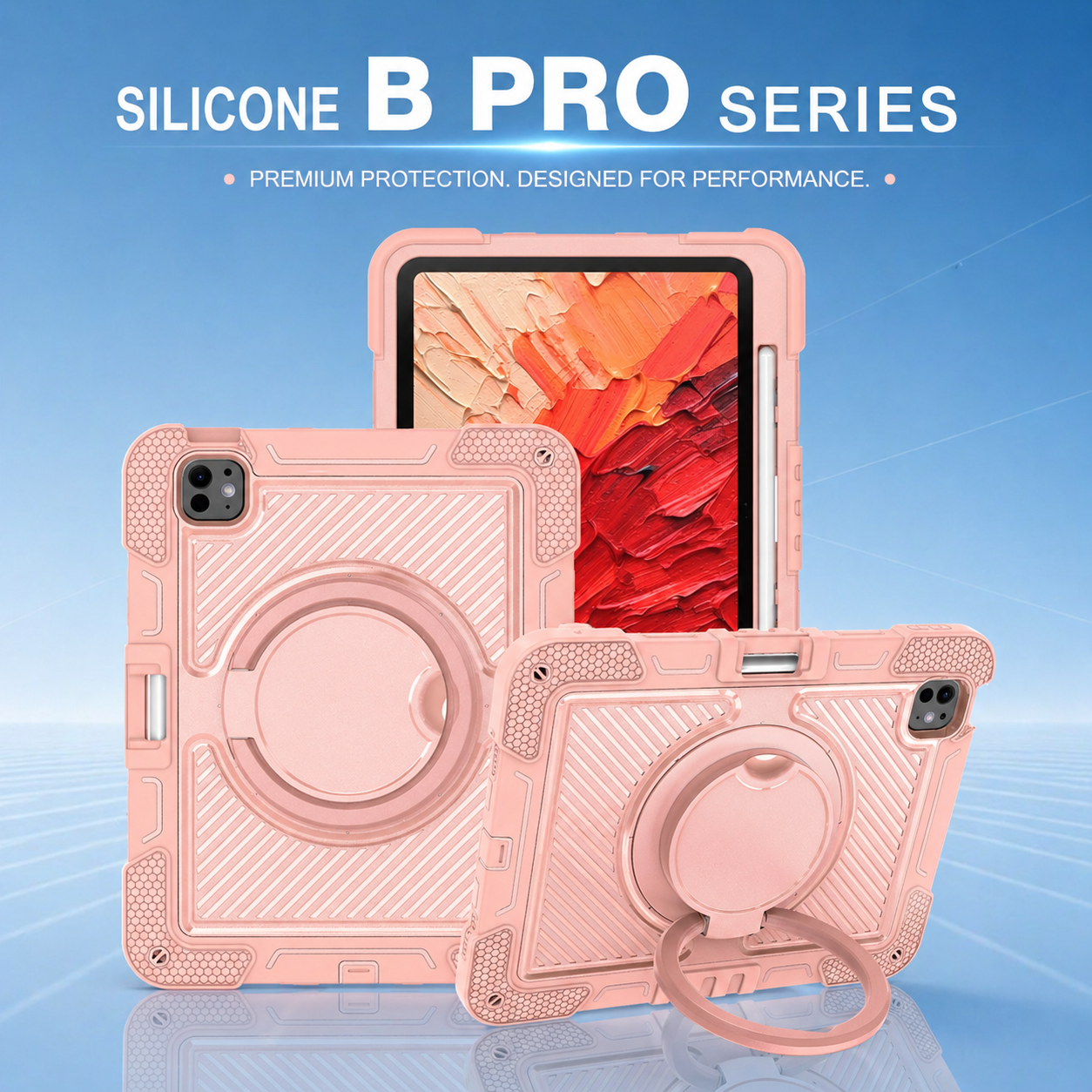
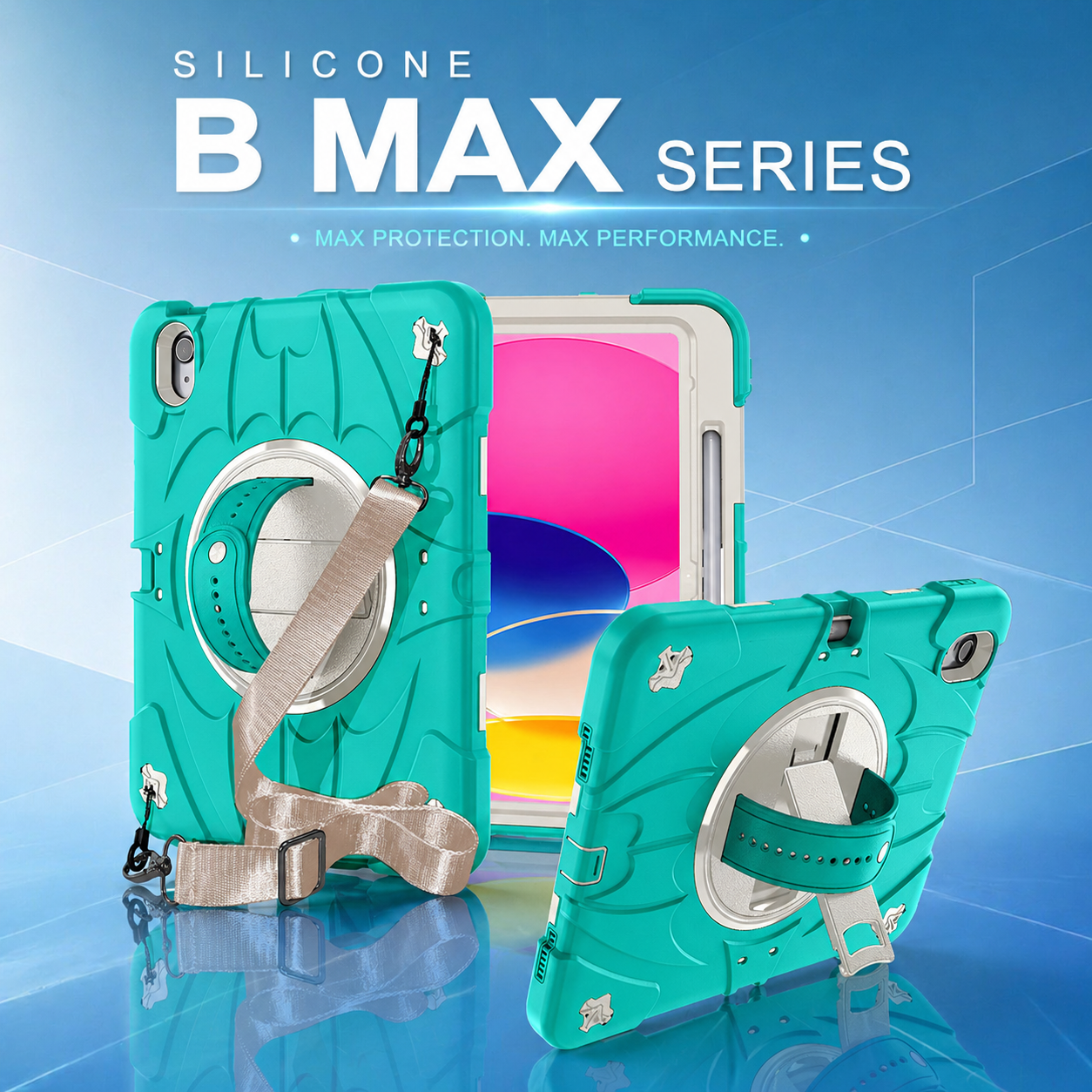
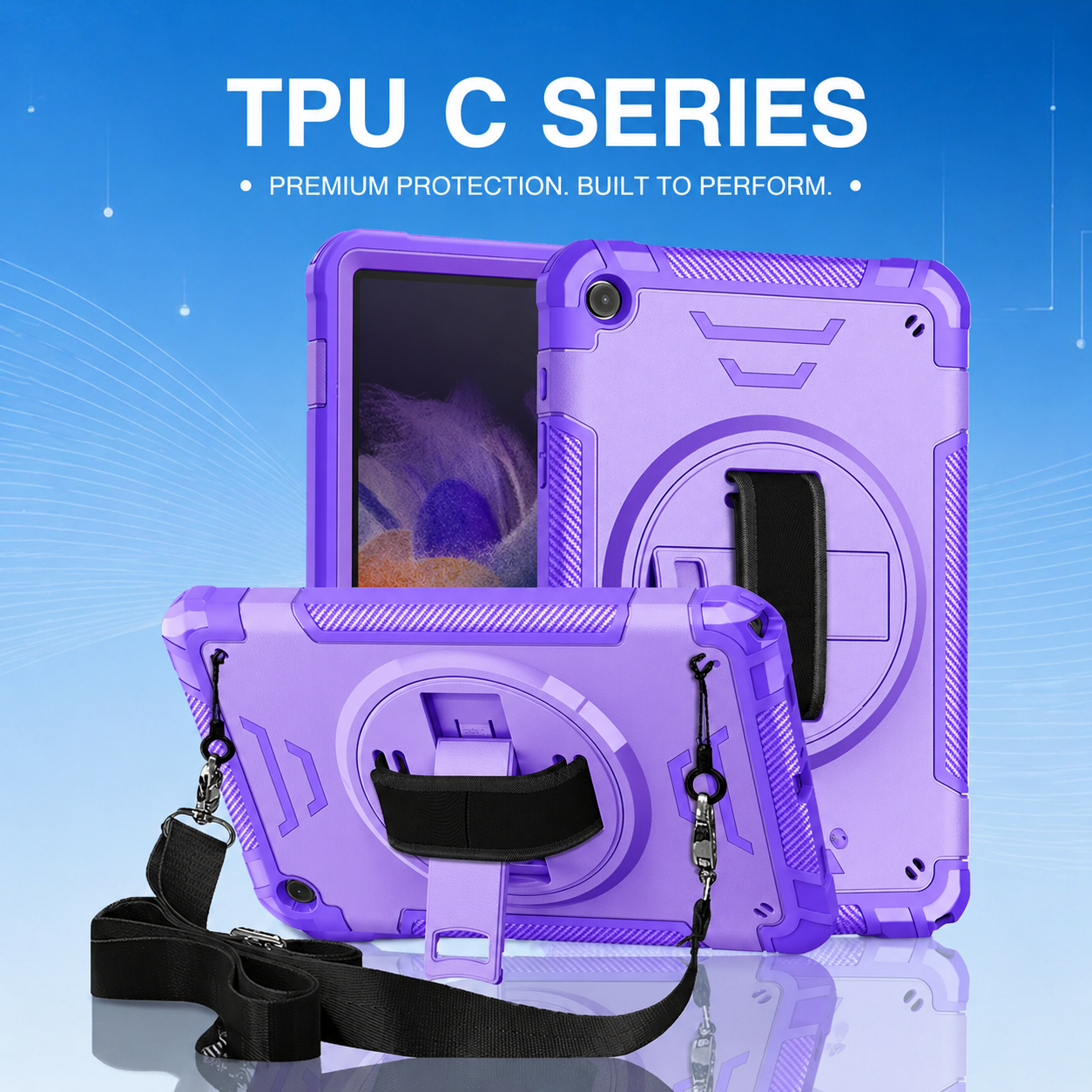
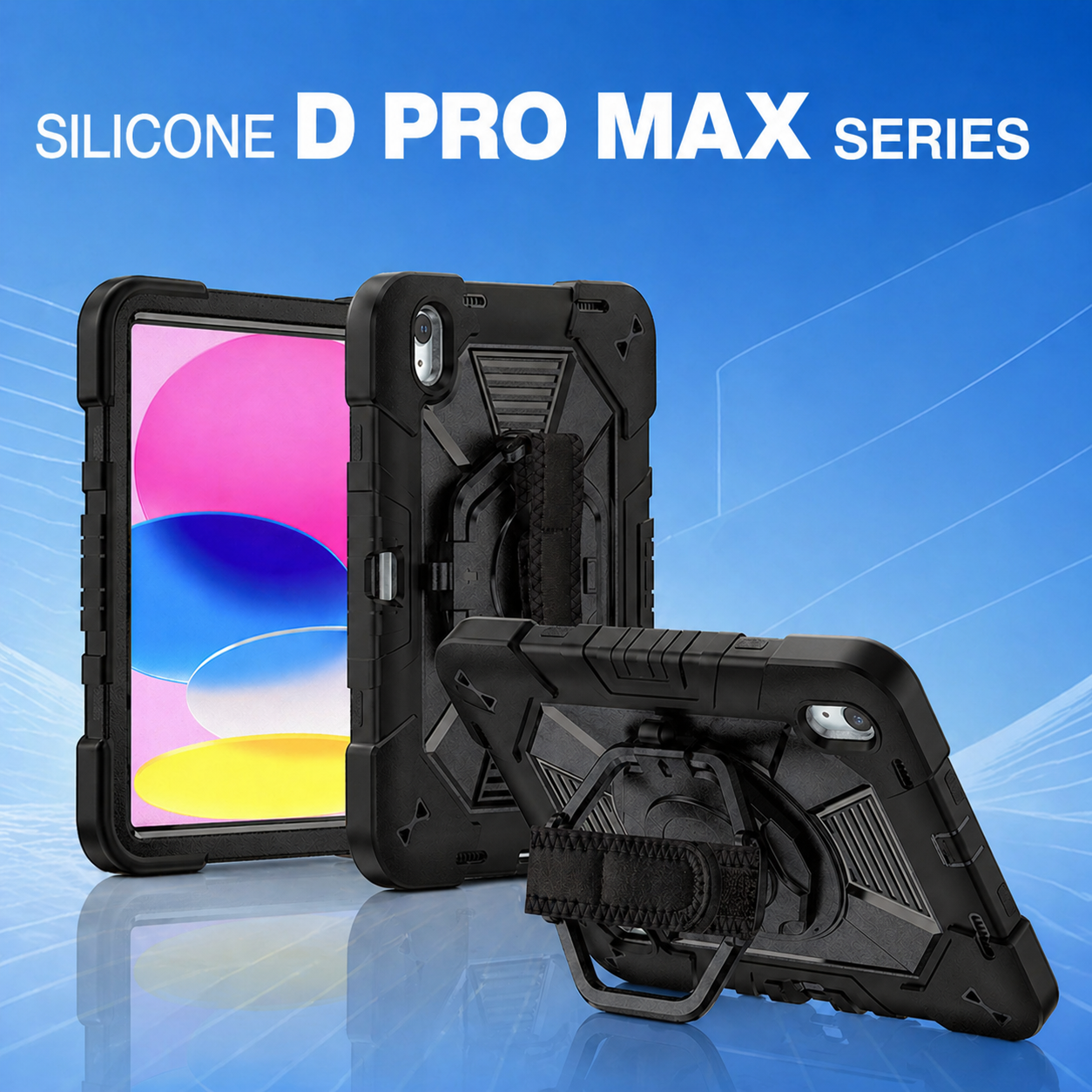
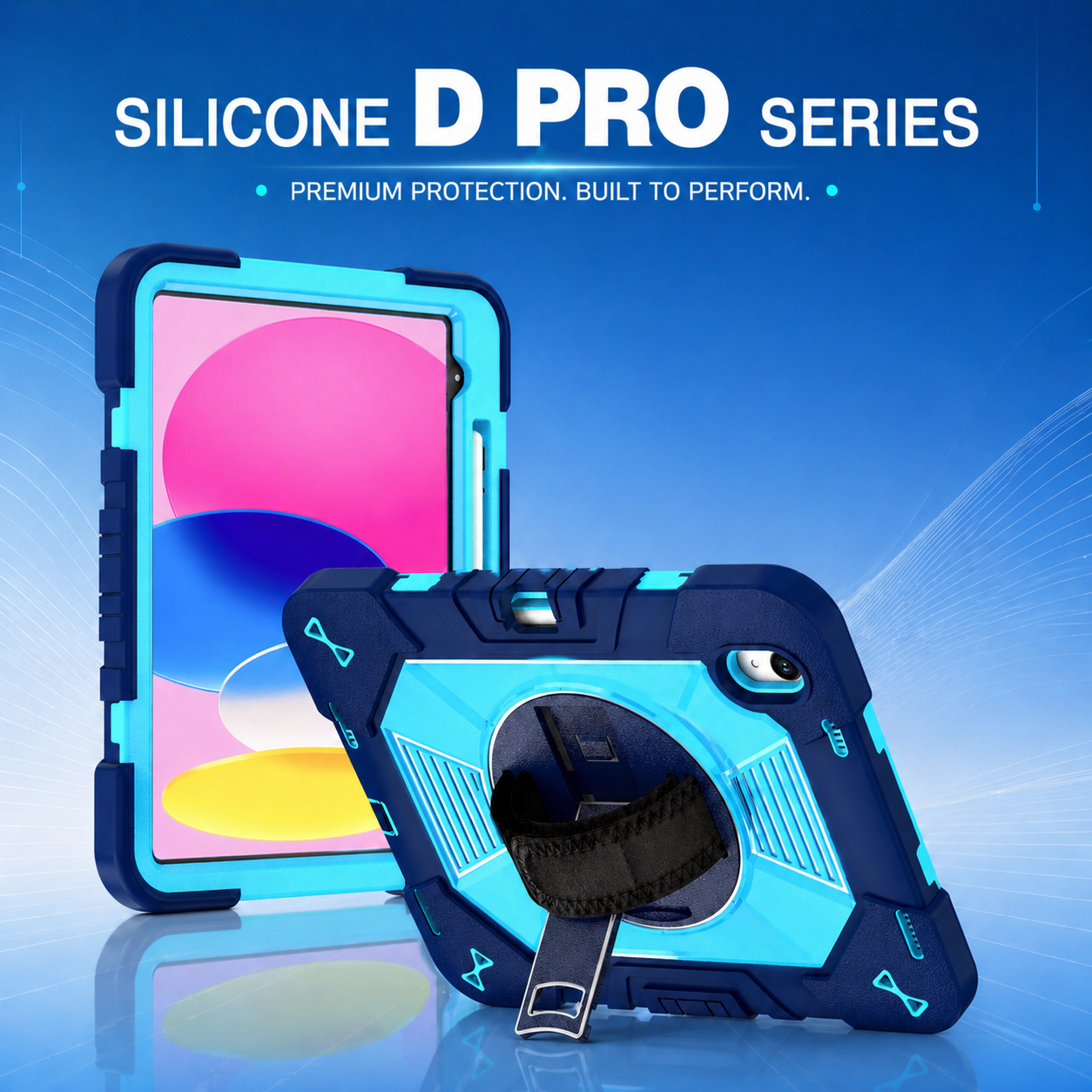


Scaling Rugged Tablet Case Production for Enterprise and Industrial Deployments
Large tablet deployments create manufacturing requirements that are very different from a small retail order. A buyer may need thousands of cases delivered in waves, matched to serialized devices, packed for multiple sites, and supported with replacement parts for several years. The factory must therefore manage more than molding capacity. It needs forecasting, material planning, line balancing, traceability, packaging control, and change management that align with the customer’s rollout schedule.
1. Translate the Deployment Plan into a Production Plan
First, define where and how the tablets will be used. Device model, annual volume, launch date, site count, user roles, cleaning requirements, accessories, color coding, branding, and packaging format all affect production. A phased rollout may require smaller scheduled lots, while a national launch may require parallel molds, additional assembly lines, and reserved material capacity.
The factory should confirm forecast accuracy, minimum order quantities, lead times, safety stock, and responsibility for device-model changes. Long-lead items such as custom straps, screen films, metal stands, retail cartons, and color-matched resin must be ordered early enough to protect the launch.
2. Match the Case Architecture to the Work Environment
A Healthcare Tablet Case may need smooth cleanable surfaces, chemical resistance, covered hardware, and a stable stand for bedside documentation. The design should avoid unnecessary dirt traps and should be tested with the disinfectants named by the customer. Color coding can help identify departments or cleaning status, but pigments and printed logos must also survive repeated wiping.
A Warehouse Tablet Case may require a rotating hand strap, shoulder strap, scanner clearance, glove-friendly buttons, and impact protection on concrete floors. Cold-storage use can change material behavior, while loading docks may expose devices to dust, rain, and rapid temperature shifts. Production specifications should reflect these real conditions rather than relying on a generic drop claim.
3. Plan Tooling and Capacity for Volume
Capacity planning begins with cycle time, cavity count, yield, planned working hours, mold maintenance, and assembly output. A theoretical machine rate is not the same as shipment capacity. The plan must include color changes, startup scrap, inspection, downtime, packaging, and preventive maintenance.
For high-volume programs, the factory may use duplicate molds or interchangeable inserts to reduce risk. Critical spare components such as gates, ejectors, sliders, and texture-sensitive inserts should be prepared before failure occurs. Machine qualification also matters: moving a tool to another press can change filling, cooling, and dimensions, so alternate equipment should be validated in advance.
4. Build a Flexible Assembly Line
Enterprise cases often share a base shell but use different stands, straps, labels, screen protectors, or packaging for each site. A modular assembly line can handle these variants without mixing them. Work orders, barcode scanning, color-coded bins, fixtures, and line-clearance checks help ensure that the correct components reach each shipment.
Line balancing should be based on observed task time. Stand installation, strap assembly, film application, device-fit checks, cleaning, and packing may create bottlenecks even when molding output is sufficient. Cross-trained operators and adjustable fixtures make it easier to respond to changing order mixes.
5. Control Branding and Configuration
Logos may be molded, printed, laser marked, labeled, or applied through a badge. Each method has different tooling cost, durability, and minimum volume. Artwork approval should define size, location, color, adhesion, and acceptable appearance. When several customer divisions use different branding, configuration control prevents the wrong logo or label from entering a carton.
Accessory kits also require exact documentation. A kit may include a case, shoulder strap, replacement screen film, cleaning guide, screws, or installation tool. The bill of materials and packing instruction should identify every item and revision.
_Rugged_Tablet_Case.png)
6. Protect Schedule with Quality Gates
Incoming inspection, first-piece approval, in-process checks, functional testing, and final inspection should be tied to the production schedule. Skipping a quality gate to recover time often creates a larger delay later. For volume orders, inspection frequency can be risk-based, but critical features such as device retention, stand function, and strap attachment must remain controlled.
Shipment-release criteria should include lot traceability, quantity verification, packaging integrity, label accuracy, and required test records. The factory can use pre-shipment audits to confirm that staged goods match the customer’s allocation by region or site.
7. Support Enterprise Change Management
Enterprise Tablet Protection programs often continue through several device generations. A tablet manufacturer may revise a camera, button, or connector without changing the commercial model name. The case supplier needs a process for receiving updated devices, comparing dimensions, assessing risk, and approving mold changes.
Engineering changes should be documented by revision, effective date, affected inventory, and customer approval. Replaceable inserts can reduce cost when openings change, while a new shell may be required when the device envelope or retention geometry changes substantially.
8. Plan After-Sales Supply
Deployments need replacement straps, stands, screen films, and sometimes complete cases after the initial launch. The factory should agree on service-part packaging, reorder quantities, lead times, and end-of-life notice. Retaining approved materials, drawings, samples, and tool records makes later production more reliable.
Scaling succeeds by connecting engineering discipline with operational planning. When tooling, materials, capacity, configuration, quality, logistics, and after-sales support are managed as one program, the factory can deliver consistent protection across every site and every shipment.
SEO Tags: enterprise device protection, healthcare device protection, warehouse mobility accessories, logistics tablet protection, construction tablet accessories, field service device case, government tablet deployment, mobile workforce accessories





.png)
+86 13422271740
.png)
info@tongmeitech.com
.png)
No. 34, Mashe Section, Guihe Road, Lishui Town, Foshan, Guangdong, China