- 1
- BLACKL
- TABLETAPPLE iPad Mini 8NEW iPad A16(2025) iPad 10.9" 10th (2022) iPad 10.2" (7th/8th/9th) iPad Air 13" (M2/M3/M4)(2024/2025/2026)NEW iPad Air 11" (M2/M3/M4)(2024/2025/2026)NEW iPad Mini 8.3" (A7 Pro/6th Gen) iPad Pro13"(M4/M5)(2024/2025) iPad Pro11"(M4/M5)(2026) iPad 9.7" (5th/6th Gen) iPad Pro 12.9"(2018-2022) iPad Pro 11"(2018-2022) iPad 9.7"(2th/3th/4th) iPad Air 10.9"(4th/5th Gen) iPad Mini 7.9"(4th/5th Gen)SAMSUNG Galaxy Tab A11 Galaxy Tab A11 Plus Galaxy Tab S11 Galaxy Tab S12 PlusNEW Galaxy Tab S12 UltraNEW Galaxy Tab A9+ Galaxy Tab A9 Galaxy Tab A8 Galaxy Tab A7 Galaxy Tab A7 Lite Galaxy Tab S11 Ultra/S10 Ultra/S9 Ultra/S8 Ultra Galaxy Tab S10+/S9+/S9 FE+ Galaxy Tab S10Lite/S10 FE/S9 FE/S9 Galaxy Tab S8+/S7+/S7 FE Galaxy Tab S8/S7 Galaxy Tab S6 lite Galaxy Tab A10.1 Galaxy Tab A8.4 Galaxy Tab A8.0 Galaxy Tab S10 FE+LENOVO iDea tab 11/Tab K11 Gen 2 /Xiaoxin Pad 11 2025 Lenovo Tab K9 (Tab One) 2025 Lenovo Tab M10 10.1"(2025) Lenovo Tab M10 Plus 10.6" (3rd Gen) Lenovo Tab M10 HD 10.1" (3rd Gen) Lenovo K10/M10 Plus 10.3" (2nd Gen) Lenovo Tab M10 HD 10.1" (2nd Gen)XIAOMI Redmi Pad 2 9.7 InchNEW Xiaomi Pad8/8Pro 11.2" Redmi Pad2/Pad2.4G Xiaomi Pad 6/6 Pro 11" Redmi Pad 10.61" Redmi Pad Se 11" Redmi pad Se 4G 8.7" Xiaomi Pad7/7 Pro 11.2" Redmi Pad Pro/Xiaomi Poco Pad/Redmi Pad2 Pro 12.1HUAWEI Huawei Matepad Se 10.4" Huawei Matepad 11" Huawei Matepad 11.5" Huawei Matepad SE 11" Huawei Matepad T8 8" Huawei Matepad T10 9.7"
- CATEGORIES
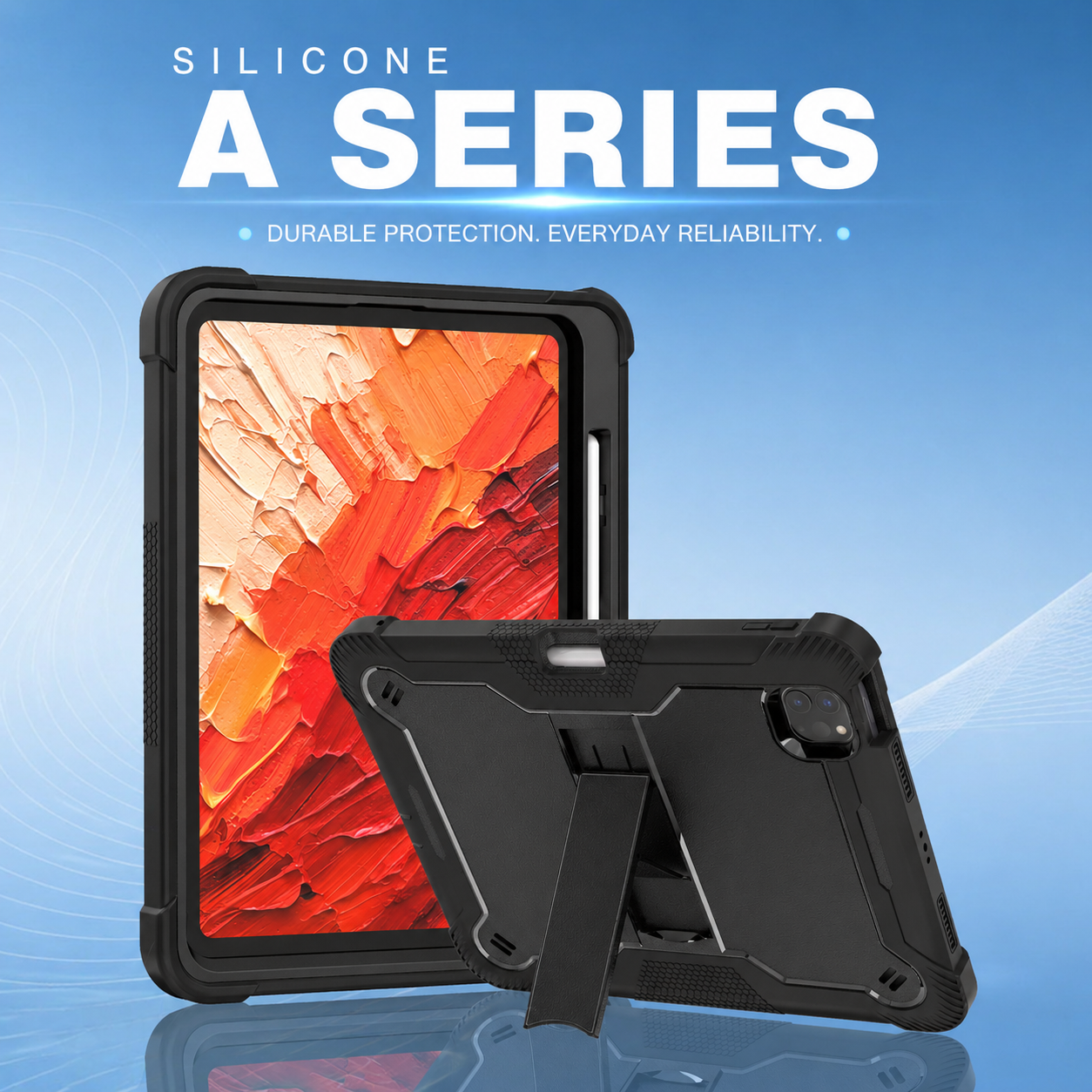
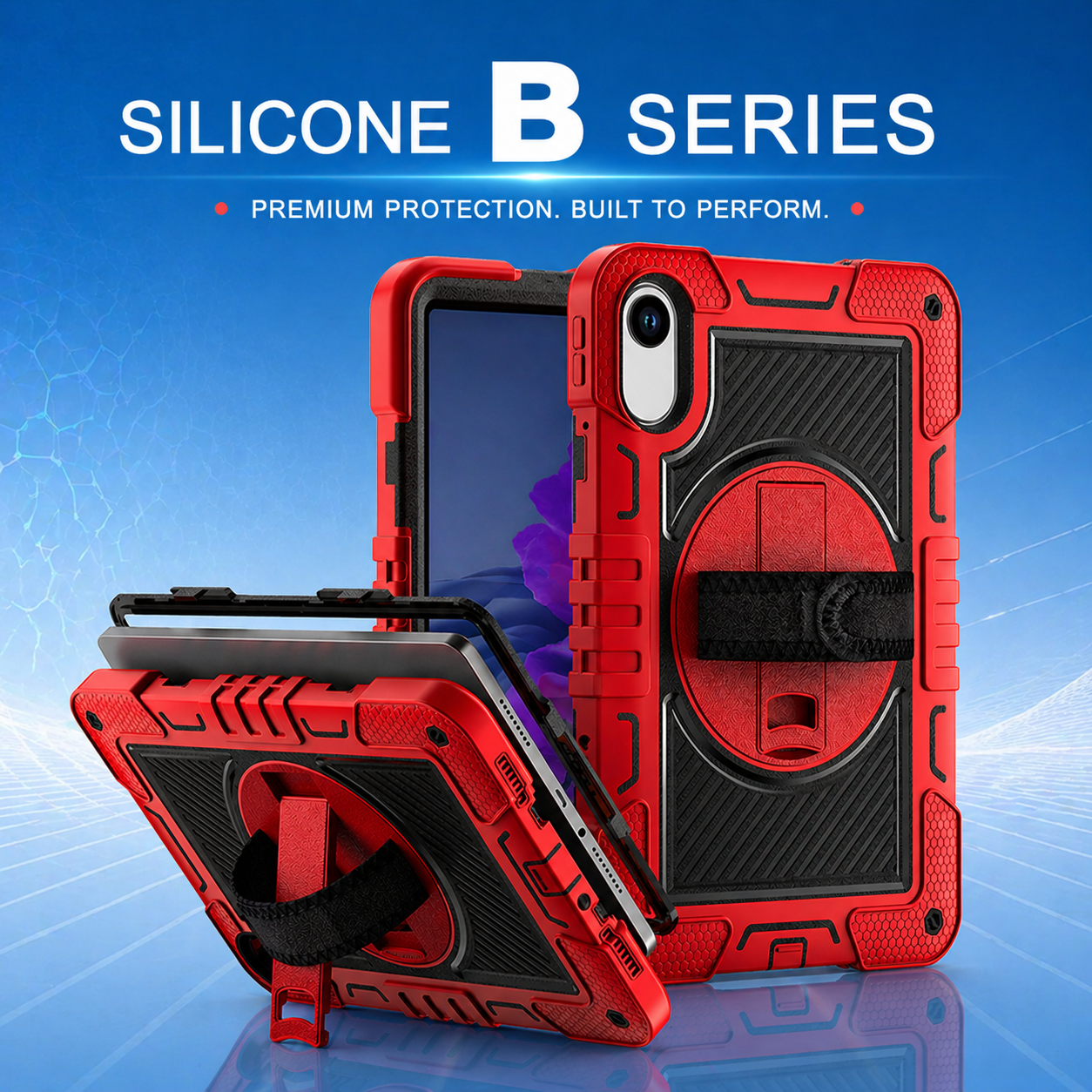
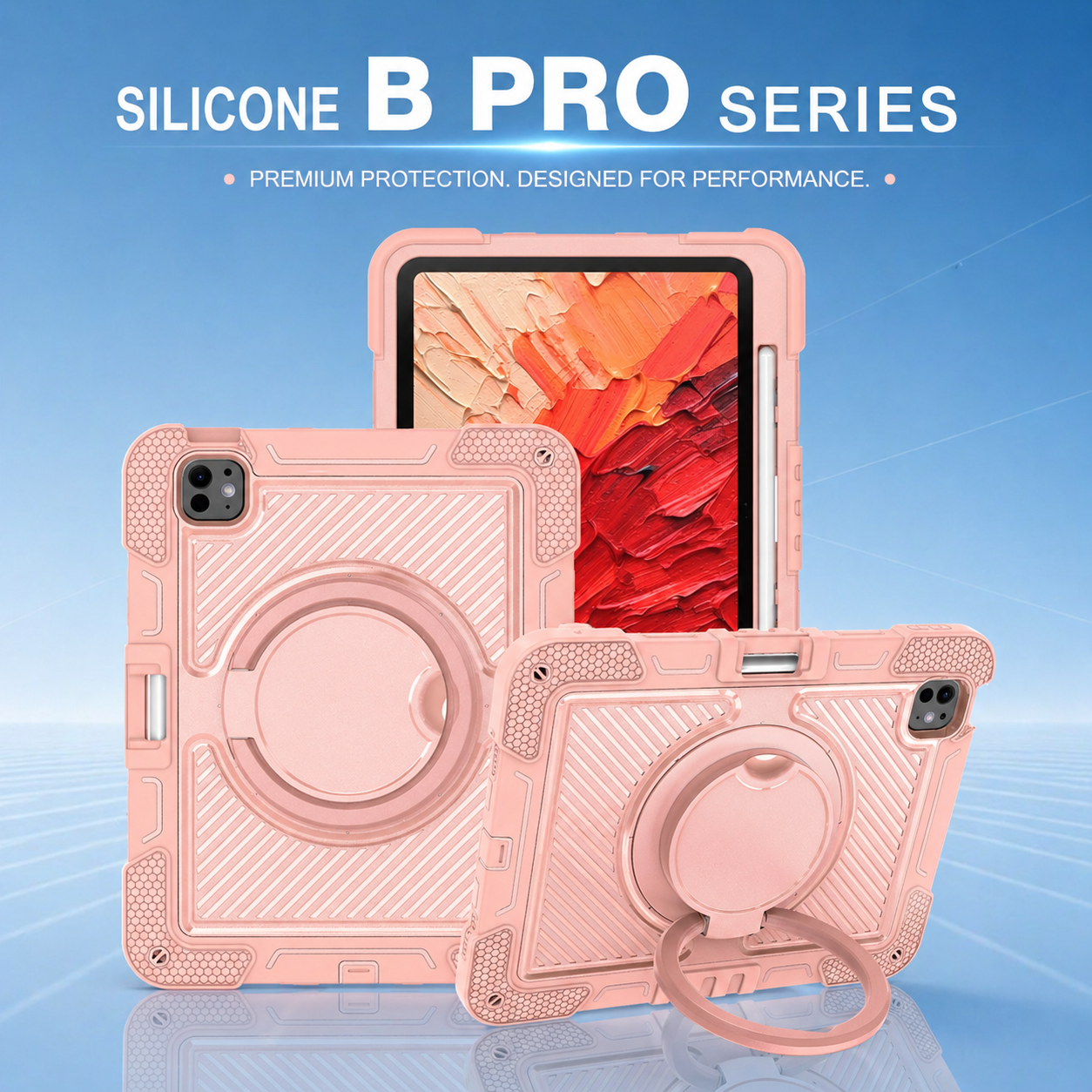
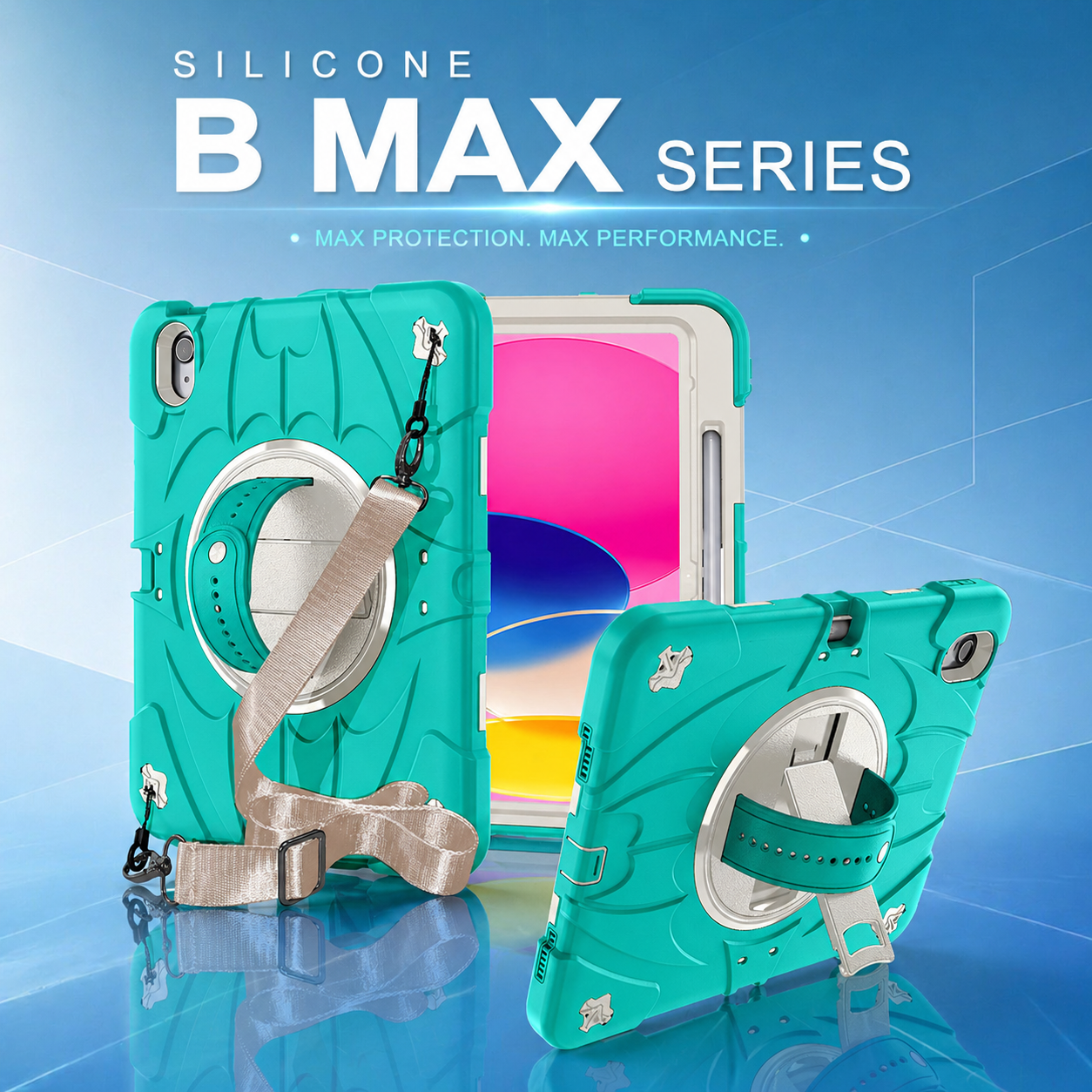
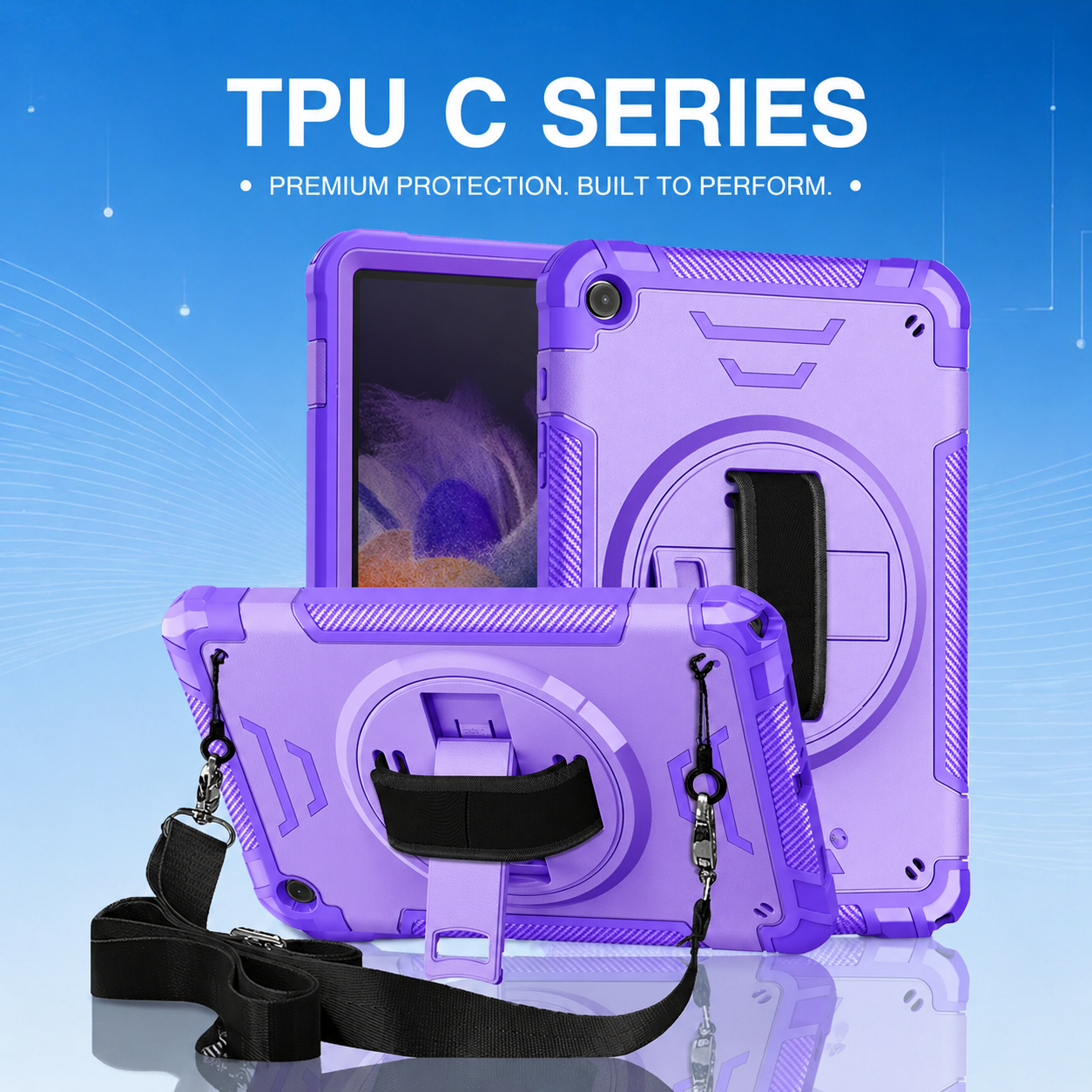
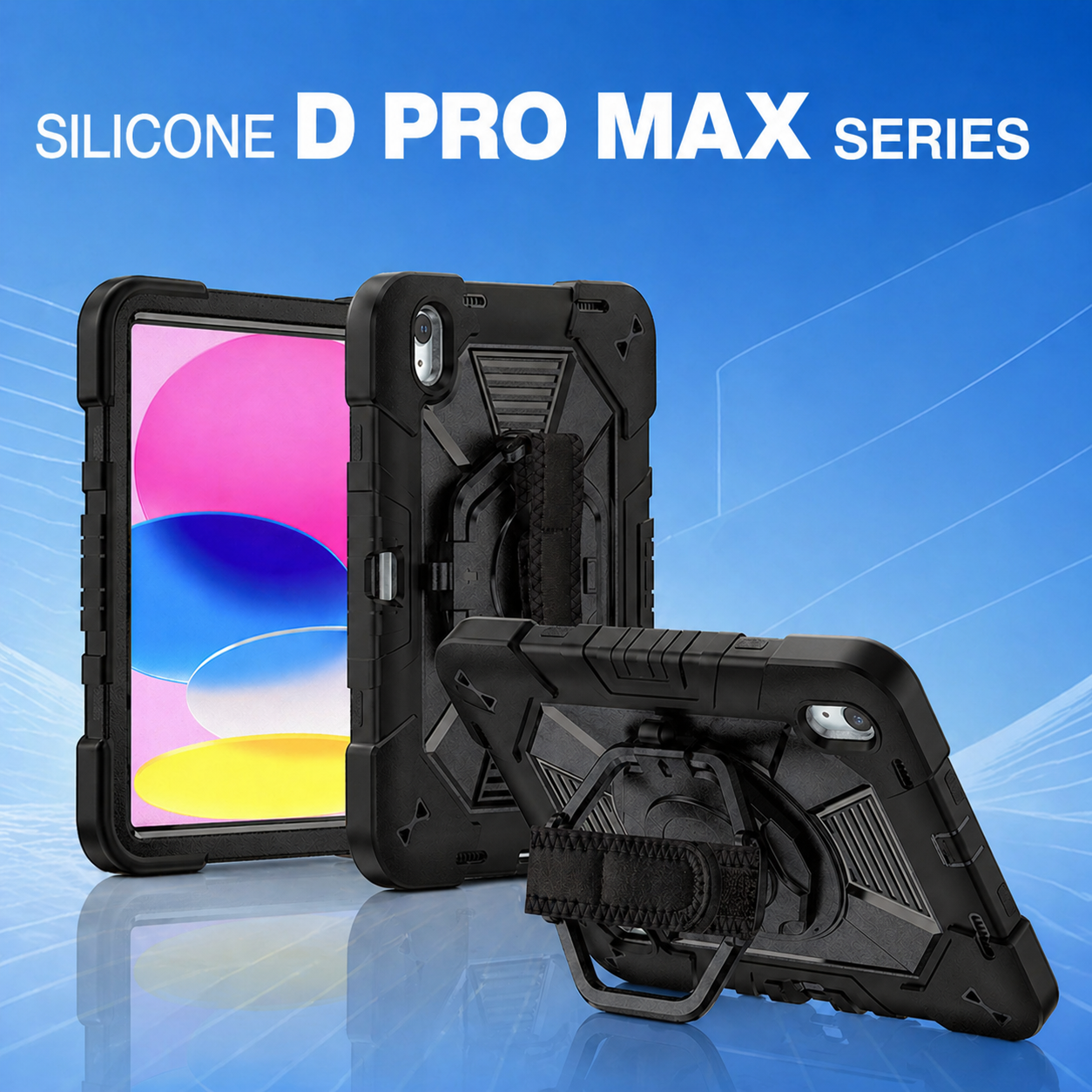
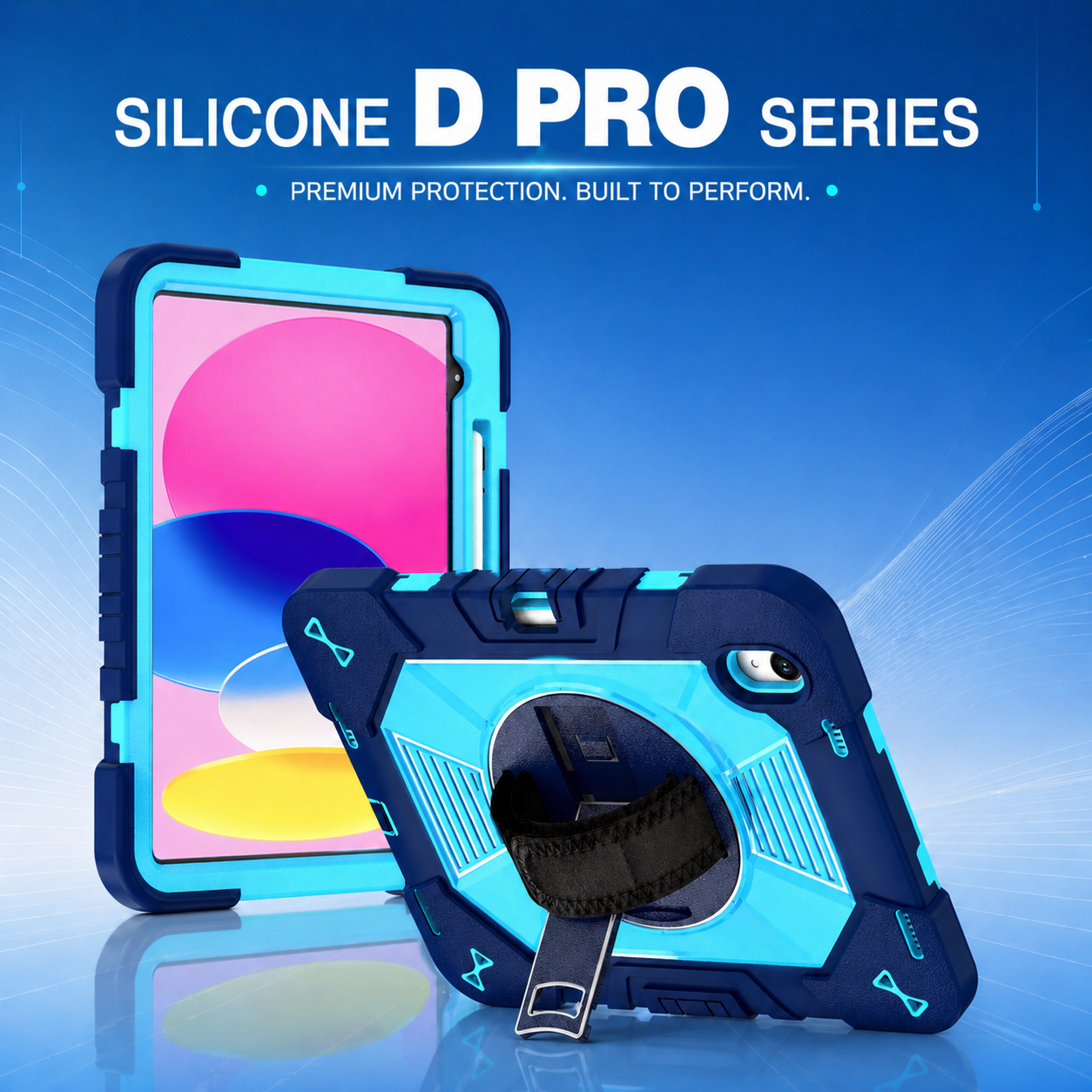
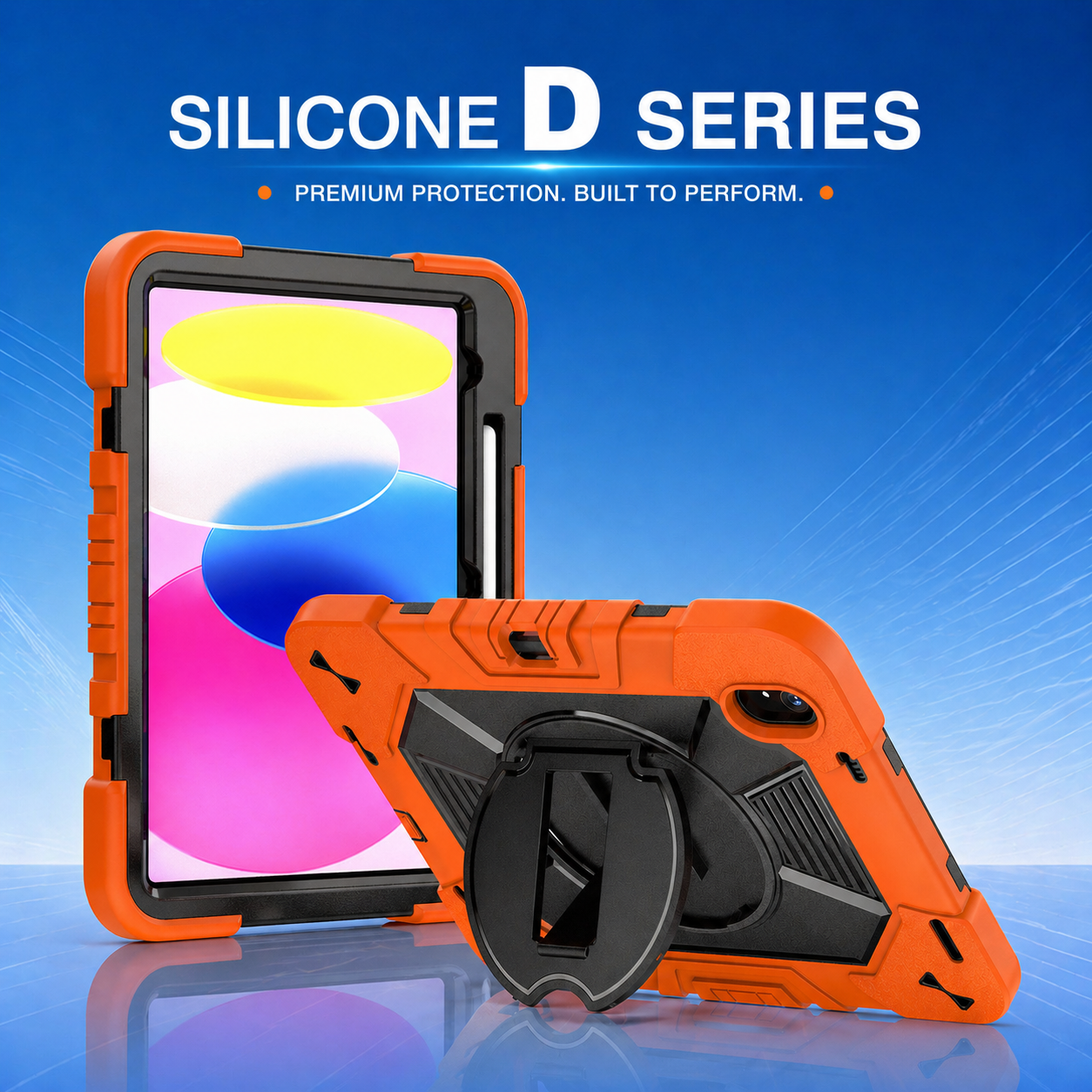

Choosing PC, TPU, and Silicone for Multi-Layer Rugged Tablet Cases
Material selection is one of the most consequential decisions in rugged case manufacturing. A case must hold the tablet securely, absorb impacts, resist wear, remain comfortable in the hand, and survive the temperatures and chemicals found in its target environment. No single material delivers every benefit equally. That is why many factory programs combine a rigid engineering plastic with a flexible energy-absorbing layer and, when needed, a softer skin or sealing component.
1. Define Performance Before Selecting Resin
The correct material cannot be chosen from a price list alone. Engineers first define drop height, device weight, operating temperature, exposure to sunlight or cleaning agents, expected service life, color requirements, flame performance, and regulatory needs. A school product may prioritize grip and safe rounded edges. A healthcare product may need repeated disinfectant wiping. An industrial product may face oils, dust, cold storage, or outdoor use.
2. Polycarbonate as the Structural Backbone
Polycarbonate is widely used for rigid shells because it offers strength, dimensional stability, and better impact performance than many commodity plastics. It supports camera frames, stand mechanisms, hand-strap mounts, and snap features that must retain their shape. It can also produce clean textures and precise openings when drying and processing are controlled.
However, polycarbonate is not automatically indestructible. Sharp corners, molded-in stress, excessive regrind, poor drying, and aggressive assembly can cause cracking. The design should use radii, balanced walls, and reinforced load paths. The factory should validate the exact resin grade, color masterbatch, and molding window rather than treating all PC as interchangeable.
3. TPU for Flexible Impact Protection
A TPU tablet case can provide elasticity, abrasion resistance, and a secure grip while remaining suitable for high-volume molding. Hardness can be tuned for different products, from relatively soft bumpers to firmer structural skins. TPU works especially well around corners and edges where impact energy needs to be spread over time.
Its performance depends on grade selection and geometry. A softer material may absorb impact but stretch during installation. A harder grade may hold shape better but transmit more force. Flow length, gate design, venting, cooling, and moisture control all affect surface quality and dimensions. Engineers also assess whether the material yellows, attracts dust, becomes glossy with wear, or reacts with cleaners used by the customer.
4. Silicone for Touch, Heat, and Long-Term Elasticity
Silicone Molding is considered when a project needs a soft tactile surface, heat resistance, electrical insulation, or stable elasticity over a wide temperature range. Silicone can be useful for skins, seals, buttons, plugs, and impact zones. Its naturally flexible feel can improve comfort for children, clinicians, or field workers who hold a device for long periods.
Silicone also introduces different production considerations. Tooling, curing, flash control, pigment dispersion, post-curing, and surface cleanliness require dedicated procedures. The factory must prevent contamination and define acceptable parting lines and trimming standards. If silicone is assembled over a hard shell, the locking design must stop migration or peeling without making replacement impossible.
5. Why Layered Structures Work
A PC+Silicone tablet case separates structural and protective duties. The hard inner shell maintains device fit, supports accessories, and spreads local loads. The silicone outer layer cushions drops, improves grip, and covers rigid edges. This architecture allows designers to tune each layer instead of forcing one resin to satisfy conflicting requirements.
The same principle applies to PC and TPU combinations. The connection between layers is critical. Separate components can use mechanical locks, ribs, windows, and wraparound edges. Overmolded parts rely on material compatibility, surface condition, and process control. The team must test peeling, repeated installation, heat aging, and chemical exposure because a bond that looks strong after molding may weaken in service.
_Rugged_Tablet_Case.png)
6. Balance Protection with Manufacturability
More material does not always mean better protection. Very thick soft corners can increase cooling time, create sink or deformation, and make the product bulky. An overly stiff shell can concentrate impact around the screen. Engineers use controlled ribs, air gaps, raised bezels, corner cavities, and progressive wall transitions to manage energy efficiently.
Material choice affects mold count, cycle time, assembly labor, and scrap. A separate bumper may simplify molding but add assembly. Overmolding creates a cleaner appearance but needs more complex tooling and validation. Commercial targets must be balanced with technical performance.
7. Validate the Real Use Environment
Laboratory data narrows the options, but complete-case testing makes the final decision. The factory should test finished assemblies with real tablets through repeated drops, temperature conditioning, abrasion, pull loads, stand cycles, button operation, and cleaning exposure. Tests should include new samples and aged samples to reveal changes in hardness, adhesion, color, or fit.
8. Build a Controlled Material Specification
Once a combination is approved, the bill of materials should name the exact grade, supplier, hardness, color reference, additive limits, and allowed regrind policy. Processing windows and inspection methods should be documented. Alternative materials need formal approval before production use.
A dependable rugged case is created by matching verified materials to the device, geometry, process, and user environment. A disciplined material strategy gives the factory consistent molding, predictable assembly, and protection that continues to perform after shipment.
Next article: pilot-run quality control and drop-test approval
SEO Tags: hard shell molding, soft bumper molding, multi-material case production, silicone case manufacturing, polycarbonate case production, impact-resistant case development, shock-absorbing bumper design, device protection solution






.png)
+86 13422271740
.png)
info@tongmeitech.com
.png)
No. 34, Mashe Section, Guihe Road, Lishui Town, Foshan, Guangdong, China