- 1
- BLACKL
- TABLETAPPLE iPad Mini 8NEW iPad A16(2025) iPad 10.9" 10th (2022) iPad 10.2" (7th/8th/9th) iPad Air 13" (M2/M3/M4)(2024/2025/2026)NEW iPad Air 11" (M2/M3/M4)(2024/2025/2026)NEW iPad Mini 8.3" (A7 Pro/6th Gen) iPad Pro13"(M4/M5)(2024/2025) iPad Pro11"(M4/M5)(2026) iPad 9.7" (5th/6th Gen) iPad Pro 12.9"(2018-2022) iPad Pro 11"(2018-2022) iPad 9.7"(2th/3th/4th) iPad Air 10.9"(4th/5th Gen) iPad Mini 7.9"(4th/5th Gen)SAMSUNG Galaxy Tab A11 Galaxy Tab A11 Plus Galaxy Tab S11 Galaxy Tab S12 PlusNEW Galaxy Tab S12 UltraNEW Galaxy Tab A9+ Galaxy Tab A9 Galaxy Tab A8 Galaxy Tab A7 Galaxy Tab A7 Lite Galaxy Tab S11 Ultra/S10 Ultra/S9 Ultra/S8 Ultra Galaxy Tab S10+/S9+/S9 FE+ Galaxy Tab S10Lite/S10 FE/S9 FE/S9 Galaxy Tab S8+/S7+/S7 FE Galaxy Tab S8/S7 Galaxy Tab S6 lite Galaxy Tab A10.1 Galaxy Tab A8.4 Galaxy Tab A8.0 Galaxy Tab S10 FE+LENOVO iDea tab 11/Tab K11 Gen 2 /Xiaoxin Pad 11 2025 Lenovo Tab K9 (Tab One) 2025 Lenovo Tab M10 10.1"(2025) Lenovo Tab M10 Plus 10.6" (3rd Gen) Lenovo Tab M10 HD 10.1" (3rd Gen) Lenovo K10/M10 Plus 10.3" (2nd Gen) Lenovo Tab M10 HD 10.1" (2nd Gen)XIAOMI Redmi Pad 2 9.7 InchNEW Xiaomi Pad8/8Pro 11.2" Redmi Pad2/Pad2.4G Xiaomi Pad 6/6 Pro 11" Redmi Pad 10.61" Redmi Pad Se 11" Redmi pad Se 4G 8.7" Xiaomi Pad7/7 Pro 11.2" Redmi Pad Pro/Xiaomi Poco Pad/Redmi Pad2 Pro 12.1HUAWEI Huawei Matepad Se 10.4" Huawei Matepad 11" Huawei Matepad 11.5" Huawei Matepad SE 11" Huawei Matepad T8 8" Huawei Matepad T10 9.7"
- CATEGORIES



How Smart Warehouses Depend on Rugged Industrial Tablets
The modern warehouse is no longer a facility filled with paper records, manual inventory counts, and disconnected workflows. Today’s smart warehouses are highly connected environments powered by automation, real-time data, cloud-based management systems, and mobile technology. At the center of this transformation is the industrial tablet, a versatile device that enables workers, supervisors, and managers to access critical information anytime and anywhere within the facility.
As global supply chains become more complex and customer expectations continue to rise, businesses are investing heavily in technologies that improve efficiency, accuracy, and operational visibility. Industry analysts forecast that industrial tablet adoption in warehousing and logistics will exceed 65% by 2026, highlighting their growing importance in modern warehouse operations.
The Evolution of Smart Warehouses
Smart warehouses leverage advanced technologies such as artificial intelligence (AI), Internet of Things (IoT) sensors, warehouse management systems (WMS), automated guided vehicles (AGVs), and robotics to optimize operations.
These technologies generate large amounts of real-time data that must be accessed and acted upon quickly. Industrial tablets serve as the primary interface between warehouse personnel and these digital systems.
Instead of relying on stationary workstations, employees can carry tablets throughout the facility to:
Monitor inventory levels
Process incoming shipments
Manage picking and packing operations
Conduct cycle counts
Track order fulfillment
Access operational dashboards
This mobility allows workers to complete tasks more efficiently while maintaining continuous access to critical information.
Why Industrial Tablets Are Essential
Industrial tablets offer several advantages over traditional handheld scanners and desktop computers.
Mobility and Flexibility
Warehouse employees spend much of their time moving between storage locations, loading docks, packing stations, and shipping areas. Industrial tablets allow them to remain connected without being restricted to a fixed workstation.
Employees can instantly access inventory records, update order statuses, and communicate with colleagues in real time, reducing delays and improving productivity.
Improved Data Accuracy
Manual data entry often leads to errors that can impact inventory management and customer satisfaction. Industrial tablets enable workers to update information immediately at the point of activity, reducing mistakes and improving data integrity.
Enhanced User Experience
Compared to smaller handheld devices, tablets provide larger displays that make applications easier to use. Employees can view more information simultaneously and navigate warehouse systems more efficiently.
These benefits contribute to faster training, improved workflow efficiency, and higher employee satisfaction.
Durability Matters in Warehouse Environments
Warehouses can be challenging environments for electronic devices. Equipment is frequently exposed to:
Accidental drops
Vibrations from forklifts
Dust and debris
Temperature fluctuations
Daily wear and tear
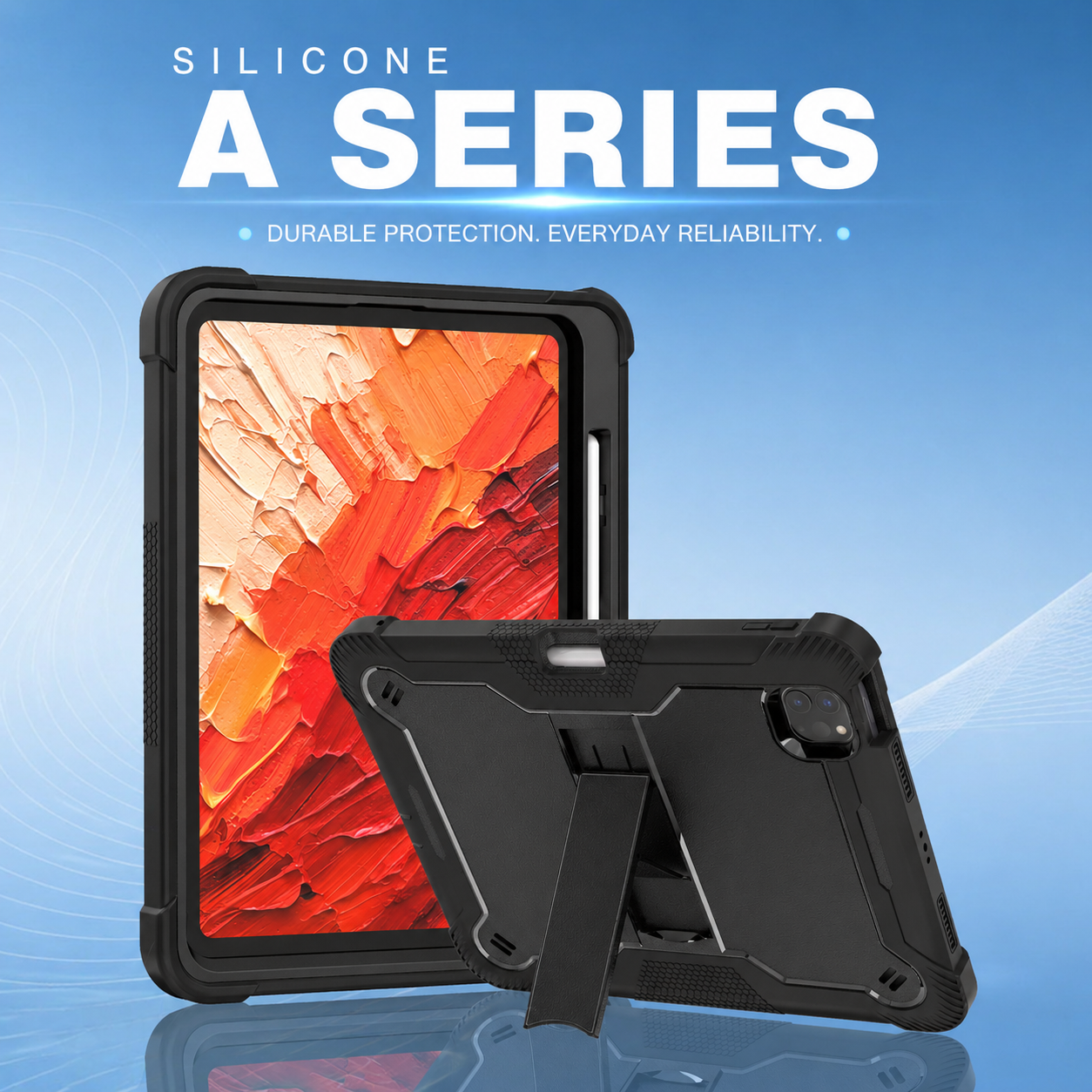
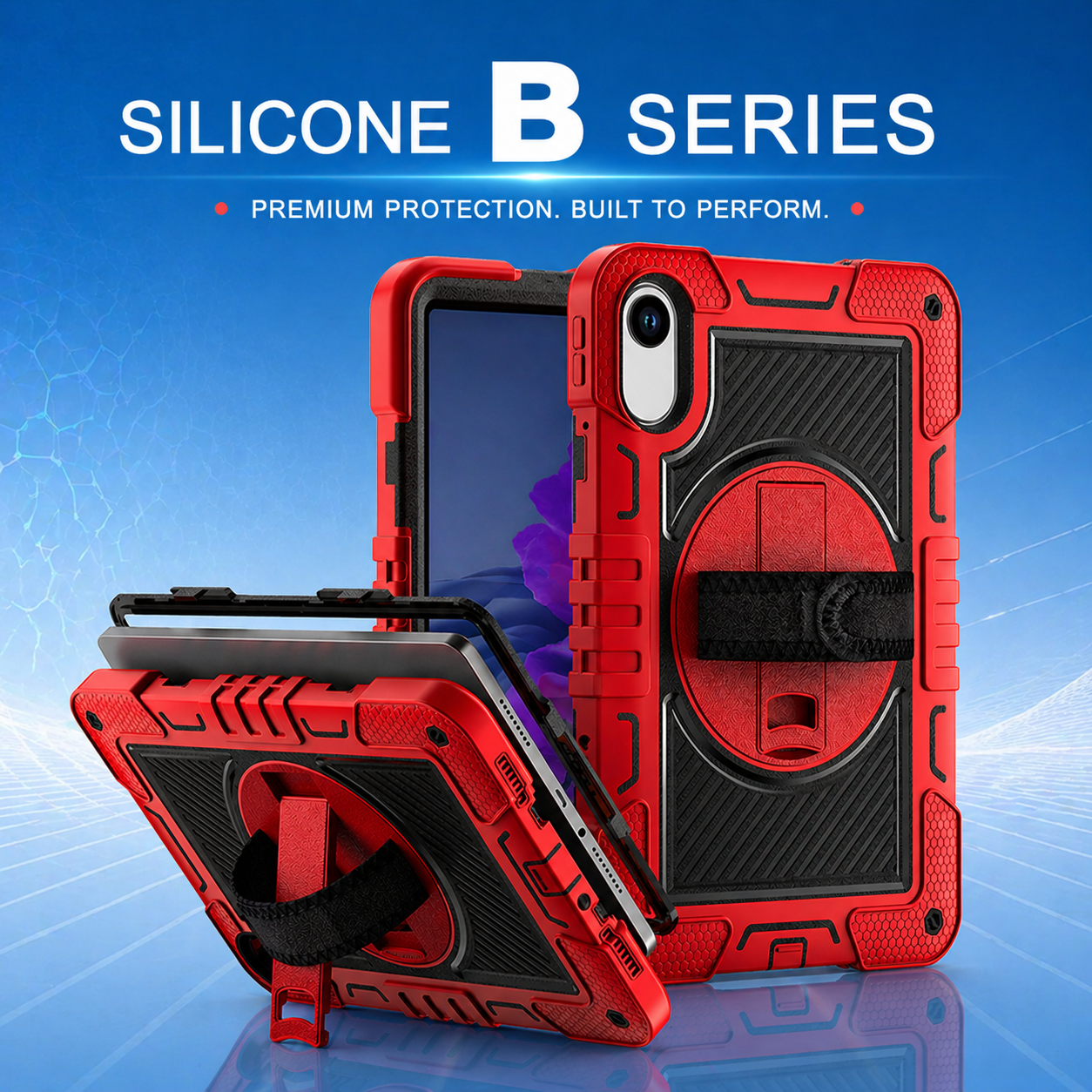
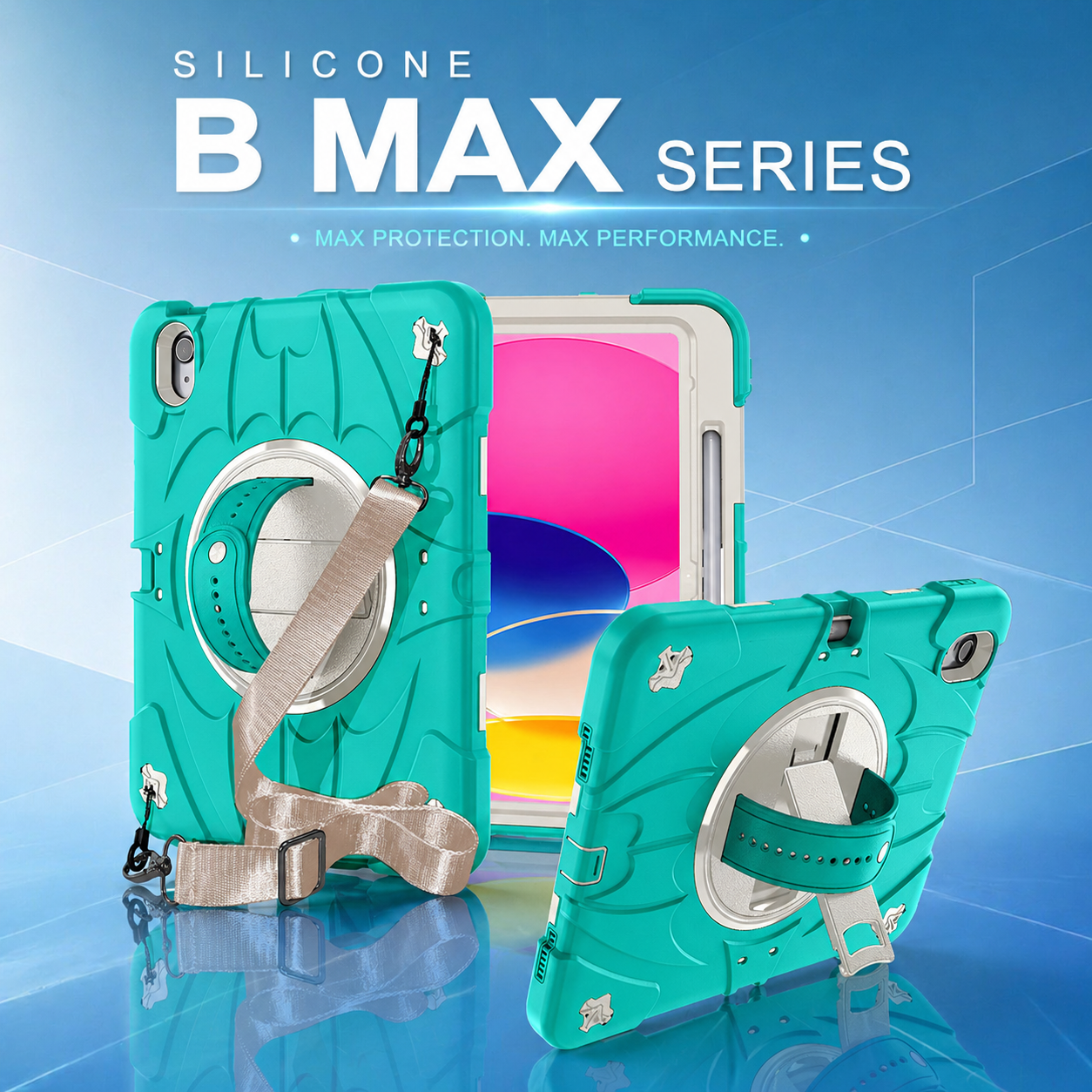
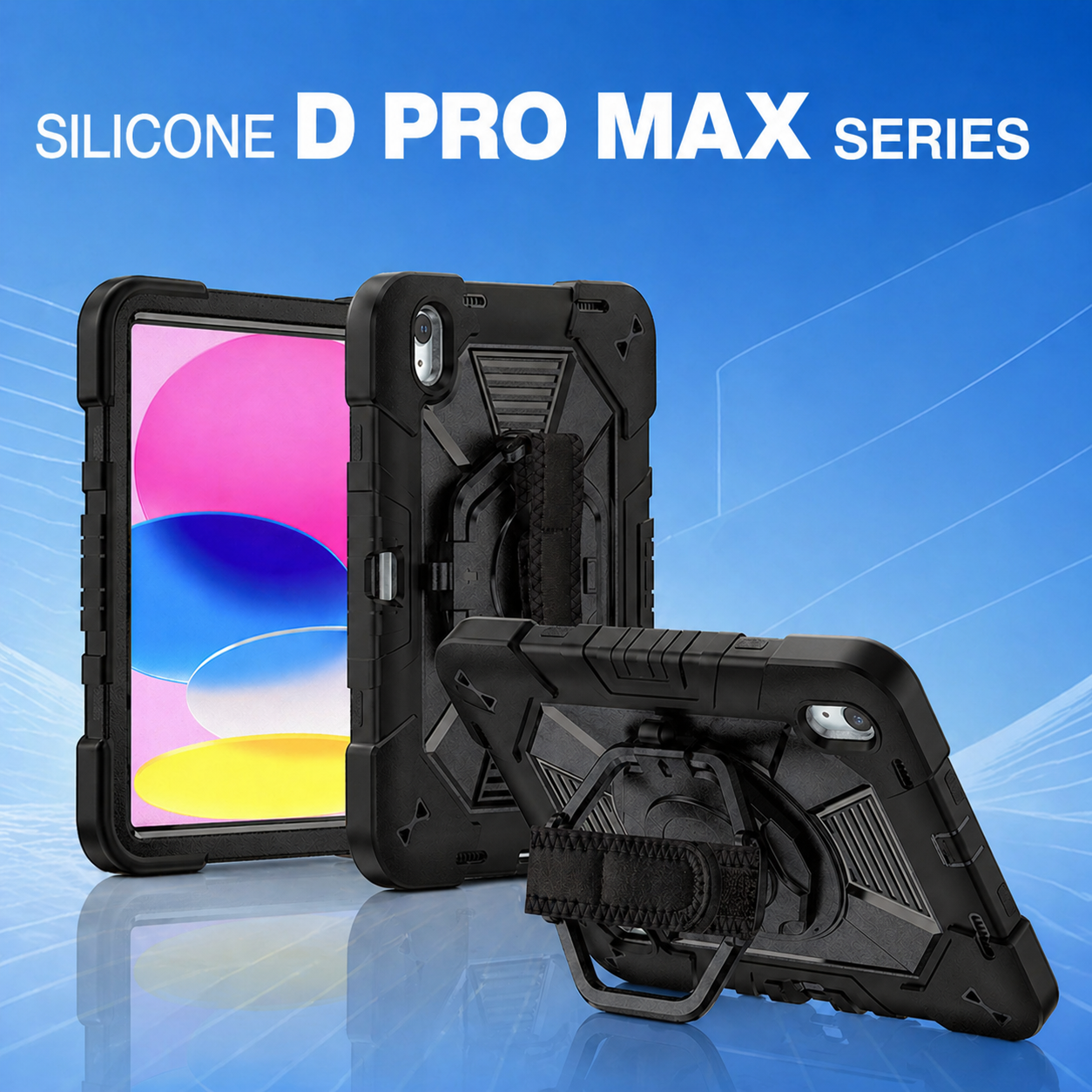
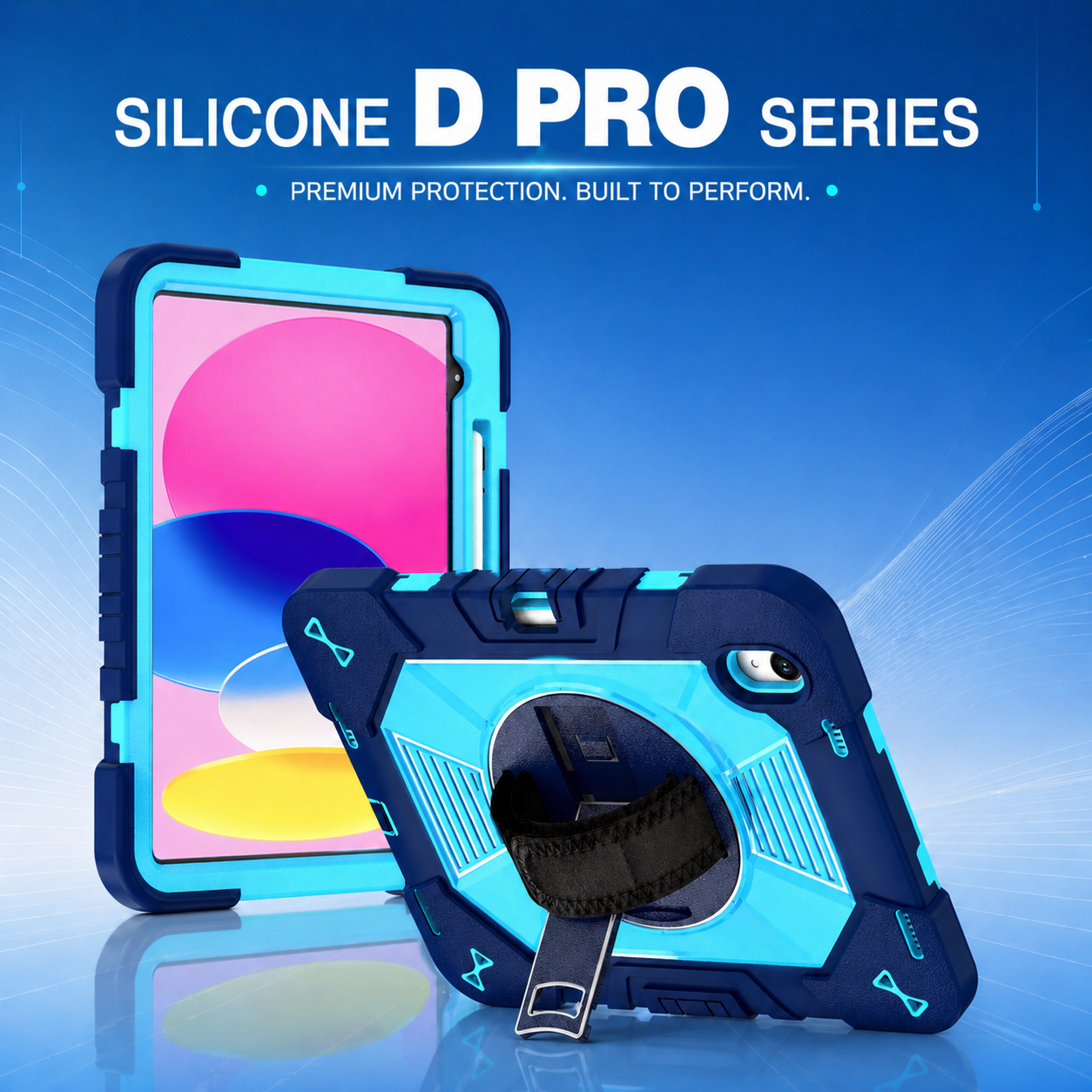
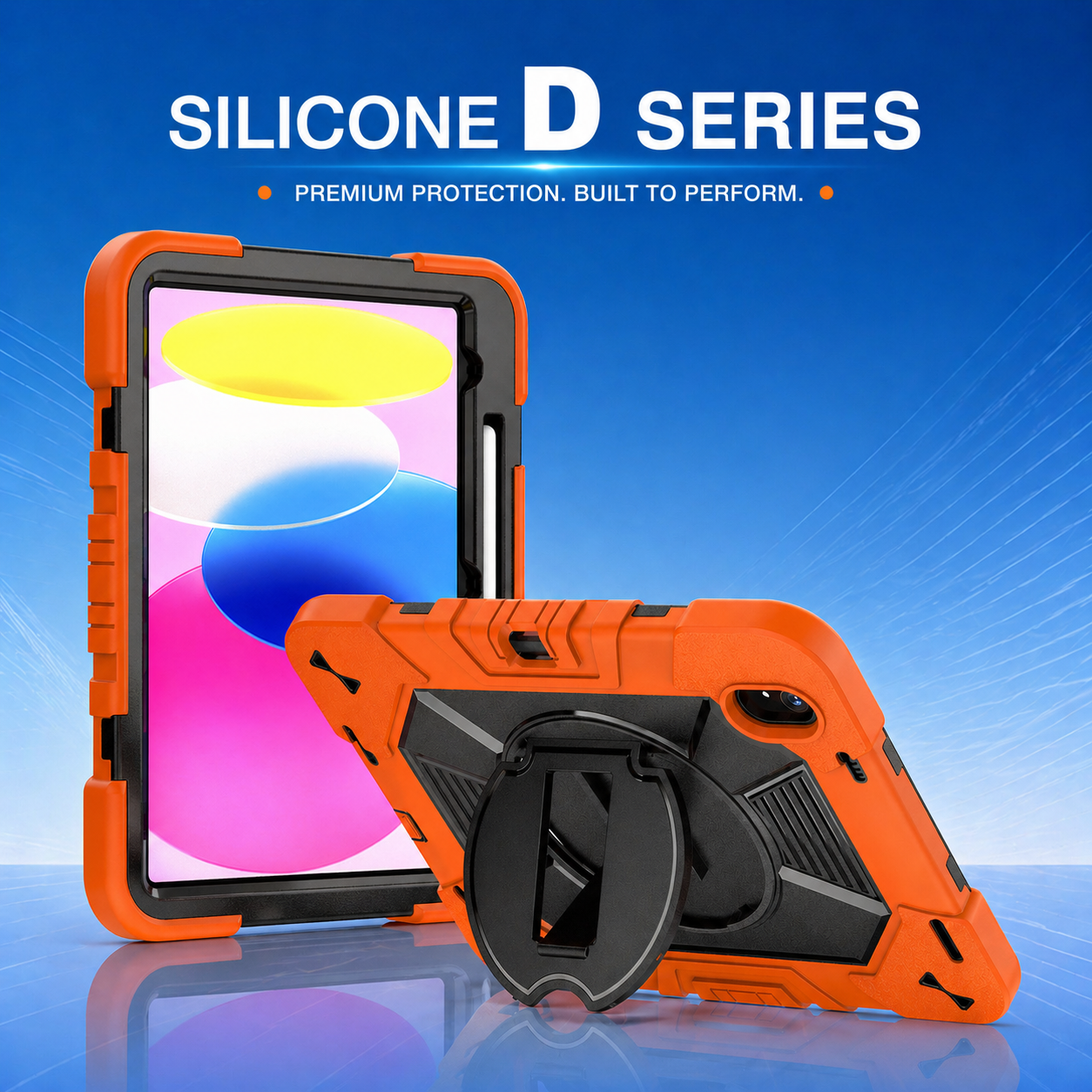
Because of these conditions, organizations often deploy a rugged tablet case to enhance device protection and ensure long-term reliability.
A rugged protective solution helps prevent costly repairs and minimizes downtime caused by damaged equipment. This is especially important in facilities where hundreds of tablets may be deployed across multiple shifts.
The combination of industrial-grade hardware and protective accessories significantly extends device lifespan and reduces total ownership costs.
Supporting Automation and Smart Operations
Smart warehouses increasingly depend on automation to improve efficiency and reduce labor-intensive tasks.
Industrial tablets allow employees to interact directly with automated systems, including:
Automated Guided Vehicles (AGVs)
Autonomous Mobile Robots (AMRs)
Conveyor control systems
RFID tracking solutions
Inventory management platforms
Workers can receive automated alerts, assign tasks, monitor equipment performance, and respond to operational issues in real time.
This seamless integration between people and technology is one of the defining characteristics of a smart warehouse.
The Value of Protective Accessories
As tablets become mission-critical tools, organizations are investing in advanced protective solutions to maximize reliability.
Many warehouse operators utilize a PC+Silicone tablet case because it combines two important protective materials:
Polycarbonate (PC) for structural strength
Silicone for shock absorption
This combination provides excellent resistance against drops and impacts while maintaining a comfortable grip for workers who use tablets throughout long shifts.
By reducing the risk of device damage, companies can lower maintenance expenses and improve operational continuity.
Protective accessories are increasingly viewed as an essential component of enterprise mobility strategies rather than optional add-ons.
Improving Worker Productivity
One of the biggest benefits of industrial tablets is their ability to improve workforce productivity.
Employees can:
Access task assignments instantly
Scan barcodes and inventory labels
Capture digital signatures
Update records in real time
Receive operational notifications
These capabilities eliminate unnecessary travel between workstations and reduce delays associated with manual paperwork.
As a result, workers spend more time performing productive activities and less time managing administrative tasks.
Enhancing Ergonomics and Usability
Warehouse employees often use tablets while standing, walking, or operating equipment. Therefore, usability is an important consideration when selecting protective accessories.
A multi angle kickstand tablet case provides flexible viewing positions that support various work scenarios.
For example, employees can:
Position tablets on workstations
Use hands-free viewing during inspections
Adjust screen angles for improved visibility
Display operational dashboards during team meetings
These features improve user comfort while enhancing overall productivity.
As warehouses continue implementing digital workflows, ergonomic accessories are becoming increasingly valuable for supporting employee efficiency.
Real-Time Visibility Across the Supply Chain
Smart warehouses depend on real-time information to make informed decisions.
Industrial tablets connected to cloud-based systems provide instant access to:
Inventory availability
Shipment tracking
Workforce performance metrics
Equipment status reports
Operational analytics
Managers can monitor activities across multiple facilities and identify issues before they impact customer service.
This visibility enables faster decision-making and improves overall supply chain performance.
Looking Ahead
The future of warehousing will be increasingly digital, automated, and connected. Industrial tablets will continue to play a central role in helping organizations manage complex operations while maintaining flexibility and efficiency.
As adoption rates surpass 65% by 2026, businesses that invest in industrial mobility solutions will gain significant competitive advantages through improved productivity, greater operational visibility, and enhanced workforce performance.
Combined with protective solutions such as a rugged tablet case, PC+Silicone tablet case, and multi angle kickstand tablet case, industrial tablets provide the durability, functionality, and usability required for the next generation of smart warehouse operations.





.png)
+86 13422271740
.png)
info@tongmeitech.com
.png)
No. 34, Mashe Section, Guihe Road, Lishui Town, Foshan, Guangdong, China