- 1
- BLACKL
- TABLETAPPLE iPad Mini 8NEW iPad A16(2025) iPad 10.9" 10th (2022) iPad 10.2" (7th/8th/9th) iPad Air 13" (M2/M3/M4)(2024/2025/2026)NEW iPad Air 11" (M2/M3/M4)(2024/2025/2026)NEW iPad Mini 8.3" (A7 Pro/6th Gen) iPad Pro13"(M4/M5)(2024/2025) iPad Pro11"(M4/M5)(2026) iPad 9.7" (5th/6th Gen) iPad Pro 12.9"(2018-2022) iPad Pro 11"(2018-2022) iPad 9.7"(2th/3th/4th) iPad Air 10.9"(4th/5th Gen) iPad Mini 7.9"(4th/5th Gen)SAMSUNG Galaxy Tab A11 Galaxy Tab A11 Plus Galaxy Tab S11 Galaxy Tab S12 PlusNEW Galaxy Tab S12 UltraNEW Galaxy Tab A9+ Galaxy Tab A9 Galaxy Tab A8 Galaxy Tab A7 Galaxy Tab A7 Lite Galaxy Tab S11 Ultra/S10 Ultra/S9 Ultra/S8 Ultra Galaxy Tab S10+/S9+/S9 FE+ Galaxy Tab S10Lite/S10 FE/S9 FE/S9 Galaxy Tab S8+/S7+/S7 FE Galaxy Tab S8/S7 Galaxy Tab S6 lite Galaxy Tab A10.1 Galaxy Tab A8.4 Galaxy Tab A8.0 Galaxy Tab S10 FE+LENOVO iDea tab 11/Tab K11 Gen 2 /Xiaoxin Pad 11 2025 Lenovo Tab K9 (Tab One) 2025 Lenovo Tab M10 10.1"(2025) Lenovo Tab M10 Plus 10.6" (3rd Gen) Lenovo Tab M10 HD 10.1" (3rd Gen) Lenovo K10/M10 Plus 10.3" (2nd Gen) Lenovo Tab M10 HD 10.1" (2nd Gen)XIAOMI Redmi Pad 2 9.7 InchNEW Xiaomi Pad8/8Pro 11.2" Redmi Pad2/Pad2.4G Xiaomi Pad 6/6 Pro 11" Redmi Pad 10.61" Redmi Pad Se 11" Redmi pad Se 4G 8.7" Xiaomi Pad7/7 Pro 11.2" Redmi Pad Pro/Xiaomi Poco Pad/Redmi Pad2 Pro 12.1HUAWEI Huawei Matepad Se 10.4" Huawei Matepad 11" Huawei Matepad 11.5" Huawei Matepad SE 11" Huawei Matepad T8 8" Huawei Matepad T10 9.7"
- CATEGORIES






Digital Logistics Transformation and the Rise of Industrial Tablets
The logistics industry is undergoing one of the most significant technological transformations in its history. Driven by the rapid growth of e-commerce, increasing customer expectations, labor shortages, and the need for real-time operational visibility, companies are investing heavily in digital solutions that improve efficiency and productivity. Among these technologies, industrial tablets have emerged as a critical tool for modern logistics operations. Industry experts predict that by 2026, industrial-grade tablet adoption across warehouses, transportation fleets, and distribution centers will exceed 65%, making them a standard component of supply chain infrastructure.
The Shift Toward Digital Logistics
Traditional logistics operations relied heavily on paper documentation, desktop terminals, and manual data entry processes. While these methods served businesses for many years, they often resulted in delays, errors, and limited visibility across the supply chain.
Today, logistics companies require real-time information to make faster decisions and respond to constantly changing market conditions. Industrial tablets provide mobile access to warehouse management systems (WMS), transportation management systems (TMS), inventory databases, and cloud-based analytics platforms. Employees can update records instantly, access shipment information, and communicate with team members without returning to fixed workstations.
This mobility enables organizations to streamline workflows, reduce errors, and improve customer satisfaction.
Why Industrial Tablets Are Becoming Essential
Industrial tablets combine powerful computing capabilities with portability and durability. Unlike consumer-grade devices, industrial tablets are specifically designed to operate in challenging environments such as warehouses, manufacturing facilities, distribution centers, and transportation hubs.
Their rugged construction allows them to withstand drops, vibration, dust exposure, and temperature fluctuations. As a result, they are well-suited for workers who spend long hours moving throughout large facilities.
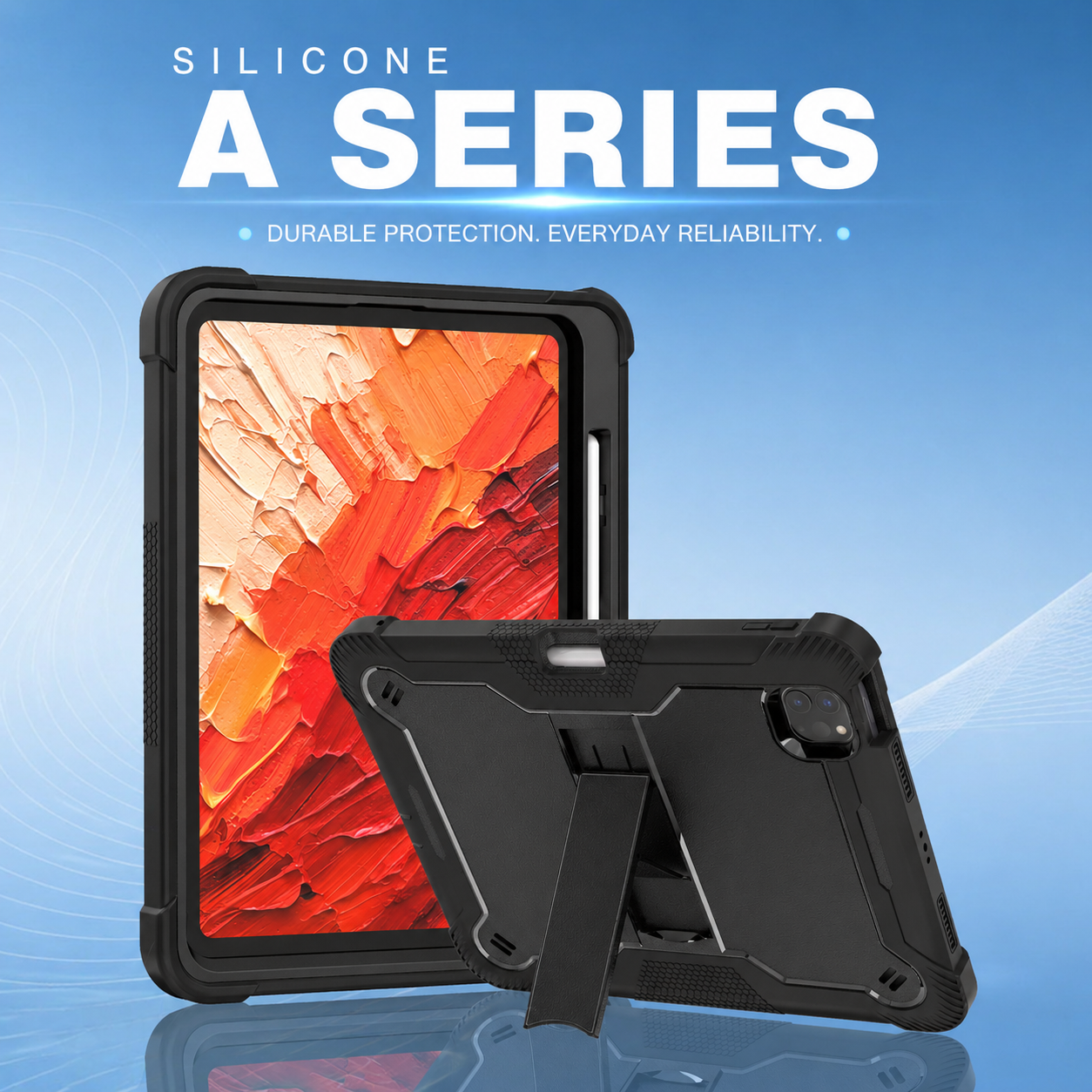
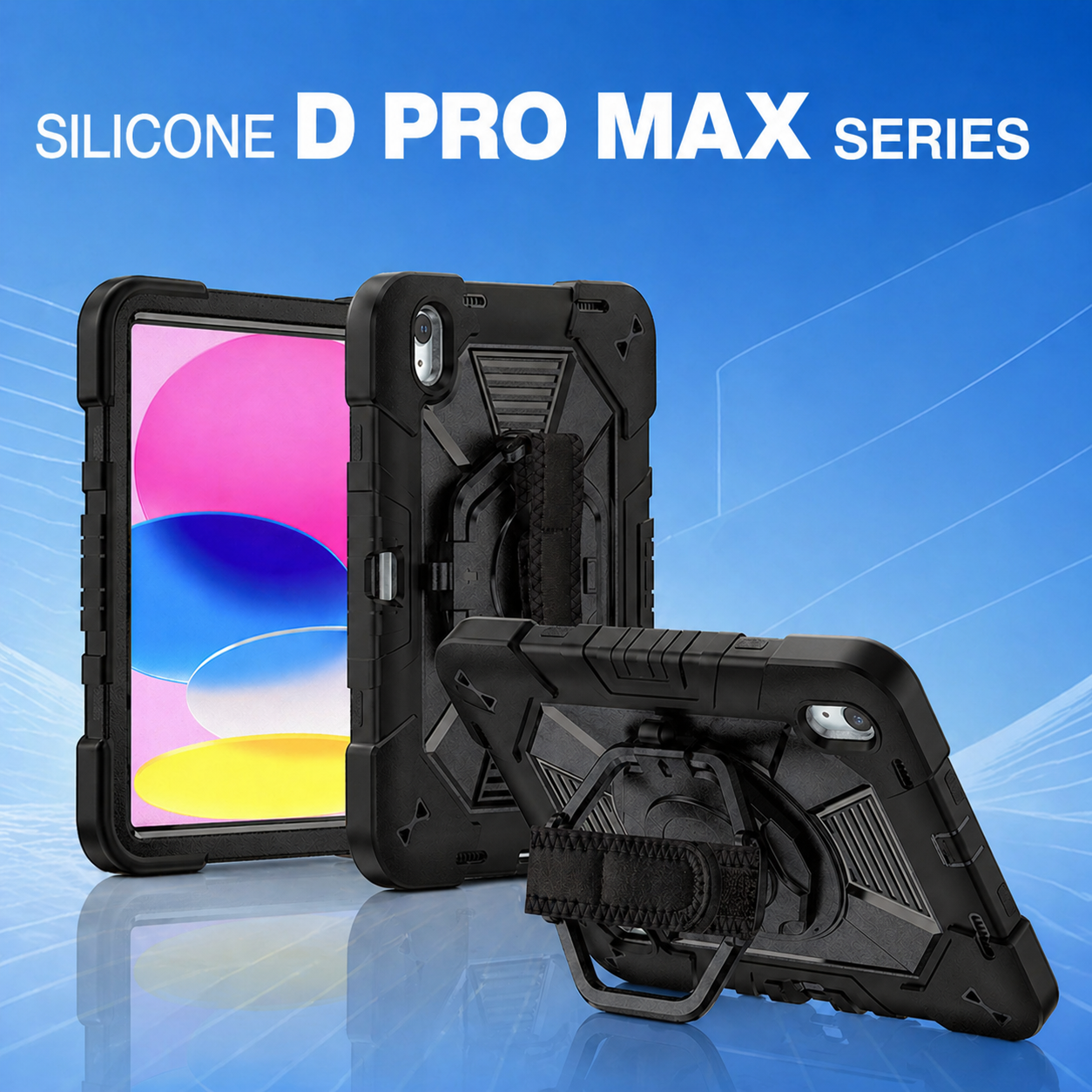
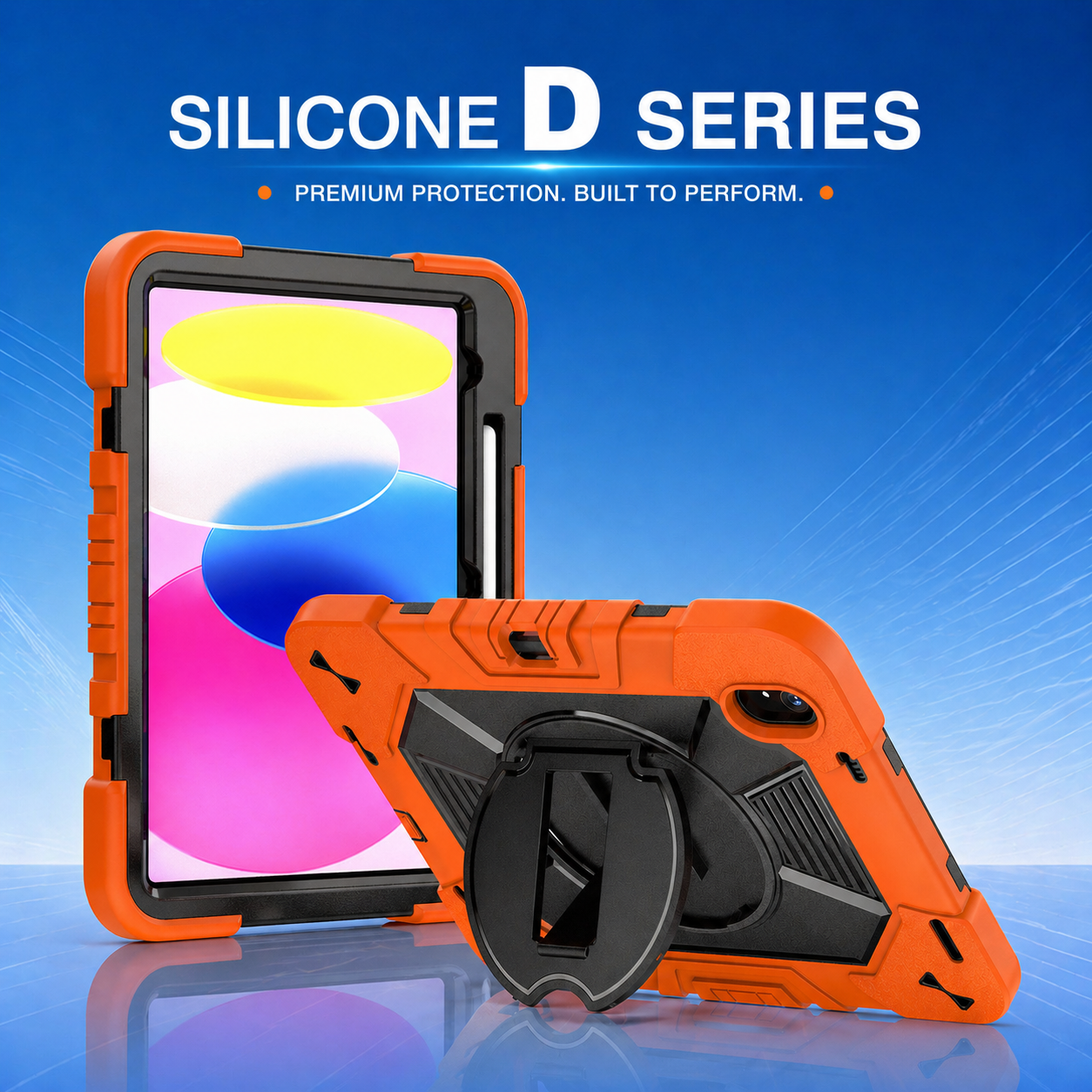
Companies increasingly deploy a rugged tablet case to provide an additional layer of protection. These cases help prevent damage caused by accidental drops and daily wear, ensuring devices remain operational even in demanding environments.
The ability to integrate barcode scanners, RFID readers, GPS tracking systems, and IoT sensors further enhances the value of industrial tablets within logistics operations.
Improving Warehouse Efficiency
One of the primary reasons organizations are investing in industrial tablets is their ability to improve warehouse productivity.
Workers can use tablets to:
Access inventory data instantly
Process orders in real time
Perform cycle counts
Track shipments
Monitor stock levels
Manage replenishment tasks
By eliminating paper-based processes, organizations reduce administrative workload and minimize human error. Real-time synchronization also ensures that all departments are working with the same data, improving operational accuracy.
As warehouse automation continues to expand, industrial tablets serve as a critical interface between employees and automated systems. Workers can monitor equipment performance, receive alerts, and manage workflows directly from their devices.
The Importance of Device Protection
Industrial tablets represent a significant investment for logistics organizations. Protecting these devices is essential to maximizing return on investment and minimizing operational disruptions.
Many companies utilize a 3 layers heavy duty rugged tablet case to safeguard devices from harsh conditions. These protective solutions typically combine multiple materials to absorb impact and enhance durability.
A three-layer design often includes:
A hard polycarbonate outer shell
Shock-absorbing silicone protection
Reinforced corner protection
This structure helps protect tablets from drops, vibration, and accidental impacts commonly encountered in warehouse and transportation environments.
Organizations that invest in robust protection solutions often experience lower maintenance costs and longer device lifecycles.
Enhanced Mobility for Logistics Teams
Mobility is one of the defining characteristics of modern logistics operations. Warehouse employees, drivers, supervisors, and field technicians all require immediate access to information regardless of their location.
Industrial tablets enable mobile workers to:
View delivery schedules
Capture electronic signatures
Update shipment status
Access route information
Communicate with dispatch teams
This connectivity improves response times and allows organizations to adapt quickly to operational changes.
To further improve device durability, many enterprises select a PC+Silicone tablet case that combines rigid structural support with flexible shock absorption. This hybrid design provides excellent protection while maintaining ease of use.
As mobile workflows become increasingly important, protective accessories play a key role in ensuring device reliability.
Cloud Integration and Real-Time Visibility
Cloud technology is another major factor driving industrial tablet adoption.
By connecting tablets to cloud-based platforms, organizations gain access to:
Real-time inventory tracking
Predictive analytics
Operational dashboards
Automated reporting
Workforce management tools
Managers can monitor performance across multiple facilities and make data-driven decisions more effectively.
Real-time visibility helps organizations identify bottlenecks, optimize inventory levels, and improve overall supply chain performance.
Future Outlook for 2026
The logistics sector is expected to continue investing in digital transformation initiatives throughout the coming years. Growing customer expectations, increasing operational complexity, and competitive pressures are encouraging companies to modernize their technology infrastructure.
Industrial tablets will remain at the center of these efforts because they provide the mobility, connectivity, and flexibility required for modern supply chain operations.
As adoption rates surpass 65% by 2026, organizations that embrace industrial mobility solutions will be better positioned to improve efficiency, reduce operational costs, and maintain a competitive advantage.
The combination of advanced software platforms, rugged hardware, and protective solutions such as a rugged tablet case, 3 layers heavy duty rugged tablet case, and PC+Silicone tablet case will continue to support the next generation of logistics innovation.





.png)
+86 13422271740
.png)
info@tongmeitech.com
.png)
No. 34, Mashe Section, Guihe Road, Lishui Town, Foshan, Guangdong, China