- 1
- BLACKL
- TABLETAPPLE iPad Mini 8NEW iPad A16(2025) iPad 10.9" 10th (2022) iPad 10.2" (7th/8th/9th) iPad Air 13" (M2/M3/M4)(2024/2025/2026)NEW iPad Air 11" (M2/M3/M4)(2024/2025/2026)NEW iPad Mini 8.3" (A7 Pro/6th Gen) iPad Pro13"(M4/M5)(2024/2025) iPad Pro11"(M4/M5)(2026) iPad 9.7" (5th/6th Gen) iPad Pro 12.9"(2018-2022) iPad Pro 11"(2018-2022) iPad 9.7"(2th/3th/4th) iPad Air 10.9"(4th/5th Gen) iPad Mini 7.9"(4th/5th Gen)SAMSUNG Galaxy Tab A11 Galaxy Tab A11 Plus Galaxy Tab S11 Galaxy Tab S12 PlusNEW Galaxy Tab S12 UltraNEW Galaxy Tab A9+ Galaxy Tab A9 Galaxy Tab A8 Galaxy Tab A7 Galaxy Tab A7 Lite Galaxy Tab S11 Ultra/S10 Ultra/S9 Ultra/S8 Ultra Galaxy Tab S10+/S9+/S9 FE+ Galaxy Tab S10Lite/S10 FE/S9 FE/S9 Galaxy Tab S8+/S7+/S7 FE Galaxy Tab S8/S7 Galaxy Tab S6 lite Galaxy Tab A10.1 Galaxy Tab A8.4 Galaxy Tab A8.0 Galaxy Tab S10 FE+LENOVO iDea tab 11/Tab K11 Gen 2 /Xiaoxin Pad 11 2025 Lenovo Tab K9 (Tab One) 2025 Lenovo Tab M10 10.1"(2025) Lenovo Tab M10 Plus 10.6" (3rd Gen) Lenovo Tab M10 HD 10.1" (3rd Gen) Lenovo K10/M10 Plus 10.3" (2nd Gen) Lenovo Tab M10 HD 10.1" (2nd Gen)XIAOMI Redmi Pad 2 9.7 InchNEW Xiaomi Pad8/8Pro 11.2" Redmi Pad2/Pad2.4G Xiaomi Pad 6/6 Pro 11" Redmi Pad 10.61" Redmi Pad Se 11" Redmi pad Se 4G 8.7" Xiaomi Pad7/7 Pro 11.2" Redmi Pad Pro/Xiaomi Poco Pad/Redmi Pad2 Pro 12.1HUAWEI Huawei Matepad Se 10.4" Huawei Matepad 11" Huawei Matepad 11.5" Huawei Matepad SE 11" Huawei Matepad T8 8" Huawei Matepad T10 9.7"
- CATEGORIES






Warehouse Mobility Strategies for 2026 and Beyond
The warehousing and logistics industry is entering a new era of mobility-driven operations. As global supply chains become increasingly complex and customer expectations continue to rise, organizations are investing heavily in technologies that improve efficiency, visibility, and responsiveness. Among these technologies, industrial tablets have emerged as a critical component of modern warehouse mobility strategies.
Industry forecasts indicate that by 2026, industrial-grade tablet adoption across warehousing and logistics environments will exceed 65%. This rapid growth reflects the increasing importance of mobile access to operational data, real-time communication, and digital workflow management. Companies that successfully implement warehouse mobility strategies will be better positioned to improve productivity, reduce operational costs, and maintain a competitive advantage in an increasingly digital marketplace.
The Evolution of Warehouse Mobility
Traditional warehouses relied heavily on fixed computer terminals, paper-based documentation, and manual processes. While these systems supported operations for many years, they often created bottlenecks that slowed productivity and limited visibility.
Modern warehouses require employees to access information instantly while moving throughout facilities. Whether performing inventory checks, processing orders, managing shipments, or monitoring warehouse equipment, workers need mobile tools that allow them to stay connected at all times.
Industrial tablets have become the preferred solution because they combine portability, powerful computing capabilities, and durability. Unlike traditional workstations, tablets enable employees to perform tasks directly at the point of activity, reducing delays and improving operational accuracy.
This shift toward mobility is one of the primary reasons warehouse technology investment continues to accelerate worldwide.
Real-Time Data Access Drives Efficiency
One of the most important benefits of warehouse mobility is access to real-time information.
Industrial tablets connected to warehouse management systems (WMS) allow employees to:
View inventory levels instantly
Update stock records in real time
Process inbound shipments
Monitor order fulfillment
Access operational dashboards
Track warehouse performance metrics
Real-time visibility enables organizations to respond quickly to changing conditions and make informed decisions based on accurate data.
When employees can access information immediately, they spend less time searching for data and more time performing productive work.
This improved efficiency directly contributes to higher throughput and better customer service.
Industrial Tablets as the Foundation of Mobility
Industrial tablets have become the central platform supporting warehouse mobility initiatives.
Unlike consumer devices, industrial tablets are designed specifically for demanding work environments. They offer:
Rugged construction
Extended battery life
Wireless connectivity
Barcode scanning integration
RFID compatibility
Cloud platform access
These capabilities make industrial tablets suitable for a wide range of warehouse activities, from receiving and inventory management to shipping and transportation coordination.
As organizations continue modernizing their facilities, industrial tablets are increasingly replacing legacy handheld devices and paper-based workflows.
The Growing Importance of Device Protection
While mobility delivers significant operational benefits, it also introduces new challenges.
Warehouse employees frequently carry tablets while walking, climbing, loading products, and operating equipment. These activities increase the risk of accidental drops, impacts, and exposure to harsh conditions.
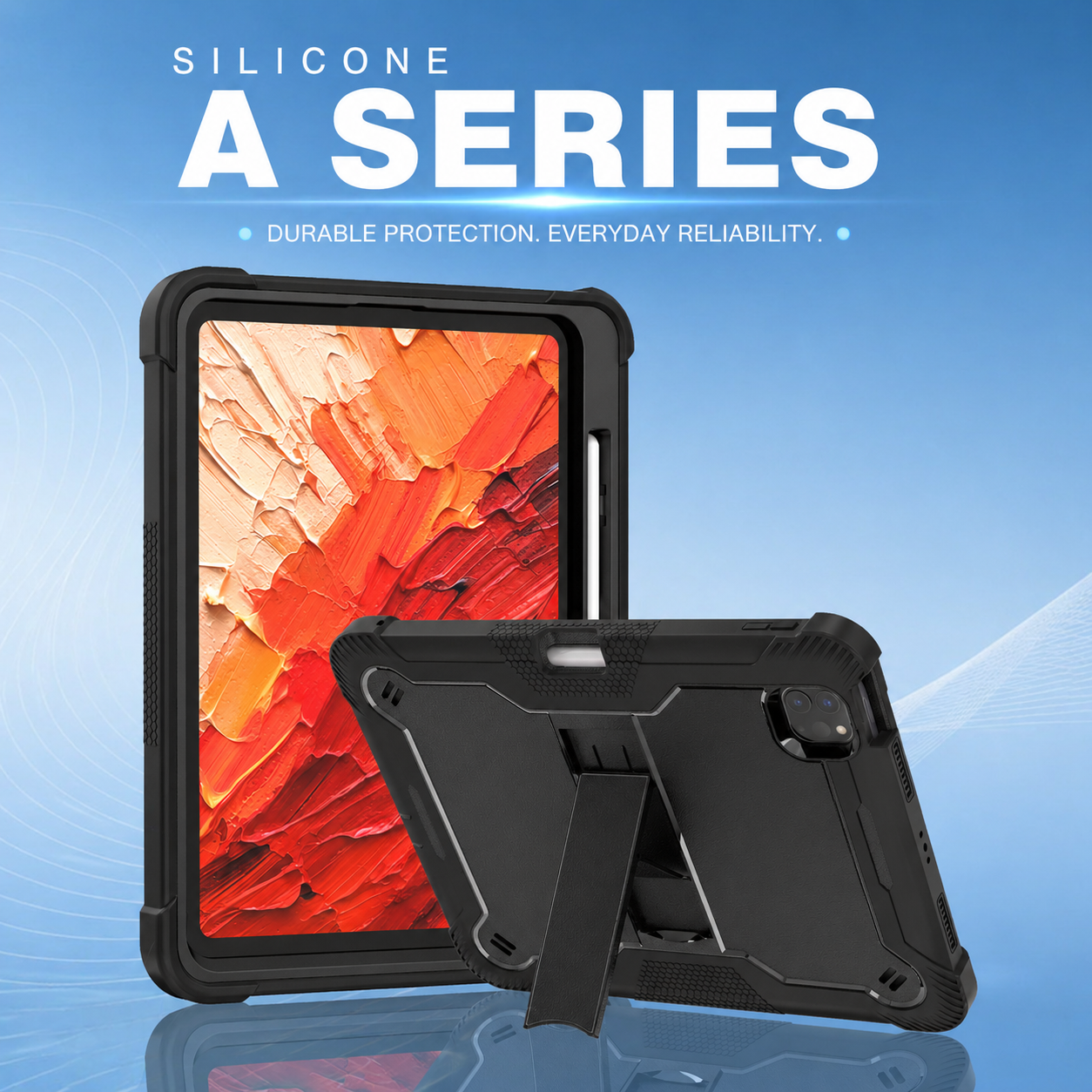
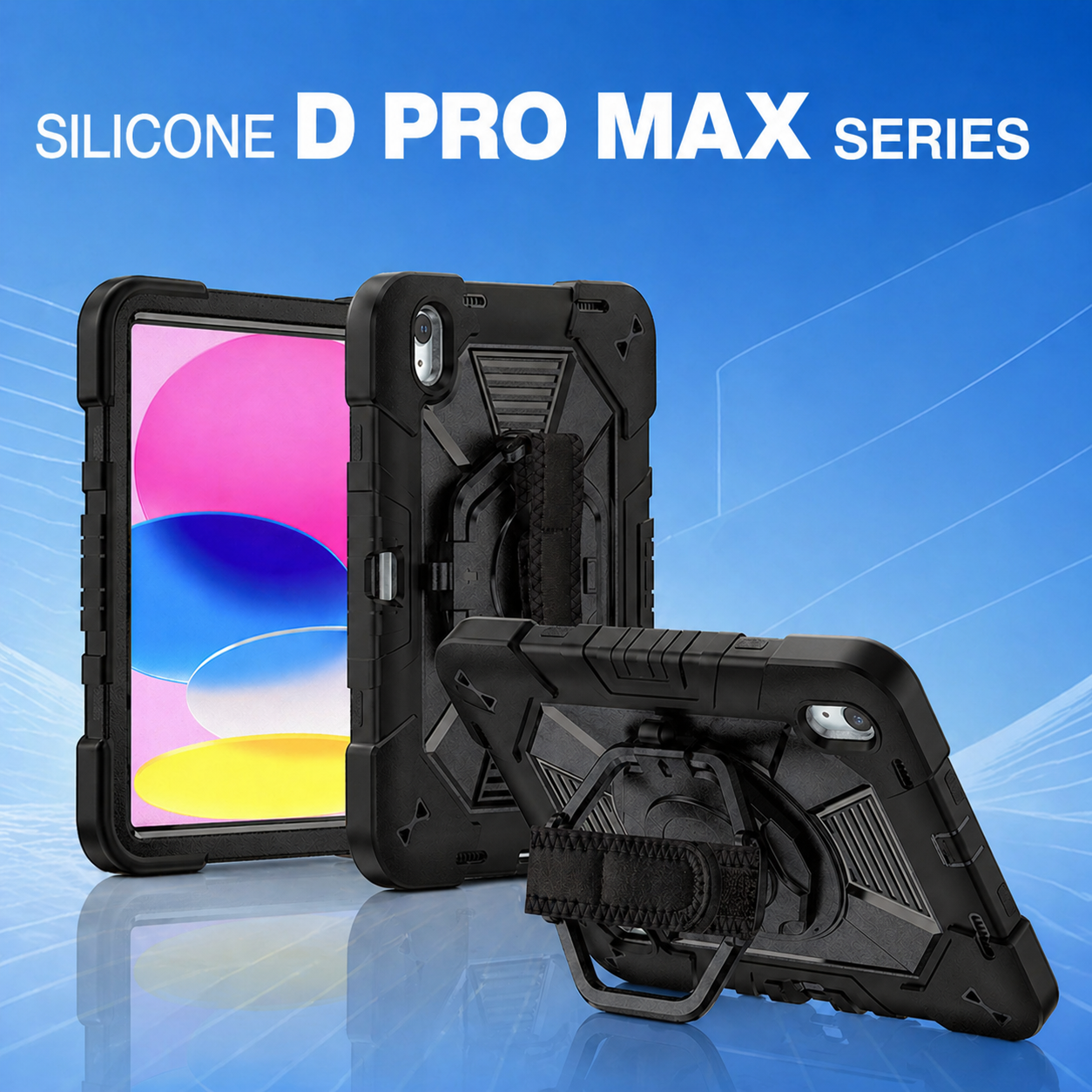
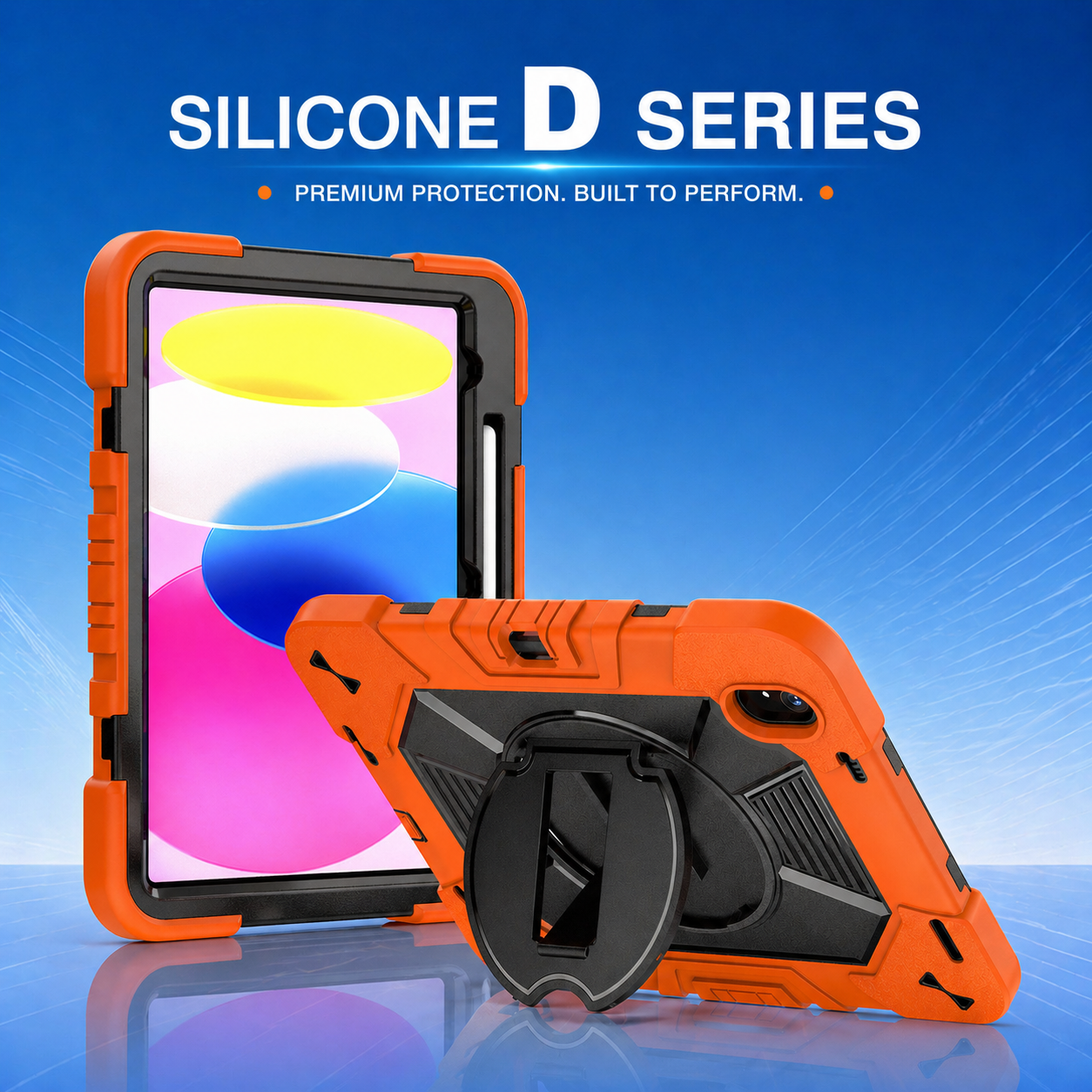
To address these risks, many organizations deploy a heavy duty rugged case designed specifically for industrial environments.
A heavy-duty protective solution helps shield devices from:
Accidental drops
Forklift vibration
Warehouse dust
Equipment collisions
Daily wear and tear
By reducing damage-related downtime, businesses can improve operational continuity and lower replacement costs.
Protective accessories have become an essential component of successful mobility strategies rather than simply an optional upgrade.
Supporting Long-Term Device Reliability
As industrial tablet deployments expand across multiple facilities, organizations are increasingly focused on maximizing hardware lifespan.
Many warehouse operators utilize a full body protective tablet case that provides comprehensive coverage for both the device and its most vulnerable components.
These protective solutions often include:
Reinforced corners
Screen protection
Port covers
Shock-absorbing materials
Anti-slip surfaces
Comprehensive protection helps ensure devices remain functional even in demanding environments where equipment is used continuously throughout multiple shifts.
Longer device lifecycles result in lower total cost of ownership and improved return on technology investments.
Cloud-Based Mobility Platforms
Cloud computing is another major factor driving warehouse mobility adoption.
Cloud-connected industrial tablets allow organizations to centralize data management while providing employees with immediate access to information.
Benefits of cloud integration include:
Real-time inventory synchronization
Automated reporting
Remote system updates
Multi-site visibility
Improved collaboration
Managers can monitor operations across multiple warehouses while employees access the same information regardless of location.
This level of connectivity improves coordination and helps organizations maintain consistent operational standards throughout their logistics networks.
Mobility and Workforce Productivity
Labor shortages continue to challenge warehouses around the world.
As a result, companies are focusing on technologies that help employees work more efficiently.
Industrial tablets support workforce productivity by enabling workers to:
Complete tasks faster
Reduce paperwork
Access digital instructions
Communicate instantly
Minimize travel between workstations
These improvements help organizations accomplish more with existing staff while reducing operational inefficiencies.
In many facilities, industrial tablets protected by a rugged tablet case have become standard equipment for warehouse associates, supervisors, and logistics managers.
The combination of mobility and durability allows employees to remain productive throughout demanding work shifts.
The Role of AI and IoT
Warehouse mobility strategies are increasingly integrated with artificial intelligence and Internet of Things technologies.
Industrial tablets serve as a bridge between employees and intelligent systems that provide:
Predictive inventory insights
Equipment monitoring
Automated task allocation
Route optimization
Operational analytics
Workers receive real-time recommendations and alerts that help improve decision-making and operational performance.
As AI capabilities continue advancing, industrial tablets will play an even larger role in supporting intelligent warehouse operations.
Preparing for 2026 and Beyond
The future of warehousing will be defined by mobility, connectivity, automation, and data-driven decision-making.
Organizations that invest in comprehensive mobility strategies today will be better prepared to meet future operational demands.
By combining industrial tablets with protective solutions such as a heavy duty rugged case, full body protective tablet case, and rugged tablet case, businesses can create reliable mobile ecosystems that support productivity and long-term growth.
With industrial tablet penetration expected to exceed 65% by 2026, warehouse mobility is no longer a future concept—it is rapidly becoming the standard operating model for modern logistics organizations.
Companies that embrace this transformation will gain the flexibility, efficiency, and visibility required to succeed in the next generation of supply chain management.





.png)
+86 13422271740
.png)
info@tongmeitech.com
.png)
No. 34, Mashe Section, Guihe Road, Lishui Town, Foshan, Guangdong, China