- 1
- BLACKL
- TABLETAPPLE iPad Mini 8NEW iPad A16(2025) iPad 10.9" 10th (2022) iPad 10.2" (7th/8th/9th) iPad Air 13" (M2/M3/M4)(2024/2025/2026)NEW iPad Air 11" (M2/M3/M4)(2024/2025/2026)NEW iPad Mini 8.3" (A7 Pro/6th Gen) iPad Pro13"(M4/M5)(2024/2025) iPad Pro11"(M4/M5)(2026) iPad 9.7" (5th/6th Gen) iPad Pro 12.9"(2018-2022) iPad Pro 11"(2018-2022) iPad 9.7"(2th/3th/4th) iPad Air 10.9"(4th/5th Gen) iPad Mini 7.9"(4th/5th Gen)SAMSUNG Galaxy Tab A11 Galaxy Tab A11 Plus Galaxy Tab S11 Galaxy Tab S12 PlusNEW Galaxy Tab S12 UltraNEW Galaxy Tab A9+ Galaxy Tab A9 Galaxy Tab A8 Galaxy Tab A7 Galaxy Tab A7 Lite Galaxy Tab S11 Ultra/S10 Ultra/S9 Ultra/S8 Ultra Galaxy Tab S10+/S9+/S9 FE+ Galaxy Tab S10Lite/S10 FE/S9 FE/S9 Galaxy Tab S8+/S7+/S7 FE Galaxy Tab S8/S7 Galaxy Tab S6 lite Galaxy Tab A10.1 Galaxy Tab A8.4 Galaxy Tab A8.0 Galaxy Tab S10 FE+LENOVO iDea tab 11/Tab K11 Gen 2 /Xiaoxin Pad 11 2025 Lenovo Tab K9 (Tab One) 2025 Lenovo Tab M10 10.1"(2025) Lenovo Tab M10 Plus 10.6" (3rd Gen) Lenovo Tab M10 HD 10.1" (3rd Gen) Lenovo K10/M10 Plus 10.3" (2nd Gen) Lenovo Tab M10 HD 10.1" (2nd Gen)XIAOMI Redmi Pad 2 9.7 InchNEW Xiaomi Pad8/8Pro 11.2" Redmi Pad2/Pad2.4G Xiaomi Pad 6/6 Pro 11" Redmi Pad 10.61" Redmi Pad Se 11" Redmi pad Se 4G 8.7" Xiaomi Pad7/7 Pro 11.2" Redmi Pad Pro/Xiaomi Poco Pad/Redmi Pad2 Pro 12.1HUAWEI Huawei Matepad Se 10.4" Huawei Matepad 11" Huawei Matepad 11.5" Huawei Matepad SE 11" Huawei Matepad T8 8" Huawei Matepad T10 9.7"
- CATEGORIES
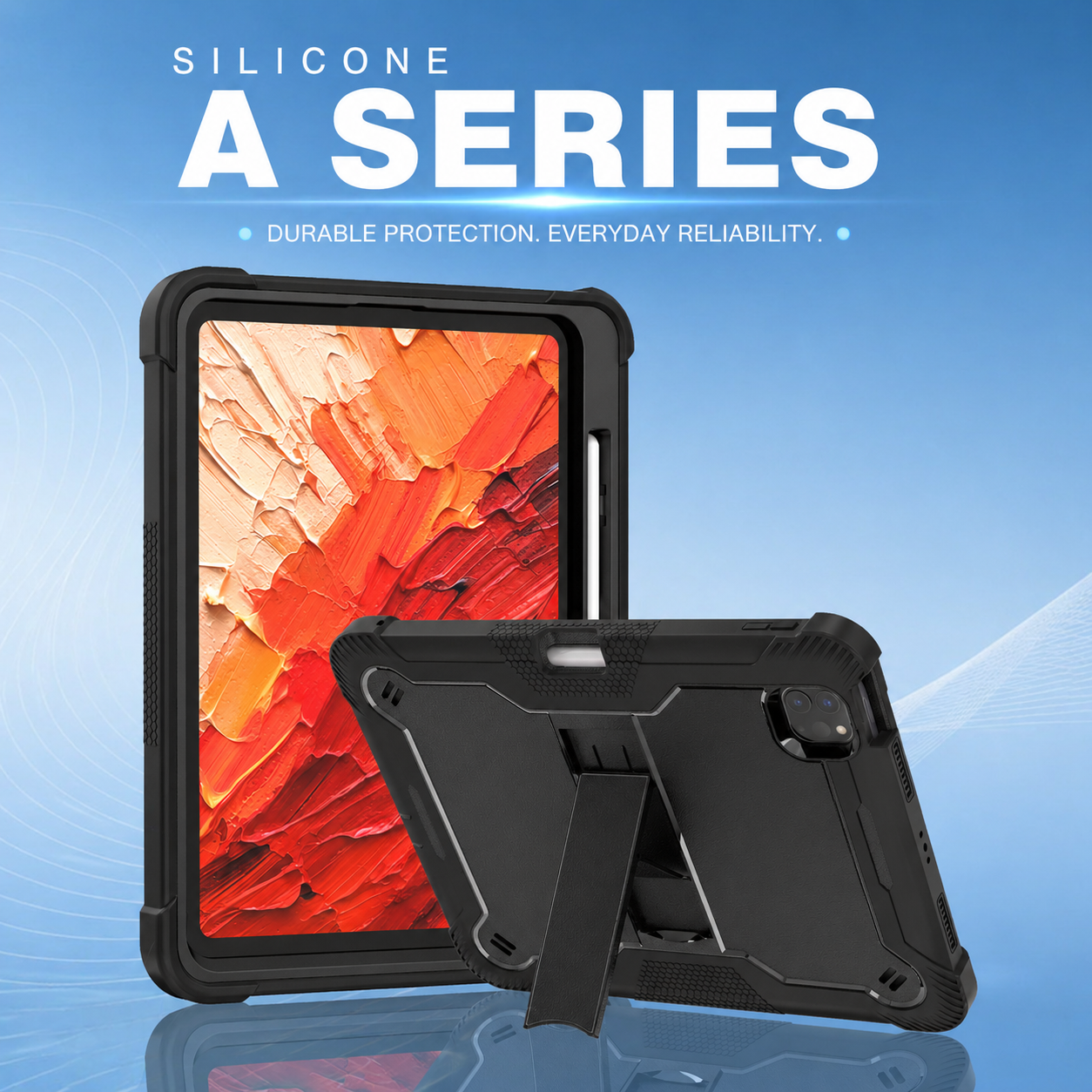
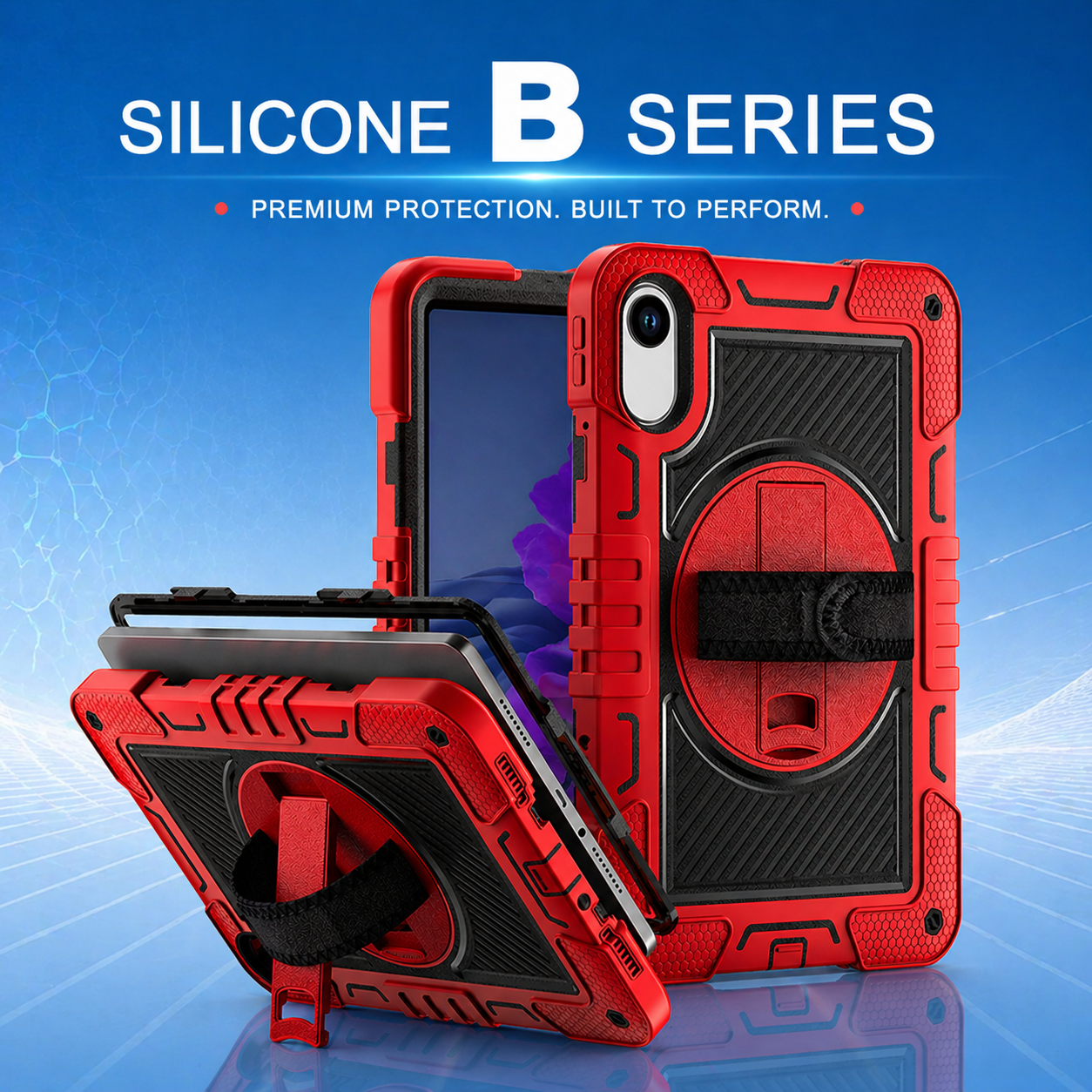
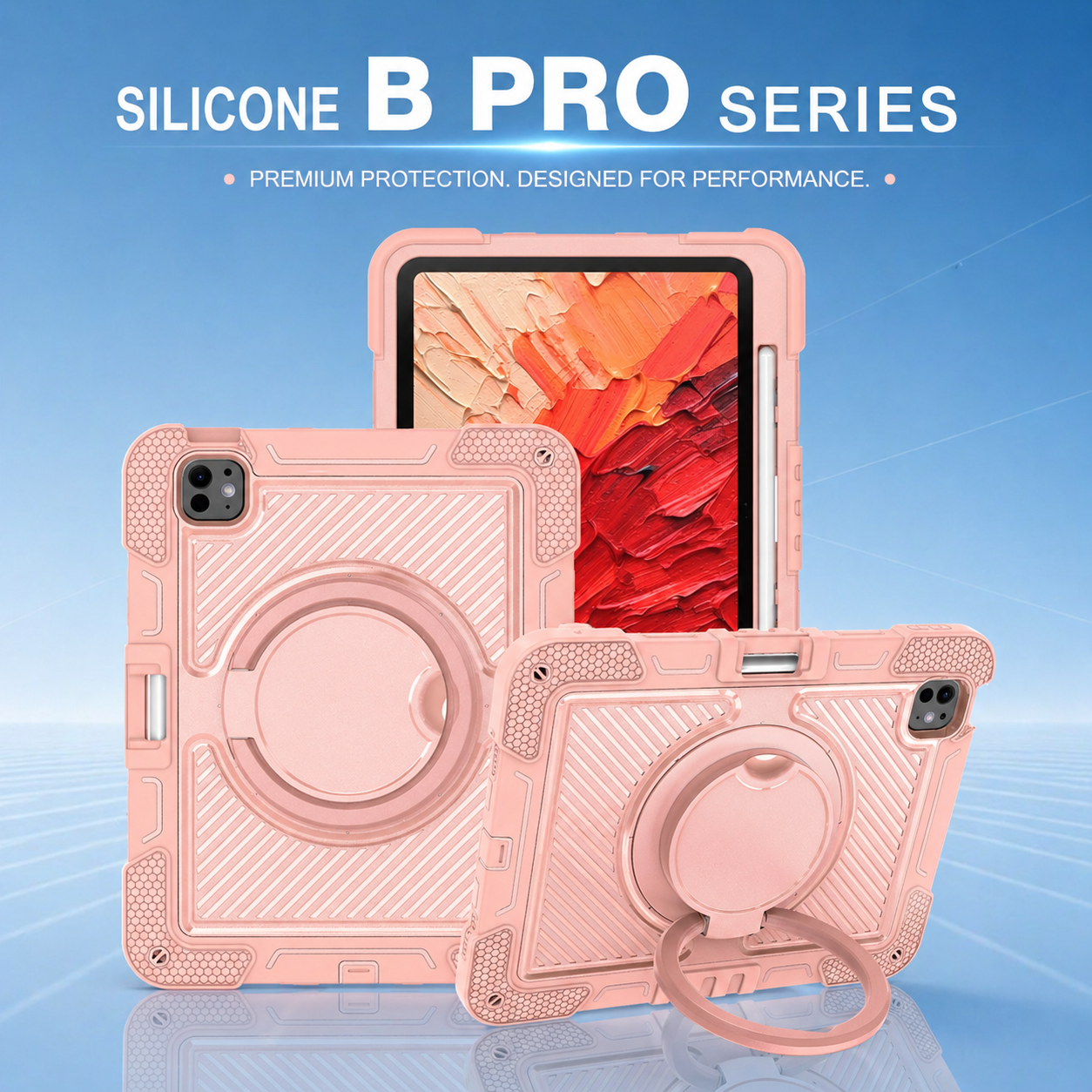
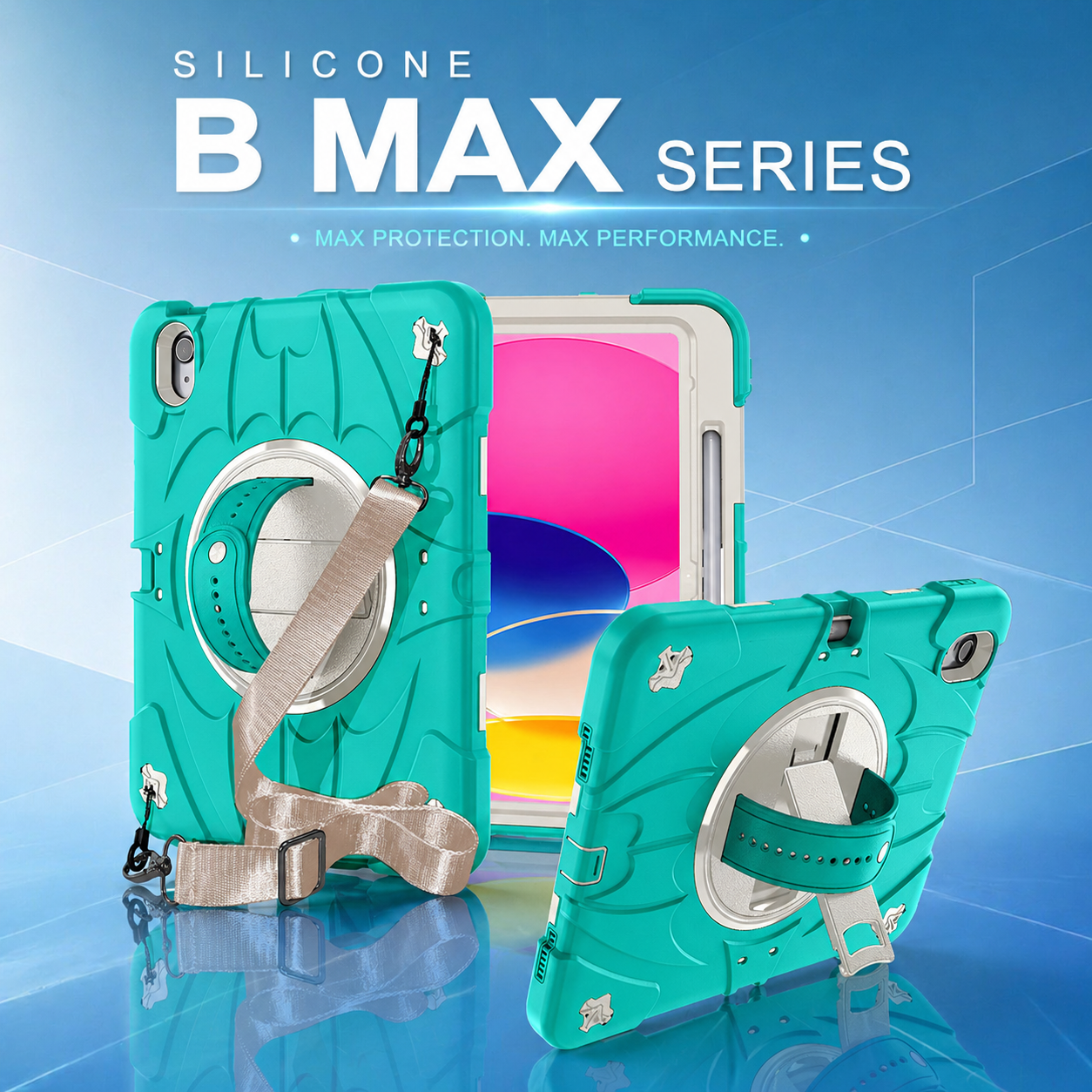
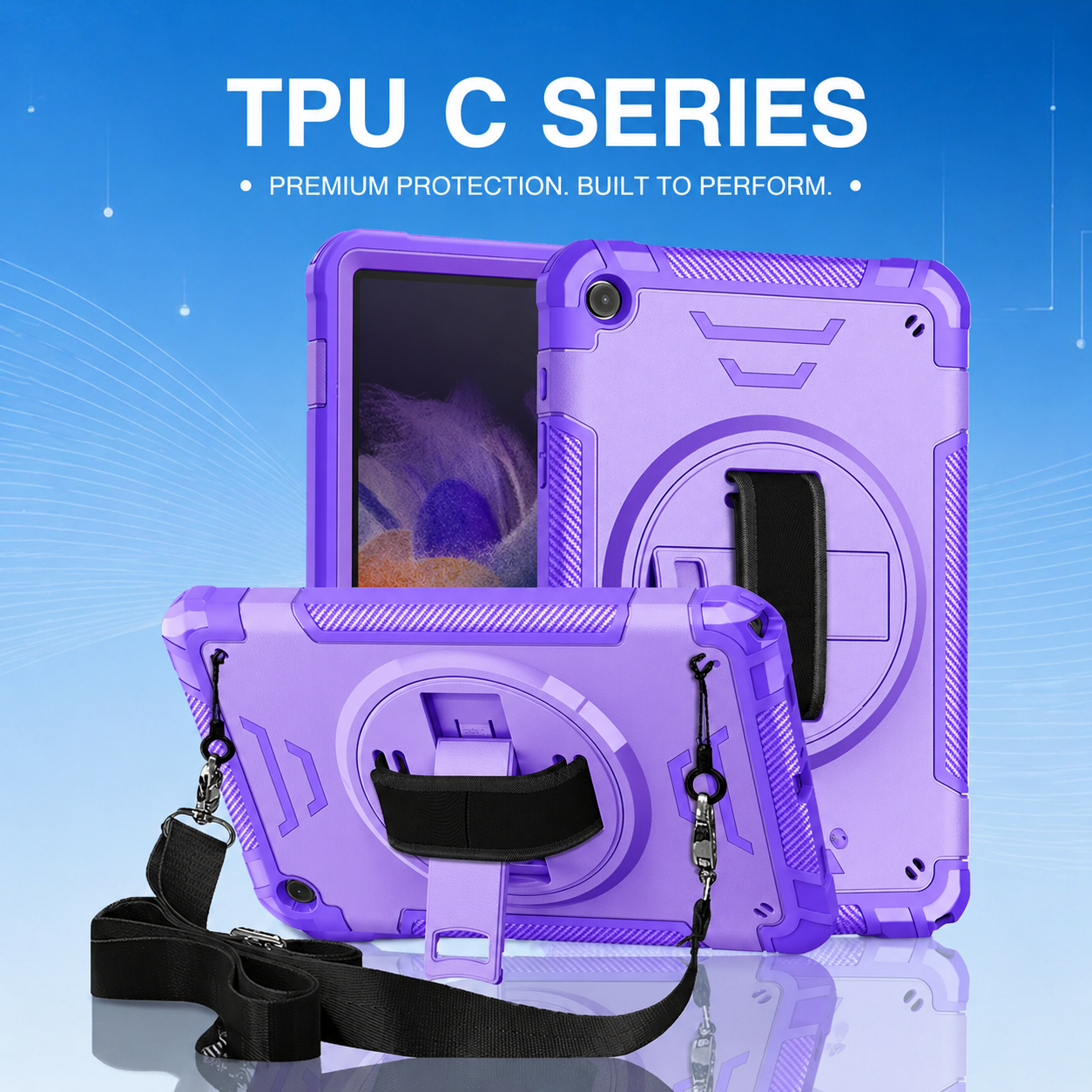
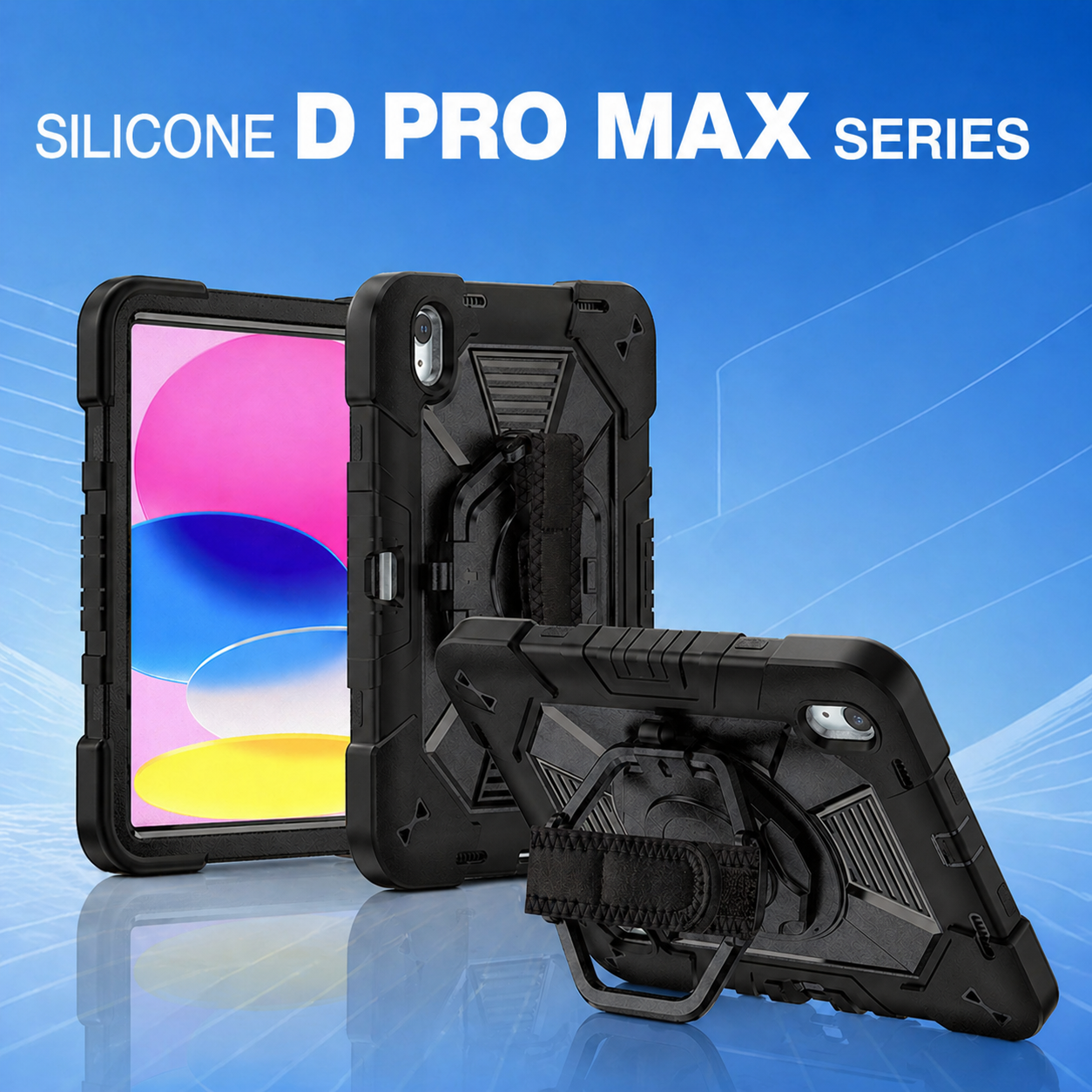
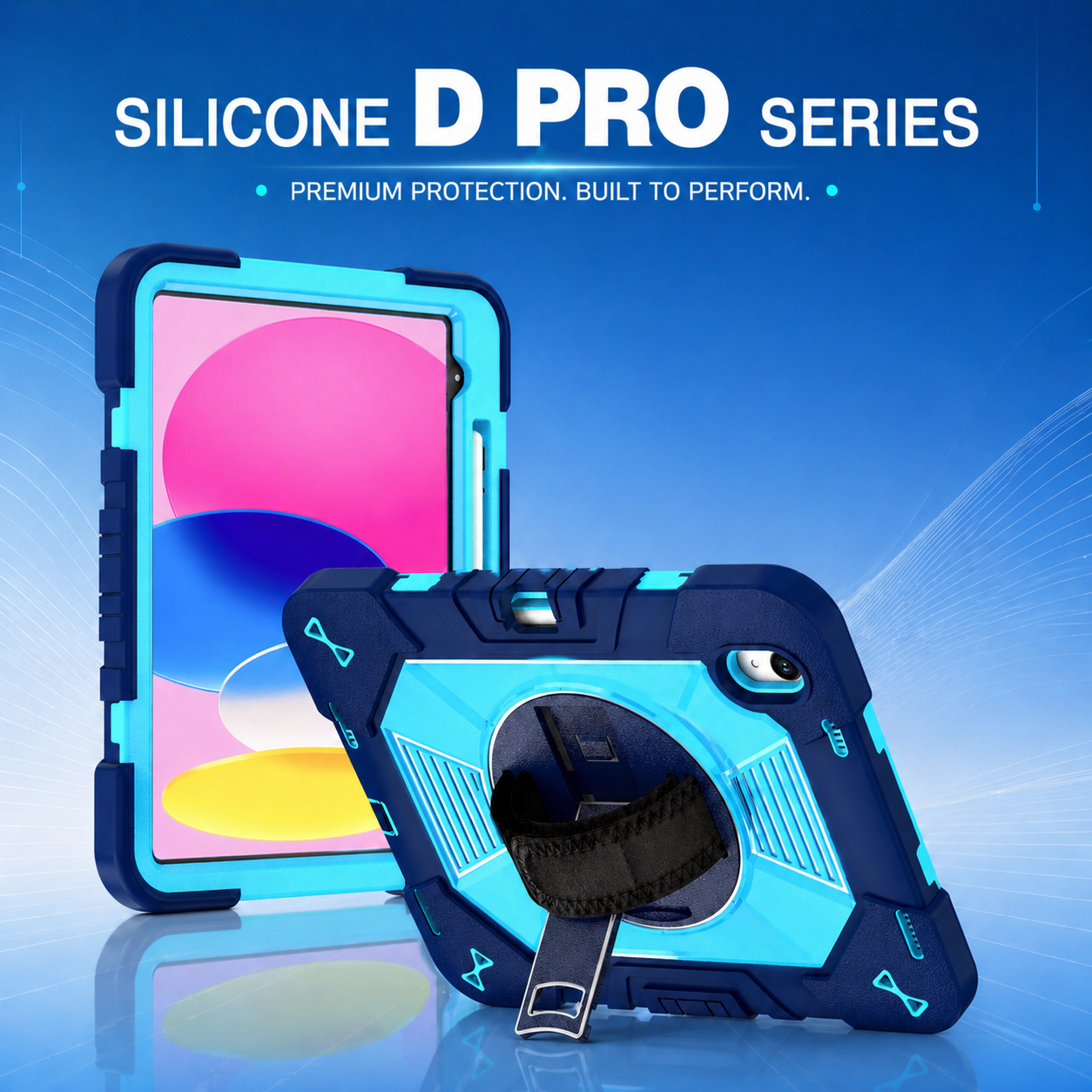
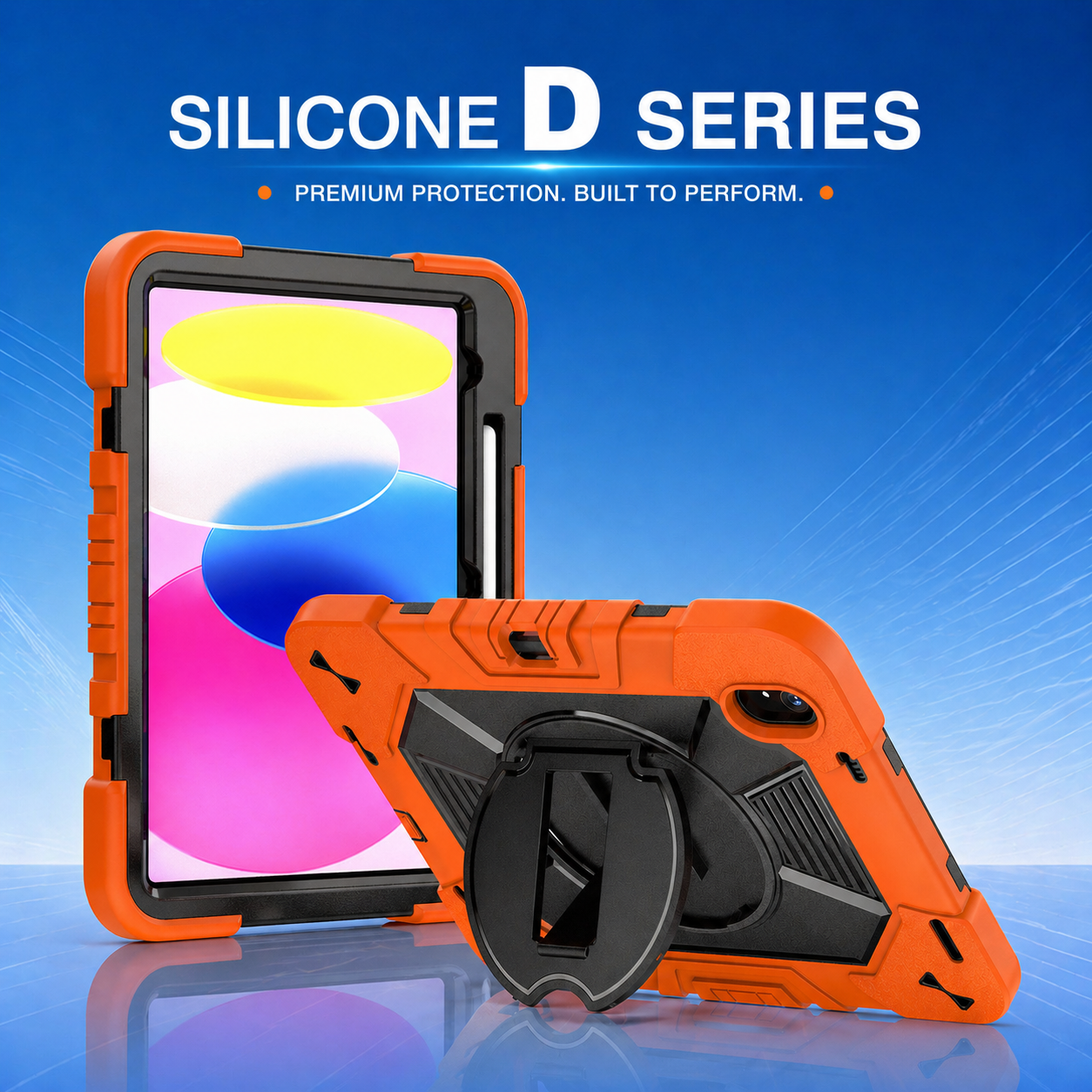

Regional Growth Opportunities for Rugged Tablet Case Manufacturers in 2026
Demand for protective tablet accessories is global, but it is not uniform. In 2026, manufacturers need regional strategies that reflect device brands, procurement channels, industry structure, price sensitivity, and service expectations. A product that succeeds through retail distribution in one country may need different packaging, accessories, certifications, and order support for an enterprise program in another.
1. North America Rewards Enterprise-Ready Solutions
Field service and logistics create durable demand
North American buyers often request integrated hand straps, shoulder straps, kickstands, vehicle-mount compatibility, and clear testing documentation. A full body protective tablet case can serve warehouses, utilities, construction teams, public safety organizations, and mobile service technicians. Suppliers that provide spare parts and stable repeat production can compete for multi-year programs rather than one-time promotional orders.
Customization supports distributor differentiation
Distributors may request private labels, custom packaging, barcode labels, and color combinations. Fast sampling and accurate model compatibility are essential because the region uses a broad mix of Apple, Samsung, Lenovo, and specialized enterprise devices.
2. Europe Places Greater Emphasis on Lifecycle Value
Repairability and material transparency are becoming more important
European customers increasingly ask how long products will remain available, whether stands or straps can be replaced, and how packaging can be reduced. A TPU tablet case designed with a replaceable rigid stand or removable carrying system can support longer use. Manufacturers should maintain material records and explain how components can be separated or serviced.
Sector-specific products create stronger positioning
Healthcare, transportation, industrial maintenance, and education each require different surfaces and accessories. Rather than offering one universal design, suppliers can build a common platform and adapt the outer texture, stand, strap, and packaging for each channel.
3. Asia-Pacific Combines Scale with Rapid Device Change
Education and consumer channels move quickly
Many Asia-Pacific markets have strong tablet adoption in schools, homes, retail, and mobile work. New device launches can create immediate demand for compatible cases, but product cycles are short. A manufacturer with rapid scanning, CAD development, prototyping, and mold preparation can release a multi angle kickstand tablet case while demand is still concentrated around the device launch.
Price competition makes platform reuse essential
Margins can be tight, so suppliers should reuse proven structures, stands, strap systems, and packaging formats where possible. A full body protective tablet case can be developed as a family with shared accessories and different device-specific shells. This reduces engineering risk and makes smaller model runs more economical.
4. Emerging Markets Need Flexible Price and Feature Packages
Durability must be matched to purchasing power
In parts of Latin America, the Middle East, Africa, and South Asia, buyers may want strong corner protection and a stand but cannot accept the cost of every premium feature. Manufacturers can offer good-better-best configurations using the same general design language. A basic TPU tablet case may serve entry programs, while hybrid or three-layer options serve institutional and industrial buyers.
Local distributors are critical market interpreters
Regional partners understand which tablet models are common, how products are sold, and what packaging language is required. Suppliers should use distributor feedback to prioritize tooling instead of assuming global bestsellers are equally important everywhere.
5. A Global Product Strategy Should Still Feel Local
Core engineering can be standardized
Manufacturers can standardize corner geometry, strap anchors, stand mechanisms, testing methods, and quality criteria. This creates a reliable platform and shortens development time. The device shell, color, branding, and accessory bundle can then be localized.
Sales materials should match the buyer
Retail buyers need clear visual benefits and packaging-ready content. Enterprise buyers need specifications, test records, compatibility details, and service options. A multi angle kickstand tablet case should therefore be presented differently to a school distributor, a logistics integrator, and an online retailer even when the underlying product is the same.
6. Priorities for Manufacturers
In 2026, successful suppliers will combine fast model coverage with disciplined platform engineering. They will identify regional device demand, build relationships with local distributors, and create modular offers that can move from education to industrial use. A protective tablet case manufacturer does not need a completely different factory strategy for every market, but it does need flexible product, packaging, and service choices.
Regional growth will come from understanding how protection is purchased, not only where tablets are sold. Manufacturers that align design, pricing, documentation, and channel support can turn a single protective platform into several market-specific opportunities.






.png)
+86 13422271740
.png)
info@tongmeitech.com
.png)
No. 34, Mashe Section, Guihe Road, Lishui Town, Foshan, Guangdong, China