- 1
- BLACKL
- TABLETAPPLE iPad Mini 8NEW iPad A16(2025) iPad 10.9" 10th (2022) iPad 10.2" (7th/8th/9th) iPad Air 13" (M2/M3/M4)(2024/2025/2026)NEW iPad Air 11" (M2/M3/M4)(2024/2025/2026)NEW iPad Mini 8.3" (A7 Pro/6th Gen) iPad Pro13"(M4/M5)(2024/2025) iPad Pro11"(M4/M5)(2026) iPad 9.7" (5th/6th Gen) iPad Pro 12.9"(2018-2022) iPad Pro 11"(2018-2022) iPad 9.7"(2th/3th/4th) iPad Air 10.9"(4th/5th Gen) iPad Mini 7.9"(4th/5th Gen)SAMSUNG Galaxy Tab A11 Galaxy Tab A11 Plus Galaxy Tab S11 Galaxy Tab S12 PlusNEW Galaxy Tab S12 UltraNEW Galaxy Tab A9+ Galaxy Tab A9 Galaxy Tab A8 Galaxy Tab A7 Galaxy Tab A7 Lite Galaxy Tab S11 Ultra/S10 Ultra/S9 Ultra/S8 Ultra Galaxy Tab S10+/S9+/S9 FE+ Galaxy Tab S10Lite/S10 FE/S9 FE/S9 Galaxy Tab S8+/S7+/S7 FE Galaxy Tab S8/S7 Galaxy Tab S6 lite Galaxy Tab A10.1 Galaxy Tab A8.4 Galaxy Tab A8.0 Galaxy Tab S10 FE+LENOVO iDea tab 11/Tab K11 Gen 2 /Xiaoxin Pad 11 2025 Lenovo Tab K9 (Tab One) 2025 Lenovo Tab M10 10.1"(2025) Lenovo Tab M10 Plus 10.6" (3rd Gen) Lenovo Tab M10 HD 10.1" (3rd Gen) Lenovo K10/M10 Plus 10.3" (2nd Gen) Lenovo Tab M10 HD 10.1" (2nd Gen)XIAOMI Redmi Pad 2 9.7 InchNEW Xiaomi Pad8/8Pro 11.2" Redmi Pad2/Pad2.4G Xiaomi Pad 6/6 Pro 11" Redmi Pad 10.61" Redmi Pad Se 11" Redmi pad Se 4G 8.7" Xiaomi Pad7/7 Pro 11.2" Redmi Pad Pro/Xiaomi Poco Pad/Redmi Pad2 Pro 12.1HUAWEI Huawei Matepad Se 10.4" Huawei Matepad 11" Huawei Matepad 11.5" Huawei Matepad SE 11" Huawei Matepad T8 8" Huawei Matepad T10 9.7"
- CATEGORIES
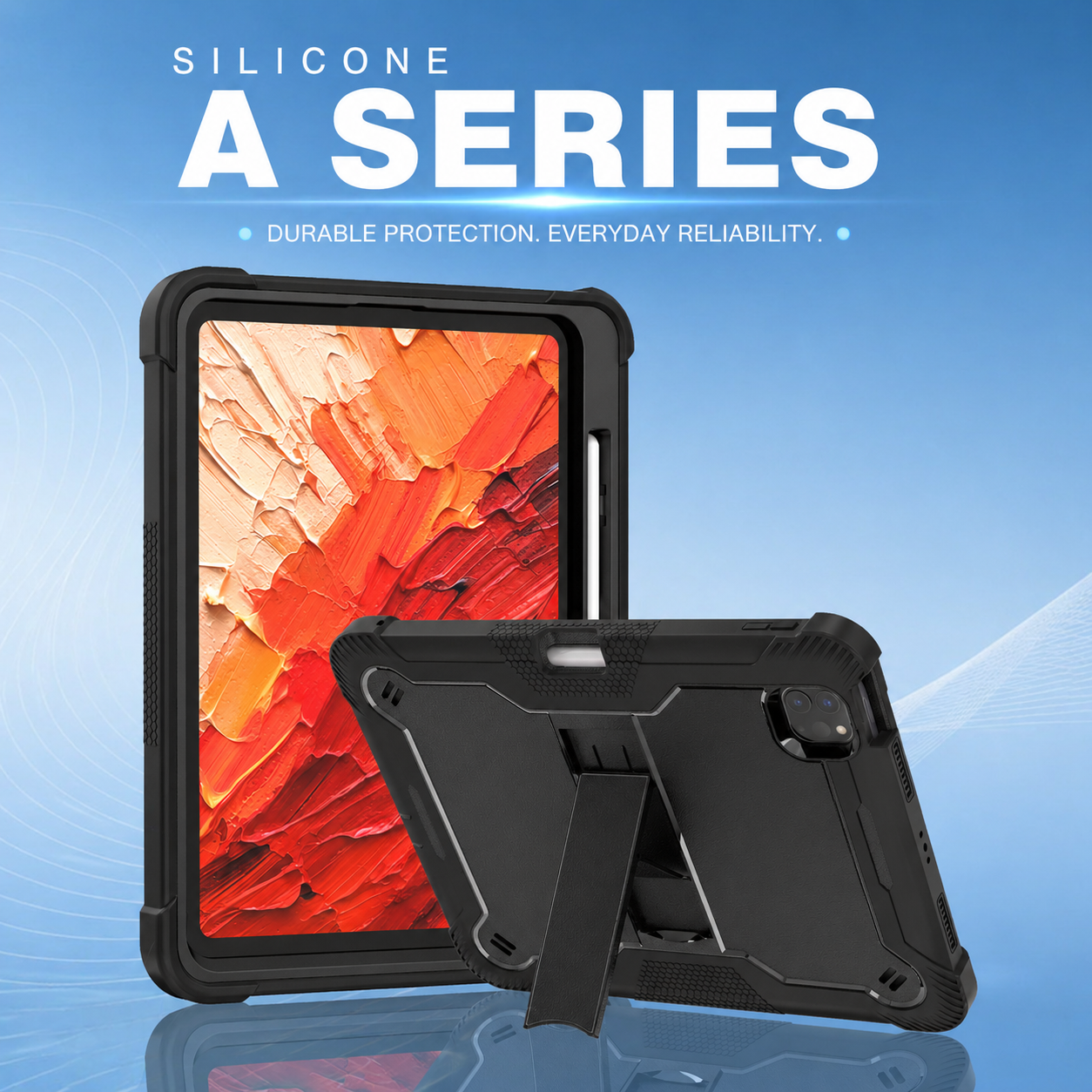
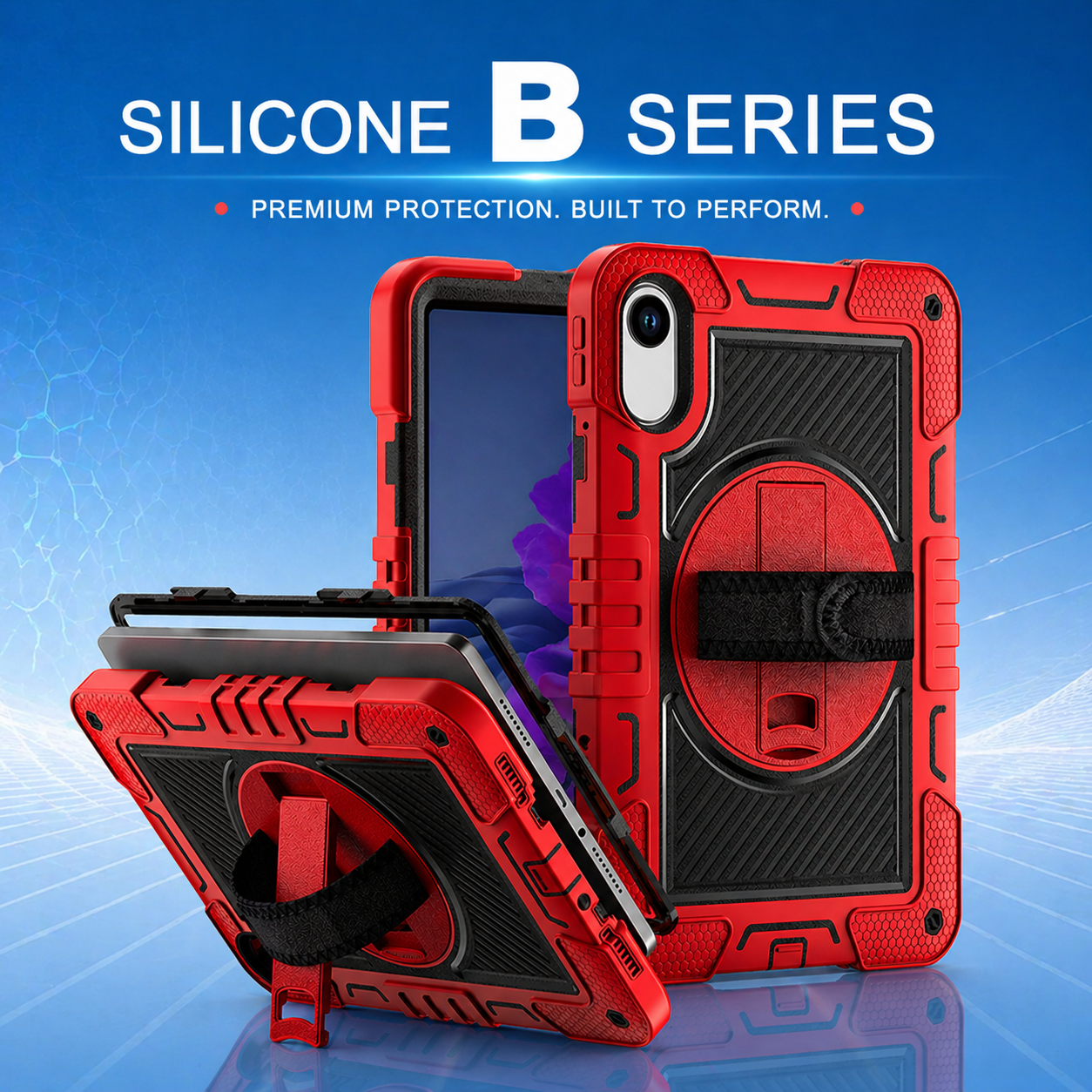
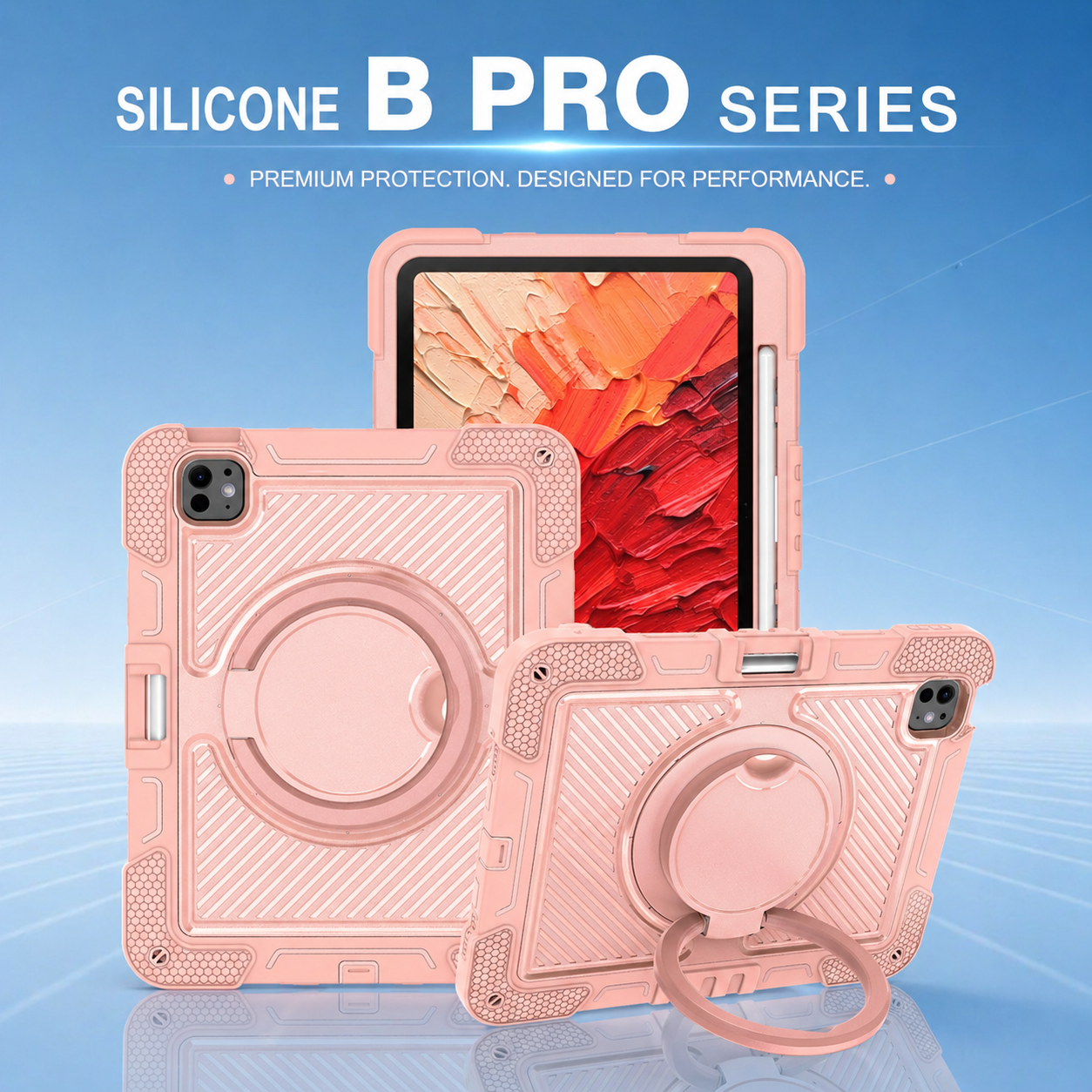
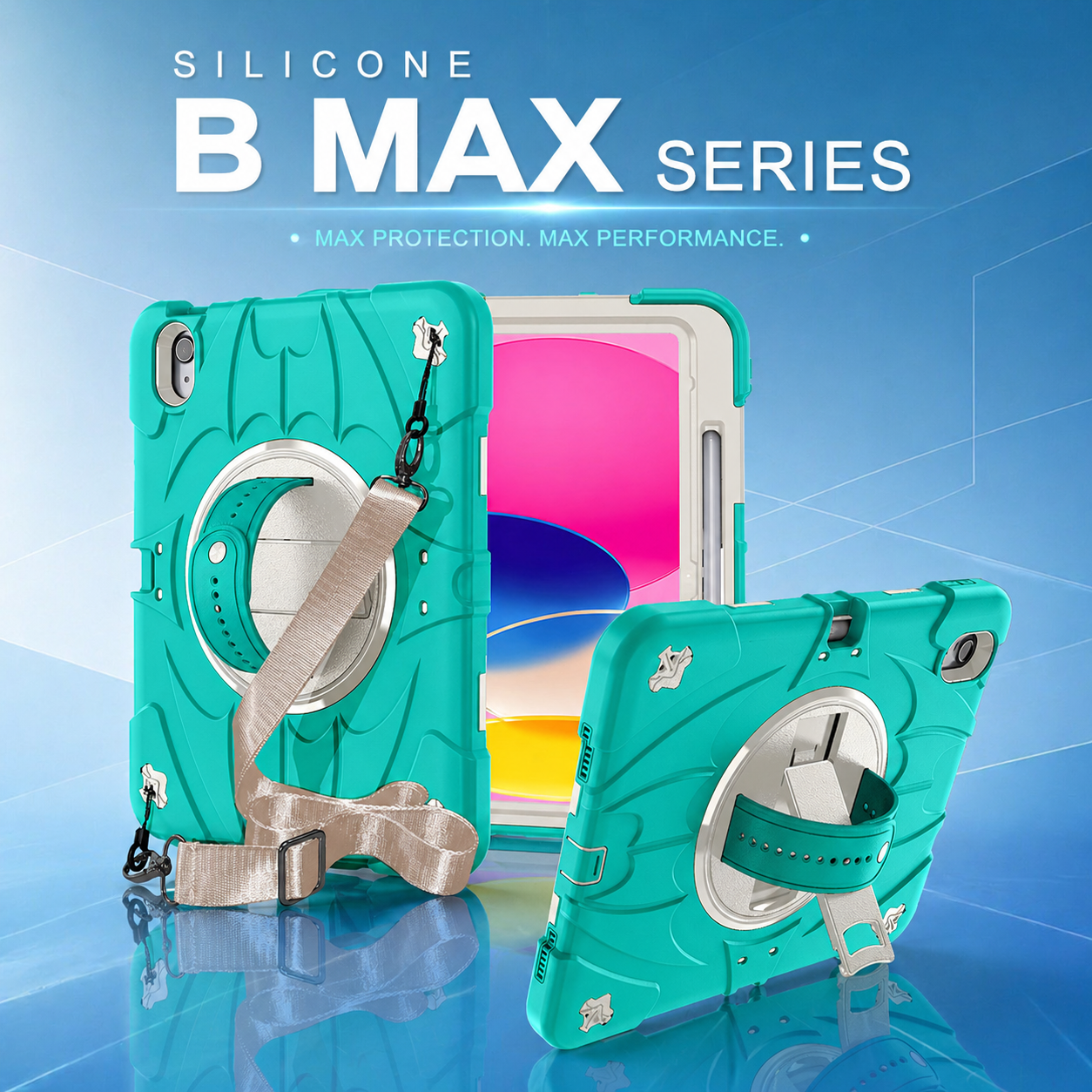
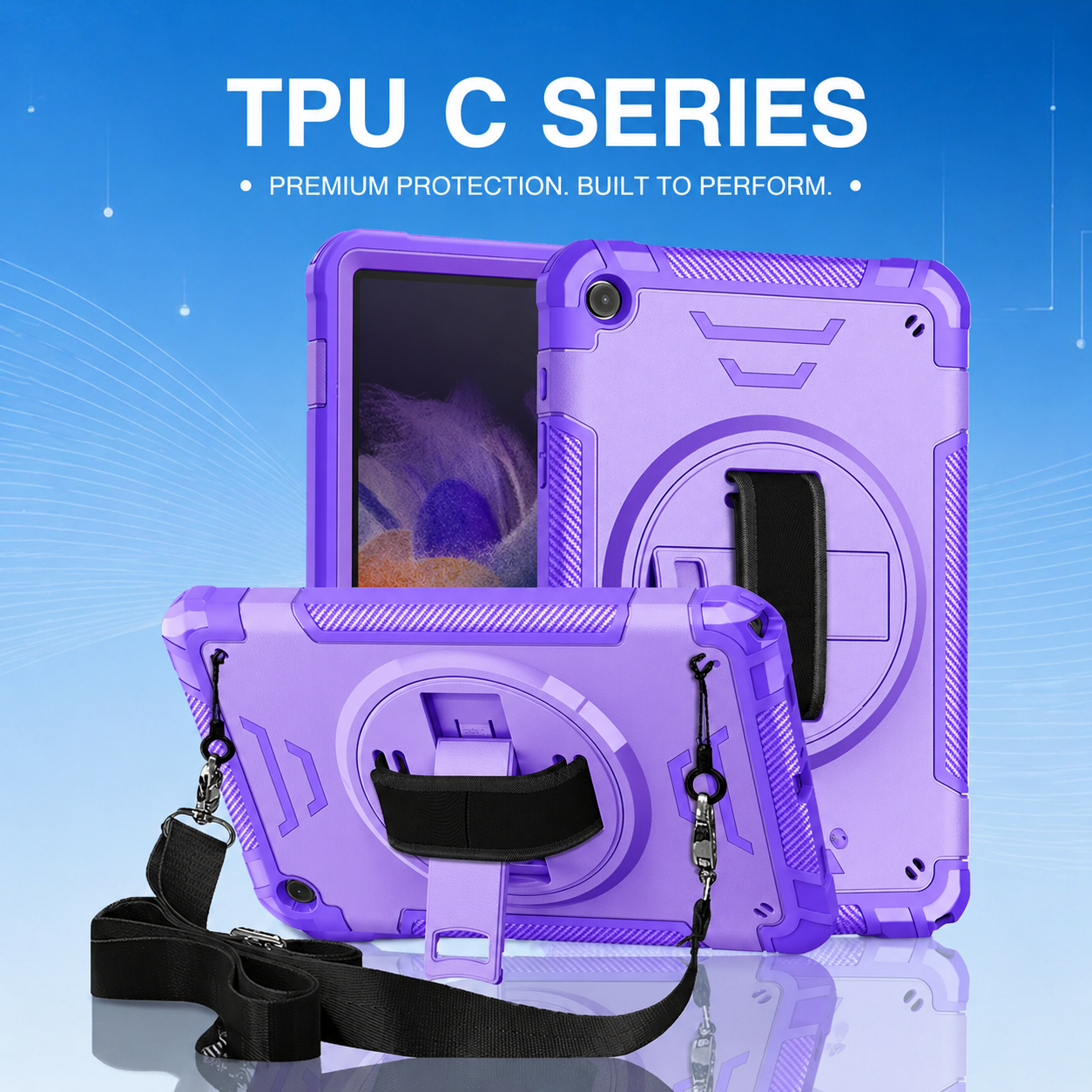
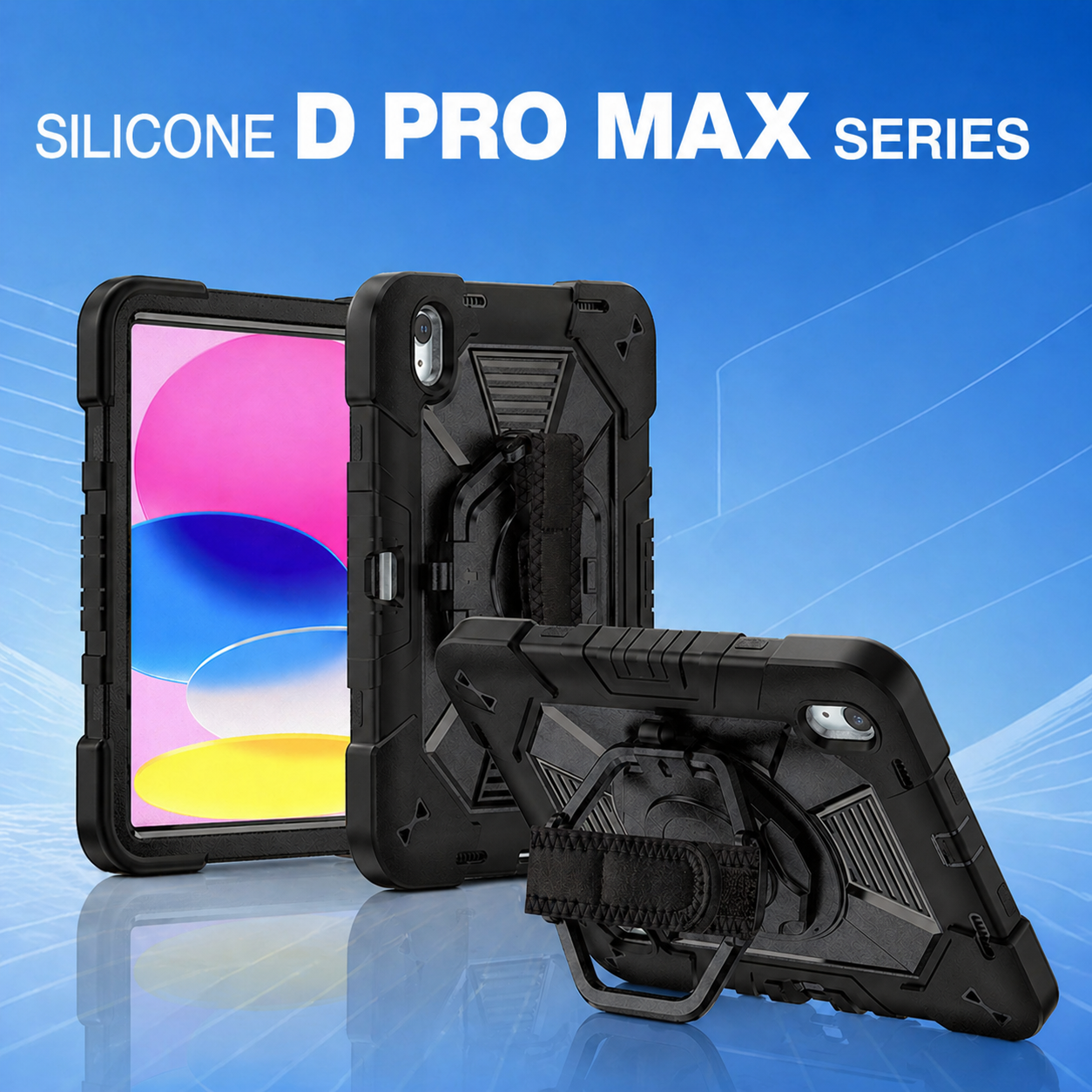
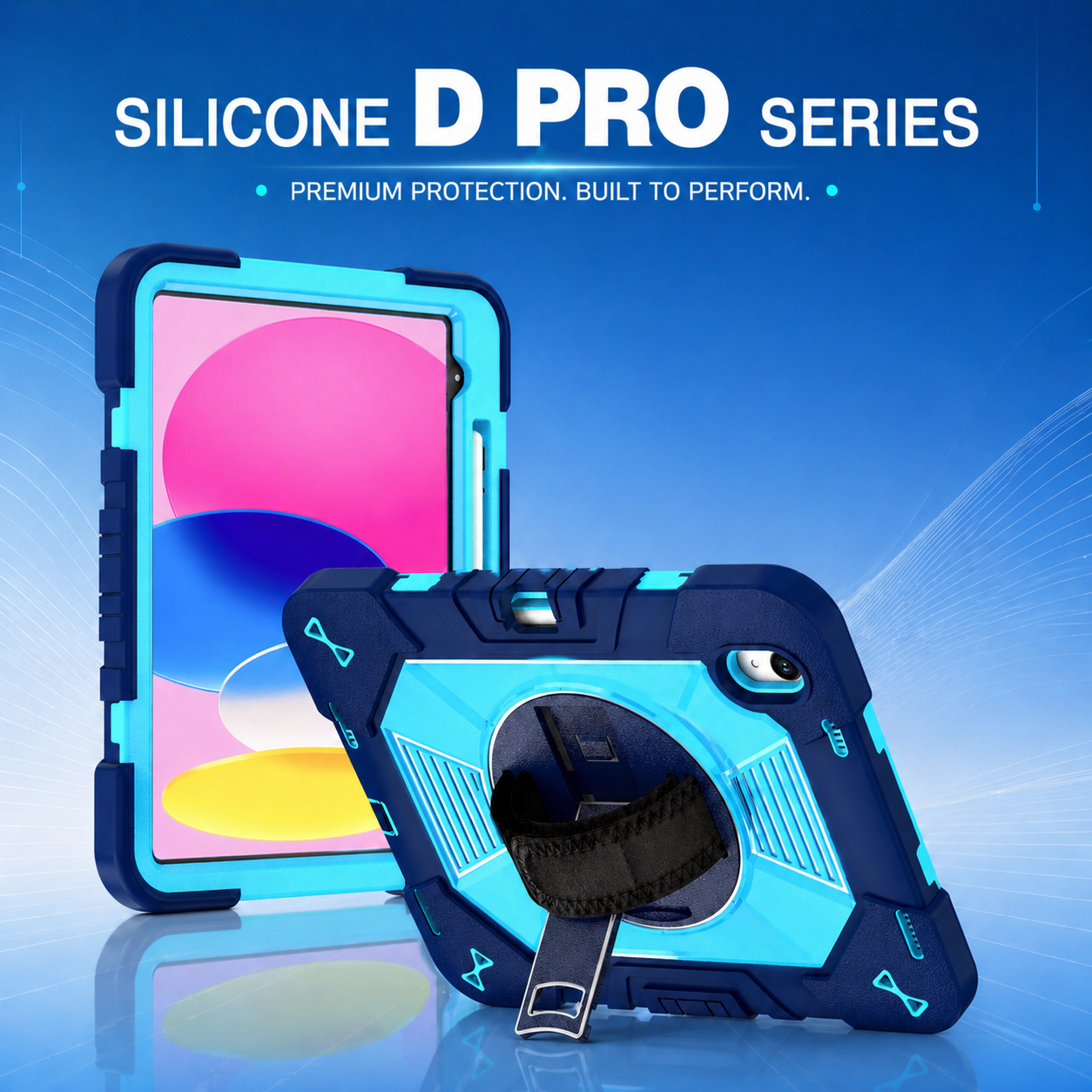
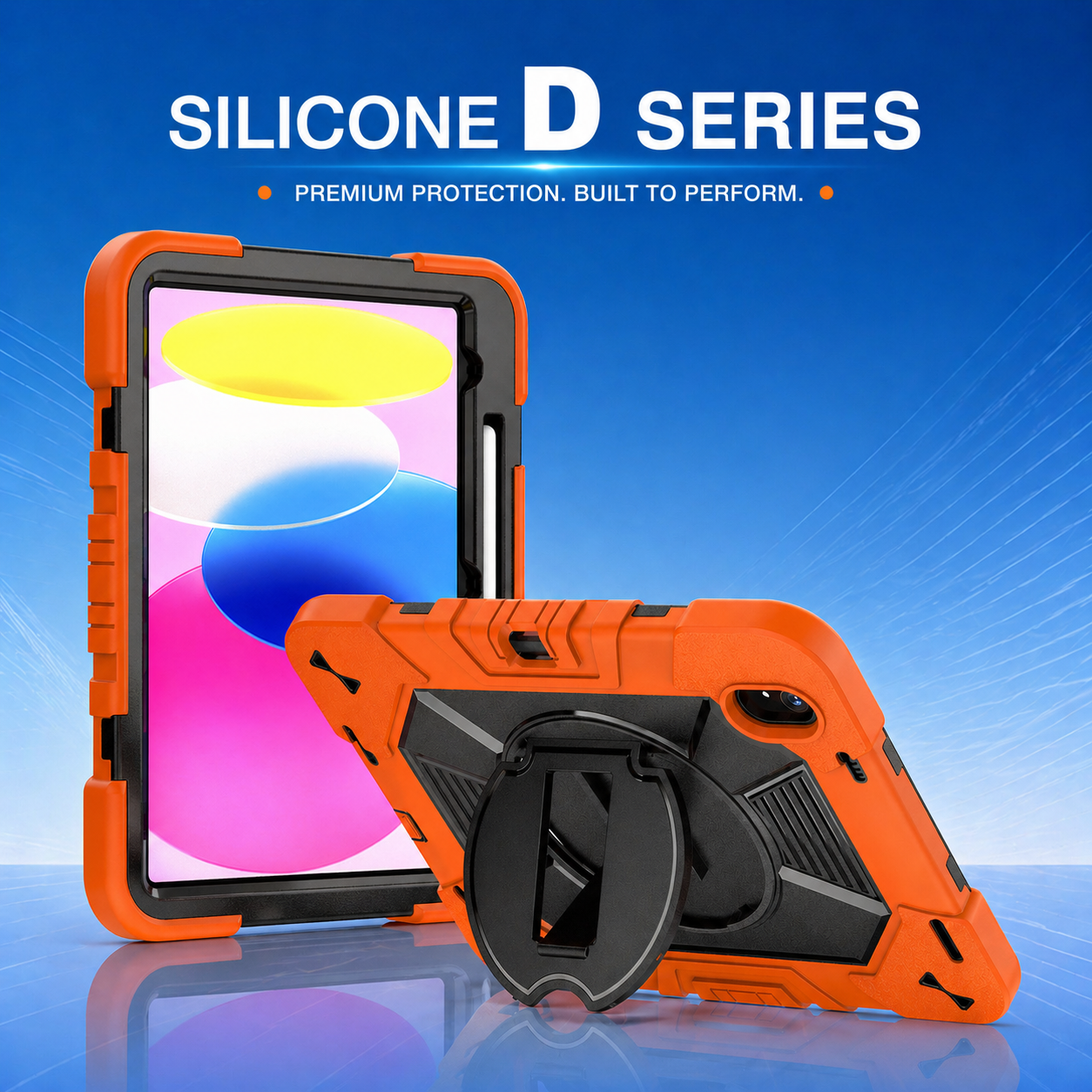

How Enterprise Buyers Evaluate Rugged Tablet Case Suppliers in 2026
Enterprise tablet deployments are becoming more structured in 2026. Buyers in logistics, manufacturing, healthcare, construction, retail, and public service increasingly use formal specifications and staged approvals. They are not only comparing product appearance. They are evaluating whether a supplier can support fit validation, customization, testing, documentation, repeat orders, and field replacement over the life of a device program.
1. Product Fit Is the First Qualification Gate
Compatibility must be verified, not assumed
A full body protective tablet case must align with cameras, microphones, speakers, buttons, sensors, charging ports, and accessory connectors. Even tablets sold under the same family name may have regional or generation differences. Enterprise buyers expect suppliers to confirm exact model numbers and use controlled samples before tooling approval. Clear revision records help prevent expensive errors when devices are updated.
Operational accessories must work together
Corporate users may require hand straps, shoulder straps, vehicle mounts, scanners, keyboards, styluses, or charging docks. A case that protects the tablet but blocks a required accessory will fail the program. Suppliers should review the complete workflow and build compatibility checks into the development plan.
2. Buyers Look for Evidence of Durability
Visible protection is not enough
A heavy duty rugged Case may look strong, but enterprise customers often request drop-test conditions, sample quantities, impact surfaces, device status after testing, and photos or reports. Manufacturers should use repeatable internal methods and clearly distinguish between development testing and certified third-party testing. Honest documentation builds more trust than unsupported performance claims.
Wear testing matters for moving parts
Kickstands, rotating rings, strap anchors, clips, and port covers can fail after repeated cycles even when the shell survives drops. Buyers may ask how hinges perform after thousands of openings or how the soft layer changes after heat and cleaning exposure. A structured test plan should cover both sudden impact and long-term use.
3. Material Selection Must Match the Environment
Hybrid construction supports demanding programs
A PC+Silicone tablet case can combine rigid support with a softer impact and grip layer. This structure is useful when the design includes a stand or rotating hand strap that needs a firm mounting base. Manufacturers should explain material hardness, temperature behavior, cleaning compatibility, and expected surface wear so buyers can compare options intelligently.
Healthcare and food-service programs need special attention
Some environments require frequent wiping, low dirt retention, and resistance to selected cleaning agents. Deep textures and exposed seams may be undesirable. A smoother full body protective tablet case can be easier to maintain, but it still needs enough grip for safe handling. Early discussion of cleaning routines can prevent late redesigns.
4. Supply Capability Is Part of the Product
Repeatability matters more than a perfect prototype
Enterprise buyers want the approved sample reproduced across mass production. Suppliers should control resin sources, color formulas, insert dimensions, assembly steps, and inspection criteria. A heavy duty rugged Case with several components needs clear work instructions and checkpoints so fit and function remain stable across different production lots.
Packaging and labeling reduce deployment labor
Individual device labels, carton markings, model codes, installation cards, and accessory kits can save time during rollout. Some buyers want cases preassembled with straps or packed by site. Manufacturers that offer these services can become more valuable even when the molded product itself is similar to competing options.
5. Communication Determines Long-Term Supplier Value
Fast answers are useful, but accurate answers are more important. Enterprise programs benefit from one controlled specification, named revision owners, sample-approval records, and clear lead-time assumptions. When a tablet model changes, the supplier should identify which components can be reused and which require new tooling.
A strong PC+Silicone tablet case program combines engineering, validation, manufacturing, and after-sales support. In 2026, suppliers that document their process and understand the customer’s workflow are better positioned to win repeat orders and broader device portfolios.
Continue to: regional growth opportunities.






.png)
+86 13422271740
.png)
info@tongmeitech.com
.png)
No. 34, Mashe Section, Guihe Road, Lishui Town, Foshan, Guangdong, China