- 1
- BLACKL
- TABLETAPPLE iPad Mini 8NEW iPad A16(2025) iPad 10.9" 10th (2022) iPad 10.2" (7th/8th/9th) iPad Air 13" (M2/M3/M4)(2024/2025/2026)NEW iPad Air 11" (M2/M3/M4)(2024/2025/2026)NEW iPad Mini 8.3" (A7 Pro/6th Gen) iPad Pro13"(M4/M5)(2024/2025) iPad Pro11"(M4/M5)(2026) iPad 9.7" (5th/6th Gen) iPad Pro 12.9"(2018-2022) iPad Pro 11"(2018-2022) iPad 9.7"(2th/3th/4th) iPad Air 10.9"(4th/5th Gen) iPad Mini 7.9"(4th/5th Gen)SAMSUNG Galaxy Tab A11 Galaxy Tab A11 Plus Galaxy Tab S11 Galaxy Tab S12 PlusNEW Galaxy Tab S12 UltraNEW Galaxy Tab A9+ Galaxy Tab A9 Galaxy Tab A8 Galaxy Tab A7 Galaxy Tab A7 Lite Galaxy Tab S11 Ultra/S10 Ultra/S9 Ultra/S8 Ultra Galaxy Tab S10+/S9+/S9 FE+ Galaxy Tab S10Lite/S10 FE/S9 FE/S9 Galaxy Tab S8+/S7+/S7 FE Galaxy Tab S8/S7 Galaxy Tab S6 lite Galaxy Tab A10.1 Galaxy Tab A8.4 Galaxy Tab A8.0 Galaxy Tab S10 FE+LENOVO iDea tab 11/Tab K11 Gen 2 /Xiaoxin Pad 11 2025 Lenovo Tab K9 (Tab One) 2025 Lenovo Tab M10 10.1"(2025) Lenovo Tab M10 Plus 10.6" (3rd Gen) Lenovo Tab M10 HD 10.1" (3rd Gen) Lenovo K10/M10 Plus 10.3" (2nd Gen) Lenovo Tab M10 HD 10.1" (2nd Gen)XIAOMI Redmi Pad 2 9.7 InchNEW Xiaomi Pad8/8Pro 11.2" Redmi Pad2/Pad2.4G Xiaomi Pad 6/6 Pro 11" Redmi Pad 10.61" Redmi Pad Se 11" Redmi pad Se 4G 8.7" Xiaomi Pad7/7 Pro 11.2" Redmi Pad Pro/Xiaomi Poco Pad/Redmi Pad2 Pro 12.1HUAWEI Huawei Matepad Se 10.4" Huawei Matepad 11" Huawei Matepad 11.5" Huawei Matepad SE 11" Huawei Matepad T8 8" Huawei Matepad T10 9.7"
- CATEGORIES

Rugged Tablet Protection in 2026: Why Businesses Need More Than Just a Tablet Case
In 2026, tablets are no longer optional convenience devices. They are work terminals used for inventory scans, patient intake, field inspections, delivery confirmation, classroom management, production reporting, and real-time collaboration. That shift changes the meaning of protection. A consumer cover may prevent scratches, but a business deployment needs a complete operating solution built around uptime, user safety, device lifespan, and predictable total cost of ownership.
Protection must match the working environment
The first question is not “Which case looks strongest?” It is “Where will the tablet work, who will carry it, and what can go wrong during a normal shift?” A warehouse tablet may be dropped onto concrete, exposed to dust, placed on a forklift, and passed between users. A healthcare tablet may require frequent cleaning, controlled access to ports, and a grip that reduces hand fatigue. A field-service device may face rain, vibration, vehicle movement, and repeated one-handed use.
A professional rugged tablet case should therefore be selected through a risk profile. Businesses should consider drop height, drop frequency, impact surfaces, operating temperature, cleaning chemicals, glove use, mounting needs, camera access, barcode scanning, charging routines, and the expected replacement cycle. Protection becomes measurable when requirements are tied to actual workflows rather than generic marketing claims.
_Rugged_Tablet_Case.png)
Three systems matter: structure, usability, and deployment
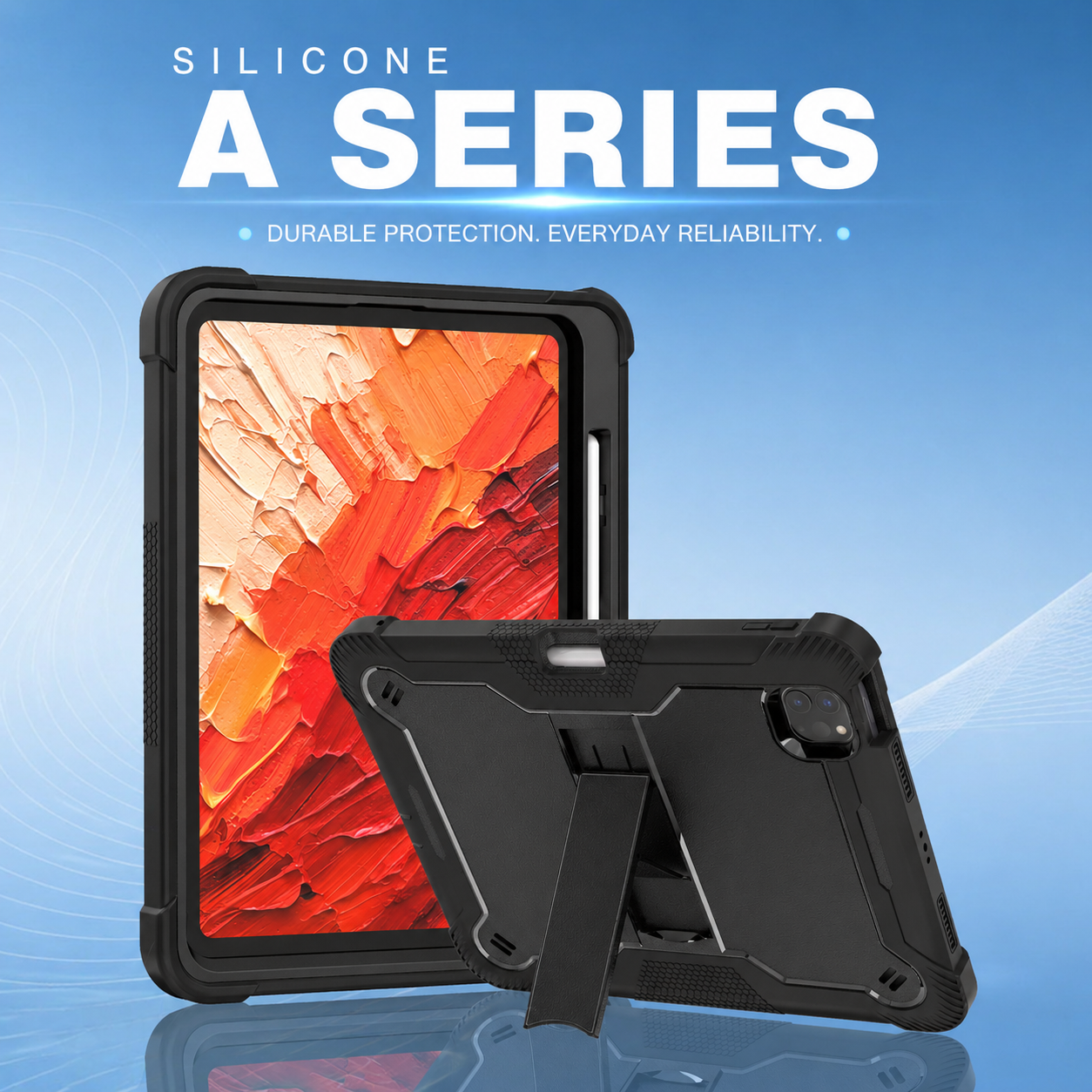
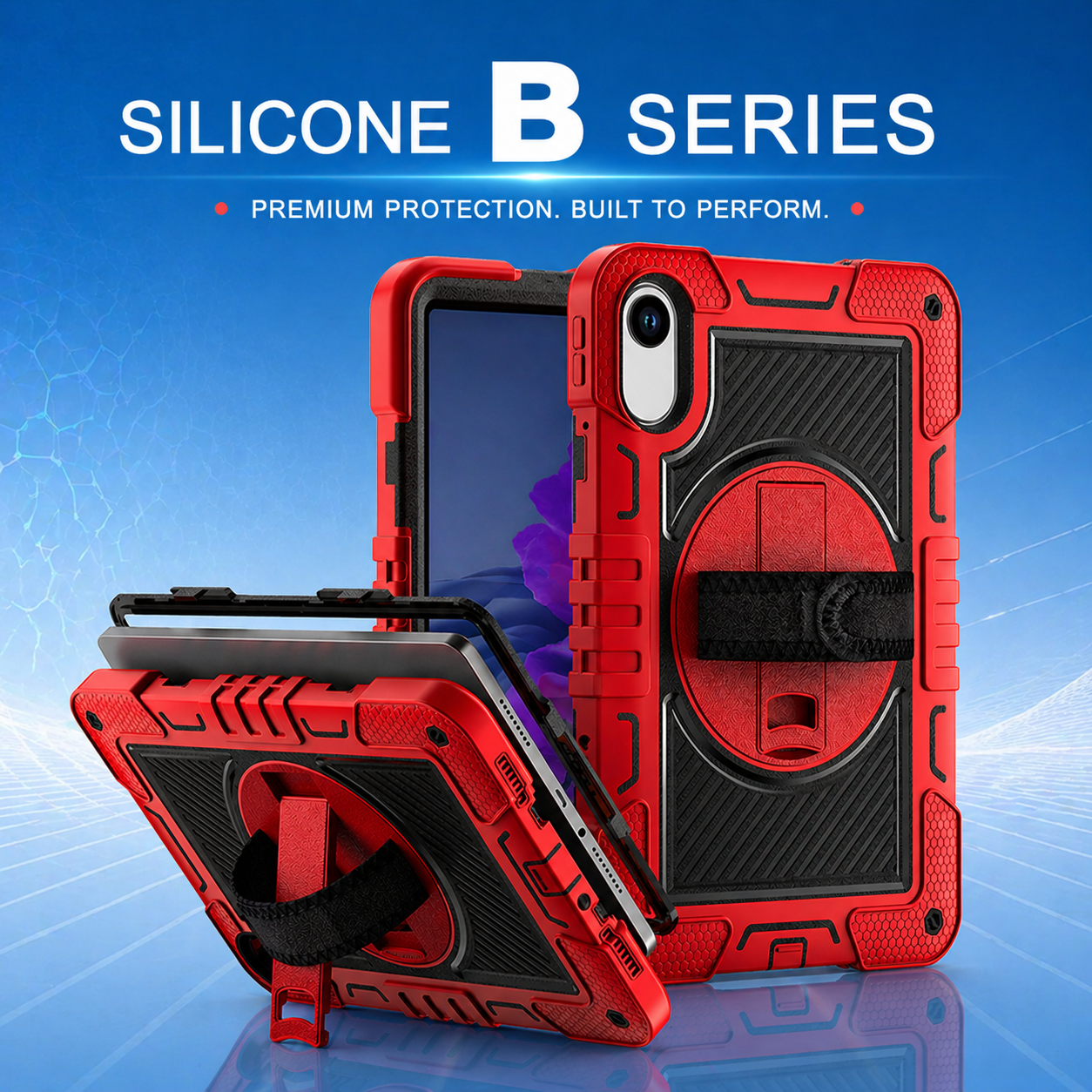
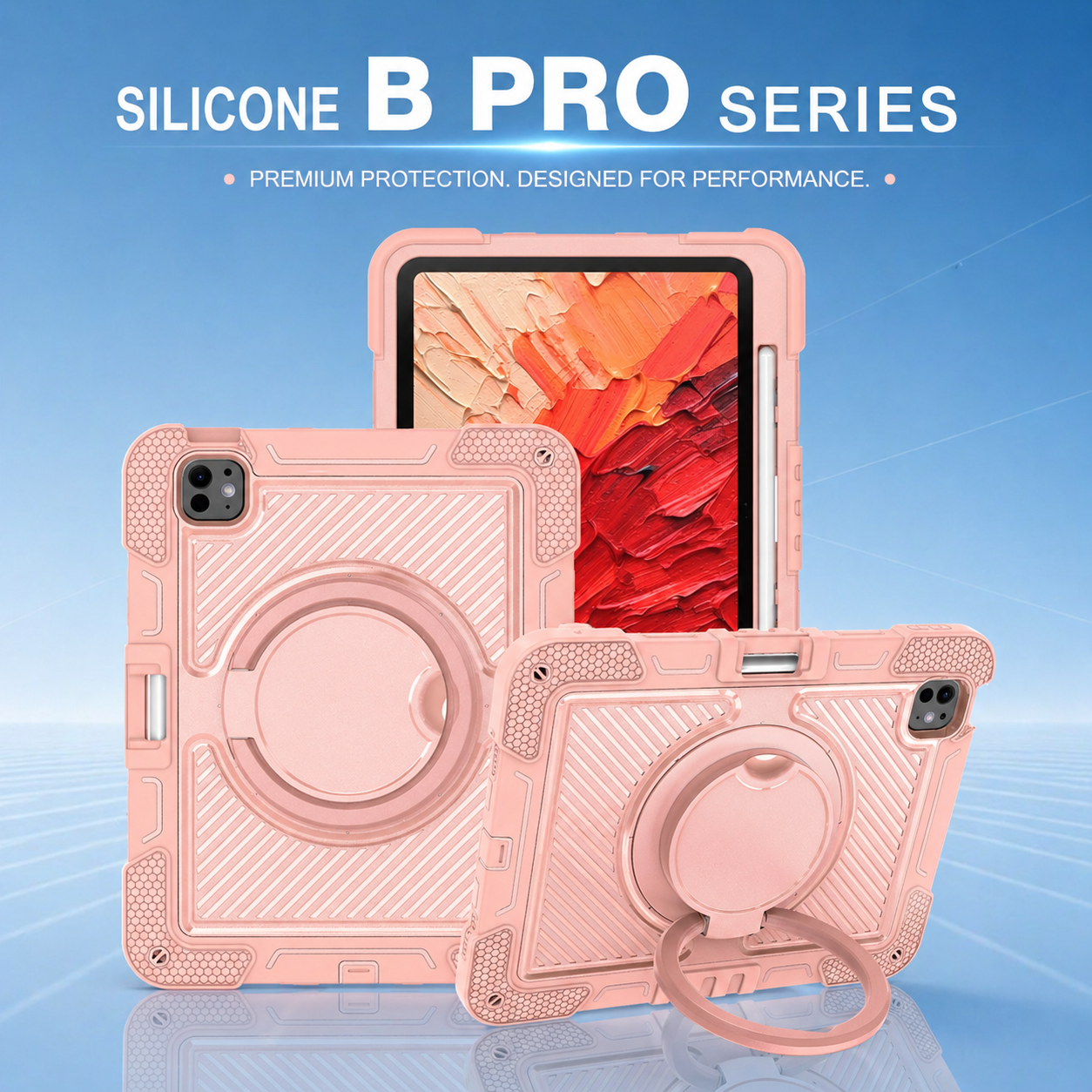
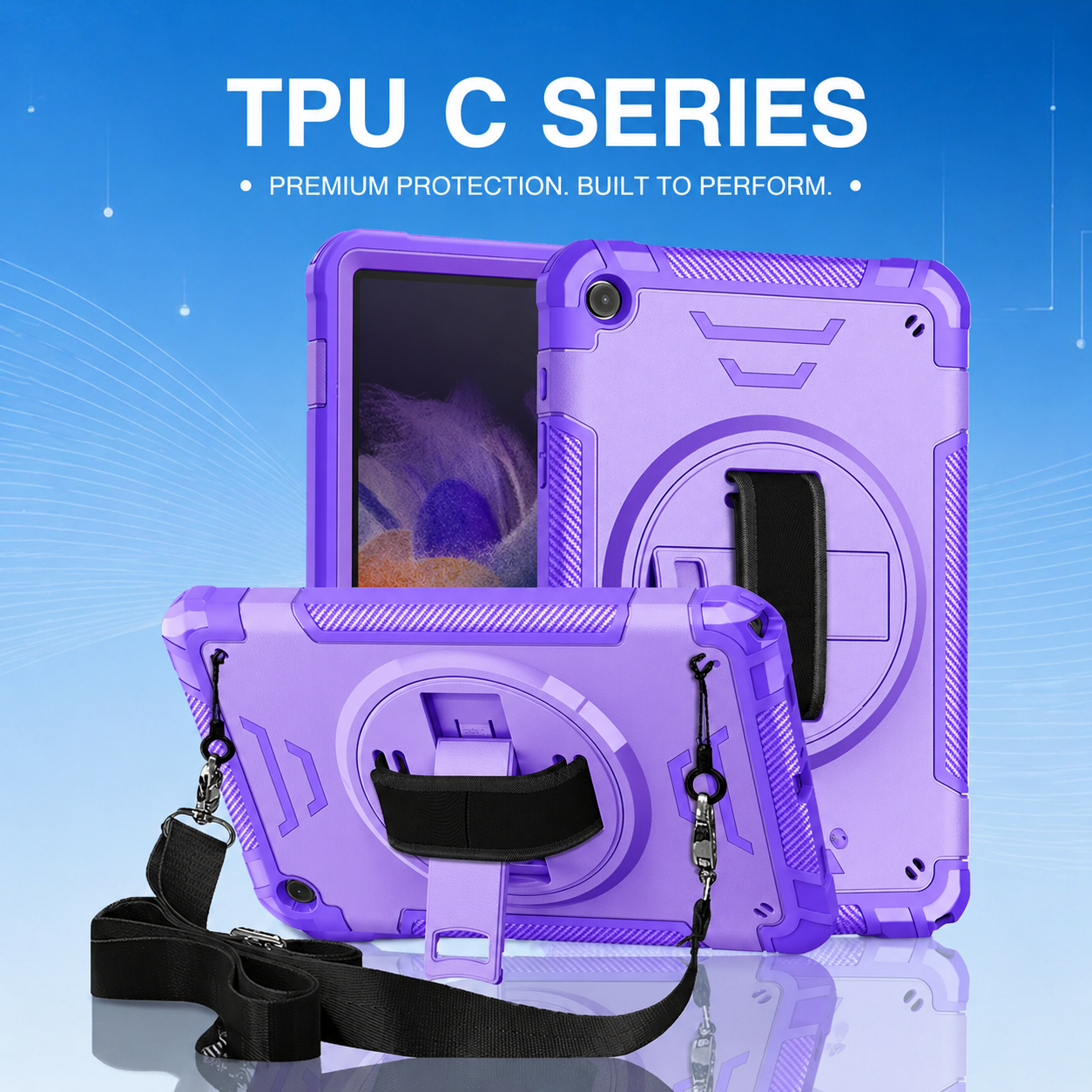
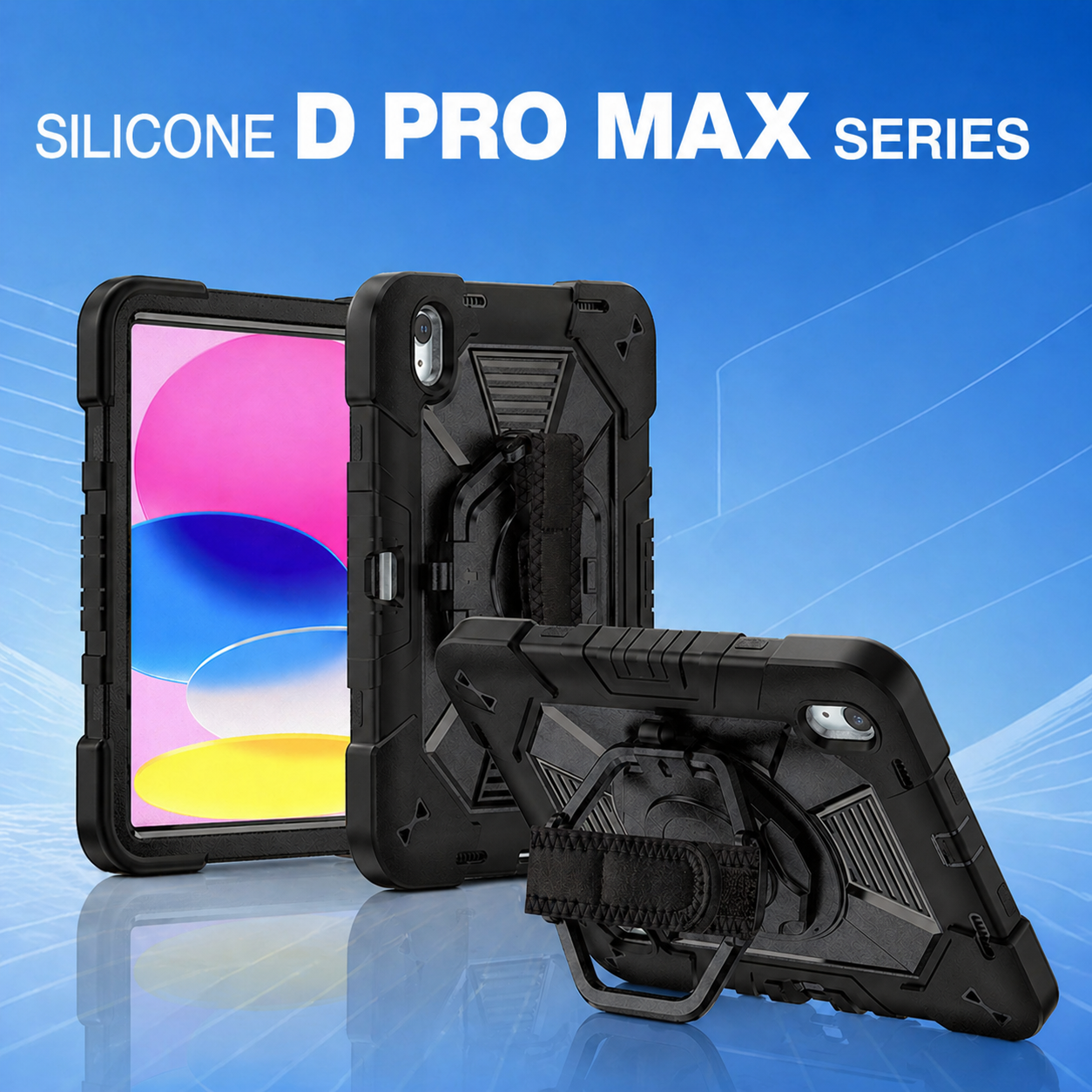
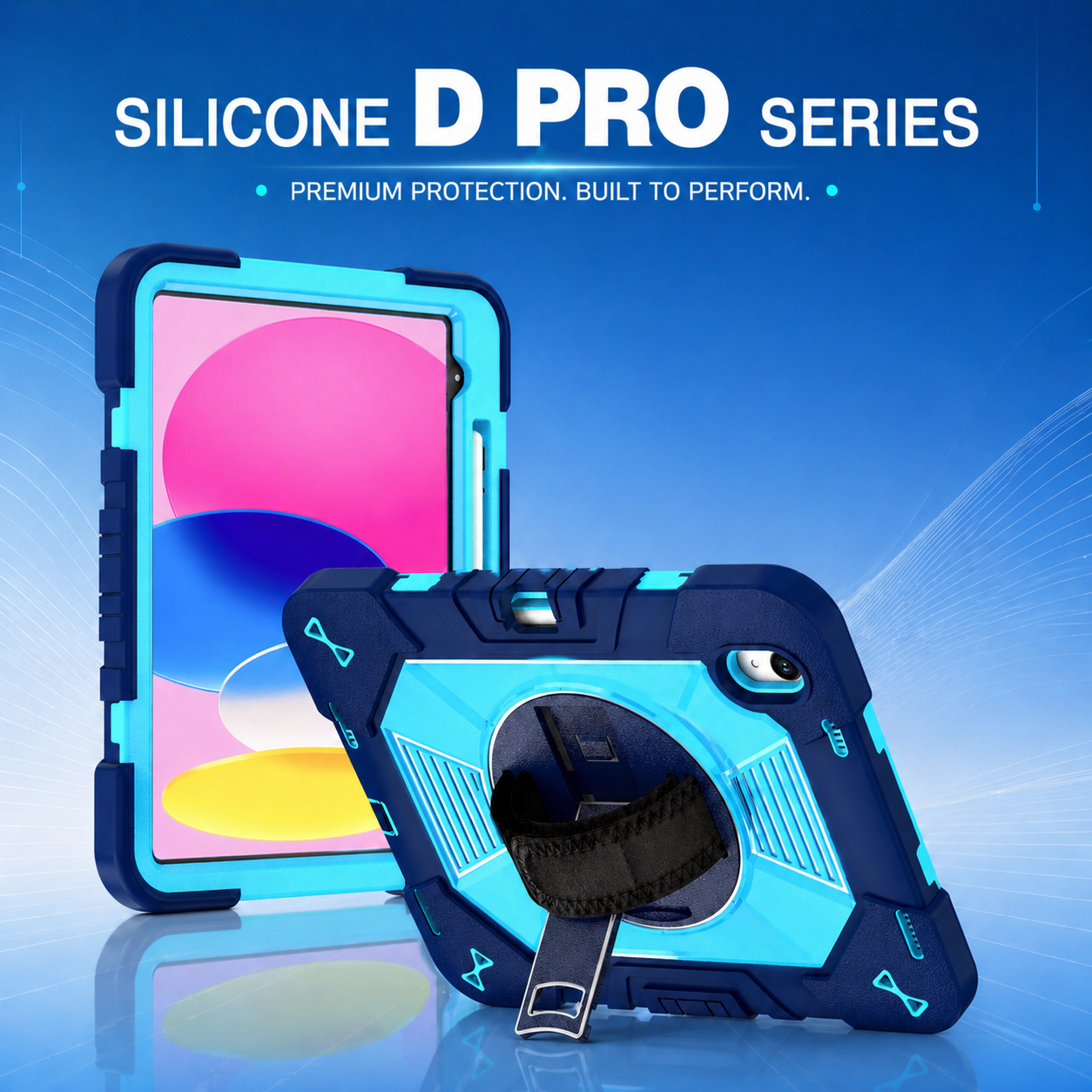
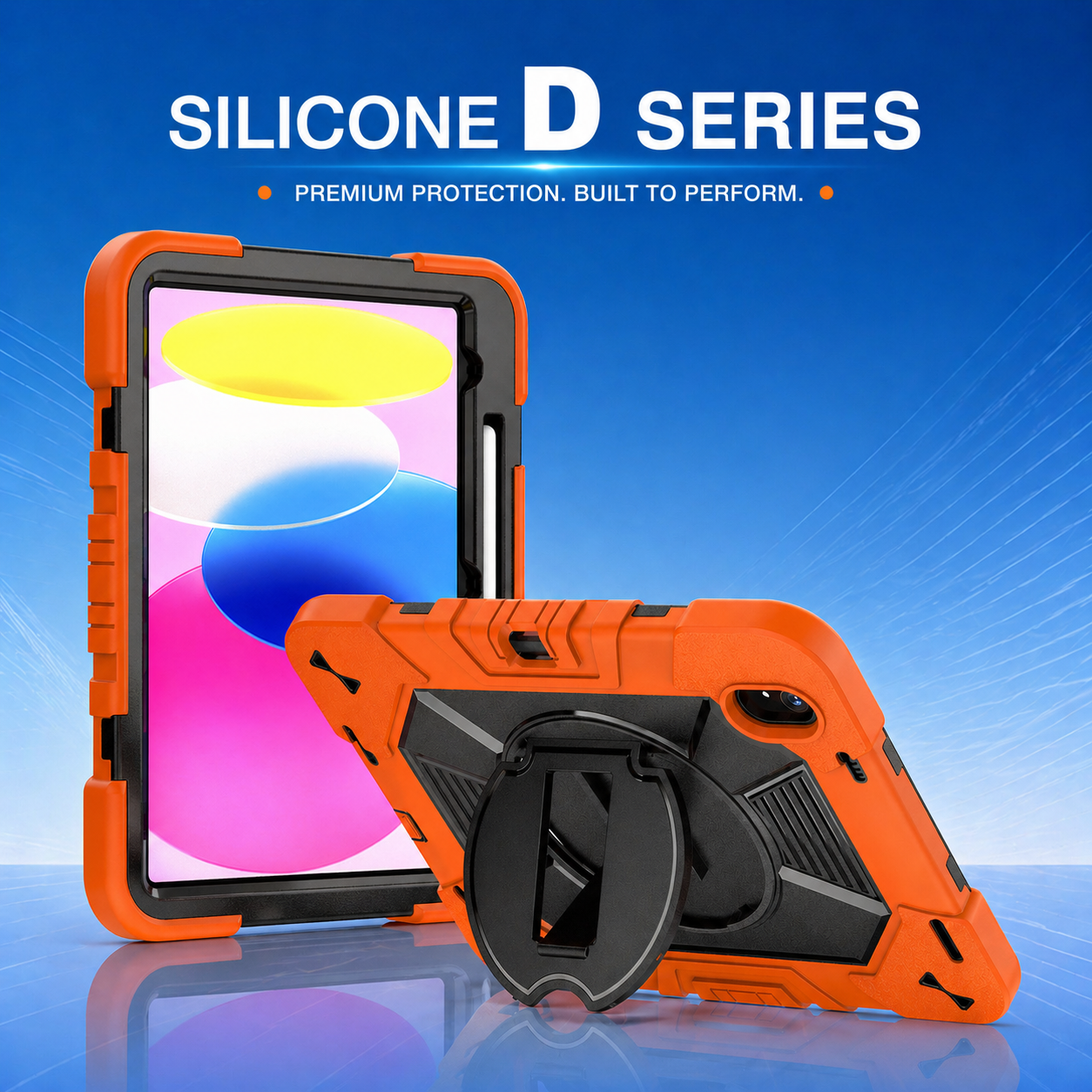
Strong protection begins with structure. Rigid polycarbonate can distribute impact, while flexible TPU or silicone can absorb shock and improve grip. Raised bezels protect screens and cameras, reinforced corners manage the most common impact points, and port covers help reduce contamination. For high-risk environments, a full body protective tablet case can combine a rigid shell, shock-absorbing outer layer, and integrated screen protection into one coordinated system.
However, physical strength alone is not enough. A case that makes a tablet difficult to hold, charge, clean, mount, or operate will create new problems. Employees may remove it, managers may buy unapproved accessories, and charging stations may become incompatible. The best protection solution keeps controls accessible, supports repeated use, and reduces the number of steps required to complete a task.
Deployment design is equally important. A business may need serialized packaging, device-model labeling, custom colors, logo application, private-label presentation, multilingual instructions, replacement parts, or batch consistency across several years. These details are rarely available from a basic retail product, yet they directly affect rollout speed and support costs.
Total cost is larger than the purchase price
Tablet damage creates more than a repair bill. It can interrupt a route, delay a medical workflow, stop a production check, or leave a classroom without a functioning device. The real cost includes employee downtime, data reconfiguration, shipping, spare-device inventory, IT labor, and lost productivity. A low-cost case can become expensive when failure rates rise across hundreds or thousands of devices.
Procurement teams should compare protection options using lifecycle metrics: incident rate, replacement frequency, average repair cost, time to redeploy, accessory compatibility, and expected service life. A heavy duty rugged Case should justify its value by reducing operational disruption, not simply by adding thickness.
Operational ergonomics belongs in the protection strategy
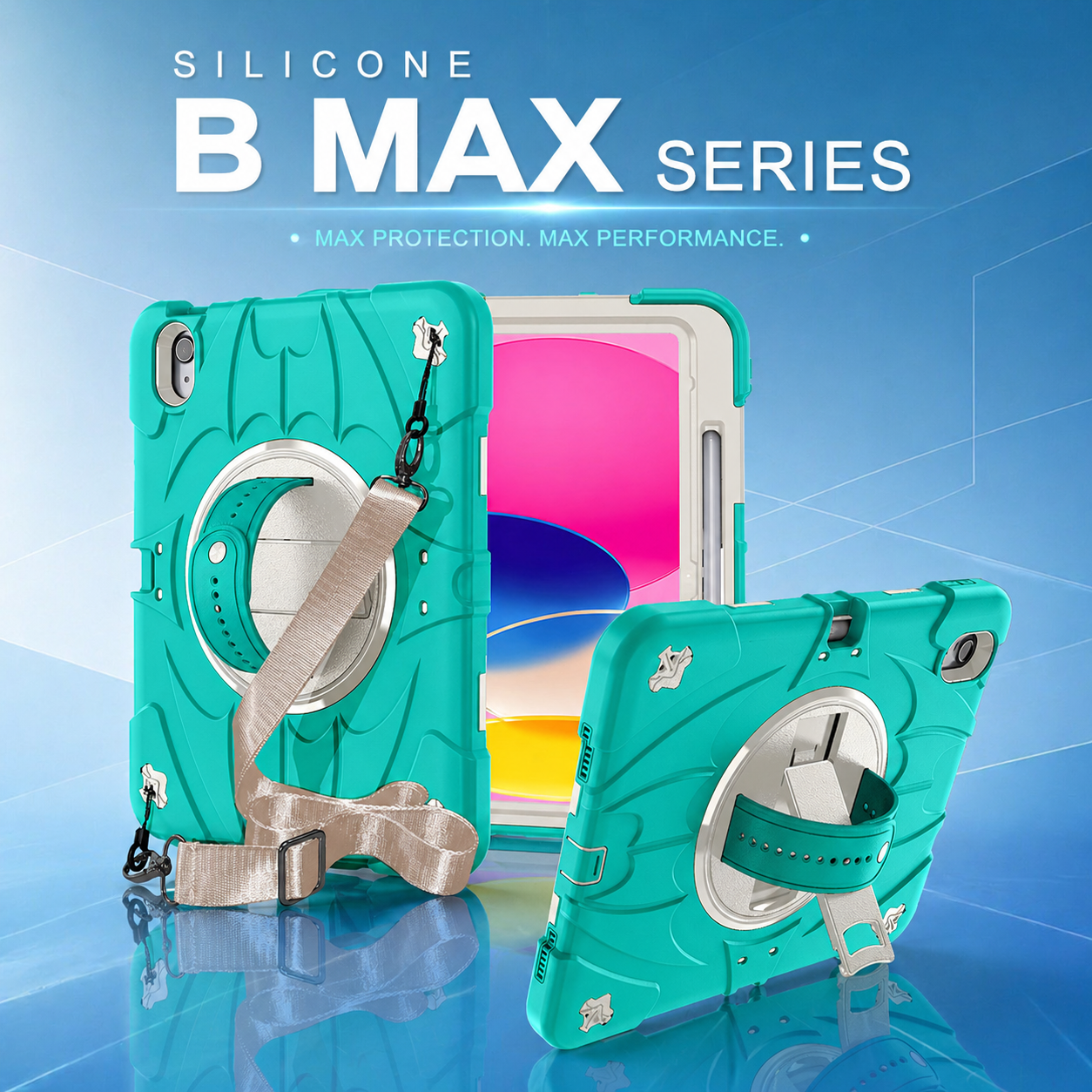
Modern enterprise mobility requires long periods of handheld use. Rotating hand straps, adjustable shoulder straps, kickstands, and vehicle mounts can reduce fatigue and support safer movement. The position of the strap matters, as does the balance of the combined tablet and case. A stand should remain stable during touch input, not only while the screen is being viewed.
Accessibility also matters. Buttons should have clear tactile feedback. The camera, microphone, speakers, scanners, and stylus must remain functional. In education and healthcare, smooth surfaces and removable components can improve cleaning. In logistics, glove-friendly controls and secure grips may be more important than a slim profile.
Customization creates a better operational fit
OEM and ODM programs allow organizations to move beyond one-size-fits-all accessories. A manufacturer can adjust materials, corner geometry, kickstand resistance, hand-strap design, port openings, screen-protector options, color, branding, and packaging. For a multi-site rollout, consistent specifications can reduce training and simplify replacement purchasing.
Customization should begin with a design brief that includes device model, application environment, user group, annual volume, target certifications, packaging requirements, and delivery schedule. Early samples should be tested by real users under realistic conditions. Feedback about grip, mounting, cleaning, button response, and charging compatibility is as valuable as drop-test data.
What businesses should demand in 2026
Material specifications and a clear explanation of how each layer manages impact.
Documented compatibility with cameras, ports, charging systems, scanners, and mounts.
Repeatable quality control for fit, dimensions, kickstands, straps, and molded components.
Sample validation before mass production, followed by controlled change management.
Packaging, labeling, branding, and spare-part options that support enterprise deployment.
A supply plan that can support replenishment after the initial order.
The central lesson is simple: tablet protection is now part of business infrastructure. Organizations should evaluate it with the same discipline used for devices, software, and network access. The right solution protects hardware, supports people, and keeps work moving.
Next article: how heavy-duty rugged protection should be evaluated through drop testing and daily operations.





.png)
+86 13422271740
.png)
info@tongmeitech.com
.png)
No. 34, Mashe Section, Guihe Road, Lishui Town, Foshan, Guangdong, China