- 1
- BLACKL
- TABLETAPPLE iPad Mini 8NEW iPad A16(2025) iPad 10.9" 10th (2022) iPad 10.2" (7th/8th/9th) iPad Air 13" (M2/M3/M4)(2024/2025/2026)NEW iPad Air 11" (M2/M3/M4)(2024/2025/2026)NEW iPad Mini 8.3" (A7 Pro/6th Gen) iPad Pro13"(M4/M5)(2024/2025) iPad Pro11"(M4/M5)(2026) iPad 9.7" (5th/6th Gen) iPad Pro 12.9"(2018-2022) iPad Pro 11"(2018-2022) iPad 9.7"(2th/3th/4th) iPad Air 10.9"(4th/5th Gen) iPad Mini 7.9"(4th/5th Gen)SAMSUNG Galaxy Tab A11 Galaxy Tab A11 Plus Galaxy Tab S11 Galaxy Tab S12 PlusNEW Galaxy Tab S12 UltraNEW Galaxy Tab A9+ Galaxy Tab A9 Galaxy Tab A8 Galaxy Tab A7 Galaxy Tab A7 Lite Galaxy Tab S11 Ultra/S10 Ultra/S9 Ultra/S8 Ultra Galaxy Tab S10+/S9+/S9 FE+ Galaxy Tab S10Lite/S10 FE/S9 FE/S9 Galaxy Tab S8+/S7+/S7 FE Galaxy Tab S8/S7 Galaxy Tab S6 lite Galaxy Tab A10.1 Galaxy Tab A8.4 Galaxy Tab A8.0 Galaxy Tab S10 FE+LENOVO iDea tab 11/Tab K11 Gen 2 /Xiaoxin Pad 11 2025 Lenovo Tab K9 (Tab One) 2025 Lenovo Tab M10 10.1"(2025) Lenovo Tab M10 Plus 10.6" (3rd Gen) Lenovo Tab M10 HD 10.1" (3rd Gen) Lenovo K10/M10 Plus 10.3" (2nd Gen) Lenovo Tab M10 HD 10.1" (2nd Gen)XIAOMI Redmi Pad 2 9.7 InchNEW Xiaomi Pad8/8Pro 11.2" Redmi Pad2/Pad2.4G Xiaomi Pad 6/6 Pro 11" Redmi Pad 10.61" Redmi Pad Se 11" Redmi pad Se 4G 8.7" Xiaomi Pad7/7 Pro 11.2" Redmi Pad Pro/Xiaomi Poco Pad/Redmi Pad2 Pro 12.1HUAWEI Huawei Matepad Se 10.4" Huawei Matepad 11" Huawei Matepad 11.5" Huawei Matepad SE 11" Huawei Matepad T8 8" Huawei Matepad T10 9.7"
- CATEGORIES






2026 Warehouse Technology Outlook: Why Industrial Tablet Adoption Will Surpass 65%
As the warehousing and logistics industry continues its rapid digital transformation, industrial tablets have emerged as one of the most critical technologies enabling real-time visibility, operational efficiency, and workforce mobility. Industry analysts predict that by 2026, industrial-grade tablet penetration across warehouses and logistics operations will exceed 65%, marking a significant shift away from traditional paper-based processes and legacy handheld systems.
This growth is being driven by several key factors, including increasing e-commerce demand, labor shortages, automation initiatives, and the need for more accurate inventory management. Organizations are investing heavily in mobile computing infrastructure to remain competitive in a market where speed, accuracy, and operational flexibility are essential.
The Growing Demand for Mobile Warehouse Operations
Modern warehouses are becoming highly connected environments where workers require instant access to inventory data, order status, shipment tracking information, and warehouse management systems (WMS). Industrial tablets provide a centralized platform that allows employees to perform multiple tasks from a single device.
Unlike traditional desktop terminals, tablets enable warehouse personnel to move freely throughout facilities while maintaining access to critical business information. This mobility significantly improves picking accuracy, replenishment efficiency, cycle counting processes, and overall productivity.
The rise of omnichannel fulfillment has further accelerated demand for mobile technology. Customers now expect faster delivery times, accurate order tracking, and seamless purchasing experiences. To meet these expectations, logistics providers must equip their workforce with tools that support real-time decision-making.
Why Industrial Tablets Are Replacing Legacy Devices
Industrial tablets offer several advantages over older handheld scanners and fixed workstations:
Enhanced Processing Power
Today's industrial tablets can run advanced warehouse applications, AI-powered analytics tools, and cloud-based management systems simultaneously. This allows employees to access more information and complete tasks more efficiently.
Larger Displays
Compared to traditional handheld devices, tablets provide larger screens that improve data visibility, navigation, and user experience. This reduces training requirements and minimizes operational errors.
Better Connectivity
Modern industrial tablets support Wi-Fi 6, 5G connectivity, Bluetooth integration, and IoT device communication, enabling seamless interaction with warehouse systems and automated equipment.
Increased Flexibility
Organizations can customize tablet deployments based on operational requirements, integrating barcode scanners, RFID readers, vehicle mounts, and specialized protective accessories.
Durability Remains a Top Priority
While functionality is important, durability remains one of the most critical purchasing factors for industrial environments.
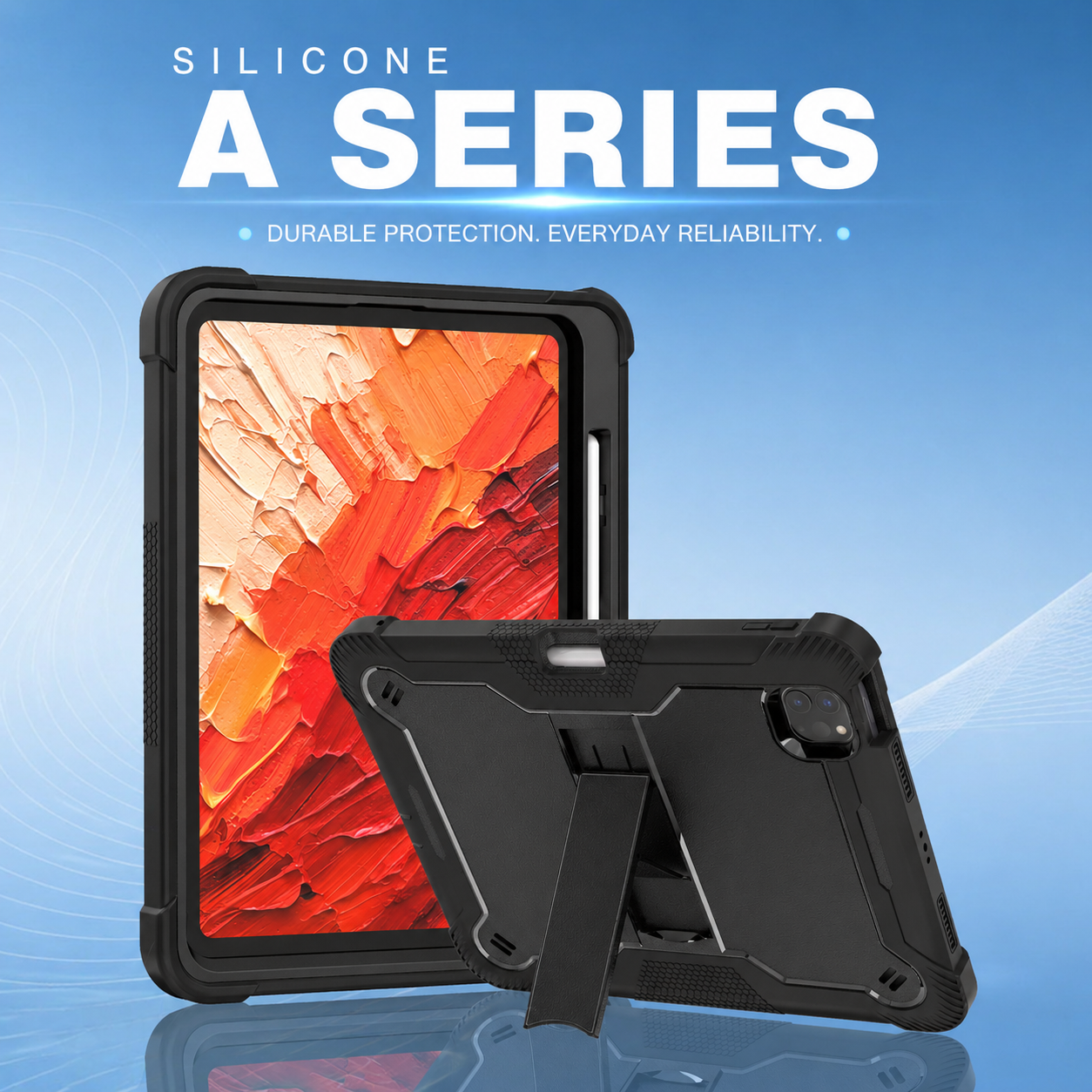
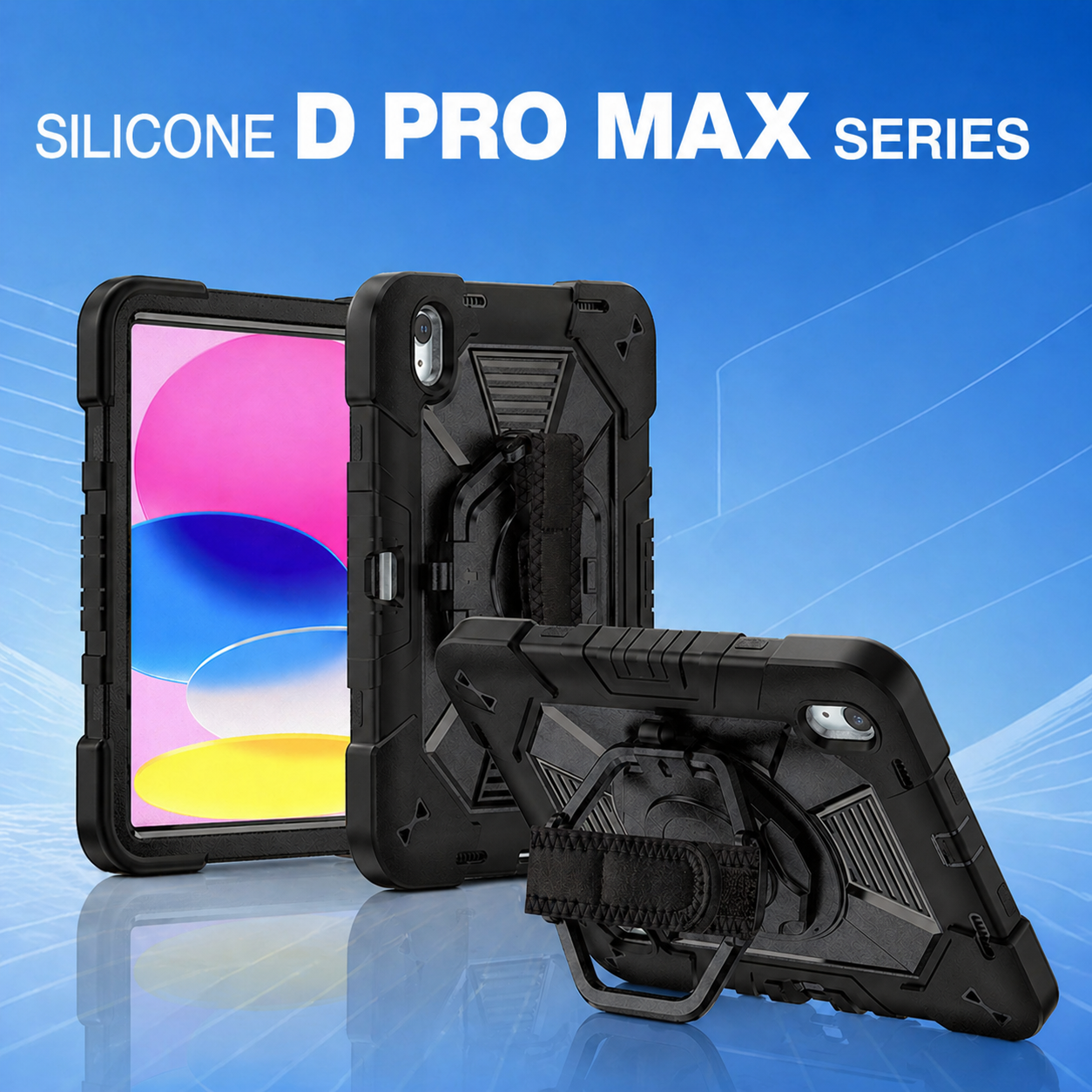
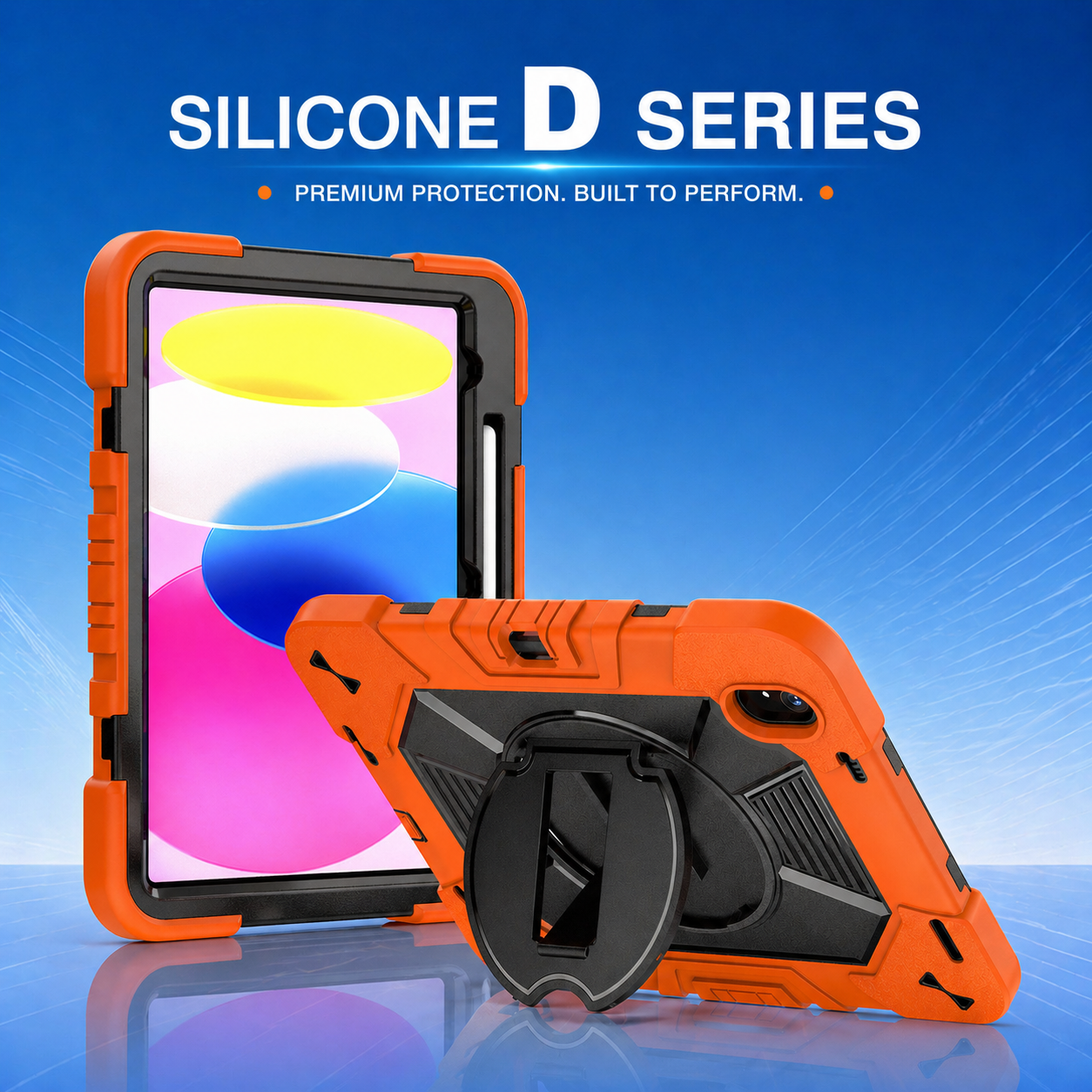
Warehouses expose devices to frequent drops, vibration, dust, moisture, and temperature fluctuations. As a result, many companies invest in a rugged tablet case to enhance device protection and extend hardware lifespan.
Protective accessories significantly reduce maintenance expenses and device replacement costs while improving overall operational uptime.
Many logistics operators also utilize a heavy duty rugged case designed specifically for harsh industrial environments. These solutions provide enhanced impact resistance and help devices withstand the demanding conditions commonly found in distribution centers, transportation hubs, and manufacturing facilities.
The Role of Device Protection in ROI
As industrial tablet deployments scale across multiple facilities, organizations are paying greater attention to total cost of ownership (TCO).
A damaged tablet can result in:
Operational downtime
Employee productivity loss
Repair expenses
Data access disruptions
Device replacement costs
To address these challenges, companies increasingly deploy a TPU tablet case that combines flexibility, shock absorption, and lightweight protection. TPU materials help reduce damage caused by accidental drops while maintaining device usability.
When multiplied across hundreds or even thousands of deployed devices, protective solutions can generate substantial long-term cost savings.
Cloud Technology and Real-Time Visibility
Cloud-based warehouse management platforms have become a major catalyst for industrial tablet adoption.
With cloud integration, warehouse personnel can:
Access inventory information instantly
Update stock levels in real time
Track incoming and outgoing shipments
Monitor workforce performance
Generate operational reports from anywhere
This real-time visibility enables organizations to make faster and more informed decisions while reducing costly inventory inaccuracies.
As supply chains become increasingly complex, the ability to access and share data instantly is becoming a competitive necessity rather than a luxury.
Automation and Industrial Mobility
Industrial tablets are also playing a central role in warehouse automation initiatives.
Many facilities now integrate tablets with:
Automated Guided Vehicles (AGVs)
Autonomous Mobile Robots (AMRs)
RFID systems
Voice-picking solutions
AI-powered inventory management platforms
These integrations create connected ecosystems where employees and automated systems work together more efficiently.
Industrial tablets serve as the interface that allows workers to monitor operations, receive alerts, and manage workflows in real time.
Looking Toward 2026
The industrial mobility market is expected to experience sustained growth over the next several years. Factors contributing to this trend include:
Continued e-commerce expansion
Labor efficiency requirements
Warehouse automation investments
Supply chain digitization
Improved wireless infrastructure
Increased cloud adoption
As organizations continue modernizing their operations, industrial tablets will become standard equipment across warehouses and logistics facilities worldwide.
Industry forecasts indicating penetration rates above 65% by 2026 reflect not only growing technology adoption but also the increasing importance of mobility, connectivity, and operational intelligence in modern supply chain management.
Companies that invest early in industrial tablet ecosystems, supported by appropriate protective solutions and integrated software platforms, will be better positioned to improve efficiency, reduce operational costs, and maintain a competitive advantage in the evolving logistics landscape.





.png)
+86 13422271740
.png)
info@tongmeitech.com
.png)
No. 34, Mashe Section, Guihe Road, Lishui Town, Foshan, Guangdong, China