- 1
- BLACKL
- TABLETAPPLE iPad Mini 8NEW iPad A16(2025) iPad 10.9" 10th (2022) iPad 10.2" (7th/8th/9th) iPad Air 13" (M2/M3/M4)(2024/2025/2026)NEW iPad Air 11" (M2/M3/M4)(2024/2025/2026)NEW iPad Mini 8.3" (A7 Pro/6th Gen) iPad Pro13"(M4/M5)(2024/2025) iPad Pro11"(M4/M5)(2026) iPad 9.7" (5th/6th Gen) iPad Pro 12.9"(2018-2022) iPad Pro 11"(2018-2022) iPad 9.7"(2th/3th/4th) iPad Air 10.9"(4th/5th Gen) iPad Mini 7.9"(4th/5th Gen)SAMSUNG Galaxy Tab A11 Galaxy Tab A11 Plus Galaxy Tab S11 Galaxy Tab S12 PlusNEW Galaxy Tab S12 UltraNEW Galaxy Tab A9+ Galaxy Tab A9 Galaxy Tab A8 Galaxy Tab A7 Galaxy Tab A7 Lite Galaxy Tab S11 Ultra/S10 Ultra/S9 Ultra/S8 Ultra Galaxy Tab S10+/S9+/S9 FE+ Galaxy Tab S10Lite/S10 FE/S9 FE/S9 Galaxy Tab S8+/S7+/S7 FE Galaxy Tab S8/S7 Galaxy Tab S6 lite Galaxy Tab A10.1 Galaxy Tab A8.4 Galaxy Tab A8.0 Galaxy Tab S10 FE+LENOVO iDea tab 11/Tab K11 Gen 2 /Xiaoxin Pad 11 2025 Lenovo Tab K9 (Tab One) 2025 Lenovo Tab M10 10.1"(2025) Lenovo Tab M10 Plus 10.6" (3rd Gen) Lenovo Tab M10 HD 10.1" (3rd Gen) Lenovo K10/M10 Plus 10.3" (2nd Gen) Lenovo Tab M10 HD 10.1" (2nd Gen)XIAOMI Redmi Pad 2 9.7 InchNEW Xiaomi Pad8/8Pro 11.2" Redmi Pad2/Pad2.4G Xiaomi Pad 6/6 Pro 11" Redmi Pad 10.61" Redmi Pad Se 11" Redmi pad Se 4G 8.7" Xiaomi Pad7/7 Pro 11.2" Redmi Pad Pro/Xiaomi Poco Pad/Redmi Pad2 Pro 12.1HUAWEI Huawei Matepad Se 10.4" Huawei Matepad 11" Huawei Matepad 11.5" Huawei Matepad SE 11" Huawei Matepad T8 8" Huawei Matepad T10 9.7"
- CATEGORIES






Rugged Tablet Case Mold Design: DFM Rules That Prevent Production Failure
A rugged case can look complete in a rendering and still be difficult, expensive, or unstable to manufacture. The gap between a promising concept and a production-ready product is closed through design for manufacturing. DFM translates protection goals into geometry that can be molded repeatedly, assembled efficiently, inspected objectively, and maintained throughout the life of the program. For rugged tablet accessories, that means balancing impact absorption, device retention, port access, moving features, surface quality, and tooling simplicity from the first engineering review.
1. Start with Reliable Device Data
Tooling decisions should never be based only on public tablet dimensions. Engineers need accurate three-dimensional data and physical devices because button travel, speaker openings, camera protrusions, connector depth, and corner radii often differ from simplified specifications. The design team builds a tolerance model around the real tablet, then defines safe clearances for installation, removal, heat expansion, and cosmetic variation.
Retention points require special attention. Too little engagement can allow the tablet to release during a drop. Too much engagement can make installation difficult or place continuous stress on the screen and frame. Good DFM therefore treats device fit as a controlled system rather than a single nominal measurement.
2. Establish a Practical Parting Strategy
The parting line determines how the core and cavity separate. Its position affects appearance, flash risk, polishing access, mold complexity, and later trimming. Engineers try to keep the line away from critical contact surfaces and visible areas while avoiding unnecessary sliders. Camera openings, port covers, stand pockets, and strap anchors may create undercuts that require side actions or lifters.
3. Control Wall Thickness and Rib Design
Uniform wall thickness supports predictable filling and cooling. Thick sections can create sink marks, voids, long cycles, and uneven shrinkage, while thin sections may short-shot or become weak. Structural ribs should reinforce the shell without becoming so thick that they print through the outside surface. Bosses for screws, hinges, and hardware need proper support and spacing from exterior walls.
A stable Injection Molding Process begins with geometry that allows the material to flow without extreme pressure. When thickness transitions are necessary, gradual changes reduce hesitation and internal stress. Corners should use radii rather than sharp intersections, especially in areas expected to absorb impact.
4. Design Draft, Texture, and Ejection Together
Ejector pins must push on strong, supported areas. Poor placement can mark cosmetic surfaces, deform thin walls, or damage snap features. Large shells may require a balanced pattern of pins, sleeves, or stripper systems. During trial runs, engineers watch for sticking, distortion, and uneven release, then adjust polish, draft, or ejection timing.
_Rugged_Tablet_Case.png)
5. Plan Gates, Vents, and Cooling
Gate location affects flow direction, weld lines, pressure, and vestige visibility. For rugged shells, the filling pattern should protect corners, locking features, and hinge zones from weak knit lines. Vents release trapped air that could otherwise create burns, incomplete filling, or inconsistent surfaces. Mold-flow simulation is useful, but trial data must confirm the final setup.
Cooling design is equally important because most cycle time is spent removing heat. Uneven cooling can warp the shell and shift device fit. Channels should follow critical contours where possible, and inserts may need dedicated cooling. A fast cycle is valuable only when dimensions remain stable.
6. Engineer the Flexible Protection Layer
The outer bumper must absorb energy while maintaining access to controls. In TPU Injection Molding, flow length, gate size, venting, shrinkage, and demolding behavior differ from rigid polycarbonate. Thin decorative zones can freeze early, while thick corner cushions may cool slowly. Engineers must also prevent the flexible layer from rolling, stretching, or pulling away during installation.
If the hard and soft parts are assembled separately, locking geometry should resist peeling without creating visible gaps. If overmolding is used, material compatibility and surface preparation become central. The selected architecture should match volume, tooling budget, repair requirements, and the desired appearance.
7. Protect Functional Features
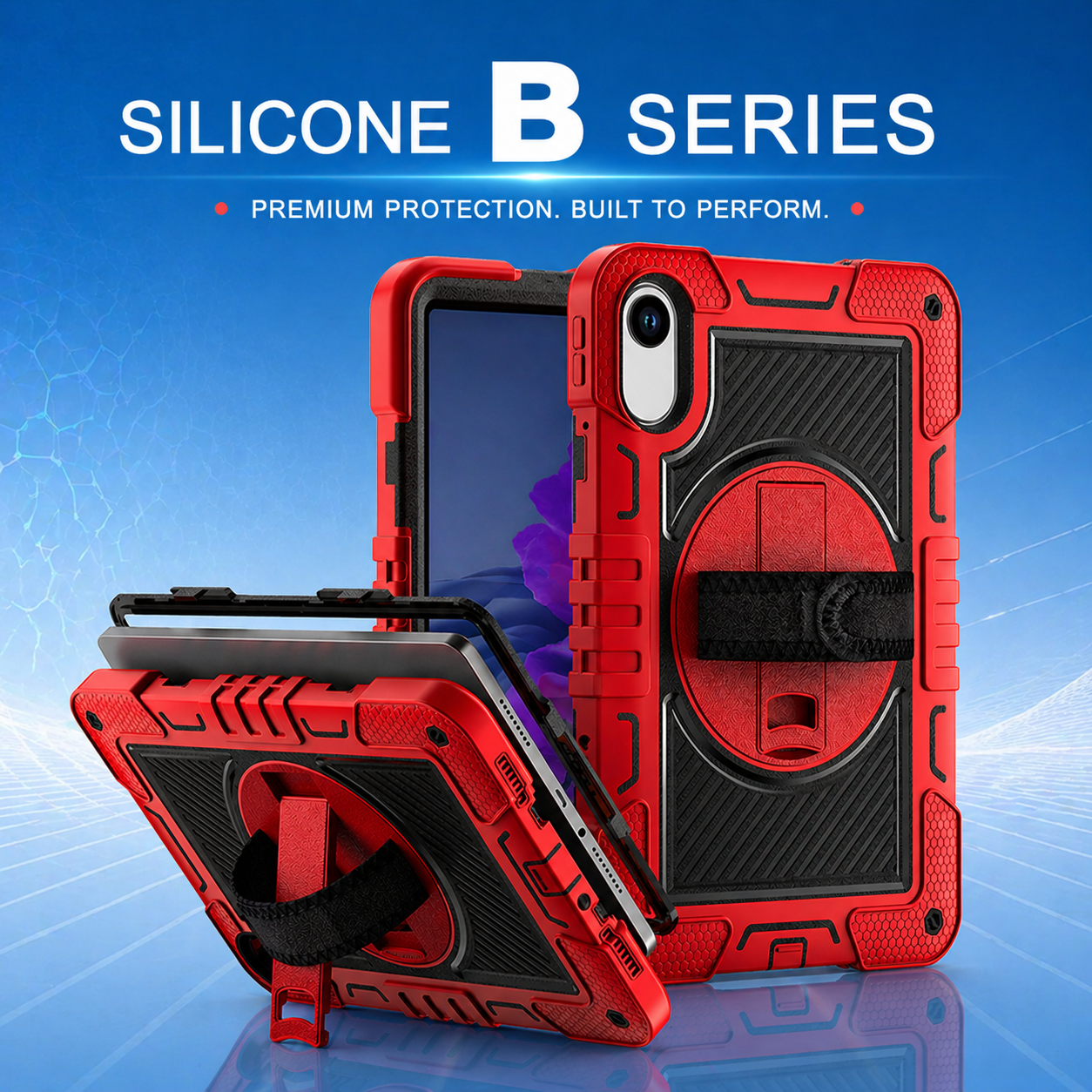
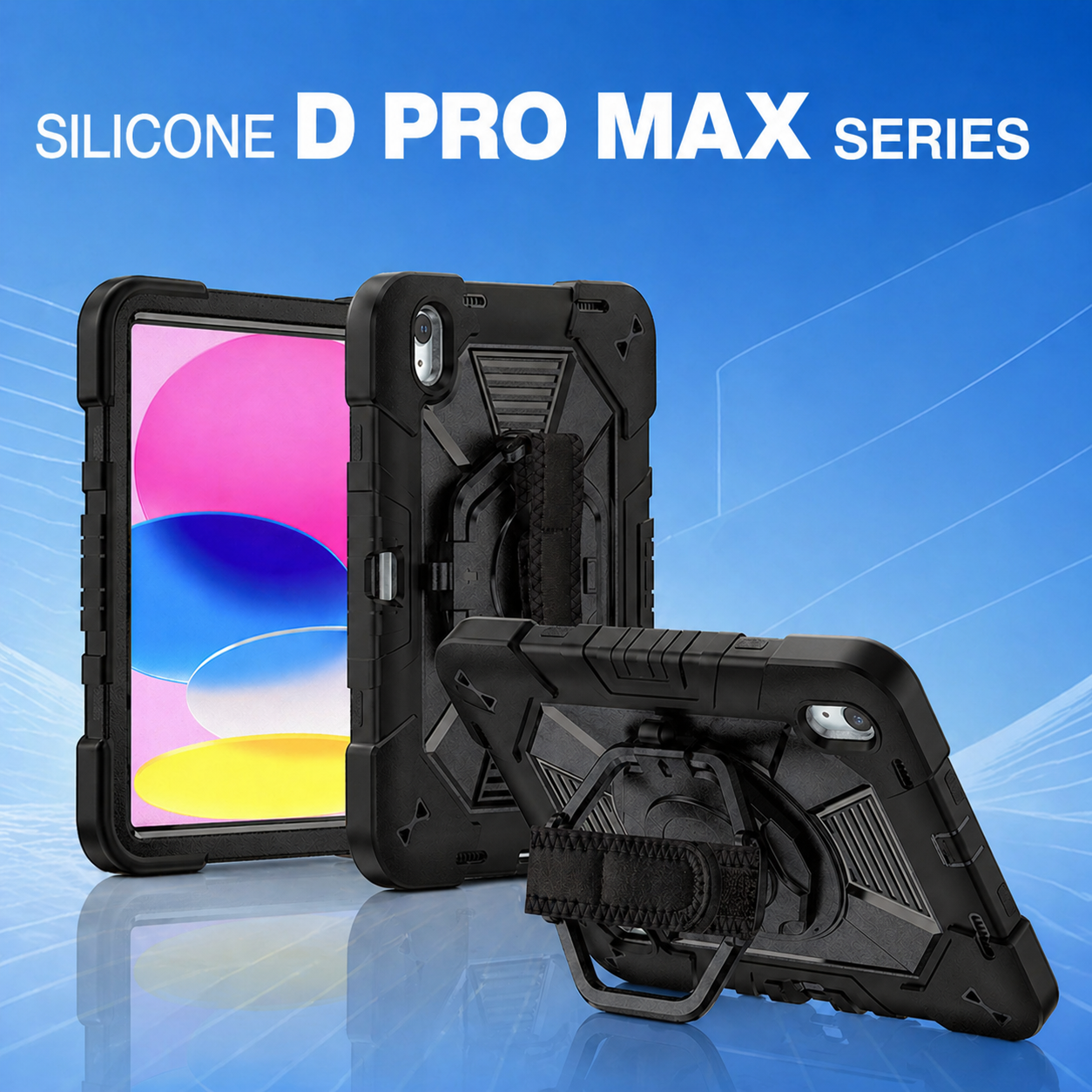
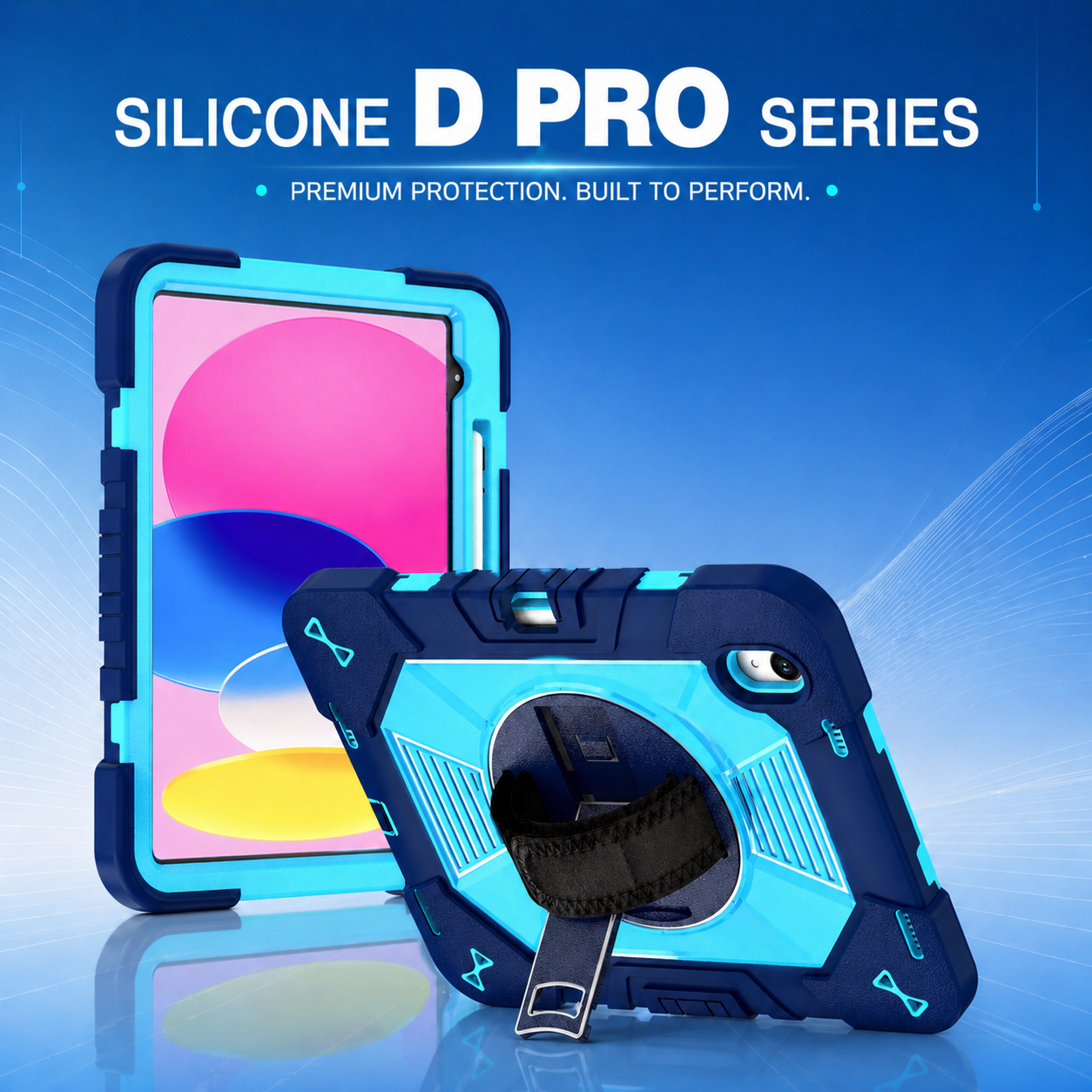
A heavy duty rugged Case often includes a rotating stand, hand strap, shoulder-strap points, screen frame, pencil holder, or port covers. These features create concentrated loads that must transfer into the main structure. Hinge bosses need enough material and support, but they must not cause sink marks. Snap hooks need controlled strain so they survive repeated assembly. Strap anchors require pull testing in the direction users will actually load them.
DFM reviews should include the assembly sequence. A feature that is easy to model may be impossible to install without special fixtures or excessive force. Serviceability also matters when customers expect replaceable straps or stands.
8. Validate Through Tool Trials
The first mold trial is a learning event, not final approval. The team checks filling, flash, ejection, warpage, dimensions, texture, assembly, and real-device fit. Each correction should have a recorded cause, action, and verification result. Steel-safe areas can be adjusted carefully, while risky dimensions may require replaceable inserts.
Production readiness is achieved when the approved part can be reproduced across machines and material lots. Disciplined DFM reduces late tool changes, stabilizes cycle time, and turns a protective concept into a scalable factory product.
Next article: PC, TPU, and silicone material selection
SEO Tags: rugged case DFM review, injection mold engineering, mold flow analysis service, custom rugged case tooling, tablet shell tooling, protective case engineering, custom tablet case manufacturer, OEM tablet case production






.png)
+86 13422271740
.png)
info@tongmeitech.com
.png)
No. 34, Mashe Section, Guihe Road, Lishui Town, Foshan, Guangdong, China