- 1
- BLACKL
- TABLETAPPLE iPad Mini 8NEW iPad A16(2025) iPad 10.9" 10th (2022) iPad 10.2" (7th/8th/9th) iPad Air 13" (M2/M3/M4)(2024/2025/2026)NEW iPad Air 11" (M2/M3/M4)(2024/2025/2026)NEW iPad Mini 8.3" (A7 Pro/6th Gen) iPad Pro13"(M4/M5)(2024/2025) iPad Pro11"(M4/M5)(2026) iPad 9.7" (5th/6th Gen) iPad Pro 12.9"(2018-2022) iPad Pro 11"(2018-2022) iPad 9.7"(2th/3th/4th) iPad Air 10.9"(4th/5th Gen) iPad Mini 7.9"(4th/5th Gen)SAMSUNG Galaxy Tab A11 Galaxy Tab A11 Plus Galaxy Tab S11 Galaxy Tab S12 PlusNEW Galaxy Tab S12 UltraNEW Galaxy Tab A9+ Galaxy Tab A9 Galaxy Tab A8 Galaxy Tab A7 Galaxy Tab A7 Lite Galaxy Tab S11 Ultra/S10 Ultra/S9 Ultra/S8 Ultra Galaxy Tab S10+/S9+/S9 FE+ Galaxy Tab S10Lite/S10 FE/S9 FE/S9 Galaxy Tab S8+/S7+/S7 FE Galaxy Tab S8/S7 Galaxy Tab S6 lite Galaxy Tab A10.1 Galaxy Tab A8.4 Galaxy Tab A8.0 Galaxy Tab S10 FE+LENOVO iDea tab 11/Tab K11 Gen 2 /Xiaoxin Pad 11 2025 Lenovo Tab K9 (Tab One) 2025 Lenovo Tab M10 10.1"(2025) Lenovo Tab M10 Plus 10.6" (3rd Gen) Lenovo Tab M10 HD 10.1" (3rd Gen) Lenovo K10/M10 Plus 10.3" (2nd Gen) Lenovo Tab M10 HD 10.1" (2nd Gen)XIAOMI Redmi Pad 2 9.7 InchNEW Xiaomi Pad8/8Pro 11.2" Redmi Pad2/Pad2.4G Xiaomi Pad 6/6 Pro 11" Redmi Pad 10.61" Redmi Pad Se 11" Redmi pad Se 4G 8.7" Xiaomi Pad7/7 Pro 11.2" Redmi Pad Pro/Xiaomi Poco Pad/Redmi Pad2 Pro 12.1HUAWEI Huawei Matepad Se 10.4" Huawei Matepad 11" Huawei Matepad 11.5" Huawei Matepad SE 11" Huawei Matepad T8 8" Huawei Matepad T10 9.7"
- CATEGORIES

Why Healthcare Facilities Need Heavy Duty Tablet Protection Cases
Tablets have become essential tools across modern hospitals, clinics, laboratories, pharmacies, rehabilitation centers, and long-term care facilities. They support electronic medical records, bedside charting, medication verification, telehealth consultations, patient education, inventory control, and secure team communication. As #HealthcareTechnology expands, healthcare organizations are placing more devices into more hands and more care environments than ever before.
That creates a practical challenge: consumer-grade tablets are not designed for repeated drops, daily disinfection, rushed handoffs, rolling carts, crowded nurse stations, or constant movement between treatment rooms. A heavy duty rugged Case adds a protective layer that helps preserve device performance while supporting the realities of clinical work.
1. Healthcare tablets face unusually demanding conditions
A tablet used at home may sit on a desk for most of the day. A tablet used in healthcare may be carried through hallways, placed on carts, used with gloves, handled by multiple staff members, exposed to cleaning chemicals, and moved quickly during emergencies. Even a minor fall can crack a screen, loosen internal connections, damage a charging port, or remove a critical device from service.
In environments where staff depend on immediate access to patient information, device downtime is more than an inconvenience. It can interrupt workflows, delay documentation, create extra administrative steps, and force teams to share limited equipment. Strong tablet protection helps reduce these disruptions.
2. Drop protection supports continuity of care
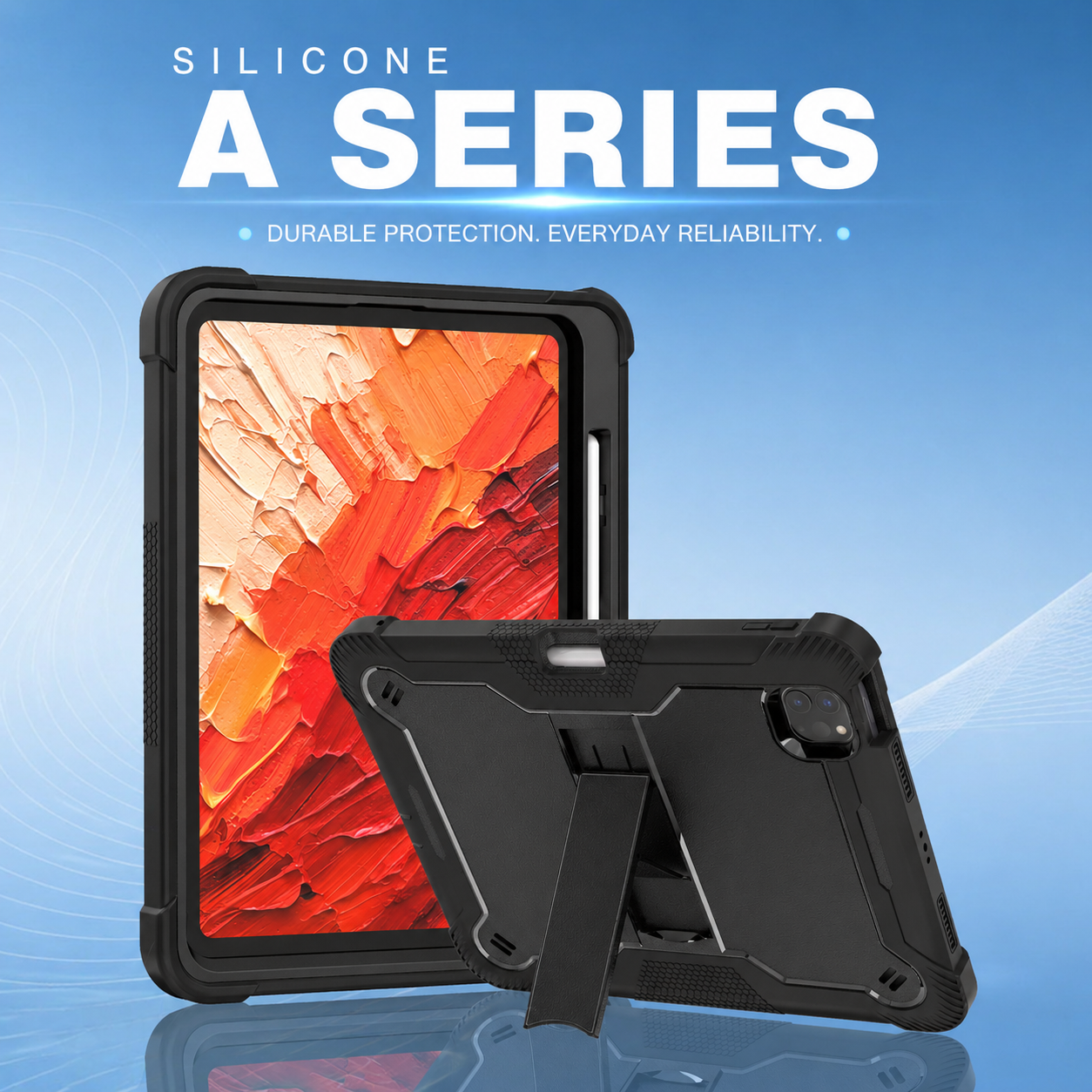
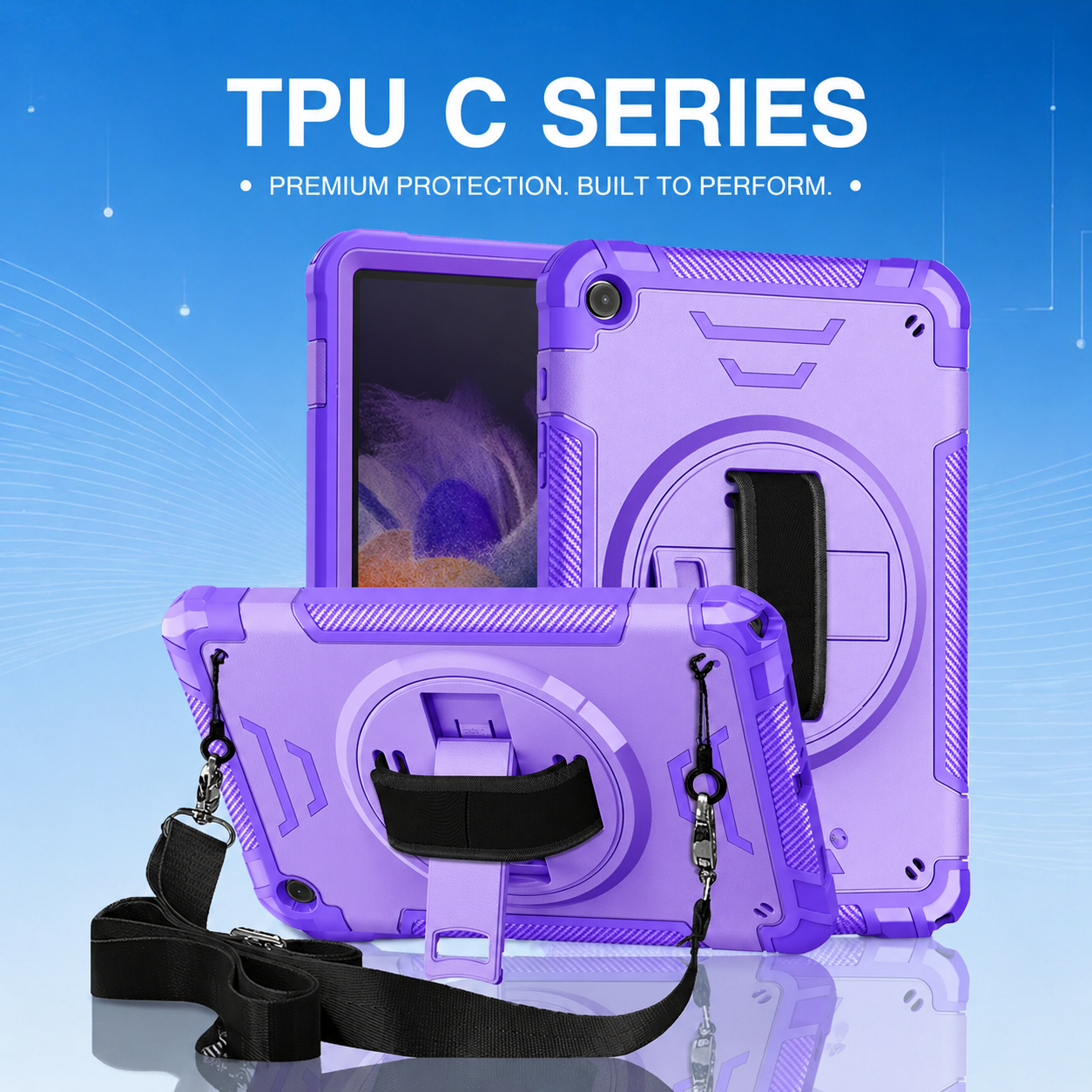
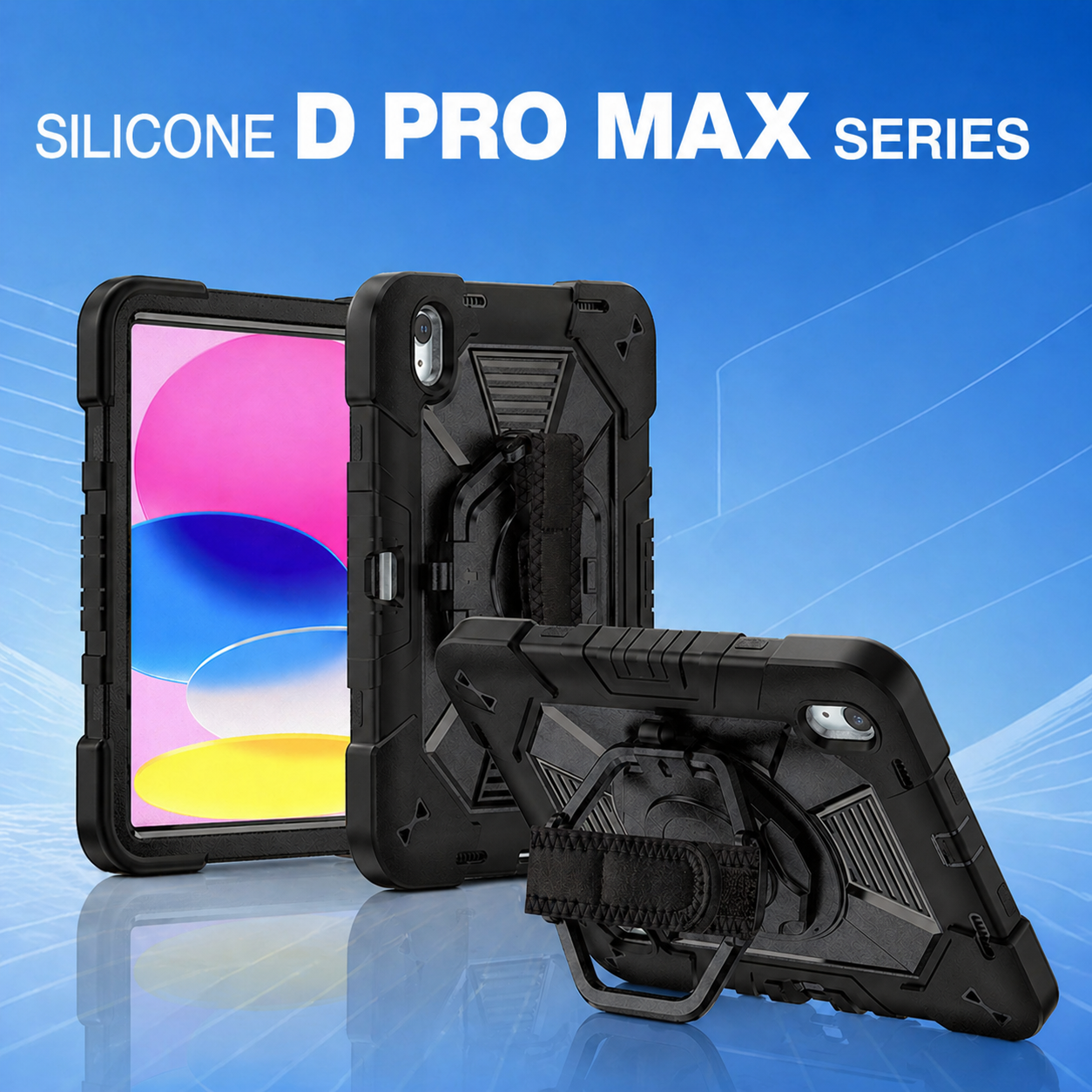
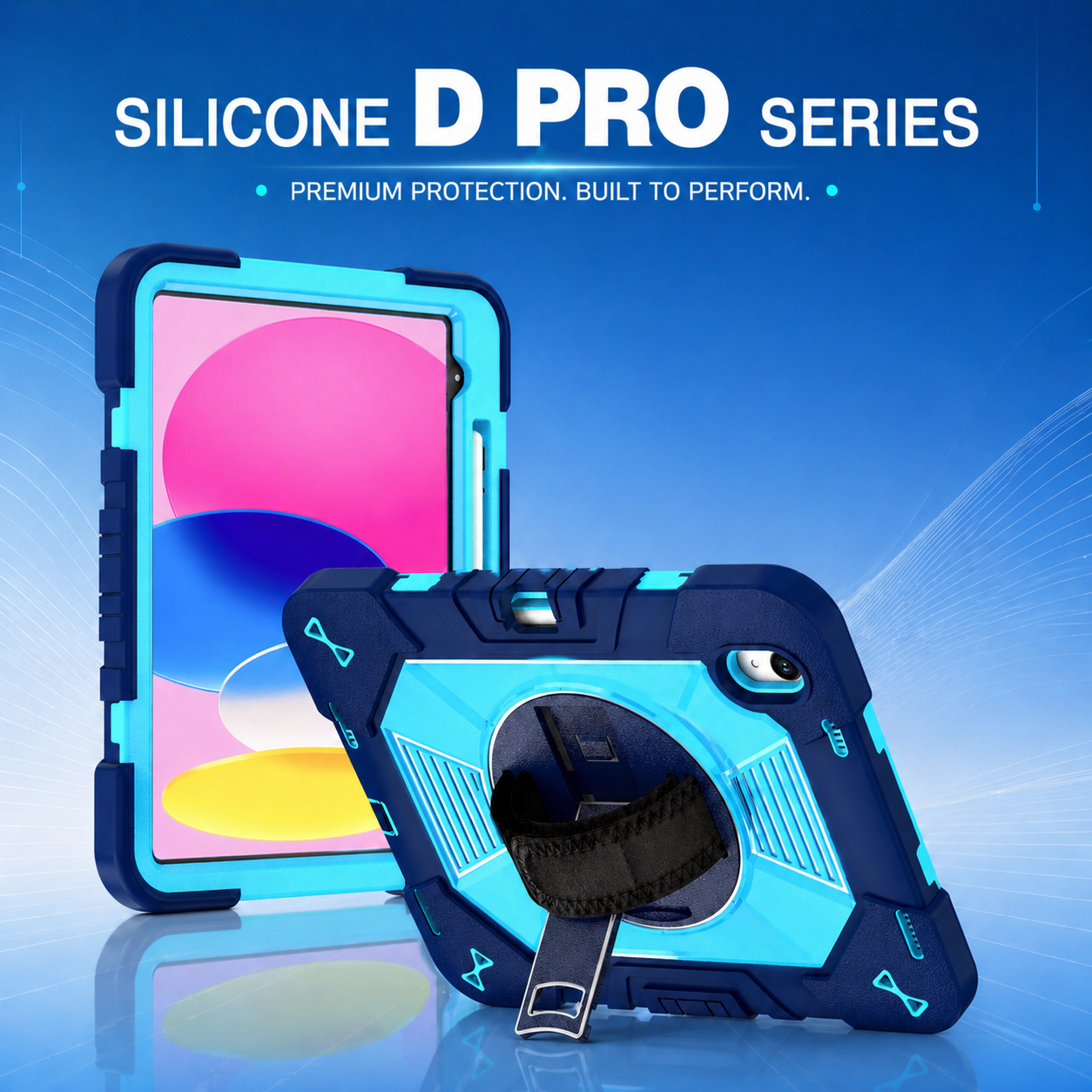
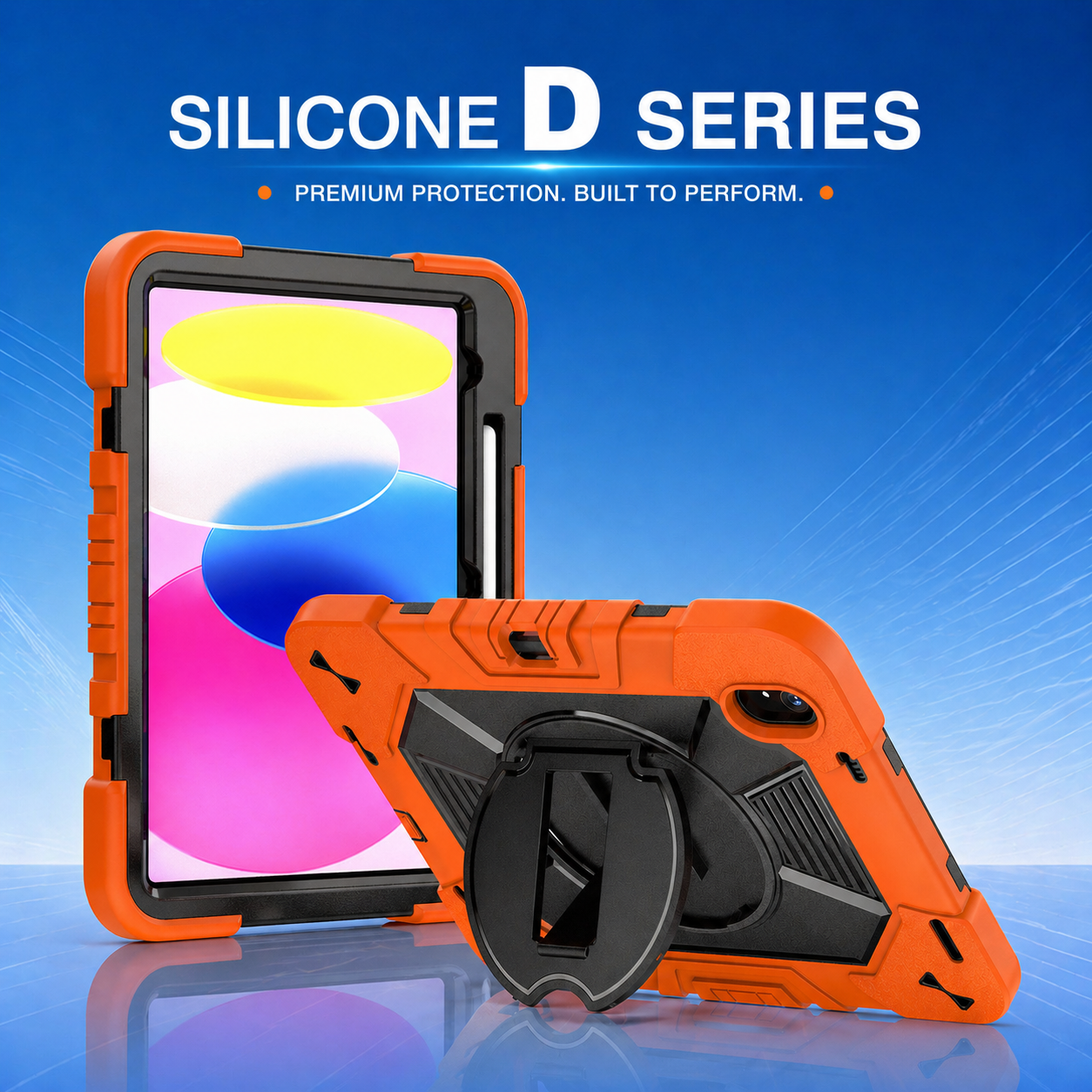
A well-designed healthcare case should include reinforced corners, impact-absorbing materials, a raised screen bezel, port protection, and a rigid structure that distributes force. A full body protective tablet case can help shield the front, back, edges, and vulnerable corners of the device during accidental drops.
This matters because healthcare staff often use tablets while standing, walking, wearing gloves, or balancing other equipment. A device may slip from a cart, fall from a counter, or be dropped during a patient transfer. Rugged protection reduces the chance that one accident will result in repair costs, replacement delays, or lost productivity.
3. Cleanability is part of device protection
Healthcare environments require frequent cleaning. Cases should have surfaces that are easy to wipe, minimal dirt-trapping seams, secure port covers, and materials selected for repeated contact with approved disinfectants. A poorly designed case can trap debris around buttons or create crevices that are difficult to clean.
For this reason, healthcare buyers should evaluate both impact resistance and practical hygiene. The best protective solution balances durability with smooth surfaces, accessible controls, and a structure that can be cleaned without removing the case every day.
4. Better ergonomics improve staff efficiency
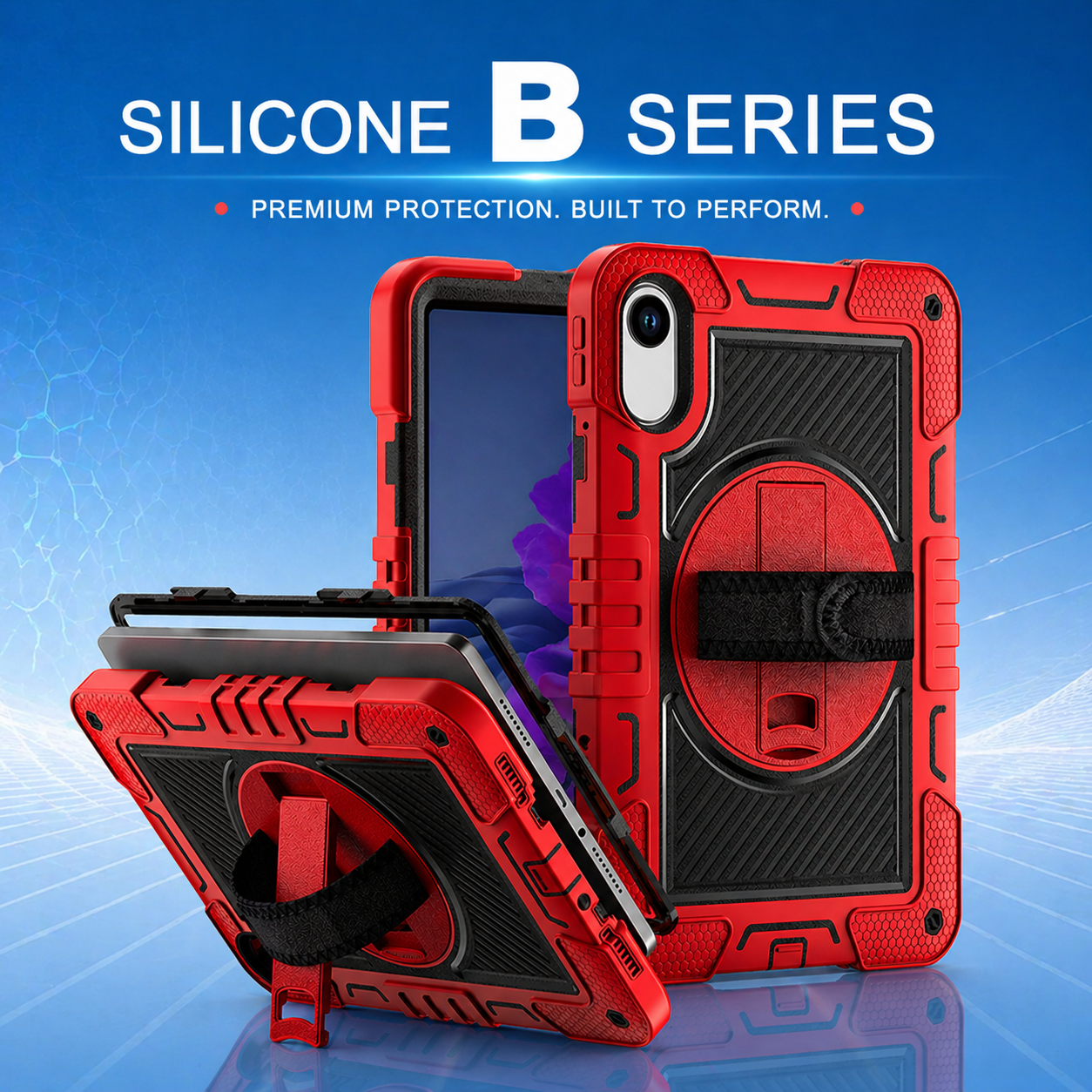
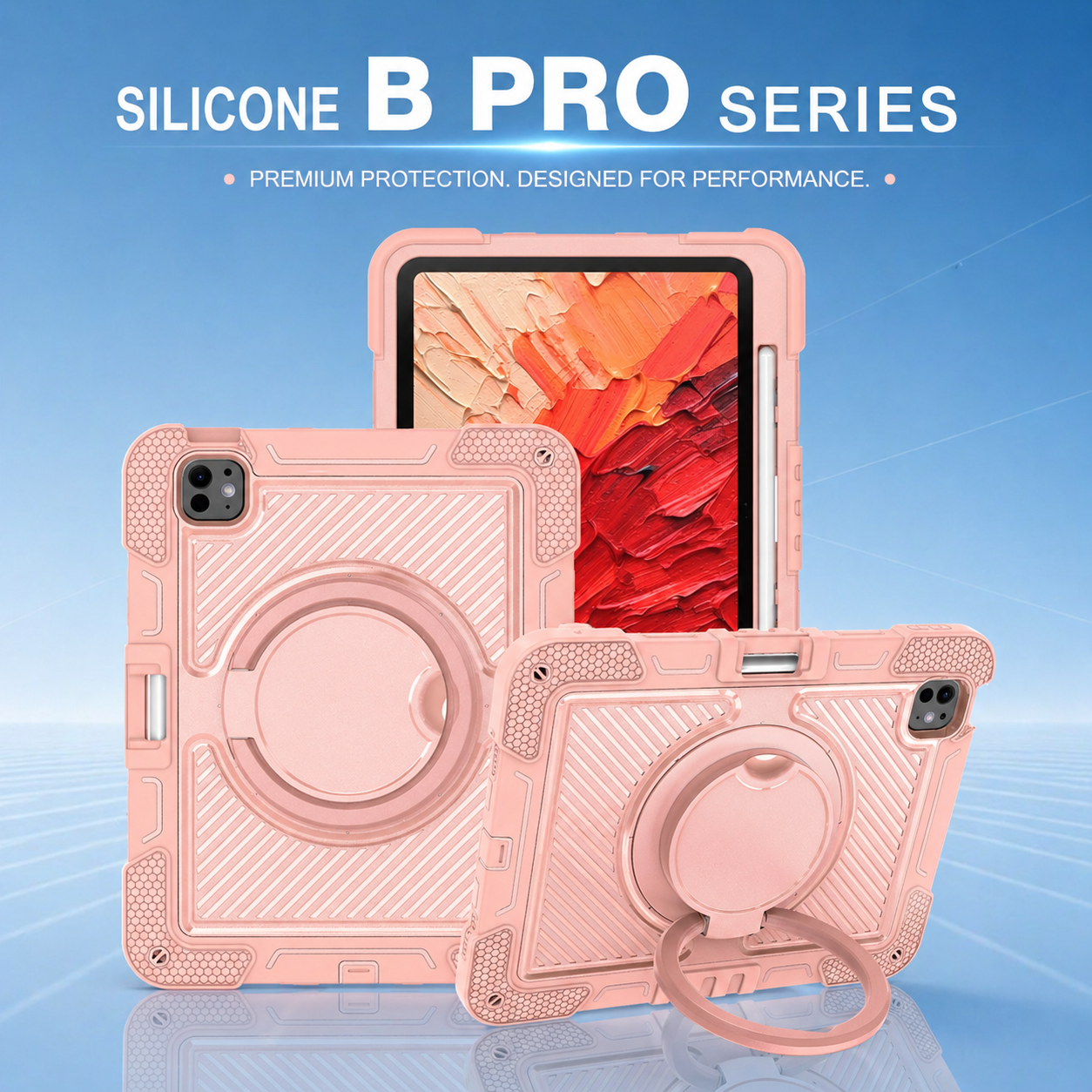
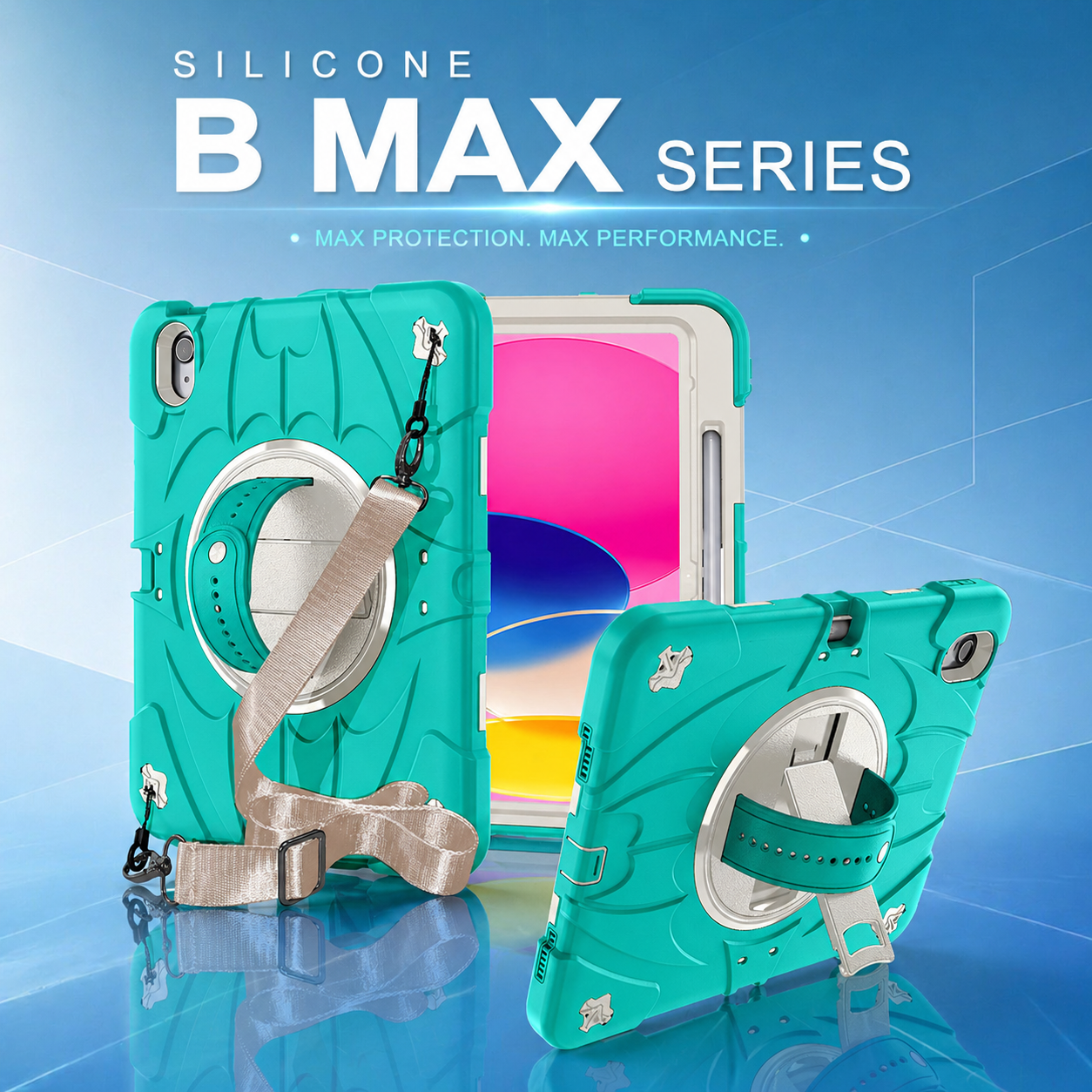
Protection is not only about preventing damage. It is also about making the device easier to use. Features such as rotating hand straps, adjustable kickstands, shoulder straps, wall-mount compatibility, and secure grips can reduce hand fatigue and support different workflows.
A nurse may need to hold a tablet while documenting at the bedside. A physician may need an adjustable viewing angle during a telehealth consultation. A pharmacist may need a stable stand for verification tasks. An ergonomic case turns the tablet into a more practical clinical tool.
5. Rugged cases can lower total ownership cost
The purchase price of a case is small compared with the total cost of a damaged tablet. Repair expenses, replacement procurement, configuration time, lost productivity, shipping, support tickets, and device downtime can all increase the real financial impact of accidental damage.
Healthcare organizations deploying dozens or hundreds of tablets should consider protection as part of lifecycle planning. Standardizing a durable case across a device fleet simplifies purchasing, training, spare parts, and support. It also helps organizations maintain a consistent level of protection across departments.
6. The right design depends on the clinical workflow
Not every healthcare use case requires the same design. Emergency departments may prioritize maximum impact protection. Home-care teams may need shoulder straps and weather resistance. Telehealth programs may value stable kickstands and camera access. Pediatric environments may need soft-touch edges and safer handling. Laboratories may need secure grips and easy-clean surfaces.
Before selecting a case, buyers should review device model, charging method, cleaning protocol, mounting needs, accessory compatibility, and expected drop risk. OEM and custom manufacturing options can also provide branded colors, private-label packaging, special hand straps, scanner compatibility, or unique stand configurations.
7. What healthcare buyers should look for
A strong healthcare tablet case should offer multi-layer construction, reinforced corners, screen-edge protection, reliable button access, protected charging ports, ergonomic carrying options, stable stand positions, and materials appropriate for repeated use. It should also fit the exact tablet model securely, because a loose case can reduce impact protection and interfere with cameras, speakers, or sensors.
Healthcare tablet protection is ultimately about reliability. When devices remain available, staff can document faster, communicate more effectively, and maintain smoother digital workflows. Heavy-duty protection helps healthcare organizations preserve technology investments while supporting safer, more efficient care delivery.






.png)
+86 13422271740
.png)
info@tongmeitech.com
.png)
No. 34, Mashe Section, Guihe Road, Lishui Town, Foshan, Guangdong, China