- 1
- BLACKL
- TABLETAPPLE iPad Mini 8NEW iPad A16(2025) iPad 10.9" 10th (2022) iPad 10.2" (7th/8th/9th) iPad Air 13" (M2/M3/M4)(2024/2025/2026)NEW iPad Air 11" (M2/M3/M4)(2024/2025/2026)NEW iPad Mini 8.3" (A7 Pro/6th Gen) iPad Pro13"(M4/M5)(2024/2025) iPad Pro11"(M4/M5)(2026) iPad 9.7" (5th/6th Gen) iPad Pro 12.9"(2018-2022) iPad Pro 11"(2018-2022) iPad 9.7"(2th/3th/4th) iPad Air 10.9"(4th/5th Gen) iPad Mini 7.9"(4th/5th Gen)SAMSUNG Galaxy Tab A11 Galaxy Tab A11 Plus Galaxy Tab S11 Galaxy Tab S12 PlusNEW Galaxy Tab S12 UltraNEW Galaxy Tab A9+ Galaxy Tab A9 Galaxy Tab A8 Galaxy Tab A7 Galaxy Tab A7 Lite Galaxy Tab S11 Ultra/S10 Ultra/S9 Ultra/S8 Ultra Galaxy Tab S10+/S9+/S9 FE+ Galaxy Tab S10Lite/S10 FE/S9 FE/S9 Galaxy Tab S8+/S7+/S7 FE Galaxy Tab S8/S7 Galaxy Tab S6 lite Galaxy Tab A10.1 Galaxy Tab A8.4 Galaxy Tab A8.0 Galaxy Tab S10 FE+LENOVO iDea tab 11/Tab K11 Gen 2 /Xiaoxin Pad 11 2025 Lenovo Tab K9 (Tab One) 2025 Lenovo Tab M10 10.1"(2025) Lenovo Tab M10 Plus 10.6" (3rd Gen) Lenovo Tab M10 HD 10.1" (3rd Gen) Lenovo K10/M10 Plus 10.3" (2nd Gen) Lenovo Tab M10 HD 10.1" (2nd Gen)XIAOMI Redmi Pad 2 9.7 InchNEW Xiaomi Pad8/8Pro 11.2" Redmi Pad2/Pad2.4G Xiaomi Pad 6/6 Pro 11" Redmi Pad 10.61" Redmi Pad Se 11" Redmi pad Se 4G 8.7" Xiaomi Pad7/7 Pro 11.2" Redmi Pad Pro/Xiaomi Poco Pad/Redmi Pad2 Pro 12.1HUAWEI Huawei Matepad Se 10.4" Huawei Matepad 11" Huawei Matepad 11.5" Huawei Matepad SE 11" Huawei Matepad T8 8" Huawei Matepad T10 9.7"
- CATEGORIES
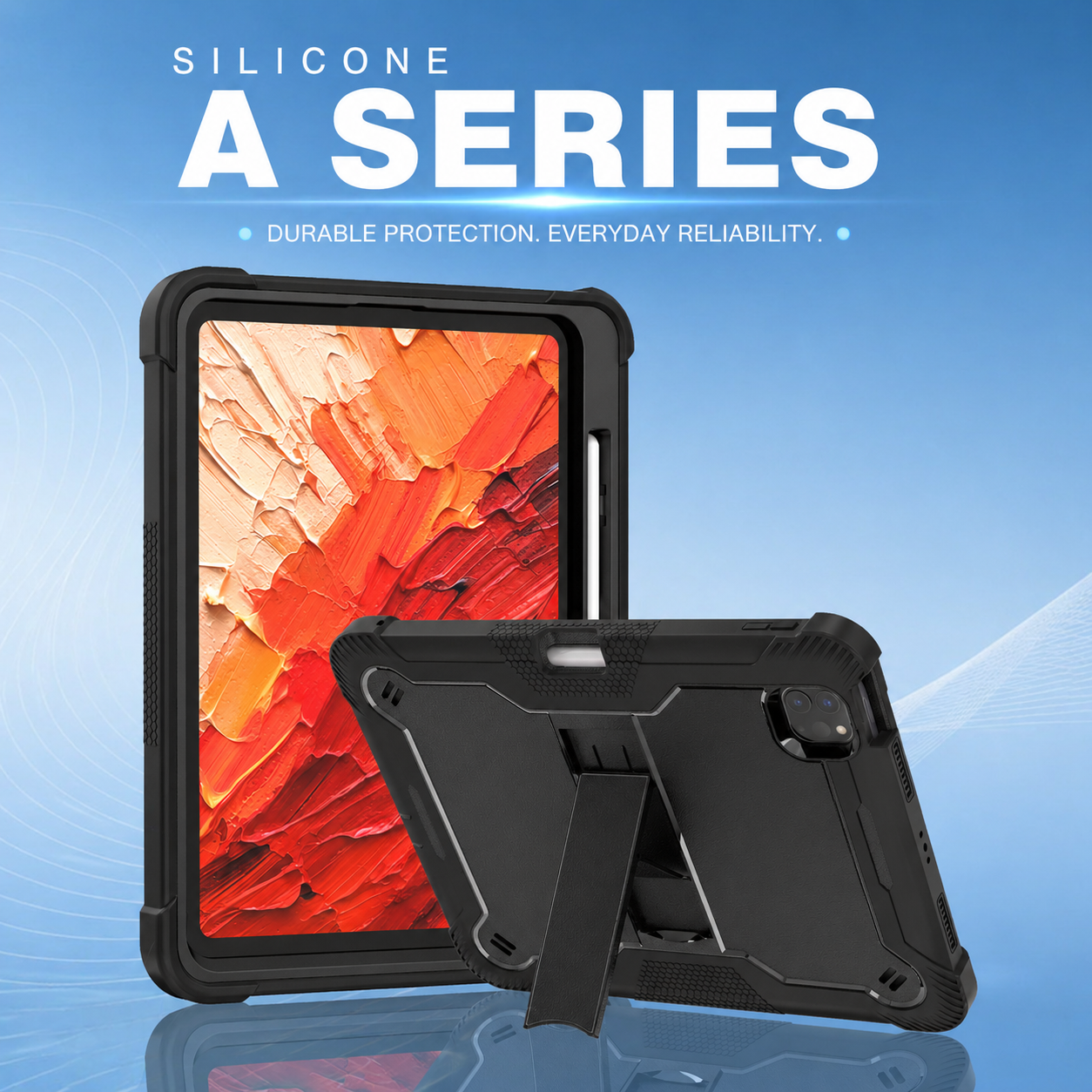
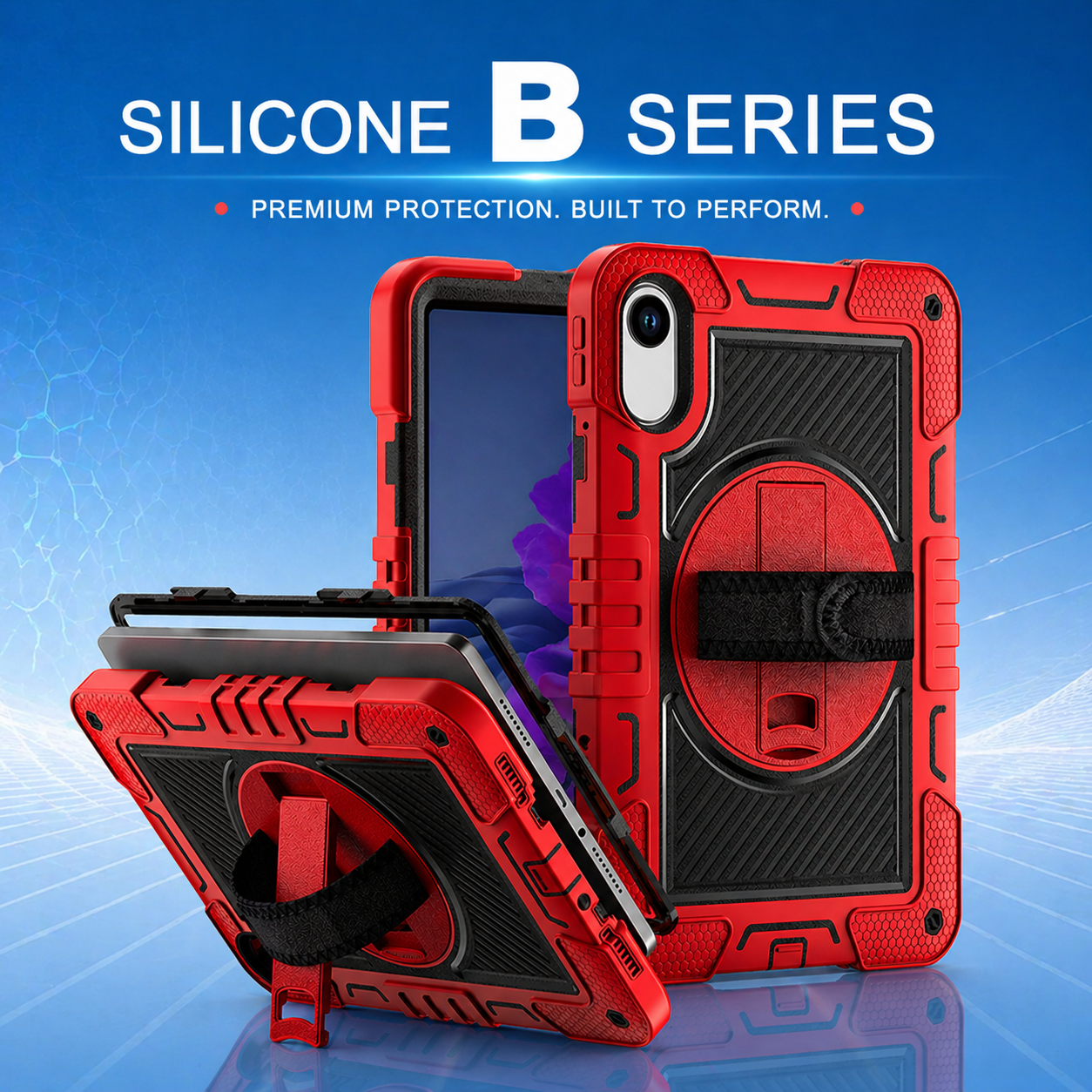
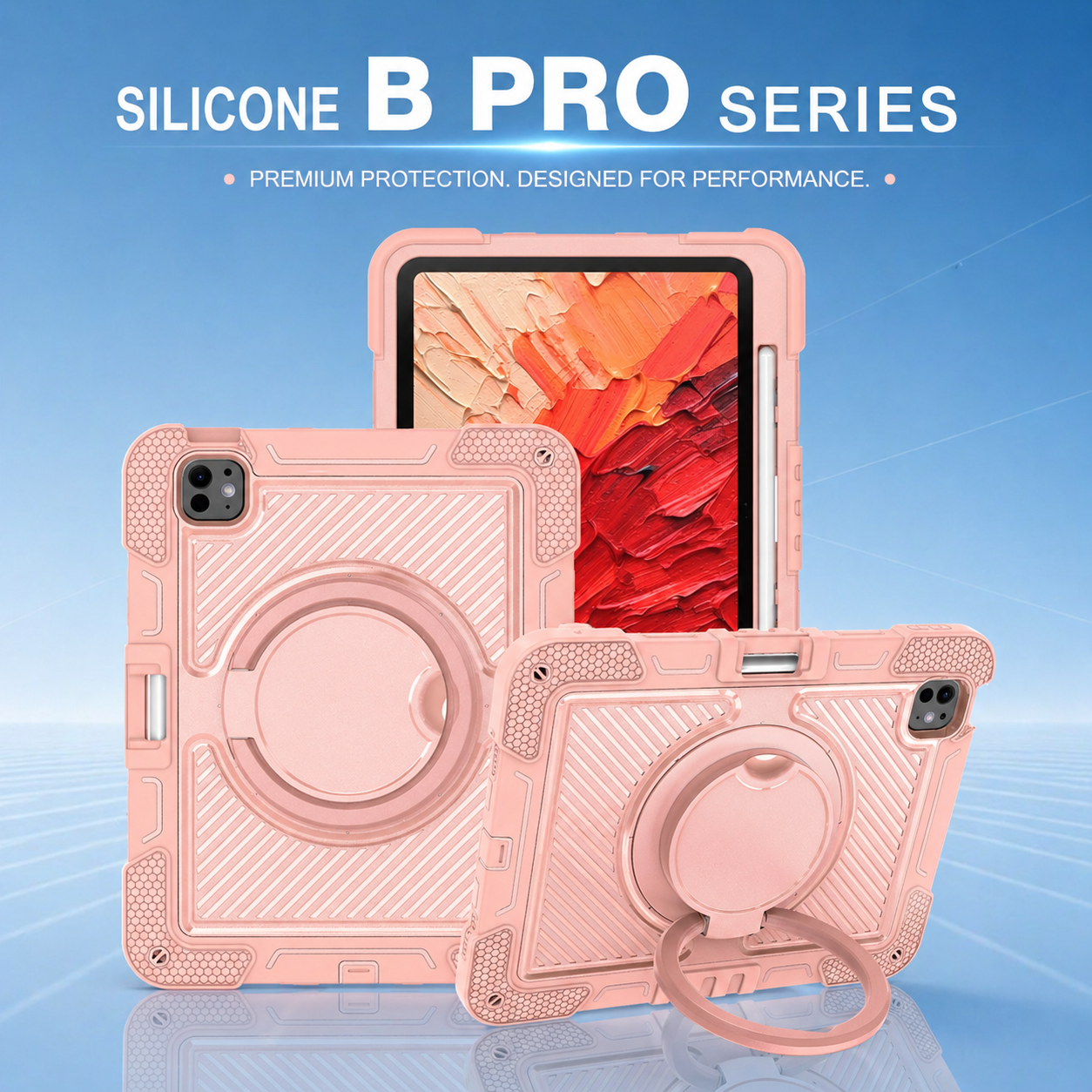
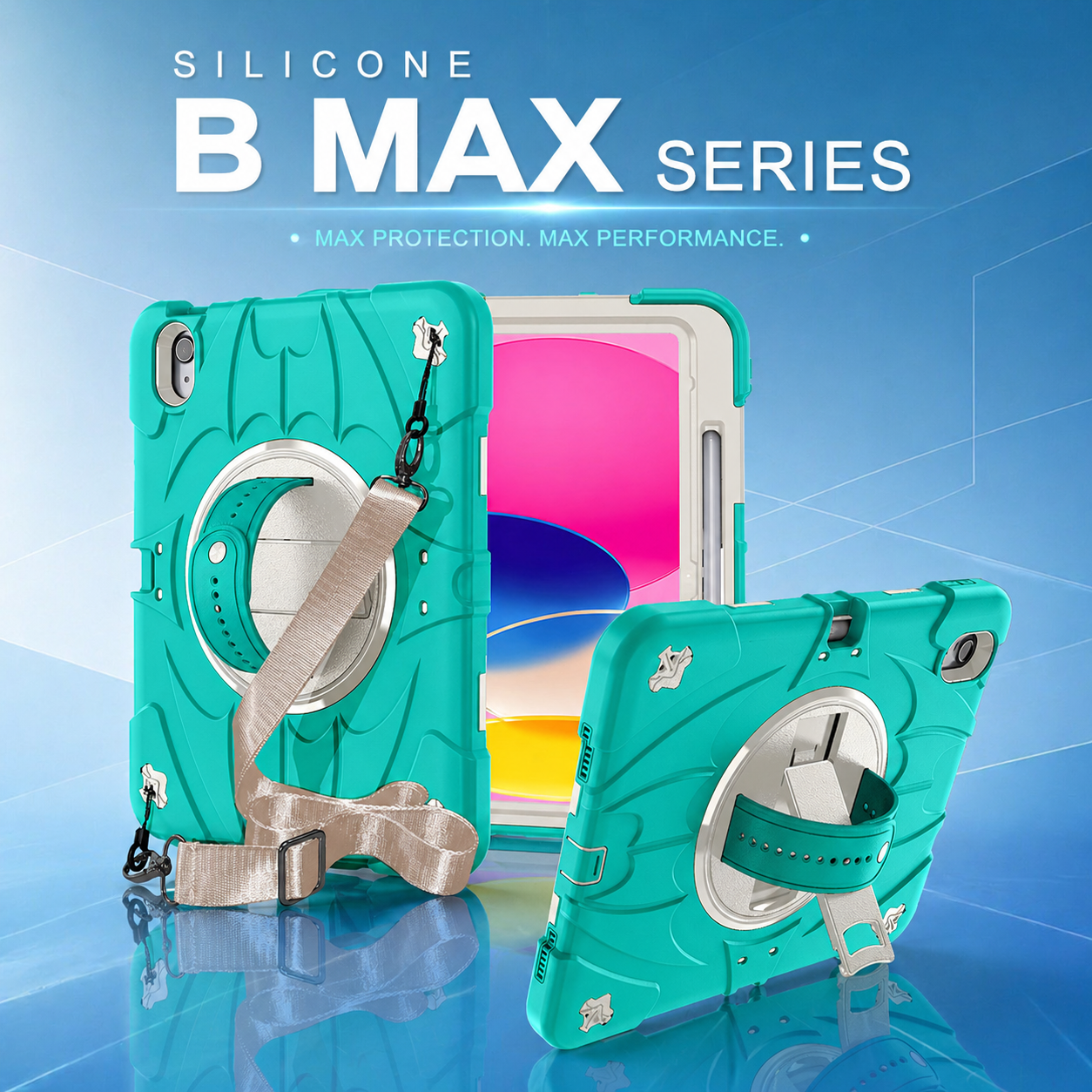
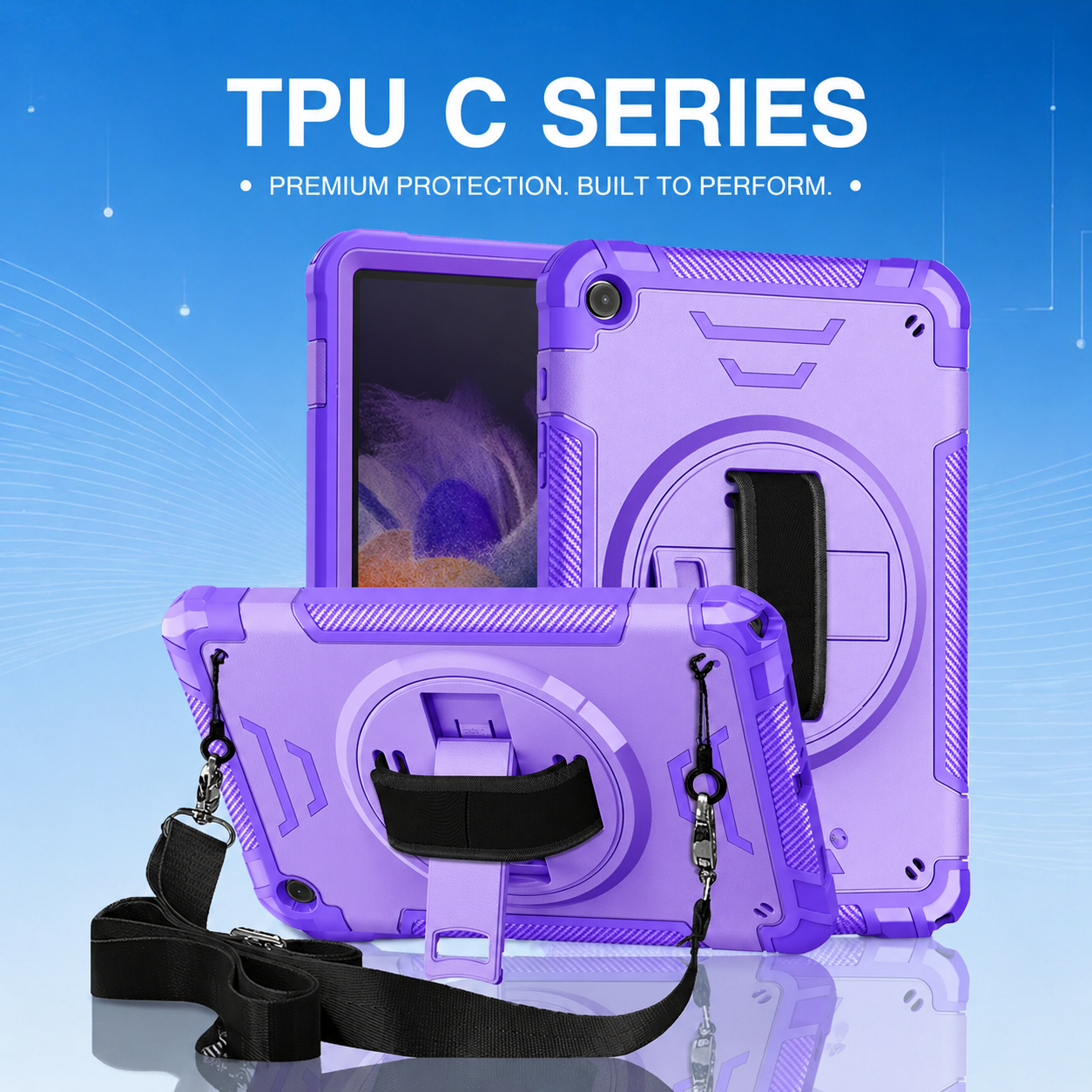
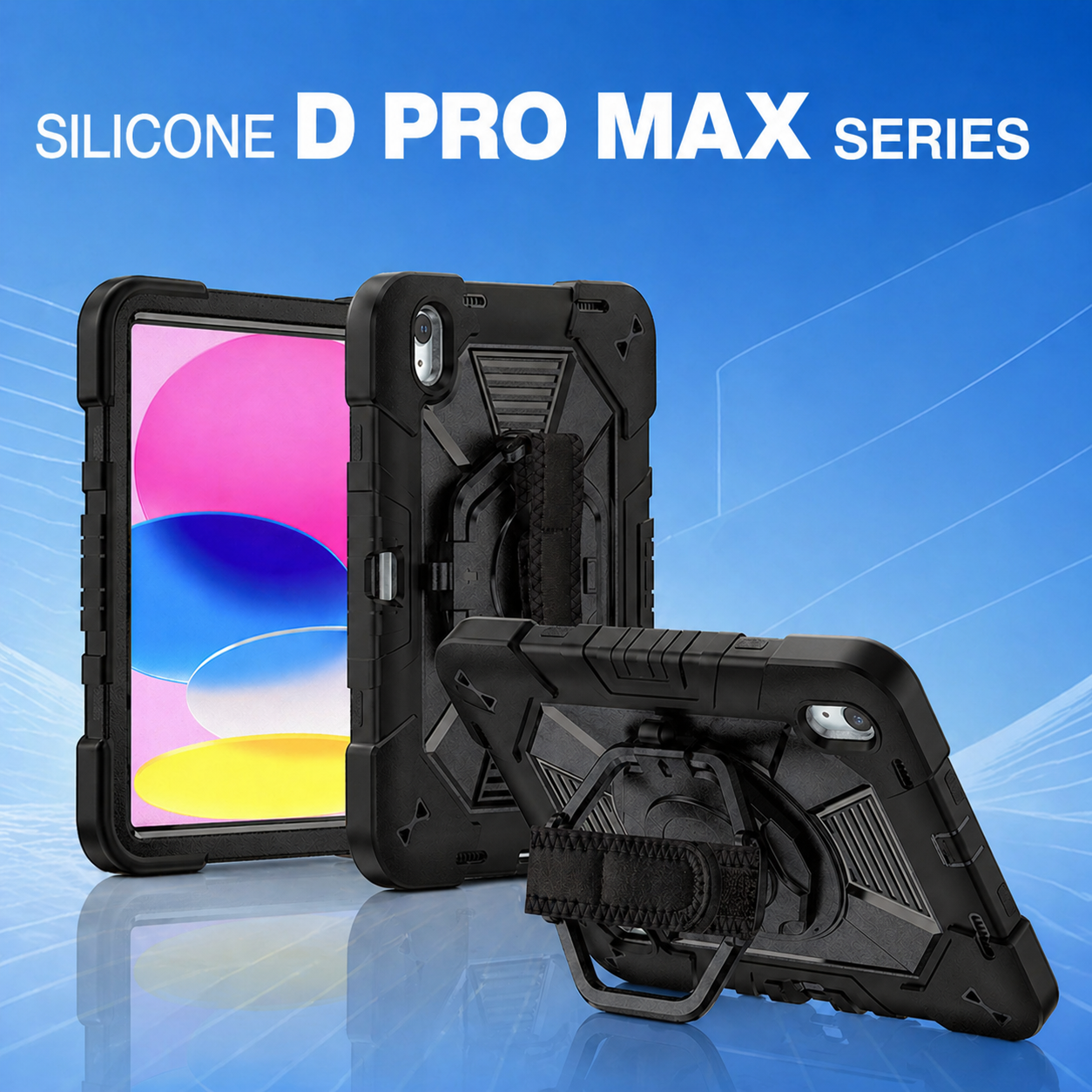
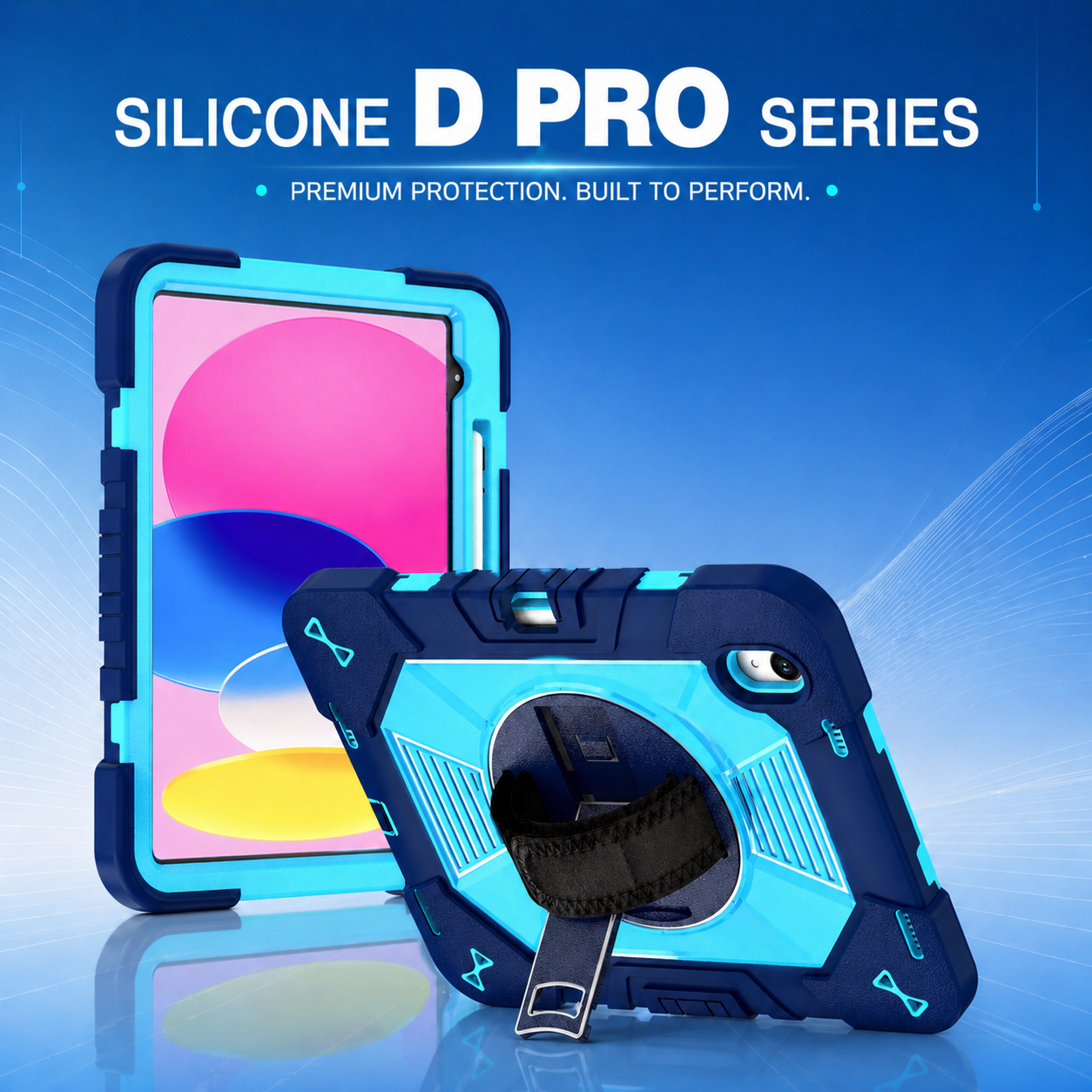
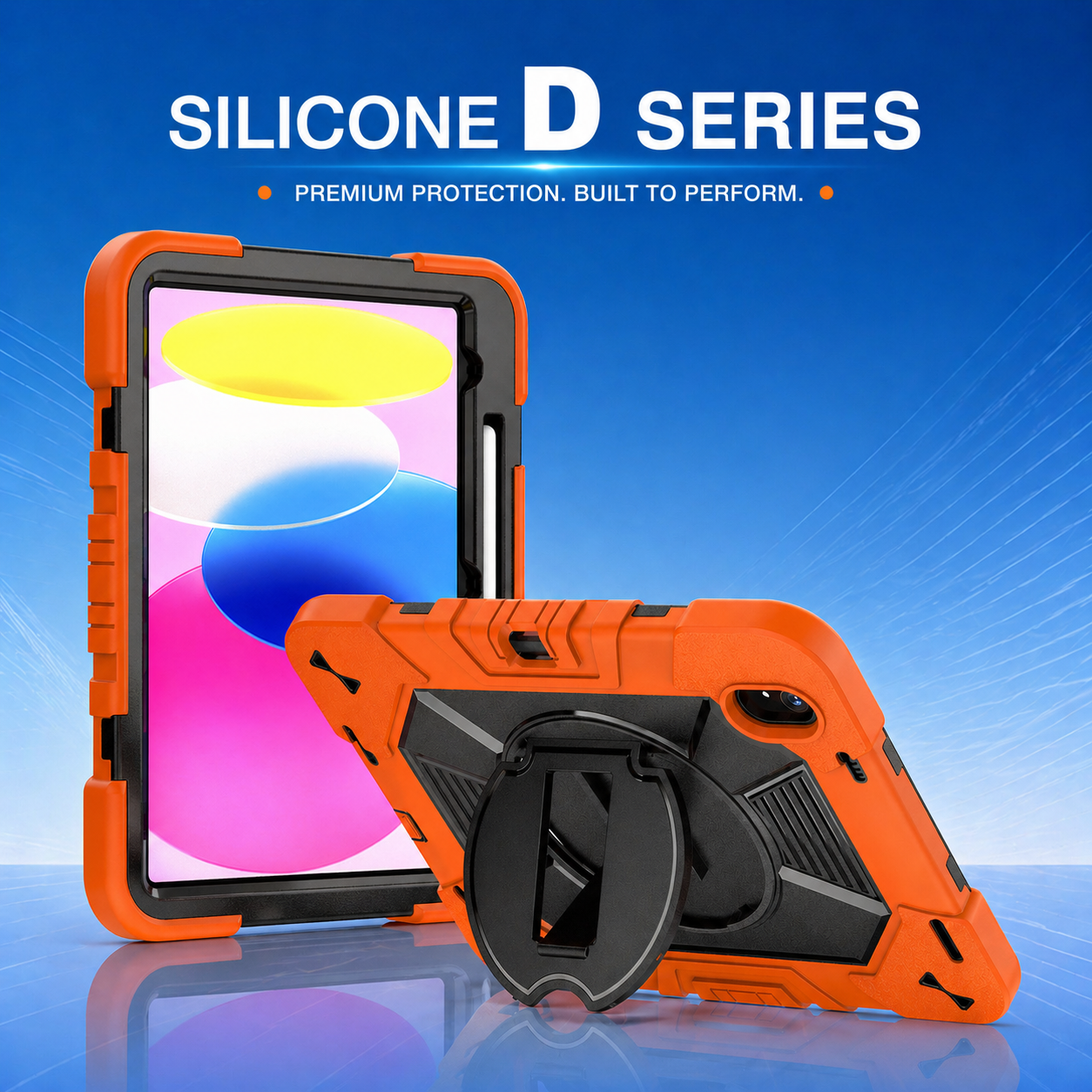

Choosing an OEM/ODM Tablet Case Manufacturing Partner for Scalable B2B Deployment
A business tablet program can fail even when the product sample looks excellent. Large deployments depend on repeatable fit, stable materials, reliable lead times, clear change control, and accessories that remain available after the first order. In 2026, selecting a manufacturing partner requires more than comparing unit prices. Buyers must evaluate engineering, quality systems, communication, production capacity, and long-term supply support.
Define the Program Before Selecting the Supplier
Begin with a complete product brief
Suppliers can only quote and engineer accurately when requirements are specific. The brief should identify the tablet model, expected annual volume, target industries, operating environment, drop expectations, required straps or stands, charging systems, colors, logo method, packaging, labeling, certifications, and delivery markets.
It should also separate mandatory requirements from preferences. For example, compatibility with a charging cart may be mandatory, while a custom texture may be optional. This distinction helps the supplier protect critical functions when cost, tooling, or schedule tradeoffs appear.
Decide whether the project is OEM or ODM
OEM programs usually adapt an existing platform through color, logo, packaging, or limited structural changes. They can reduce tooling cost and shorten development time. ODM programs involve deeper design work and may include new geometry, custom components, exclusive features, or a product built around a specific workflow.
The right choice depends on volume, differentiation, schedule, budget, and intellectual-property goals. A buyer seeking rapid private-label launch may prefer an established platform. A company serving a specialized industrial workflow may need a custom architecture and dedicated tooling.
Evaluate Engineering and Development Discipline
Evaluate engineering depth, not just sales responsiveness
A capable partner should explain how materials, wall thickness, ribs, corner structures, clips, kickstands, and strap anchors contribute to performance. Ask how the team manages dimensional tolerances, button feel, camera alignment, screen pressure, heat, antennas, and compatibility with docks or mounts.
Material knowledge is especially important. A PC+Silicone tablet case requires control over rigid and flexible components, their interface, molding conditions, and assembly sequence. A TPU tablet case requires the right balance of hardness, rebound, tear strength, grip, chemical resistance, and long-term shape retention. A supplier should be able to recommend grades based on the use environment rather than simply naming a material.
Review the development process step by step
A strong process normally includes requirement confirmation, device measurement, concept design, 3D review, prototype sampling, fit testing, functional testing, tooling, pilot production, validation, and mass production. Each stage should have an approval point and a clear owner.
Ask what files and records will be provided. Depending on the project, these may include drawings, renderings, material specifications, bills of materials, test reports, inspection standards, packaging layouts, and approved samples. Clear documentation reduces misunderstandings and protects consistency when team members or production batches change.
Demand Measurable Quality and Product Validation
Demand evidence of quality control
Quality should be defined through measurable checks. Incoming inspection can verify resin, silicone, hardware, straps, screen protectors, and packaging materials. In-process inspection can monitor dimensions, surface finish, molding defects, assembly force, and moving parts. Final inspection can confirm fit, function, appearance, labeling, and packing.
For a heavy duty rugged Case, buyers should also discuss drop testing, cycle testing for stands and straps, pull-force testing for anchors, and cleaning or chemical-resistance testing when relevant. The supplier should describe sample size, test conditions, acceptance limits, and how failures are corrected.
Assess Capacity, Supply Resilience, and Commercial Controls
Check production capacity and supply resilience
Capacity is more than the number of molding machines. Buyers should understand tooling availability, assembly staffing, quality personnel, peak-season planning, subcontracted processes, raw-material lead times, and backup options for critical components. A realistic production plan should cover pilot quantities, ramp-up, regular orders, and replenishment.
Ask how the supplier manages shortages and substitutions. Unapproved material or component changes can alter fit, color, smell, durability, or compliance. A formal change-notification process should require customer approval before significant changes reach production.
Protect branding, packaging, and market readiness
B2B programs often require more than the case itself. Logo methods may include molding, printing, laser marking, labels, or custom metal plates. Packaging may need barcodes, model identification, multilingual instructions, recycling marks, retail presentation, or bulk-packing efficiency.
Confirm who owns artwork, tooling, drawings, and custom designs. Define whether molds are exclusive, where they are stored, how they are maintained, and what happens if production moves. These commercial details should be agreed before tooling begins.
Choose the Partner on Total Program Value
Use samples and pilot orders as decision gates
Never approve mass production based only on photos. Use actual tablets and the intended accessories to verify fit, buttons, cameras, speakers, microphones, charging, screen response, stands, straps, and mounts. Give samples to real users and collect structured feedback.
A pilot order tests more than the product. It also reveals communication quality, production discipline, packaging accuracy, export handling, and schedule reliability. Corrective actions from the pilot should be documented before the full order is released.
Compare total program value
The lowest quotation may exclude engineering support, testing, packaging development, spare parts, tooling maintenance, or quality controls. Compare suppliers using total program value: development risk, failure prevention, delivery reliability, customization capability, communication, and long-term replenishment.
A strong partner acts as an extension of the buyer’s product and operations teams. The goal is not merely to purchase cases but to build a stable device-protection program that can scale across customers, regions, and future tablet models.
Final supplier checklist
Clear OEM and ODM capabilities with relevant case-development experience.
Documented engineering, sampling, testing, and approval stages.
Material expertise for rigid, flexible, and multi-layer construction.
Measurable inspection standards and corrective-action procedures.
Capacity planning, change control, and replenishment support.
Transparent terms for tooling, branding, packaging, and intellectual property.
In 2026, the right manufacturing partner helps businesses convert protection requirements into a repeatable commercial product. Engineering credibility, production control, and long-term collaboration matter as much as price.





.png)
+86 13422271740
.png)
info@tongmeitech.com
.png)
No. 34, Mashe Section, Guihe Road, Lishui Town, Foshan, Guangdong, China