- 1
- BLACKL
- TABLETAPPLE iPad Mini 8NEW iPad A16(2025) iPad 10.9" 10th (2022) iPad 10.2" (7th/8th/9th) iPad Air 13" (M2/M3/M4)(2024/2025/2026)NEW iPad Air 11" (M2/M3/M4)(2024/2025/2026)NEW iPad Mini 8.3" (A7 Pro/6th Gen) iPad Pro13"(M4/M5)(2024/2025) iPad Pro11"(M4/M5)(2026) iPad 9.7" (5th/6th Gen) iPad Pro 12.9"(2018-2022) iPad Pro 11"(2018-2022) iPad 9.7"(2th/3th/4th) iPad Air 10.9"(4th/5th Gen) iPad Mini 7.9"(4th/5th Gen)SAMSUNG Galaxy Tab A11 Galaxy Tab A11 Plus Galaxy Tab S11 Galaxy Tab S12 PlusNEW Galaxy Tab S12 UltraNEW Galaxy Tab A9+ Galaxy Tab A9 Galaxy Tab A8 Galaxy Tab A7 Galaxy Tab A7 Lite Galaxy Tab S11 Ultra/S10 Ultra/S9 Ultra/S8 Ultra Galaxy Tab S10+/S9+/S9 FE+ Galaxy Tab S10Lite/S10 FE/S9 FE/S9 Galaxy Tab S8+/S7+/S7 FE Galaxy Tab S8/S7 Galaxy Tab S6 lite Galaxy Tab A10.1 Galaxy Tab A8.4 Galaxy Tab A8.0 Galaxy Tab S10 FE+LENOVO iDea tab 11/Tab K11 Gen 2 /Xiaoxin Pad 11 2025 Lenovo Tab K9 (Tab One) 2025 Lenovo Tab M10 10.1"(2025) Lenovo Tab M10 Plus 10.6" (3rd Gen) Lenovo Tab M10 HD 10.1" (3rd Gen) Lenovo K10/M10 Plus 10.3" (2nd Gen) Lenovo Tab M10 HD 10.1" (2nd Gen)XIAOMI Redmi Pad 2 9.7 InchNEW Xiaomi Pad8/8Pro 11.2" Redmi Pad2/Pad2.4G Xiaomi Pad 6/6 Pro 11" Redmi Pad 10.61" Redmi Pad Se 11" Redmi pad Se 4G 8.7" Xiaomi Pad7/7 Pro 11.2" Redmi Pad Pro/Xiaomi Poco Pad/Redmi Pad2 Pro 12.1HUAWEI Huawei Matepad Se 10.4" Huawei Matepad 11" Huawei Matepad 11.5" Huawei Matepad SE 11" Huawei Matepad T8 8" Huawei Matepad T10 9.7"
- CATEGORIES
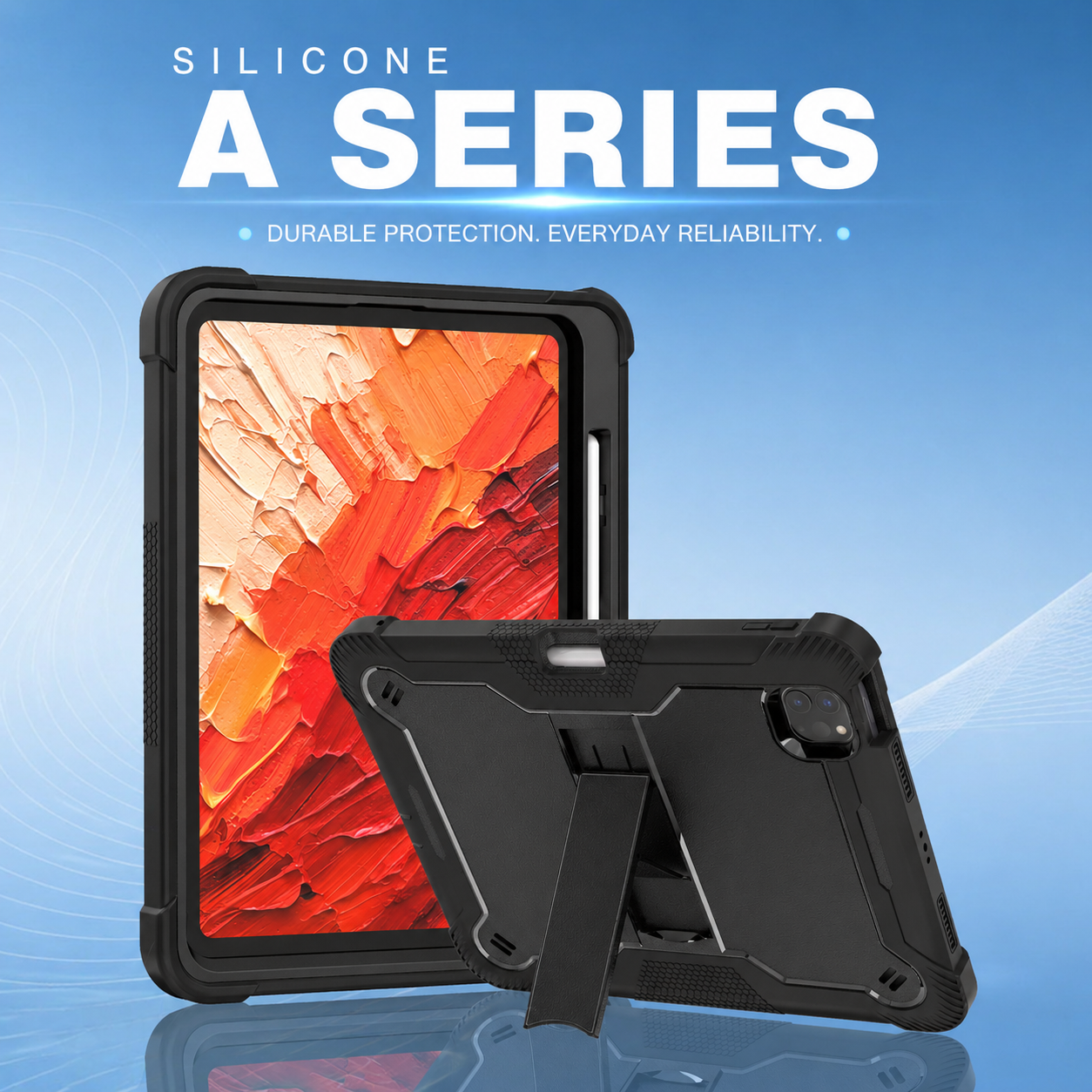
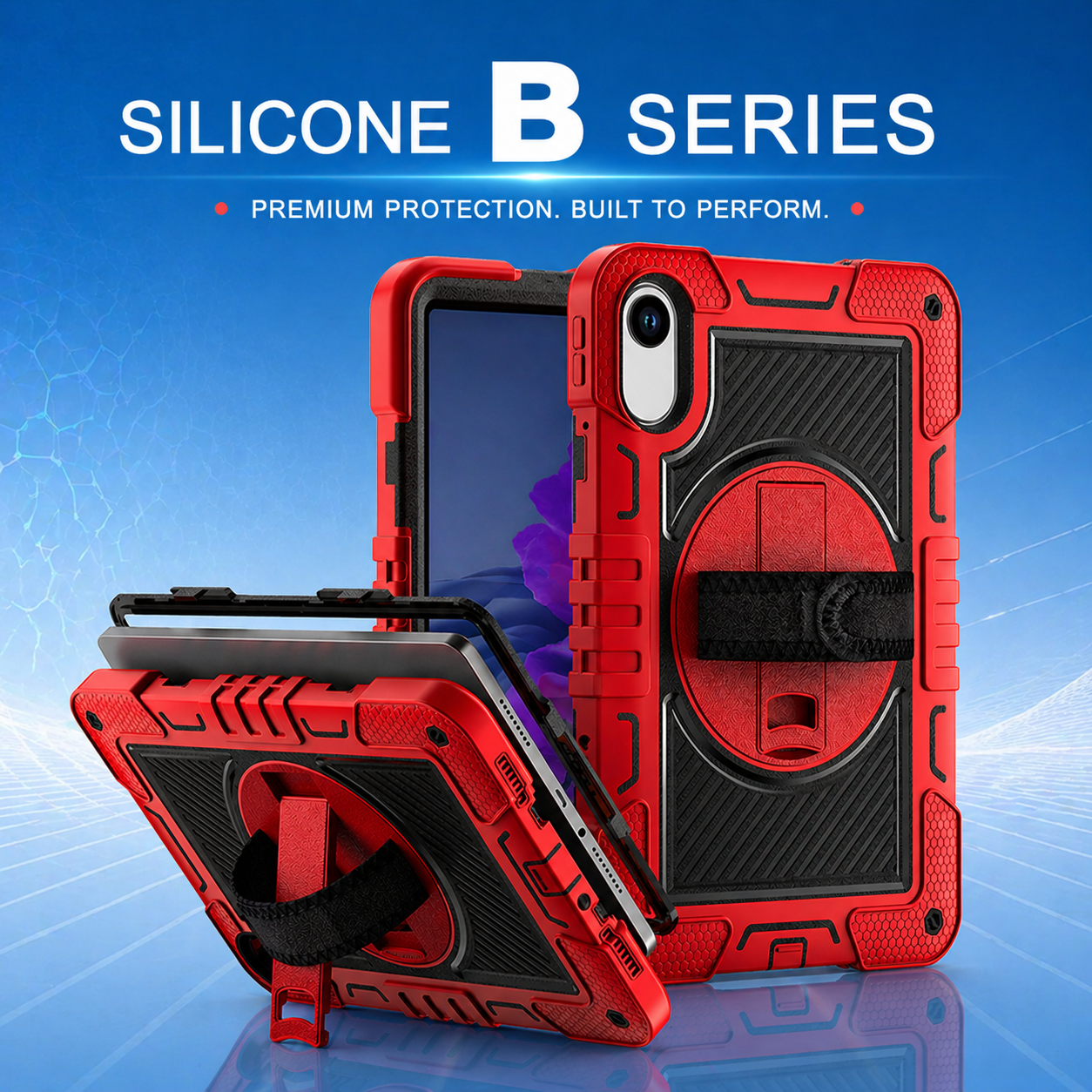
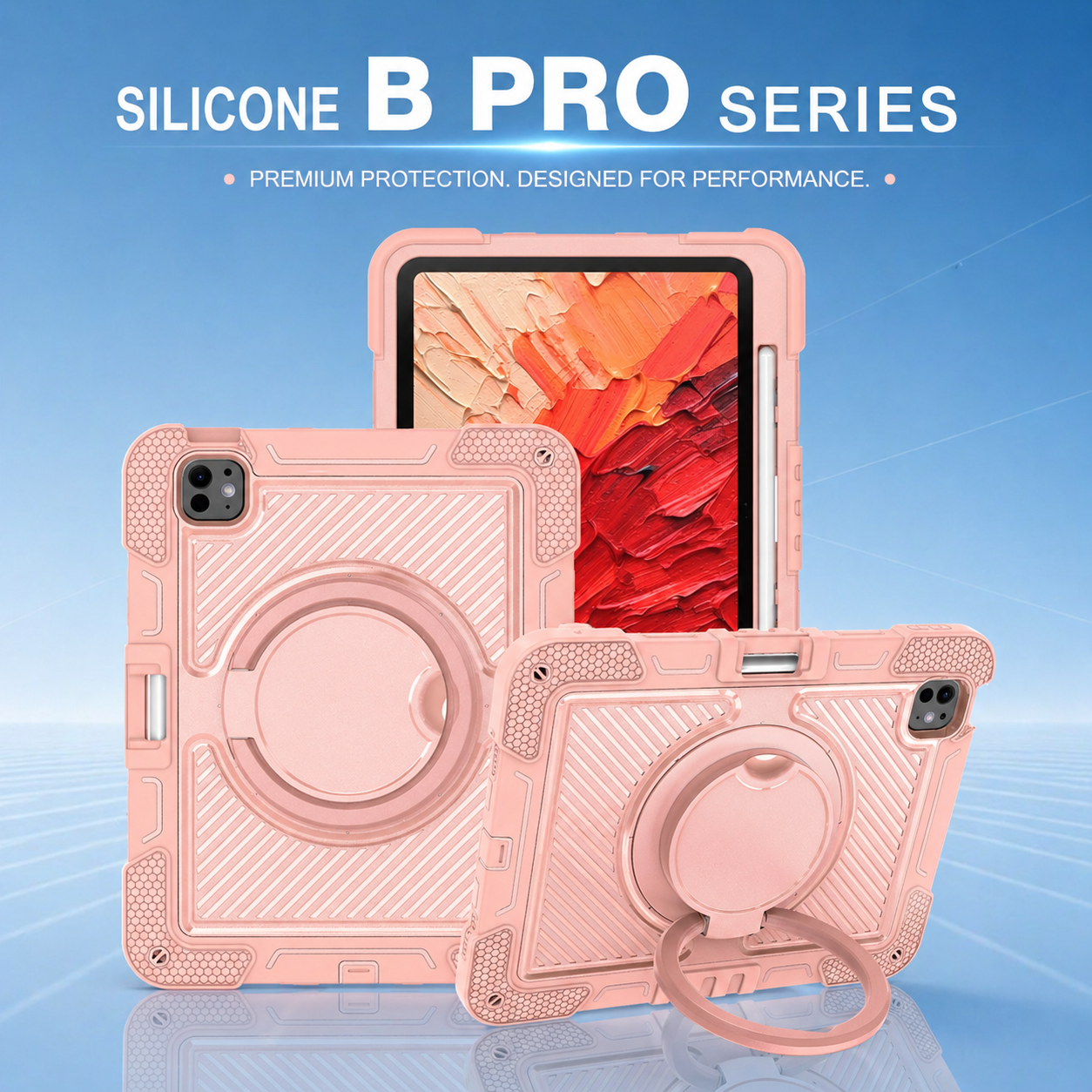
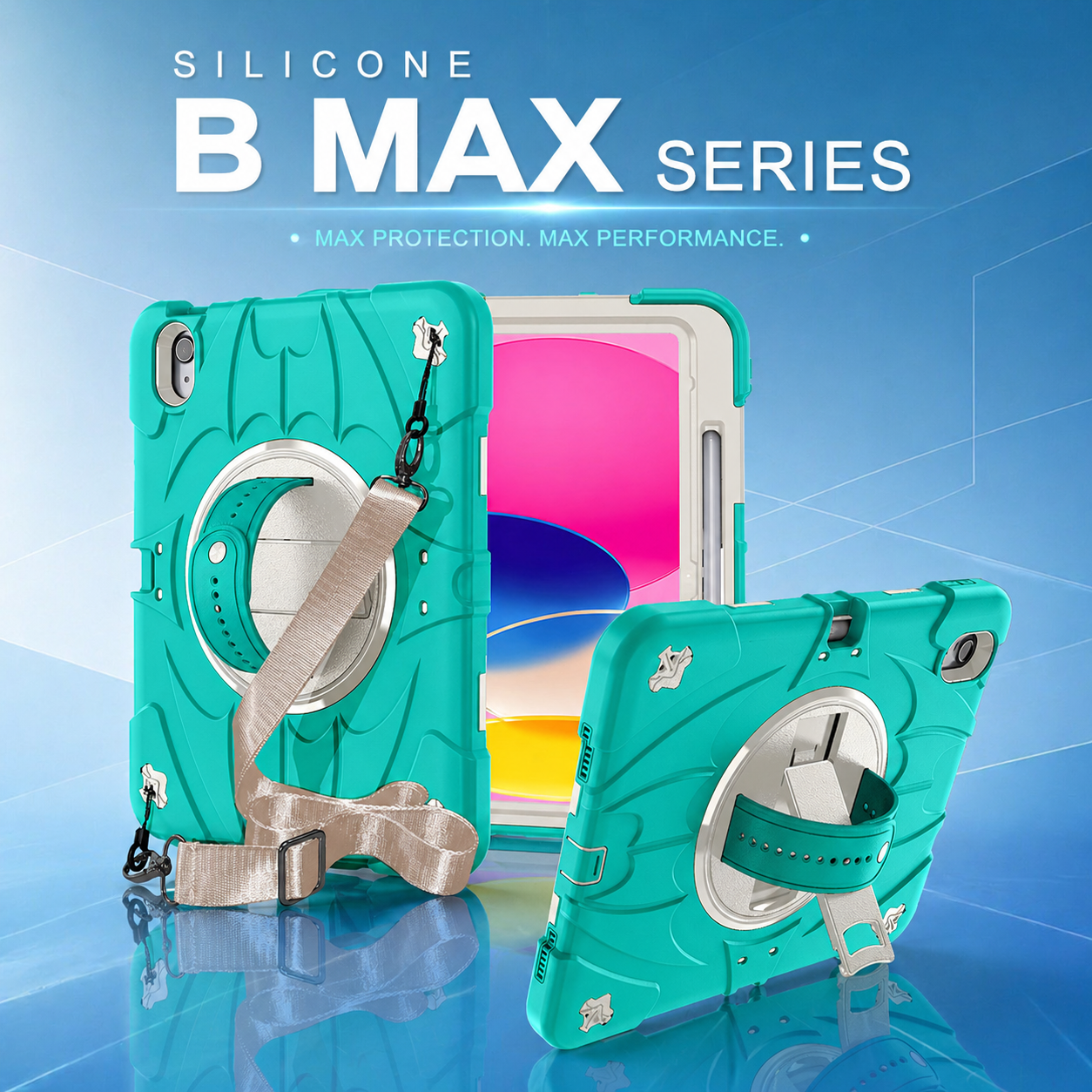
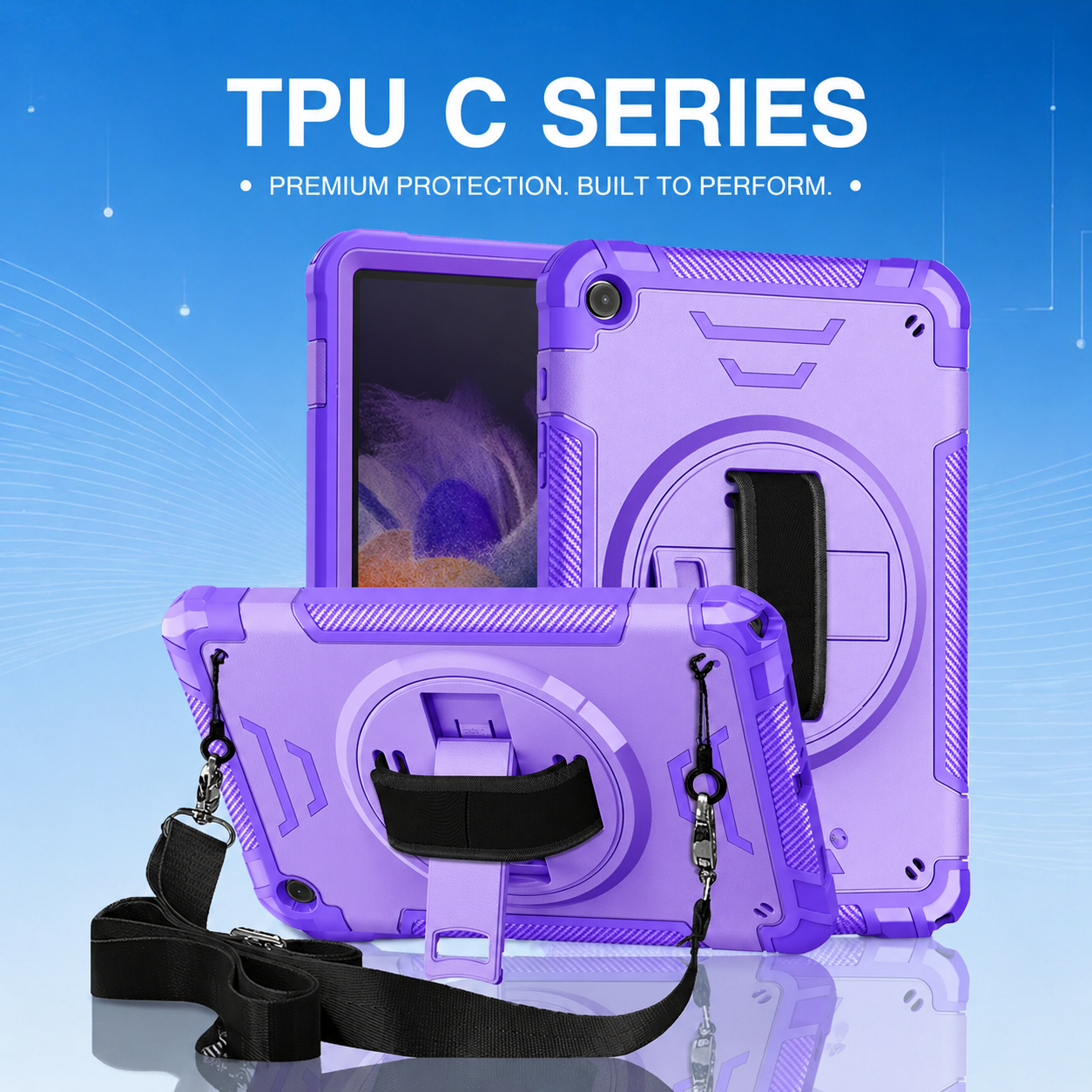
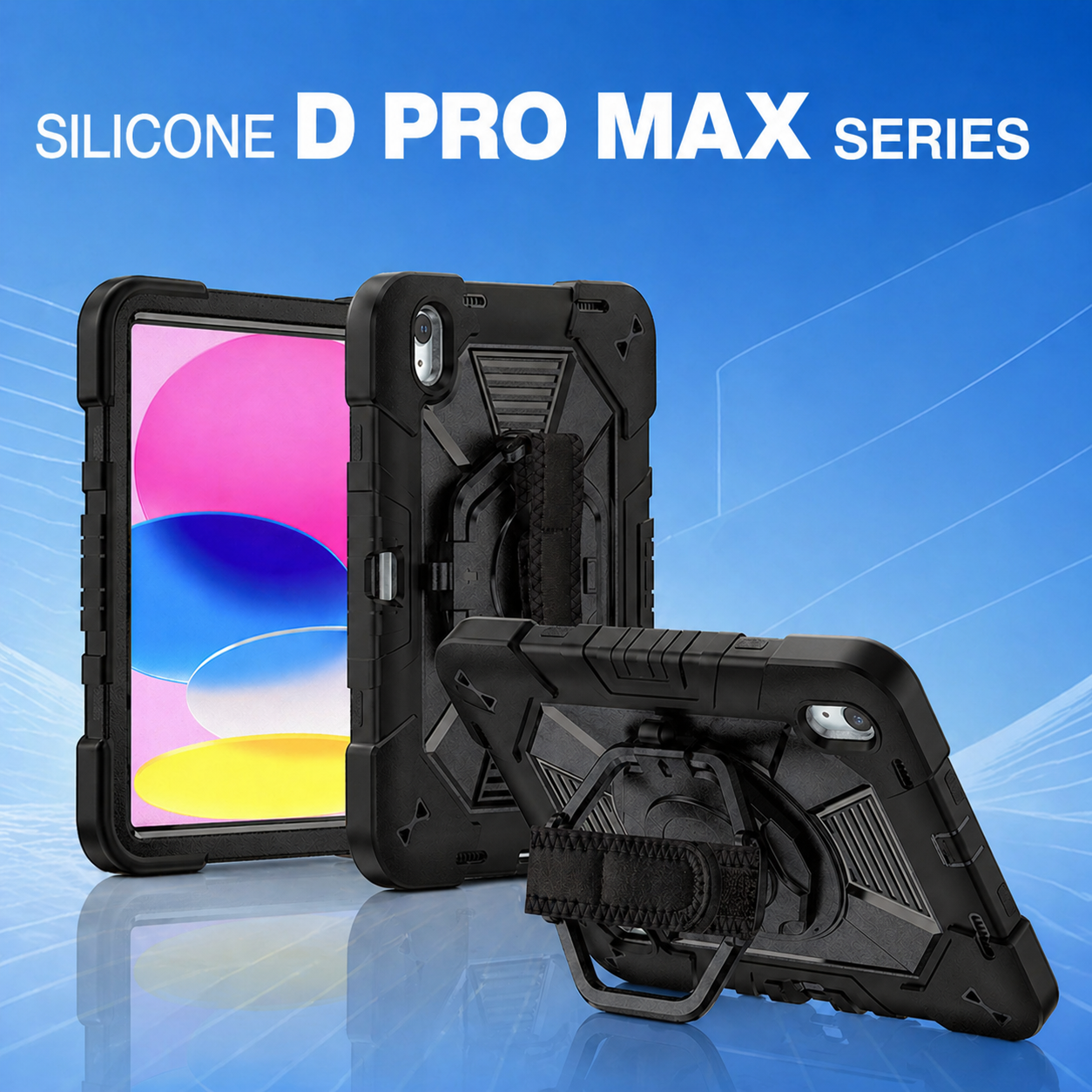
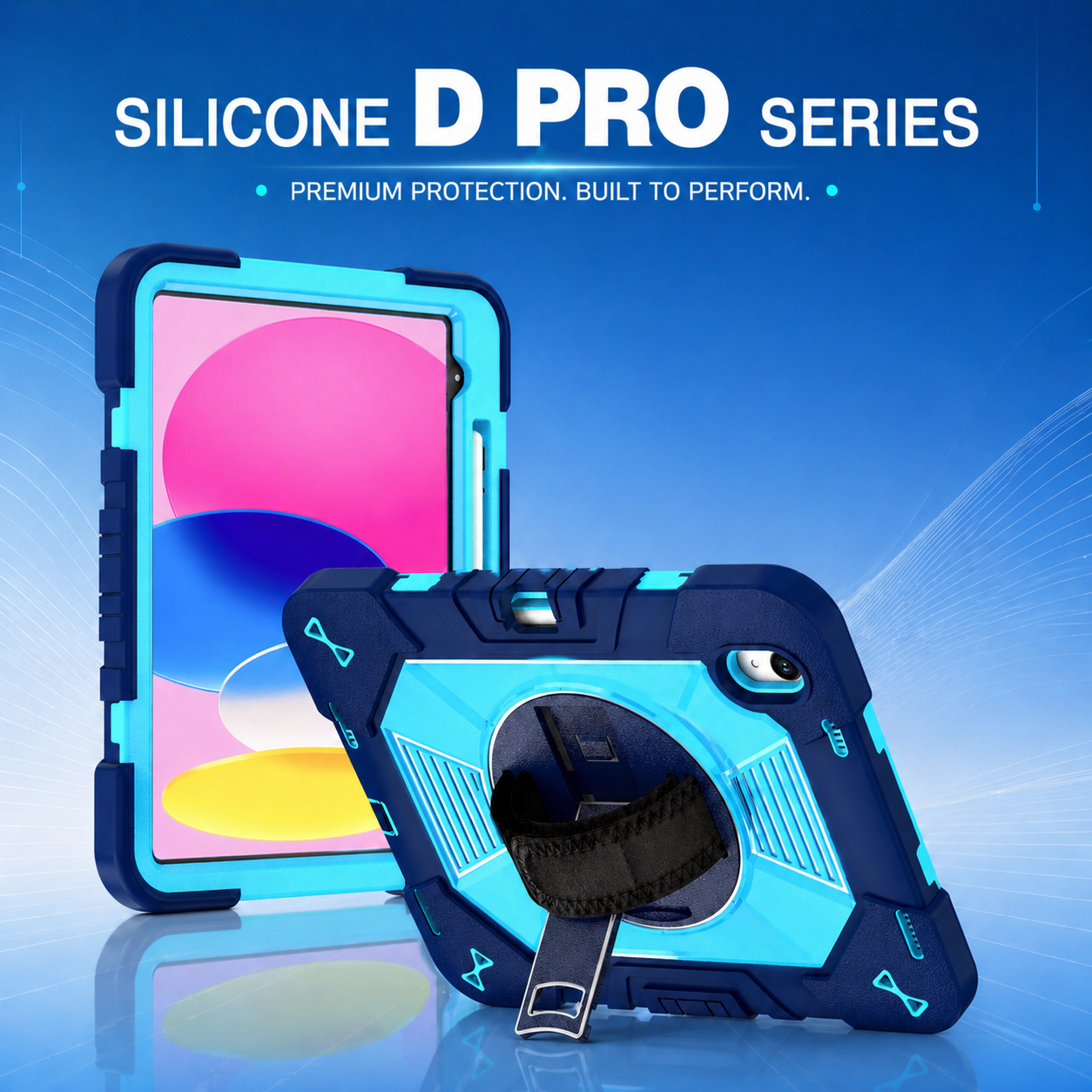
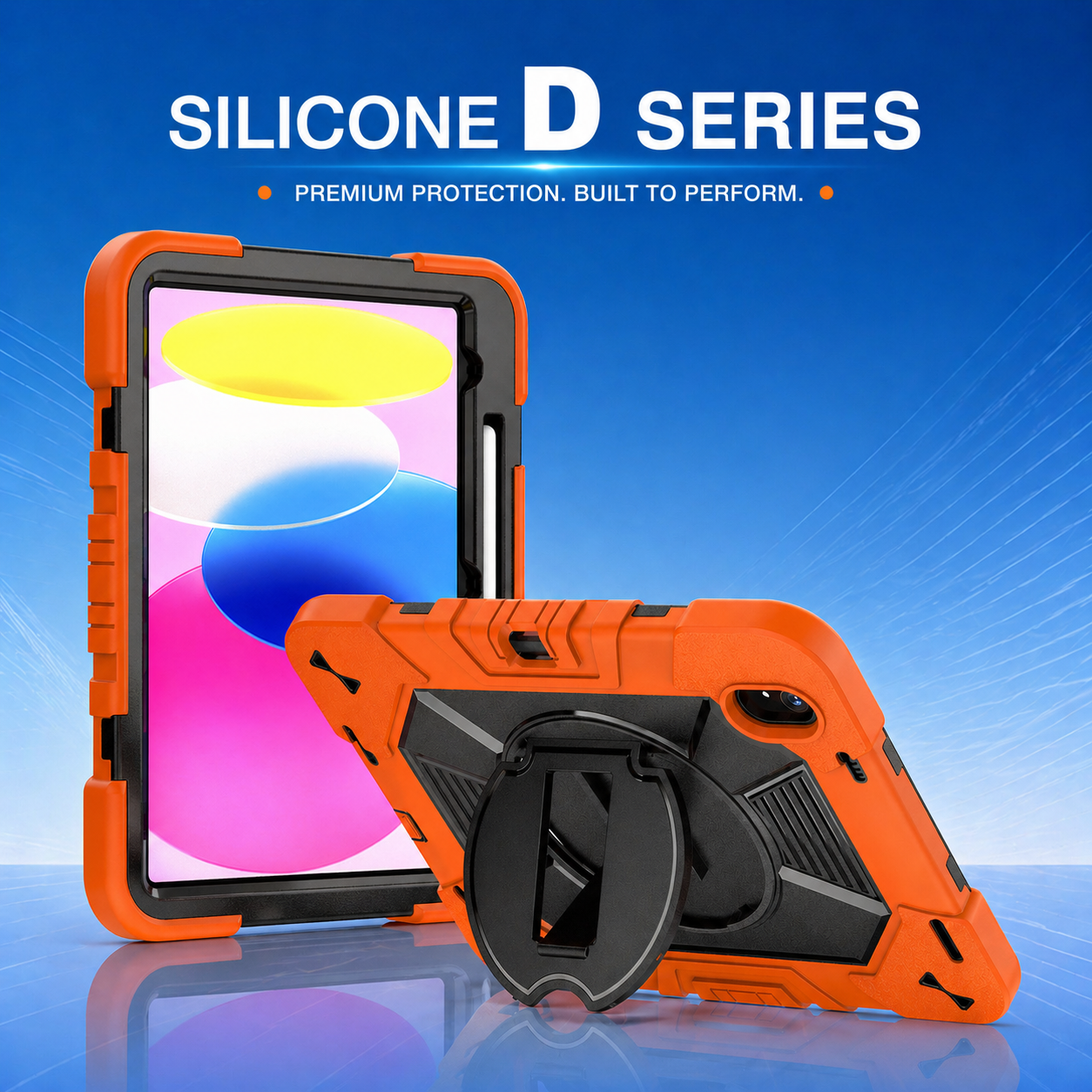

PC+Silicone Architecture: How Three-Layer Tablet Protection Supports Enterprise Mobility
Enterprise tablet protection is most effective when every material has a defined job. A thick single-material shell may look durable, but it can create excessive weight, poor fit, blocked controls, or limited impact management. A layered design can solve these problems by combining structural support, shock absorption, surface grip, and screen protection in one coordinated system.
Why layered construction is different
When a tablet falls, impact energy travels through the case toward the device. The design goal is to slow, spread, and redirect that energy while preventing direct contact between vulnerable areas and the floor. A rigid layer can distribute force across a larger area. A flexible layer can deform and absorb part of the impact. Raised edges and corner geometry can create additional clearance around the screen and camera.
A well-designed PC+Silicone tablet case uses this division of labor. Polycarbonate provides dimensional stability and helps hold the tablet securely. Silicone adds cushioning, grip, and resistance to everyday bumps. The materials must be tuned together; simply stacking layers does not guarantee protection.
The inner frame controls fit and structure
The innermost component is responsible for accurate device retention. It must follow the tablet’s geometry closely without creating pressure points around the screen, buttons, or chassis. Ribs, clips, and contact surfaces should distribute holding force evenly. Tolerances are especially important when the product will be manufactured across multiple molds or replenished over several years.
Polycarbonate is commonly used because it can produce detailed features and stable shapes. However, wall thickness, rib placement, clip design, gate position, and material grade influence performance. An inner frame that is too brittle may crack. One that is too flexible may allow the tablet to move during impact.
The shock-absorbing layer manages impact and handling
The outer layer should protect corners and edges while improving control in the user’s hands. Silicone or an elastomeric material can create a non-slip surface and reduce peak impact forces. Reinforced corner zones may use additional thickness, internal air pockets, or energy-dispersing patterns.
Material hardness must match the application. A softer surface may improve grip but collect more dust or stretch during use. A harder surface may clean more easily but absorb less energy. The manufacturer should balance hardness, tear strength, rebound, chemical resistance, and molding behavior based on the customer’s environment.
The third layer protects the interaction surface
For many deployments, the third layer is a front frame or integrated screen-protection assembly. It helps retain the device, shields the display edge, and reduces direct abrasion. The challenge is to preserve touch response, visual clarity, stylus accuracy, and access to sensors.
A 3 layers heavy duty rugged tablet case should be evaluated as a system rather than as three independent pieces. Gaps between layers can trap debris. Excessive compression can create screen pressure. Poorly aligned openings can affect microphones, cameras, speakers, or biometric sensors. Each layer must remain correctly positioned after repeated drops and cleaning cycles.
_Rugged_Tablet_Case.png)
Ergonomics should be designed into the structure
Enterprise users often carry tablets for hours, so the protective architecture must support straps, stands, and mounts without weakening the case. A rotating hand strap needs a stable attachment plate and controlled resistance. Shoulder-strap anchors need enough reinforcement to withstand repeated loading. A kickstand should transfer force into the structural frame rather than a thin cosmetic surface.
Weight distribution is equally important. Adding material everywhere may increase protection in theory but create fatigue in practice. Engineers should place reinforcement where impacts are most likely and remove unnecessary bulk from lower-risk areas. The result should feel balanced in portrait and landscape use.
Cleaning, heat, and wireless performance affect design
Healthcare, education, and shared-workplace deployments may require frequent cleaning. Materials should be tested with the intended wipes or solutions because repeated exposure can cause swelling, discoloration, cracking, or loss of surface texture. Seams should be accessible enough to clean, and removable parts should be easy to reinstall correctly.
Thermal behavior also matters. Tablets generate heat during charging, video calls, navigation, and processor-intensive applications. A case should not unnecessarily trap heat around critical areas. Designers must also avoid structures or materials that interfere with antennas, wireless charging, NFC, or other communication functions.
Manufacturing consistency determines real-world performance
A prototype can perform well while mass-produced units vary. Quality control should therefore cover material identification, dimensions, fit, surface finish, assembly force, stand resistance, strap rotation, and drop performance. Approved color standards and cosmetic limits are also important for branded enterprise programs.
Suppliers should use controlled drawings, bills of materials, molding parameters, inspection plans, and golden samples. When a resin, mold, component, or process changes, the customer should receive notice and, when necessary, new validation samples. This change-control discipline protects long-term consistency.
Questions to ask before approving a layered case
What function does each material and layer perform?
How are corners, screen edges, camera openings, and ports reinforced?
What hardness, grade, and thickness are used for the flexible layer?
Can the case support required straps, stands, docks, and mounts?
Has it been tested after repeated drops, cleaning, and accessory cycling?
How will production consistency be monitored across future batches?
The strongest enterprise design is not the one with the most material. It is the one in which structure, cushioning, usability, and manufacturing control work together. A layered rugged tablet case can deliver that balance when its architecture is based on real operating requirements rather than cosmetic toughness.
Next article: how education, healthcare, warehousing, logistics, and field service require different tablet protection designs.






.png)
+86 13422271740
.png)
info@tongmeitech.com
.png)
No. 34, Mashe Section, Guihe Road, Lishui Town, Foshan, Guangdong, China