- 1
- BLACKL
- TABLETAPPLE iPad Mini 8NEW iPad A16(2025) iPad 10.9" 10th (2022) iPad 10.2" (7th/8th/9th) iPad Air 13" (M2/M3/M4)(2024/2025/2026)NEW iPad Air 11" (M2/M3/M4)(2024/2025/2026)NEW iPad Mini 8.3" (A7 Pro/6th Gen) iPad Pro13"(M4/M5)(2024/2025) iPad Pro11"(M4/M5)(2026) iPad 9.7" (5th/6th Gen) iPad Pro 12.9"(2018-2022) iPad Pro 11"(2018-2022) iPad 9.7"(2th/3th/4th) iPad Air 10.9"(4th/5th Gen) iPad Mini 7.9"(4th/5th Gen)SAMSUNG Galaxy Tab A11 Galaxy Tab A11 Plus Galaxy Tab S11 Galaxy Tab S12 PlusNEW Galaxy Tab S12 UltraNEW Galaxy Tab A9+ Galaxy Tab A9 Galaxy Tab A8 Galaxy Tab A7 Galaxy Tab A7 Lite Galaxy Tab S11 Ultra/S10 Ultra/S9 Ultra/S8 Ultra Galaxy Tab S10+/S9+/S9 FE+ Galaxy Tab S10Lite/S10 FE/S9 FE/S9 Galaxy Tab S8+/S7+/S7 FE Galaxy Tab S8/S7 Galaxy Tab S6 lite Galaxy Tab A10.1 Galaxy Tab A8.4 Galaxy Tab A8.0 Galaxy Tab S10 FE+LENOVO iDea tab 11/Tab K11 Gen 2 /Xiaoxin Pad 11 2025 Lenovo Tab K9 (Tab One) 2025 Lenovo Tab M10 10.1"(2025) Lenovo Tab M10 Plus 10.6" (3rd Gen) Lenovo Tab M10 HD 10.1" (3rd Gen) Lenovo K10/M10 Plus 10.3" (2nd Gen) Lenovo Tab M10 HD 10.1" (2nd Gen)XIAOMI Redmi Pad 2 9.7 InchNEW Xiaomi Pad8/8Pro 11.2" Redmi Pad2/Pad2.4G Xiaomi Pad 6/6 Pro 11" Redmi Pad 10.61" Redmi Pad Se 11" Redmi pad Se 4G 8.7" Xiaomi Pad7/7 Pro 11.2" Redmi Pad Pro/Xiaomi Poco Pad/Redmi Pad2 Pro 12.1HUAWEI Huawei Matepad Se 10.4" Huawei Matepad 11" Huawei Matepad 11.5" Huawei Matepad SE 11" Huawei Matepad T8 8" Huawei Matepad T10 9.7"
- CATEGORIES
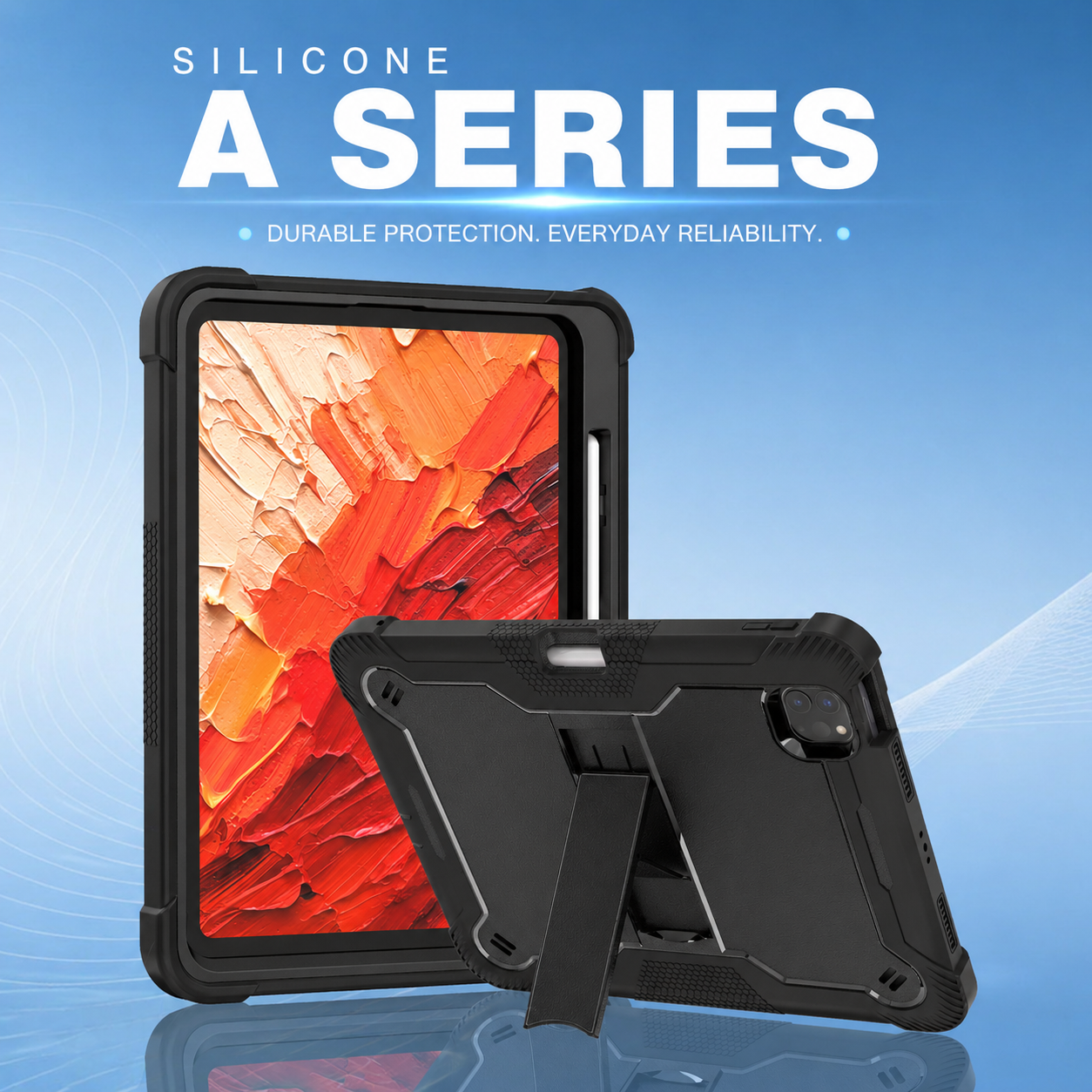
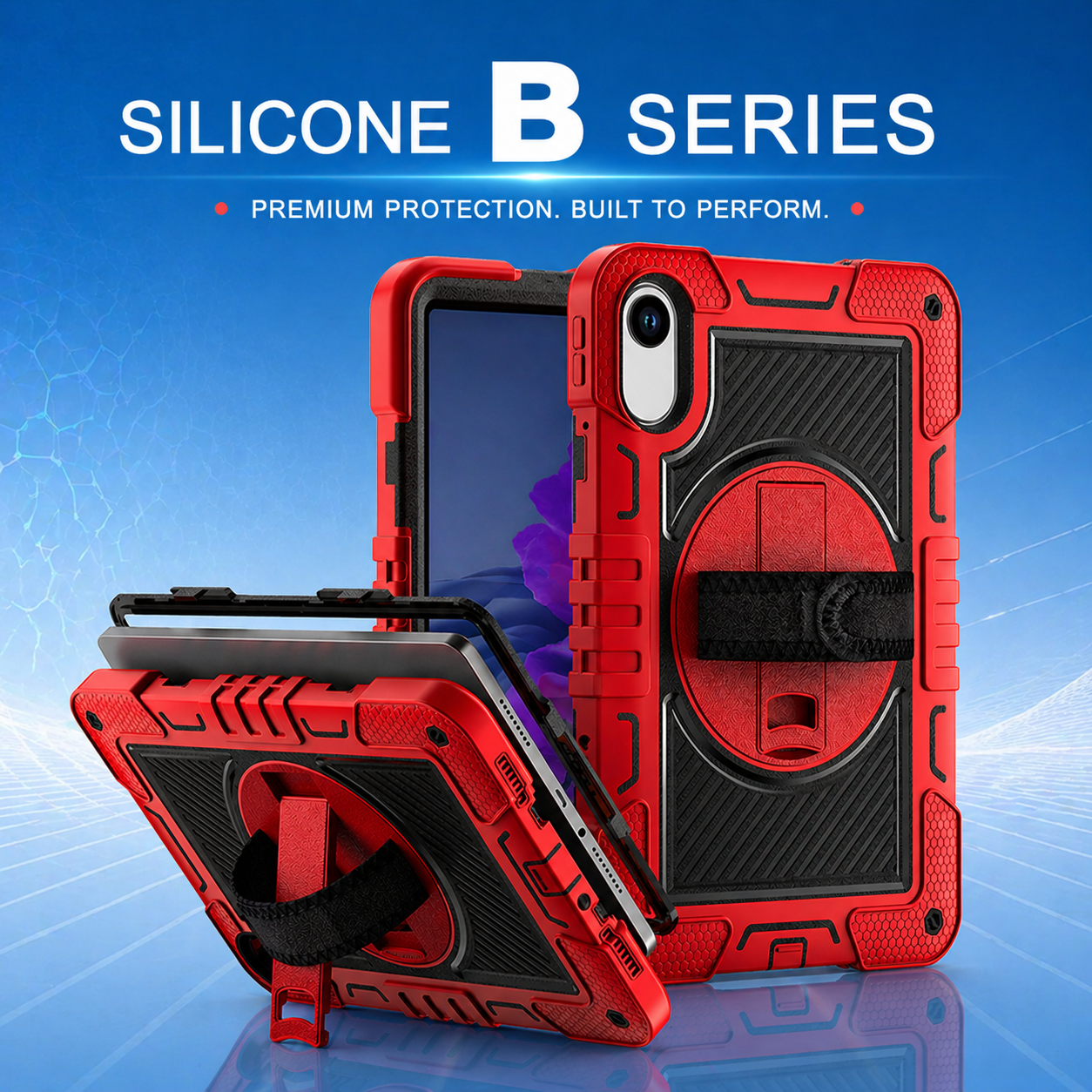
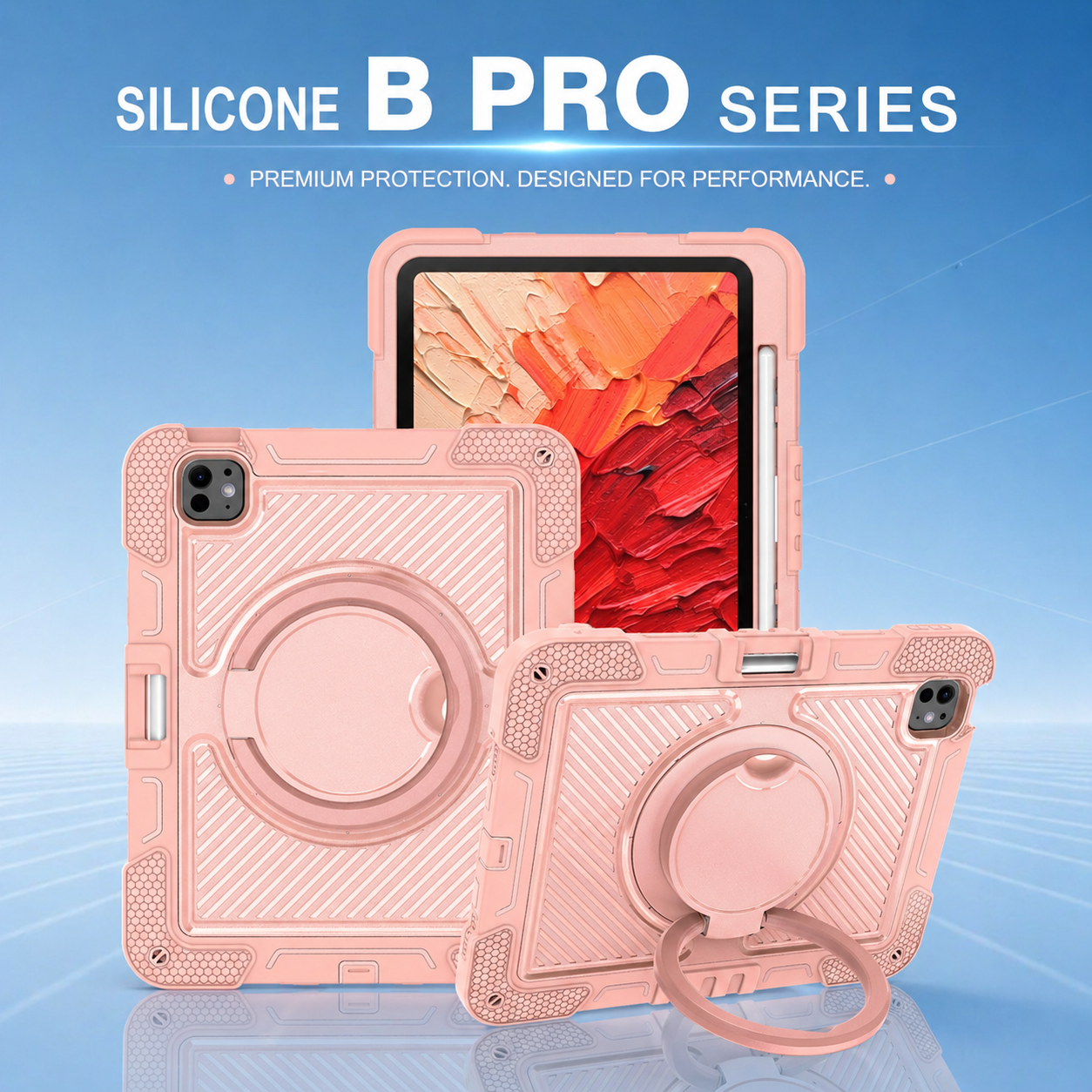
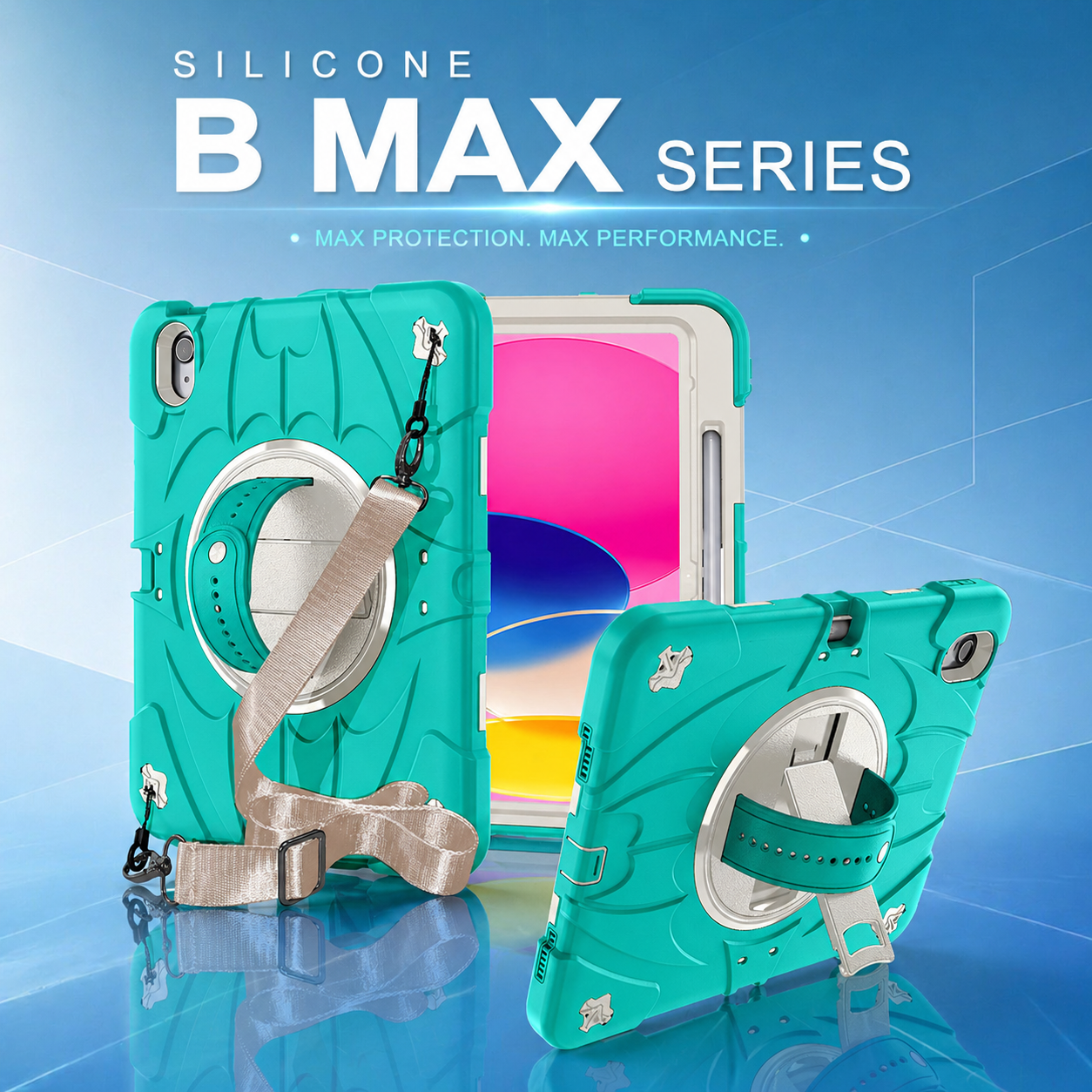

How to Compare Tablet Case Materials and Protection Structures for B2B Projects
Material names alone do not determine whether a tablet case will perform well. Protection comes from the interaction of resin properties, wall thickness, rib design, corner geometry, assembly method, screen clearance, and accessory load paths. For B2B programs, the correct structure should be selected according to the real deployment environment rather than a generic claim such as “military grade.”
1. Match Material Properties to the Application
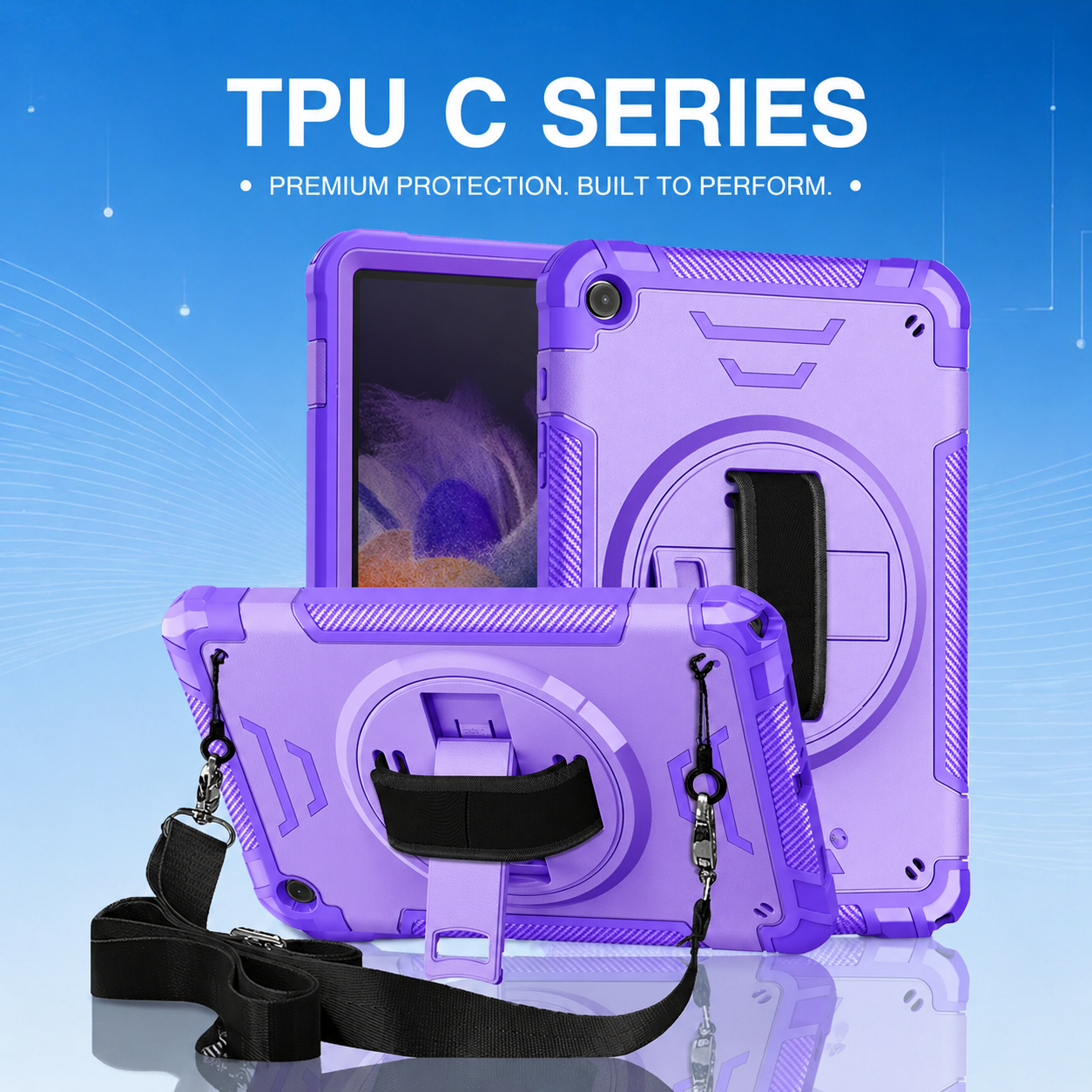
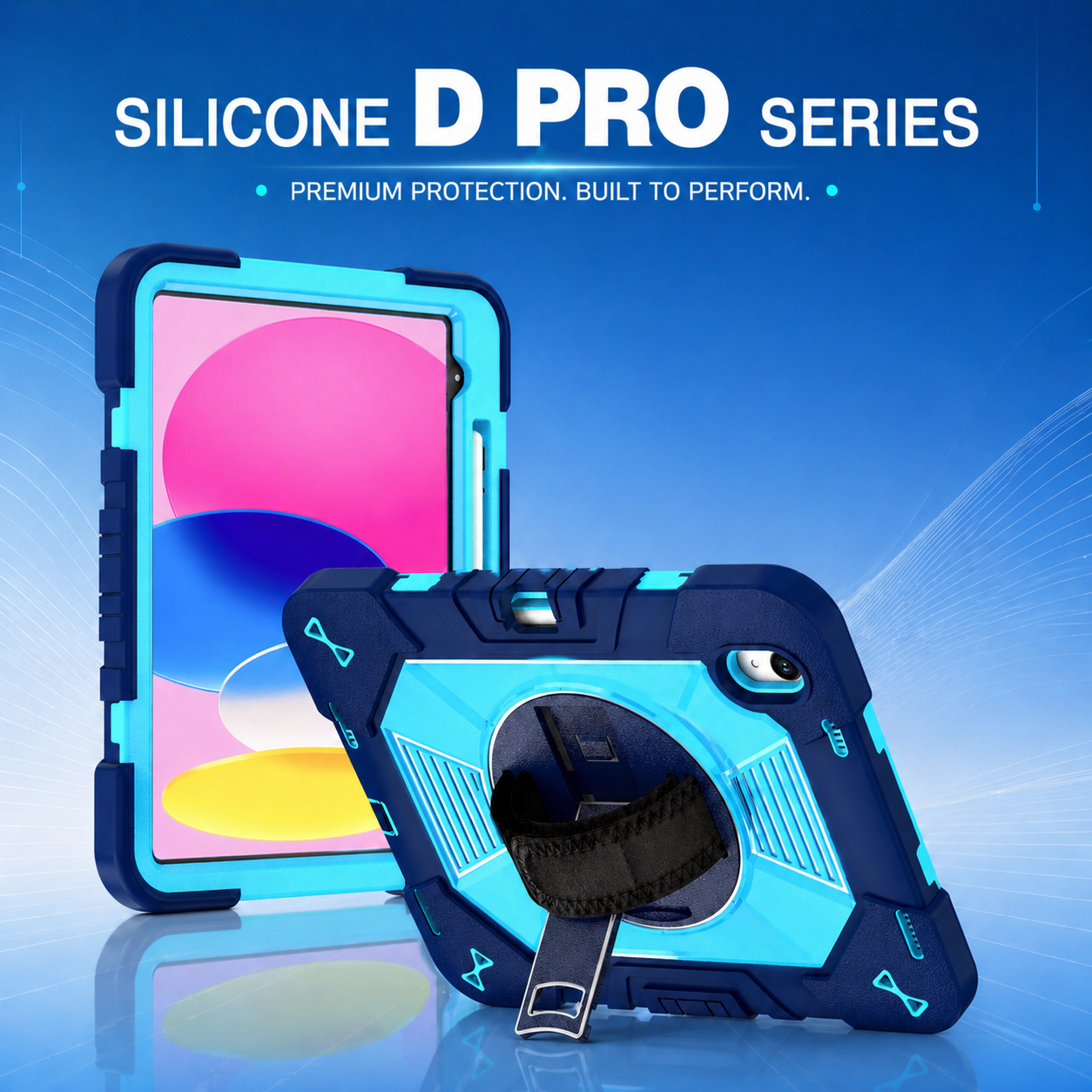
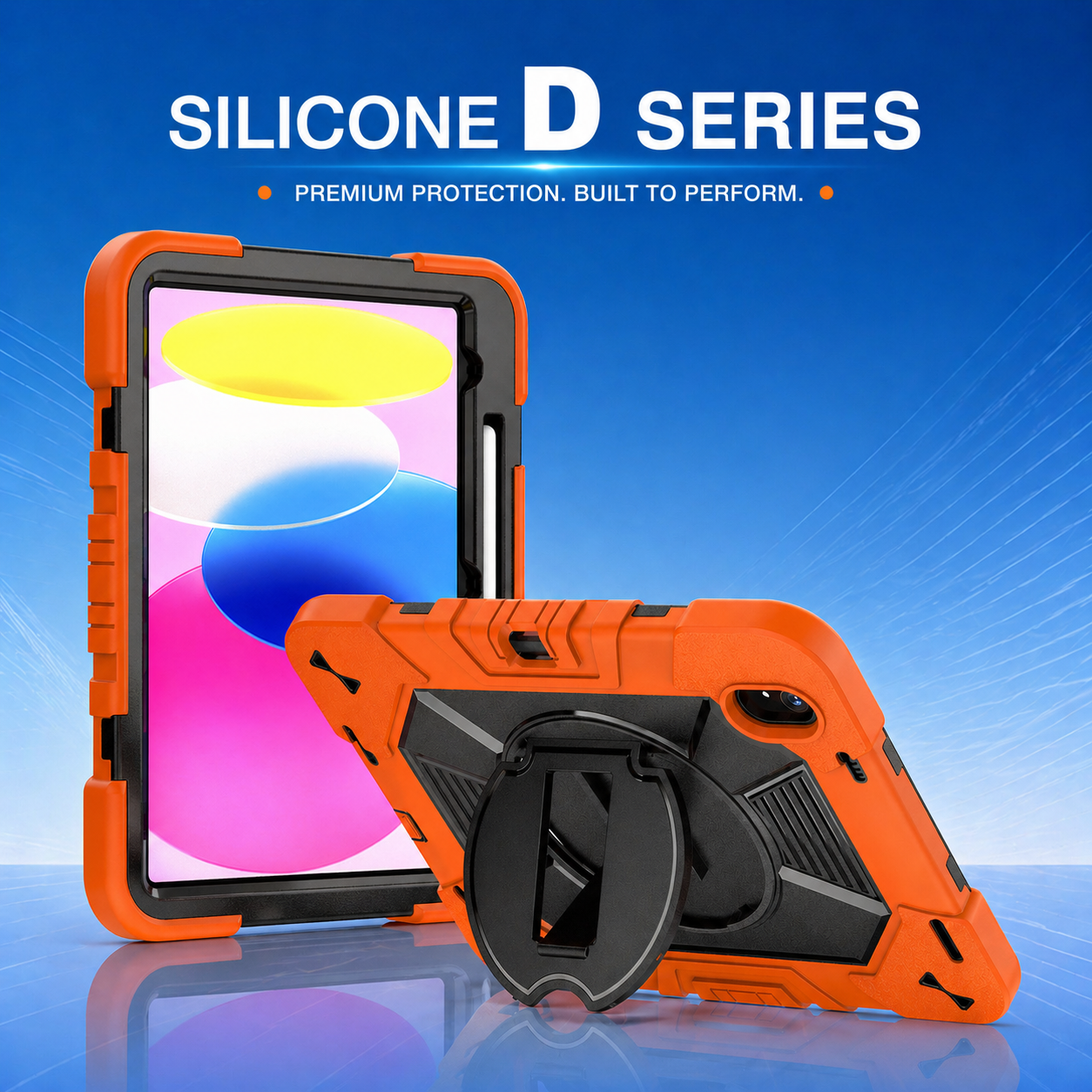
TPU is commonly used because it combines flexibility, grip, abrasion resistance, and impact absorption. Polycarbonate provides a harder shell, shape stability, and resistance to deformation. Silicone can add cushioning and comfortable handling, although its surface finish, dust attraction, and long-term stretch must be controlled. Each resin grade has different hardness, tensile strength, temperature resistance, color behavior, and processing requirements.
Buyers should request the exact material specification rather than accepting a broad description such as “premium TPU.” Ask whether the resin is virgin or blended, whether recycled content is used, and how incoming batches are verified. Material substitutions should require written approval because small changes can affect fit, odor, color, flexibility, and drop performance.
2. Understand Layered Protection
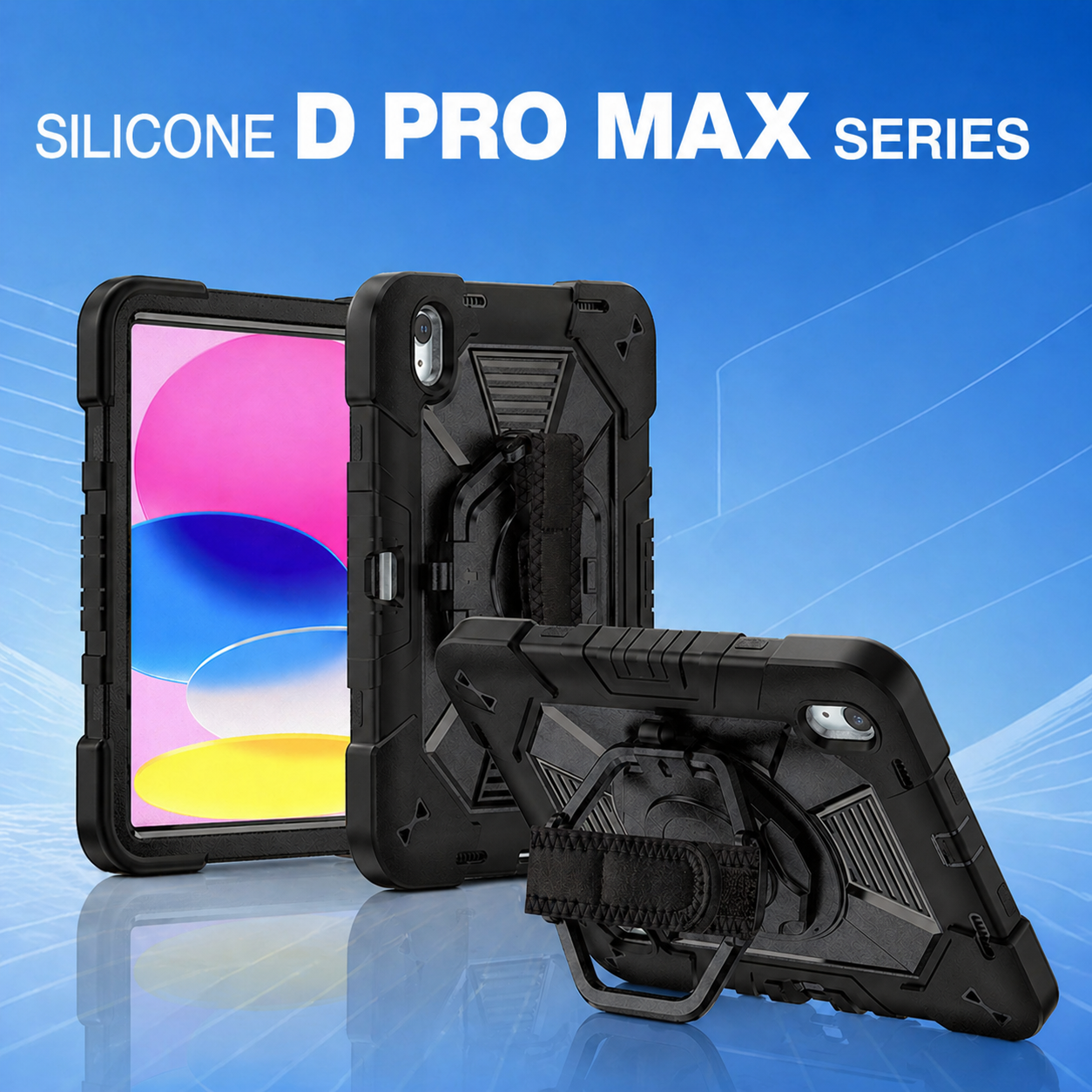
A 3 layers heavy duty rugged tablet case may combine an inner cushioning layer, a rigid frame, and an external impact-absorbing shell. The value of the layers depends on how they work together. Poor interfaces can create loose edges, assembly difficulty, stress concentration, or movement during a drop.
Review exploded drawings and ask the supplier to identify the function of each component. The structure should distribute impact away from the device, protect vulnerable corners, and remain securely assembled after repeated handling. More layers do not automatically mean better protection; unnecessary parts may add weight, cost, and failure points.
3. Evaluate Full-Body Coverage
A full body protective tablet case should protect the back, corners, edges, and front perimeter while keeping cameras, microphones, speakers, charging ports, and sensors accessible. Raised screen edges can reduce direct contact with flat surfaces, but excessive height may interfere with gestures, keyboards, docks, or screen protectors.
Port covers can reduce dust exposure, yet they must be easy to open and durable through repeated cycles. Camera surrounds should prevent lens contact without blocking the field of view or flash. For healthcare and food-service environments, buyers should also evaluate cleanability and liquid-trapping areas.
4. Check Corner and Edge Engineering
Most impact energy enters through corners and edges. A heavy duty rugged Case should use geometry that deforms predictably and creates space between the device and the external impact point. Thick material alone may not be enough. Internal air pockets, ribs, bridges, or flexible zones can improve energy management when properly designed.
Ask for high-speed observations, failure photos, or post-drop inspection records when available. Common failure points include cracked hard shells, separated layers, damaged stands, opened port covers, displaced tablets, and screen contact with the ground.
5. Review Stands, Hand Straps, and Carrying Features
Enterprise users often rely on accessories more than consumer users. A kickstand should remain stable at intended angles and resist accidental collapse. Rotating hand straps need secure anchors, comfortable padding, and verified pull strength. Shoulder-strap points should transfer loads into reinforced regions rather than thin case walls.
Ask how many cycles are used for hinge, rotation, button, and strap tests. The test should simulate realistic force and speed. A feature that works during a showroom demonstration may fail after thousands of daily movements unless the mechanism and attachment points are validated.
6. Define Meaningful Drop Tests
Drop claims must include the device or representative weight, drop height, surface, number of drops, orientations, temperature, sample quantity, and acceptance criteria. A case dropped empty does not represent a real tablet. A single drop onto wood is not equivalent to repeated drops onto concrete.
Buyers should define whether cosmetic damage is acceptable and whether all functions must remain operational. The inspection should cover the tablet, case, stand, strap, buttons, ports, and screen. For high-risk deployments, consider repeated drops, corner-first drops, and conditioned samples exposed to heat or cold.
7. Consider Ergonomics and Weight
Protection that makes a device difficult to hold may reduce user compliance. Review total weight, grip width, balance, strap position, button force, and access while wearing gloves. For education, consider small hands and accidental pulling. For field service, evaluate one-handed operation, vehicle use, and outdoor visibility.
A useful prototype evaluation includes actual users completing representative tasks. Their feedback may reveal fatigue, blocked ports, unstable viewing angles, difficult cleaning, or awkward carry positions before tooling changes become expensive.
8. Control Color, Texture, and Surface Quality
B2B buyers often require brand colors, department coding, or high-visibility finishes. Establish an approved color standard under controlled lighting and define acceptable variation. Texture affects grip, appearance, cleanability, and mold release. Glossy surfaces may show scratches, while very rough textures may trap contamination.
Surface acceptance criteria should cover flow marks, sink marks, weld lines, scratches, flash, contamination, odor, and logo quality. Golden samples and defect photographs help inspectors apply consistent judgments.
After selecting the correct structure, buyers should verify the factory’s quality assurance and compliance process before approving mass production.






.png)
+86 13422271740
.png)
info@tongmeitech.com
.png)
No. 34, Mashe Section, Guihe Road, Lishui Town, Foshan, Guangdong, China