- 1
- BLACKL
- TABLETAPPLE iPad Mini 8NEW iPad A16(2025) iPad 10.9" 10th (2022) iPad 10.2" (7th/8th/9th) iPad Air 13" (M2/M3/M4)(2024/2025/2026)NEW iPad Air 11" (M2/M3/M4)(2024/2025/2026)NEW iPad Mini 8.3" (A7 Pro/6th Gen) iPad Pro13"(M4/M5)(2024/2025) iPad Pro11"(M4/M5)(2026) iPad 9.7" (5th/6th Gen) iPad Pro 12.9"(2018-2022) iPad Pro 11"(2018-2022) iPad 9.7"(2th/3th/4th) iPad Air 10.9"(4th/5th Gen) iPad Mini 7.9"(4th/5th Gen)SAMSUNG Galaxy Tab A11 Galaxy Tab A11 Plus Galaxy Tab S11 Galaxy Tab S12 PlusNEW Galaxy Tab S12 UltraNEW Galaxy Tab A9+ Galaxy Tab A9 Galaxy Tab A8 Galaxy Tab A7 Galaxy Tab A7 Lite Galaxy Tab S11 Ultra/S10 Ultra/S9 Ultra/S8 Ultra Galaxy Tab S10+/S9+/S9 FE+ Galaxy Tab S10Lite/S10 FE/S9 FE/S9 Galaxy Tab S8+/S7+/S7 FE Galaxy Tab S8/S7 Galaxy Tab S6 lite Galaxy Tab A10.1 Galaxy Tab A8.4 Galaxy Tab A8.0 Galaxy Tab S10 FE+LENOVO iDea tab 11/Tab K11 Gen 2 /Xiaoxin Pad 11 2025 Lenovo Tab K9 (Tab One) 2025 Lenovo Tab M10 10.1"(2025) Lenovo Tab M10 Plus 10.6" (3rd Gen) Lenovo Tab M10 HD 10.1" (3rd Gen) Lenovo K10/M10 Plus 10.3" (2nd Gen) Lenovo Tab M10 HD 10.1" (2nd Gen)XIAOMI Redmi Pad 2 9.7 InchNEW Xiaomi Pad8/8Pro 11.2" Redmi Pad2/Pad2.4G Xiaomi Pad 6/6 Pro 11" Redmi Pad 10.61" Redmi Pad Se 11" Redmi pad Se 4G 8.7" Xiaomi Pad7/7 Pro 11.2" Redmi Pad Pro/Xiaomi Poco Pad/Redmi Pad2 Pro 12.1HUAWEI Huawei Matepad Se 10.4" Huawei Matepad 11" Huawei Matepad 11.5" Huawei Matepad SE 11" Huawei Matepad T8 8" Huawei Matepad T10 9.7"
- CATEGORIES
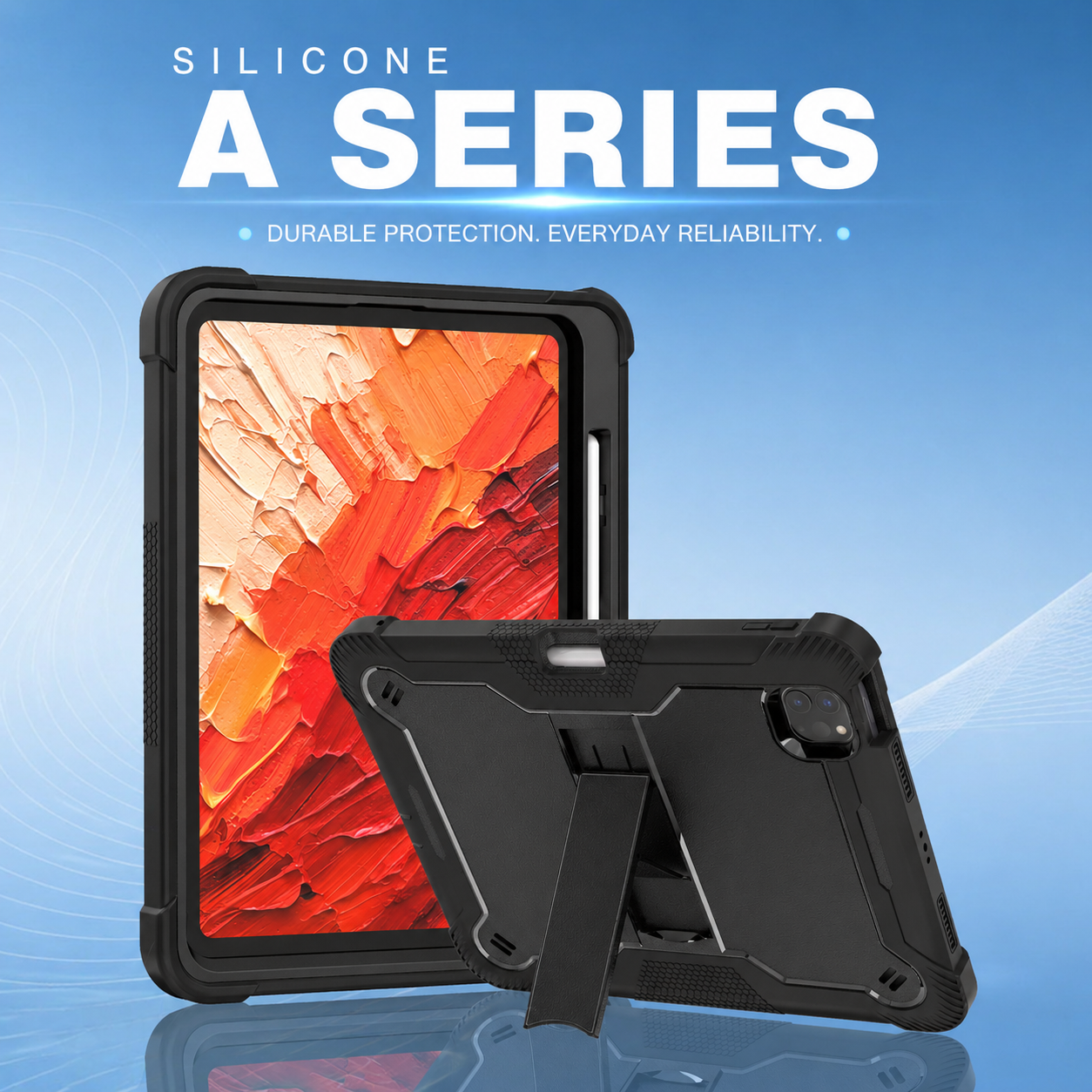
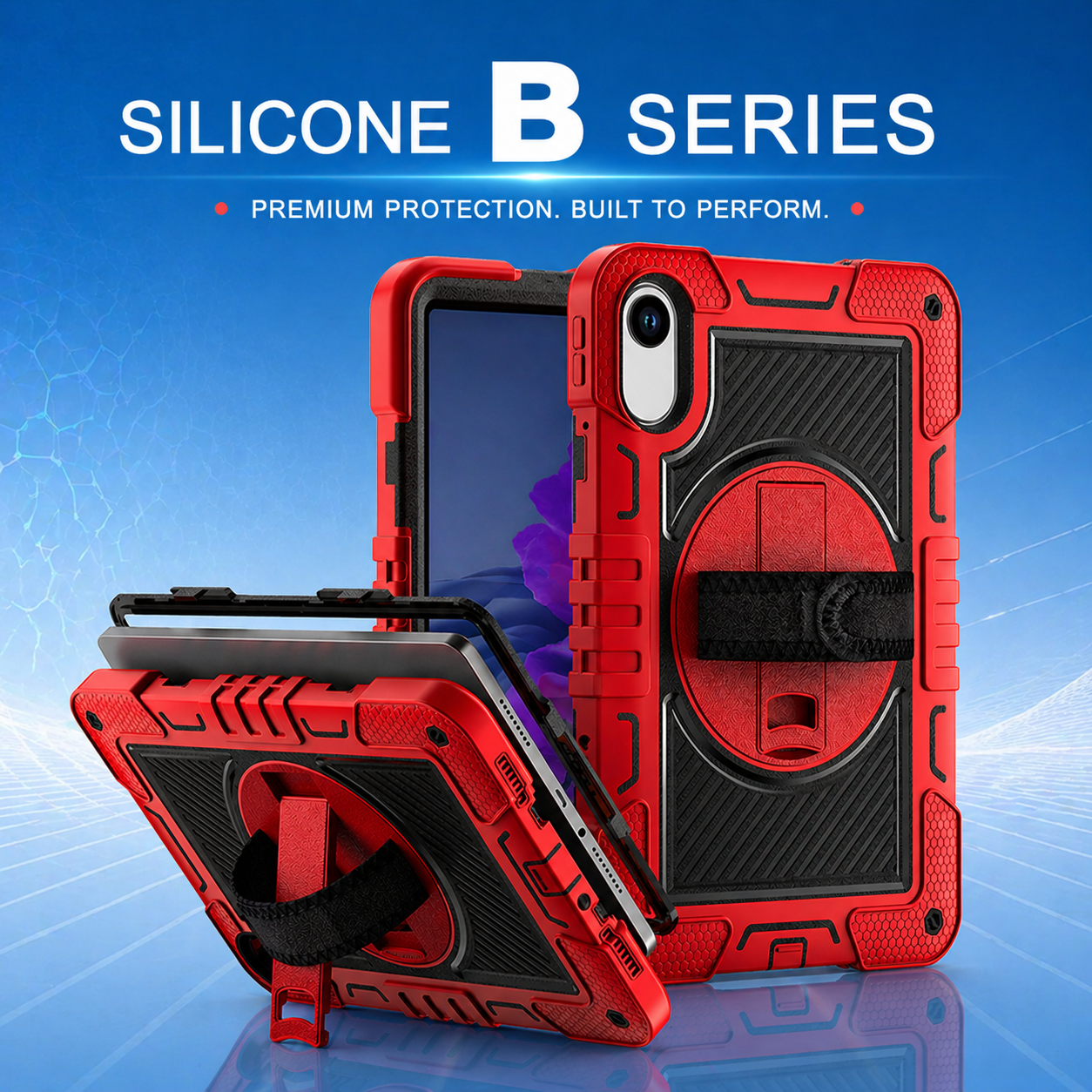
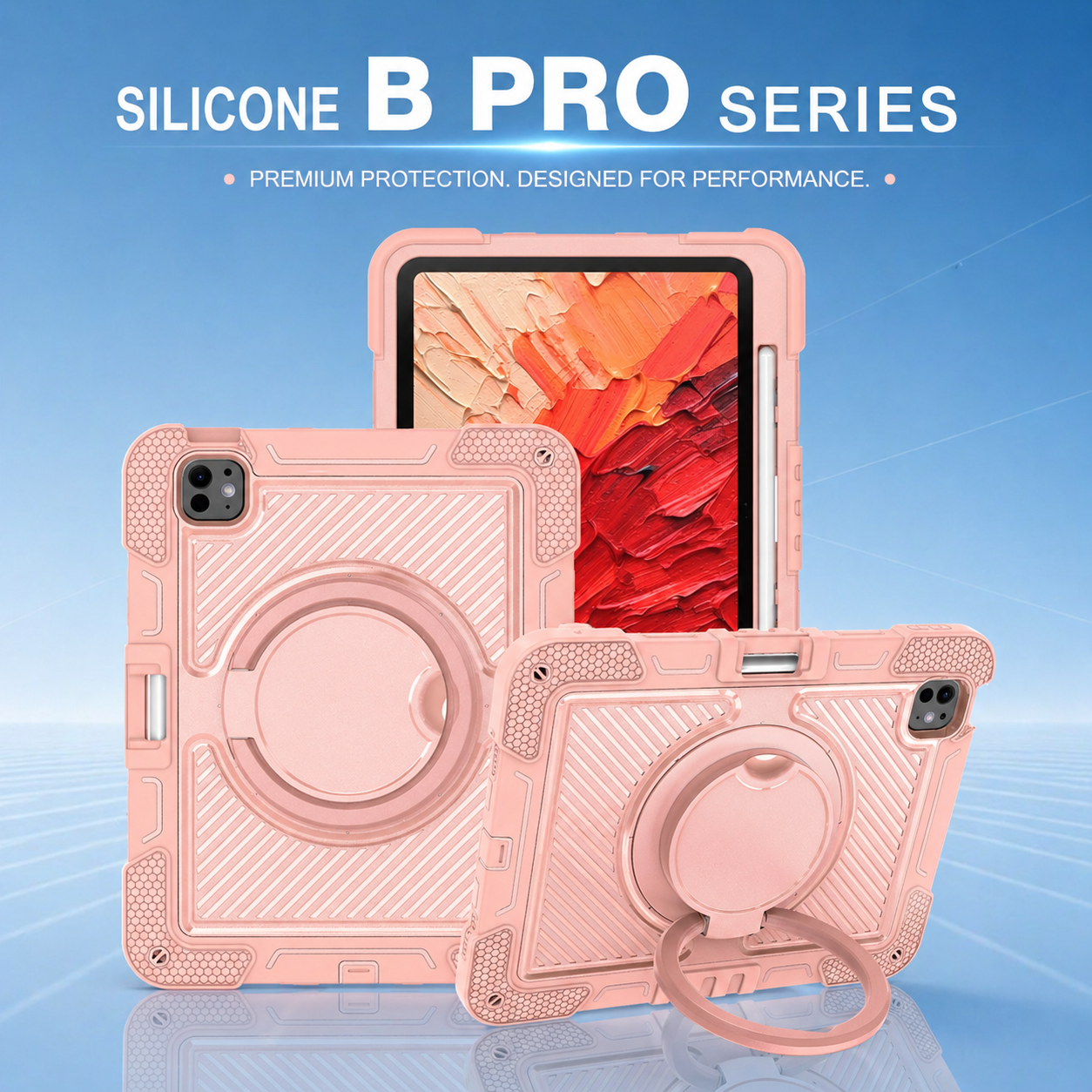
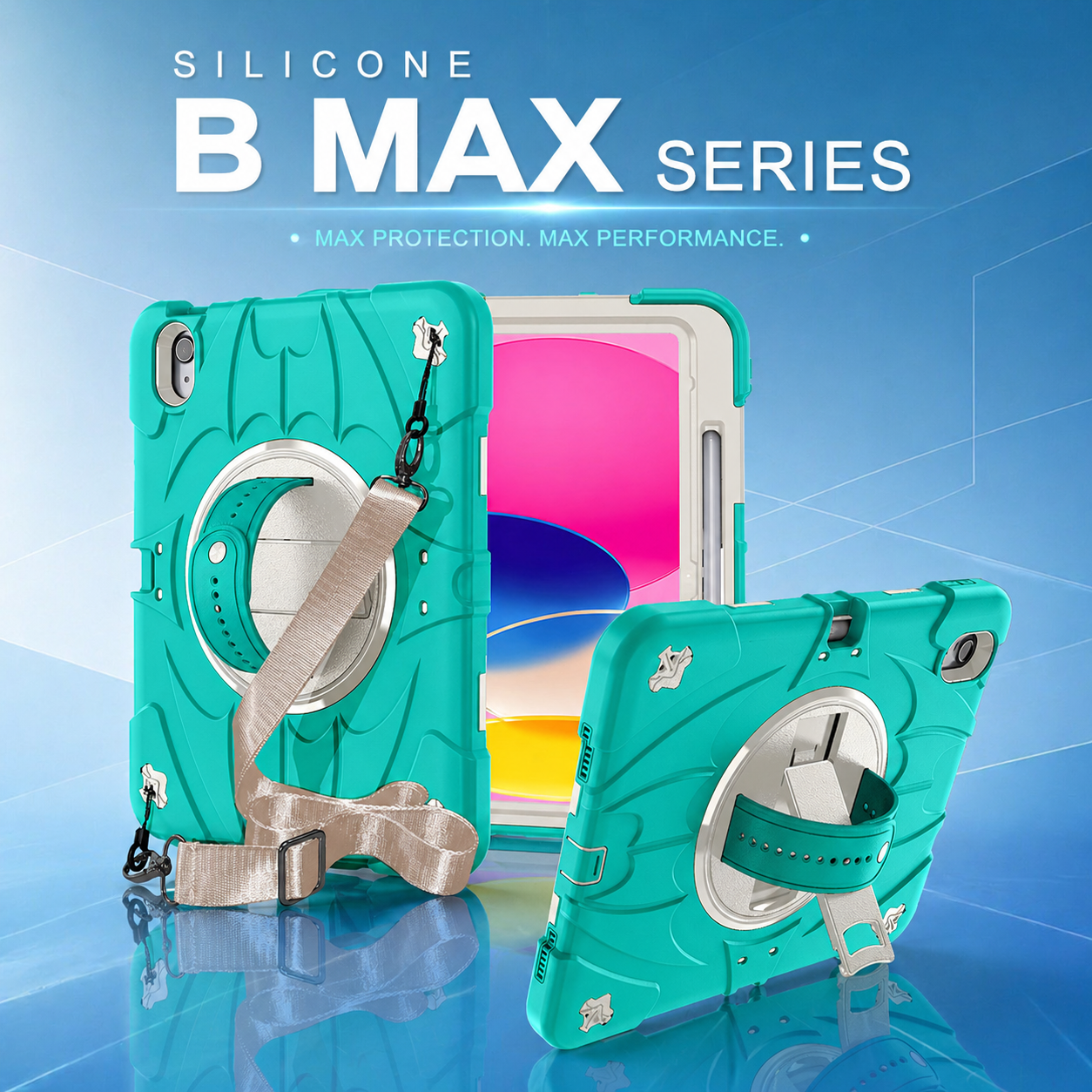

Drop Test Data Comparison: Standard Tablet Cases vs Heavy Duty Rugged Cases
Introduction
Tablets have become essential tools in education, business, logistics, healthcare, and industrial environments. As their usage expands, protecting these valuable devices from accidental drops becomes increasingly important. While many consumers choose lightweight protective cases for convenience and aesthetics, organizations operating in demanding environments often prefer rugged protective solutions. The question is simple: how much difference does a rugged case actually make during a drop test?
This article compares the performance of standard tablet protective cases and heavy-duty rugged cases using drop-test data, impact analysis, and real-world usage scenarios. The goal is to help buyers understand which type of protection best suits their needs.
Understanding Standard Tablet Cases
Standard tablet cases are primarily designed for everyday protection. They typically focus on preventing scratches, minor bumps, and daily wear and tear. Most standard cases use lightweight materials that keep the tablet slim and portable.
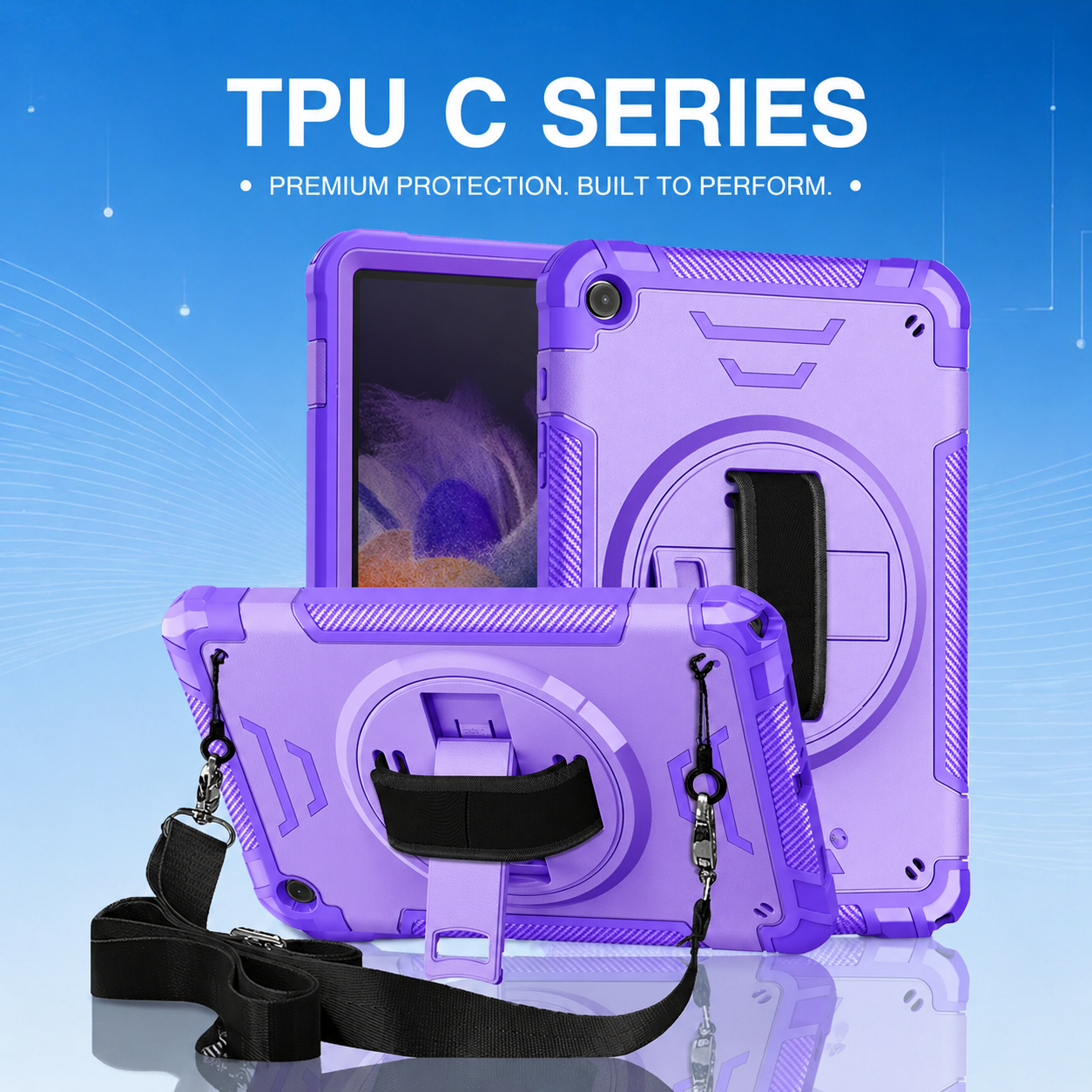
A common example is the TPU tablet case, which offers flexibility, shock absorption, and a comfortable grip. TPU materials perform well against minor impacts and help prevent surface damage during normal daily use.
Advantages of standard cases include:
Lightweight construction
Slim profile
Lower cost
Comfortable handling
Attractive appearance
However, their limited material thickness often reduces their ability to absorb high-impact forces during serious drops.
Understanding Heavy Duty Rugged Cases
Heavy-duty rugged cases are engineered specifically for harsh environments. Unlike standard cases, they prioritize protection over slimness.
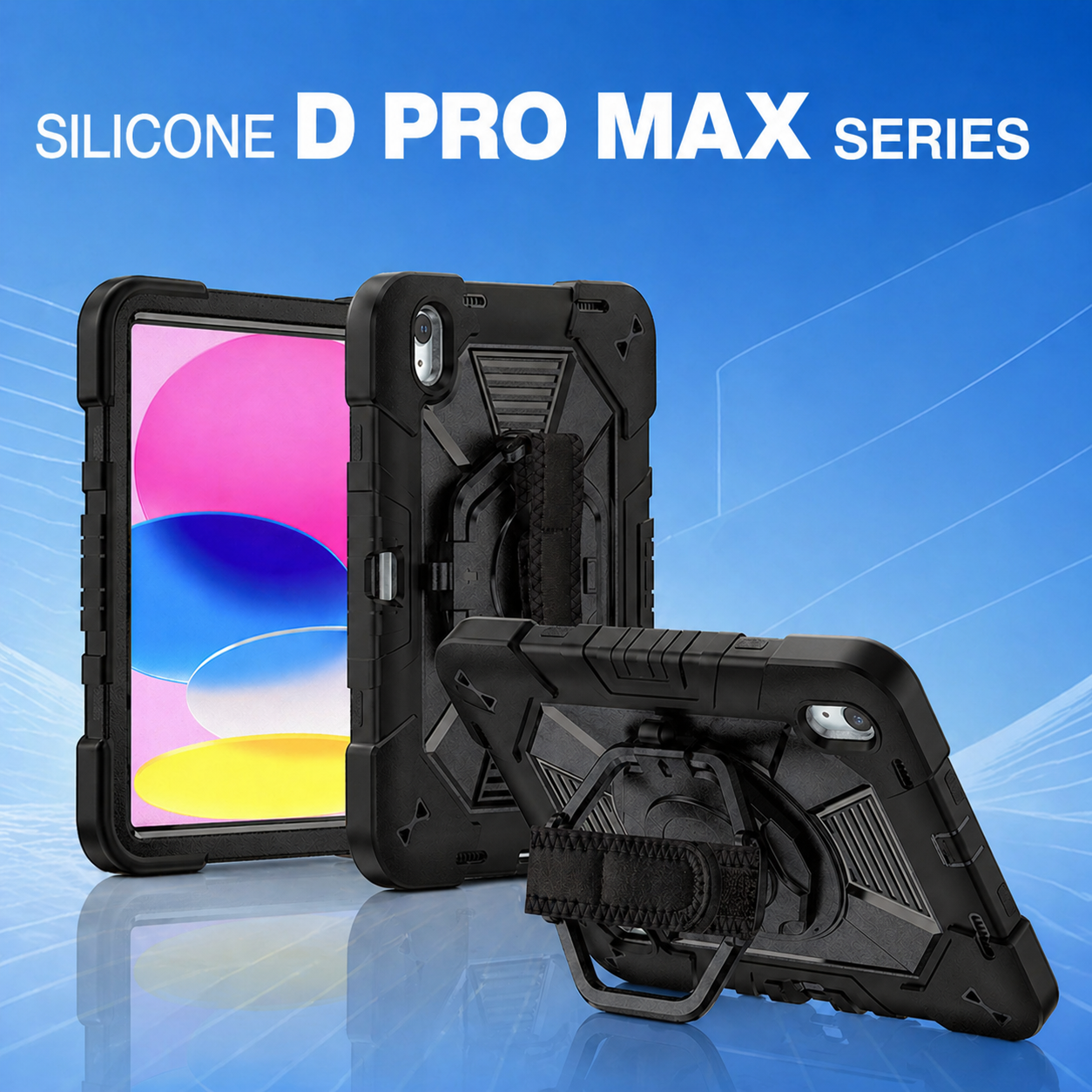
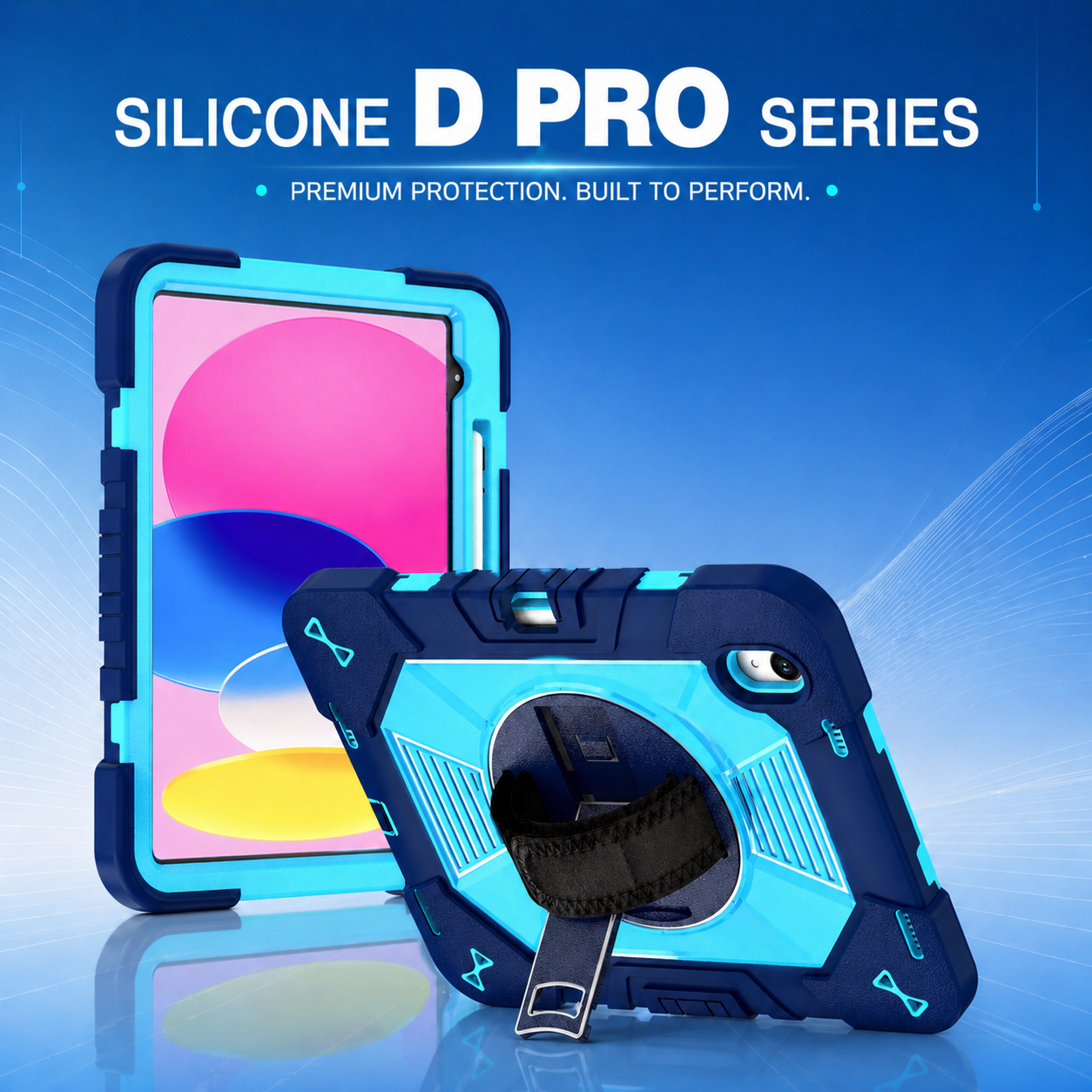
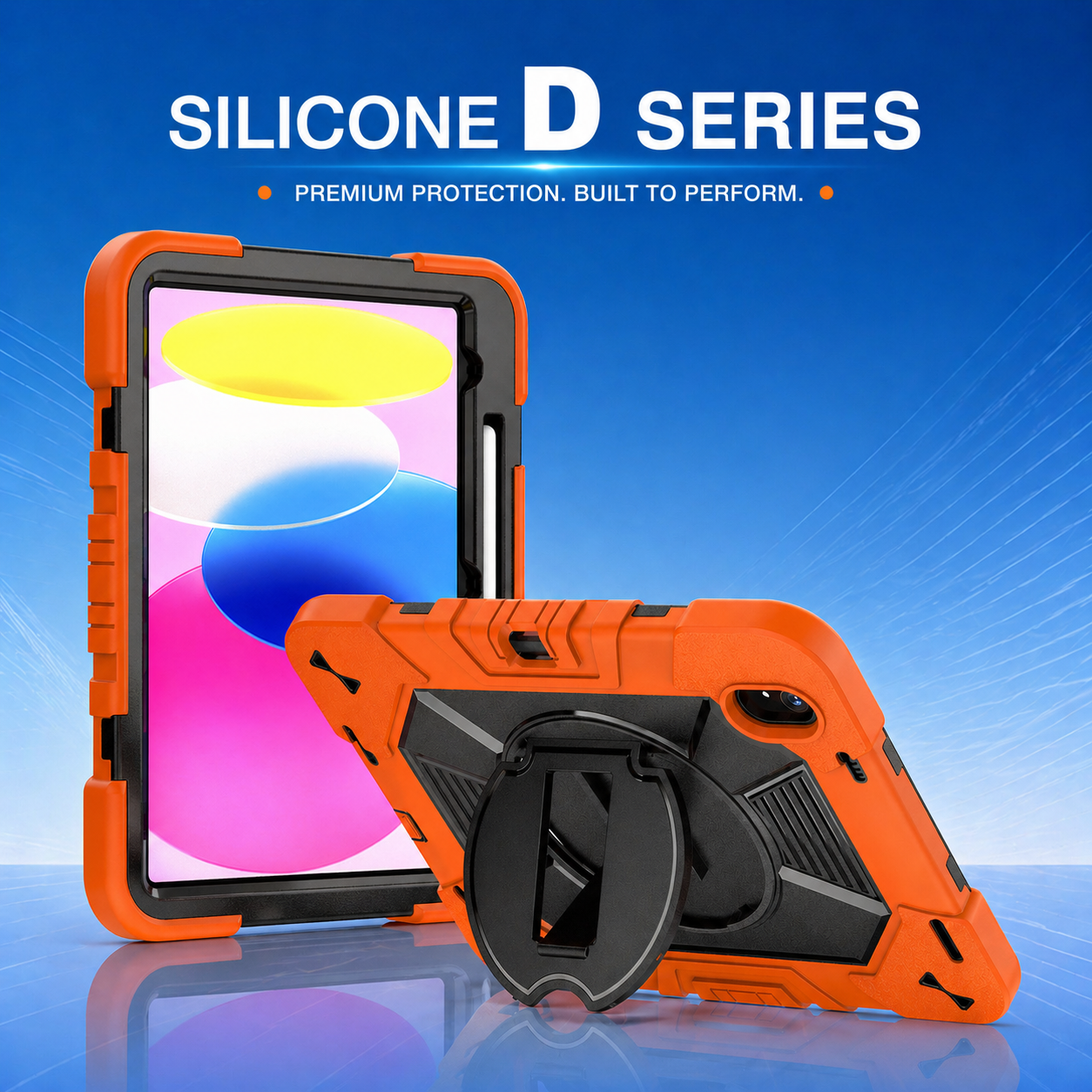
One popular design is the PC+Silicone tablet case, which combines a hard polycarbonate shell with a shock-absorbing silicone outer layer. This dual-material structure allows impact energy to be distributed across multiple protective layers.
Industrial users often select a heavy duty rugged Case because it offers:
Reinforced corners
Raised screen bezels
Enhanced shock absorption
Better drop resistance
Long-term durability
These features significantly improve device survival rates during accidental drops.
Test Methodology
To compare performance fairly, multiple tablets were equipped with different protective solutions and subjected to controlled drop tests.
Testing conditions included:
Height: 1 meter
Height: 1.5 meters
Height: 2 meters
Surface: Concrete
Surface: Ceramic tile
Surface: Industrial flooring
Measurements focused on:
Screen damage
Corner damage
Frame deformation
Functional operation after impact
Each configuration was tested multiple times to ensure consistency.
Results at 1 Meter
At one meter, most tablets survived regardless of case type.
The TPU tablet case effectively protected devices against minor impacts. Cosmetic damage was minimal, and most tablets remained fully operational.
However, corner protection began showing noticeable differences.
Average damage rates:
| Case Type | Visible Damage |
|---|---|
| Standard TPU Case | 18% |
| Rugged Case | 4% |
The data indicates that rugged solutions already offer a significant advantage, even at relatively low drop heights.
Results at 1.5 Meters
As testing height increased, performance differences became more obvious.
The PC+Silicone tablet case demonstrated excellent impact absorption characteristics. The hard inner shell distributed force while the silicone layer reduced shock transfer to the device.
Average screen failure rates:
| Case Type | Screen Failure |
|---|---|
| Standard Case | 22% |
| Rugged Case | 3% |
The rugged configurations consistently protected critical components better than standard designs.
Results at 2 Meters
Two-meter drops produced the largest performance gap.
Many standard protective cases experienced:
Cracked screens
Bent frames
Corner fractures
Display malfunction
In contrast, the heavy duty rugged Case maintained remarkably high survival rates.
Test results showed:
| Case Type | Device Survival |
|---|---|
| Standard Case | 54% |
| Rugged Case | 96% |
The multi-layer construction effectively dispersed impact energy before it reached sensitive internal components.
Why Rugged Cases Perform Better
Several engineering principles explain the superior performance of rugged protection systems.
Reinforced Corners
Corners absorb much of the impact force during accidental drops. Rugged cases include extra material in these areas to reduce stress concentration.
Multi-Layer Construction
Protective layers work together to absorb and distribute energy.
Raised Bezels
Raised edges help prevent direct screen contact with hard surfaces.
Improved Material Design
The combination of hard and soft materials creates more efficient shock management than single-material constructions.
Real-World Applications
Different industries have different protection requirements.
Education
Students frequently drop tablets during classroom activities. Rugged solutions reduce replacement costs and device downtime.
Warehousing
Warehouse workers often operate tablets in fast-moving environments where accidental drops are common.
Field Service
Technicians working outdoors need reliable protection against impacts and harsh conditions.
Healthcare
Medical tablets must remain operational even after accidental falls.
In these scenarios, rugged protection delivers measurable long-term value.
Cost vs Protection
Standard cases generally cost less initially. However, organizations often discover that replacement costs quickly exceed the savings from purchasing cheaper protection.
When evaluating total ownership cost, factors include:
Device replacement expenses
Repair costs
Productivity loss
Operational downtime
Heavy-duty protection often delivers a better return on investment over the device lifecycle.
Conclusion
Drop-test data consistently demonstrates that heavy-duty rugged tablet cases outperform standard protective cases across virtually every performance category. While standard options such as a TPU tablet case provide adequate everyday protection, more demanding environments benefit greatly from advanced designs like the PC+Silicone tablet case and heavy duty rugged Case solutions.
For schools, industrial facilities, logistics operations, and field-service teams, rugged protection significantly reduces damage rates, extends device lifespan, and lowers overall ownership costs.






.png)
+86 13422271740
.png)
info@tongmeitech.com
.png)
No. 34, Mashe Section, Guihe Road, Lishui Town, Foshan, Guangdong, China