- 1
- BLACKL
- TABLETAPPLE iPad Mini 8NEW iPad A16(2025) iPad 10.9" 10th (2022) iPad 10.2" (7th/8th/9th) iPad Air 13" (M2/M3/M4)(2024/2025/2026)NEW iPad Air 11" (M2/M3/M4)(2024/2025/2026)NEW iPad Mini 8.3" (A7 Pro/6th Gen) iPad Pro13"(M4/M5)(2024/2025) iPad Pro11"(M4/M5)(2026) iPad 9.7" (5th/6th Gen) iPad Pro 12.9"(2018-2022) iPad Pro 11"(2018-2022) iPad 9.7"(2th/3th/4th) iPad Air 10.9"(4th/5th Gen) iPad Mini 7.9"(4th/5th Gen)SAMSUNG Galaxy Tab A11 Galaxy Tab A11 Plus Galaxy Tab S11 Galaxy Tab S12 PlusNEW Galaxy Tab S12 UltraNEW Galaxy Tab A9+ Galaxy Tab A9 Galaxy Tab A8 Galaxy Tab A7 Galaxy Tab A7 Lite Galaxy Tab S11 Ultra/S10 Ultra/S9 Ultra/S8 Ultra Galaxy Tab S10+/S9+/S9 FE+ Galaxy Tab S10Lite/S10 FE/S9 FE/S9 Galaxy Tab S8+/S7+/S7 FE Galaxy Tab S8/S7 Galaxy Tab S6 lite Galaxy Tab A10.1 Galaxy Tab A8.4 Galaxy Tab A8.0 Galaxy Tab S10 FE+LENOVO iDea tab 11/Tab K11 Gen 2 /Xiaoxin Pad 11 2025 Lenovo Tab K9 (Tab One) 2025 Lenovo Tab M10 10.1"(2025) Lenovo Tab M10 Plus 10.6" (3rd Gen) Lenovo Tab M10 HD 10.1" (3rd Gen) Lenovo K10/M10 Plus 10.3" (2nd Gen) Lenovo Tab M10 HD 10.1" (2nd Gen)XIAOMI Redmi Pad 2 9.7 InchNEW Xiaomi Pad8/8Pro 11.2" Redmi Pad2/Pad2.4G Xiaomi Pad 6/6 Pro 11" Redmi Pad 10.61" Redmi Pad Se 11" Redmi pad Se 4G 8.7" Xiaomi Pad7/7 Pro 11.2" Redmi Pad Pro/Xiaomi Poco Pad/Redmi Pad2 Pro 12.1HUAWEI Huawei Matepad Se 10.4" Huawei Matepad 11" Huawei Matepad 11.5" Huawei Matepad SE 11" Huawei Matepad T8 8" Huawei Matepad T10 9.7"
- CATEGORIES
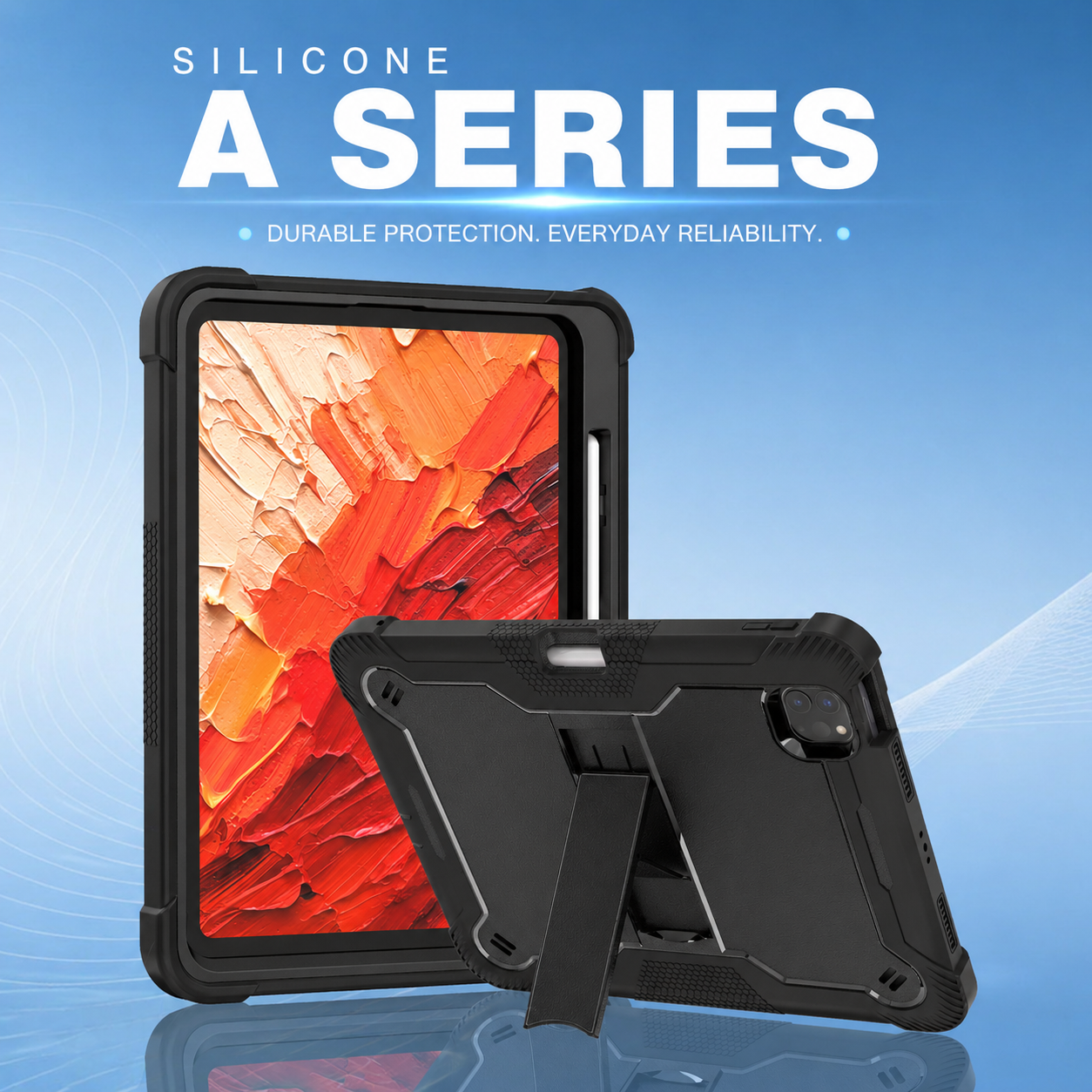
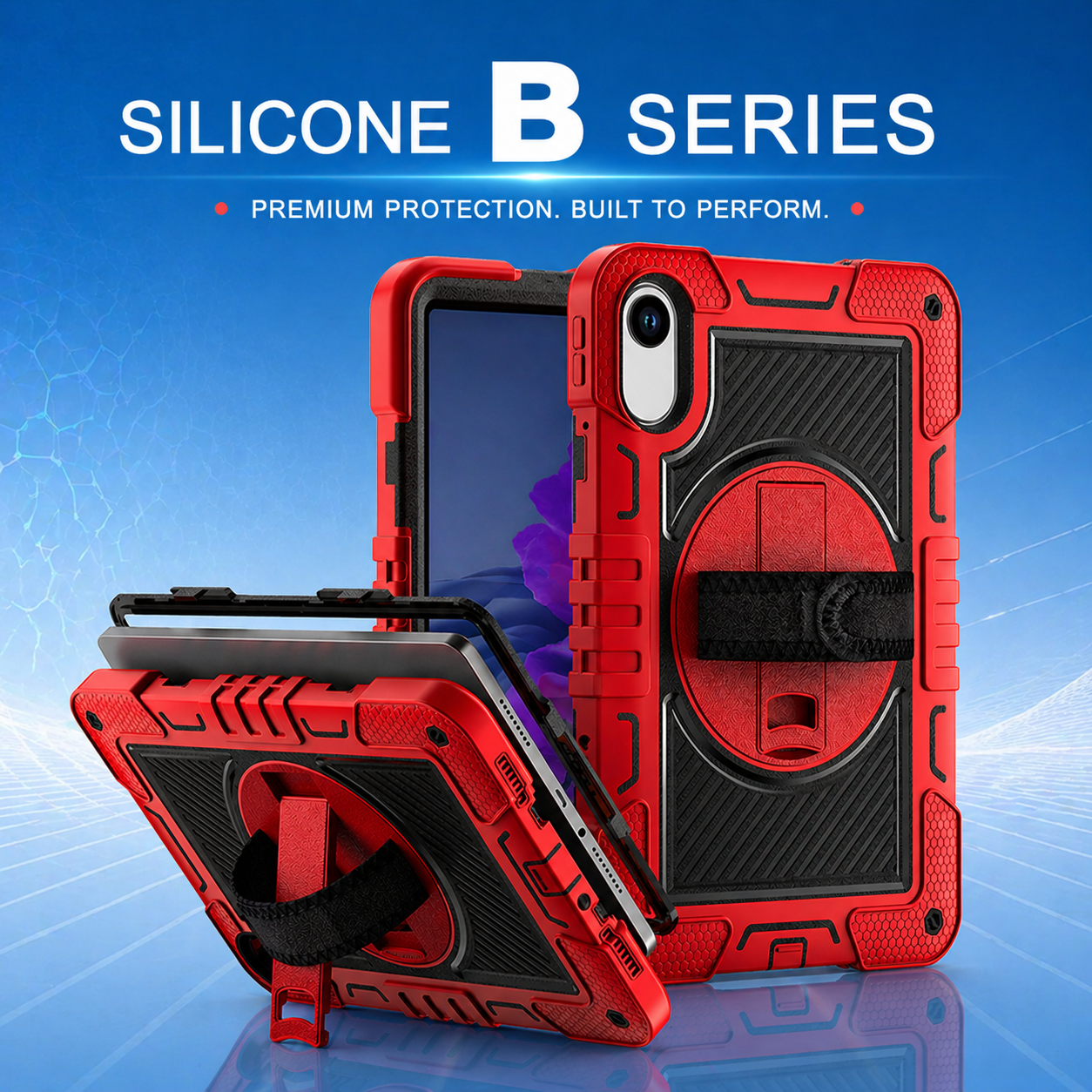
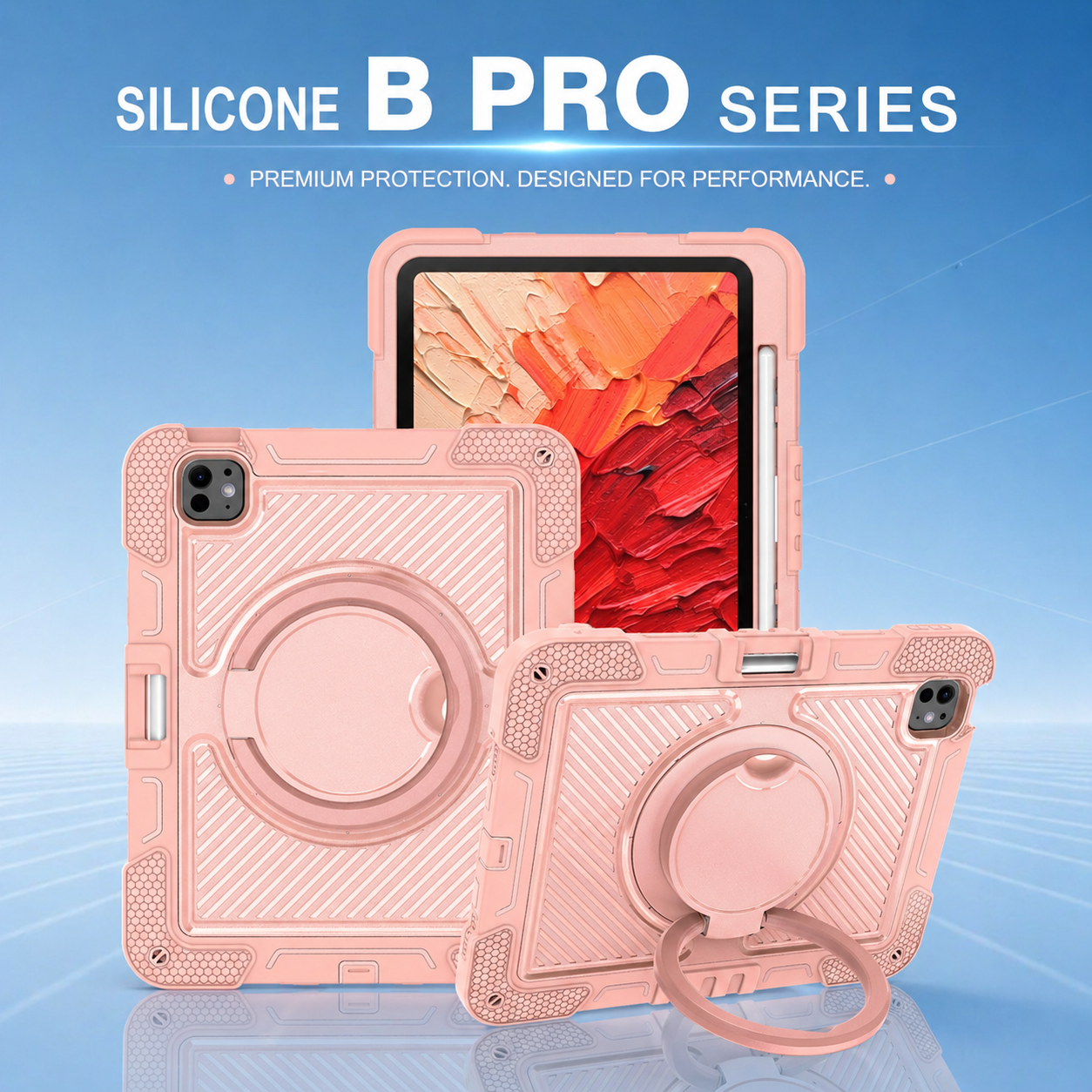
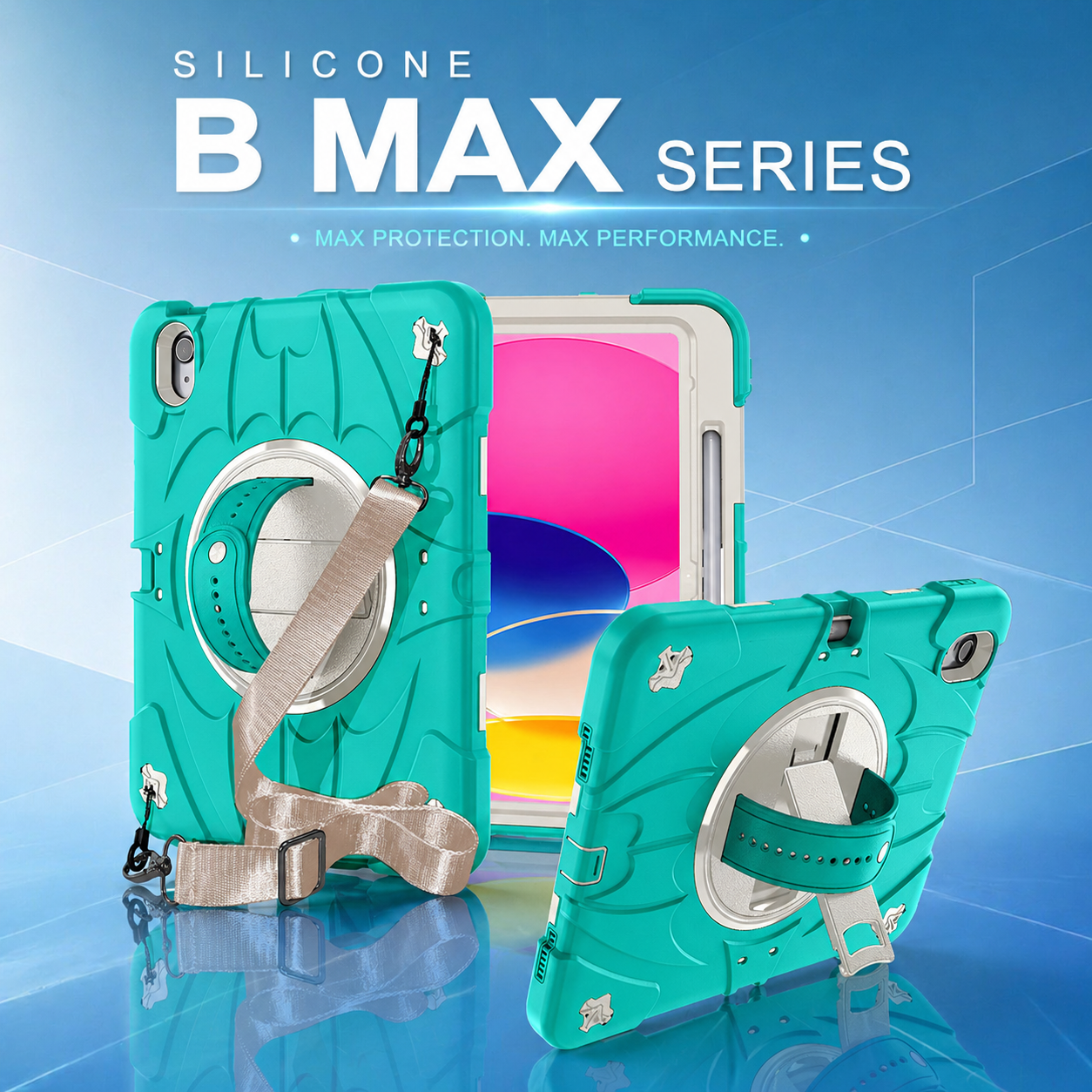
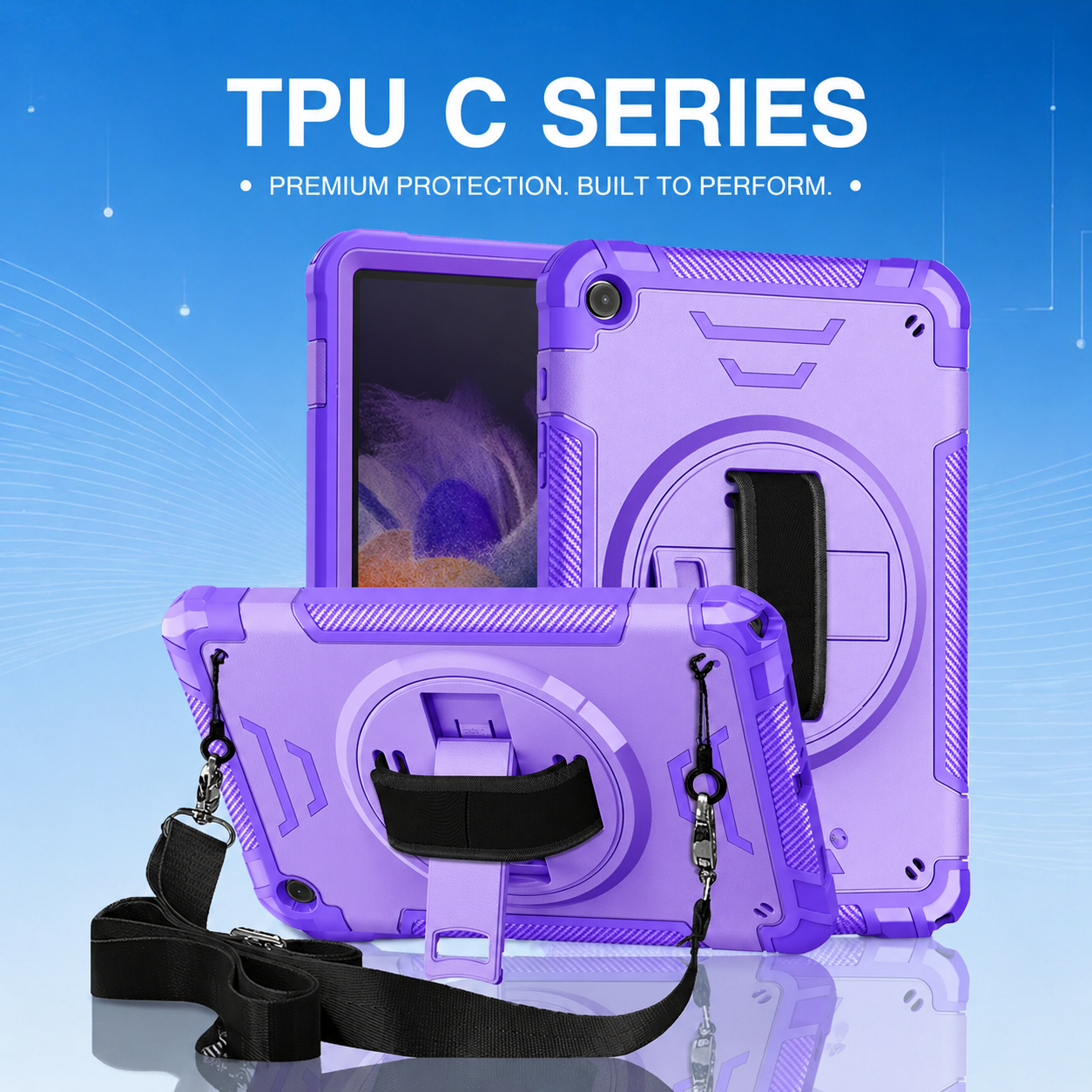
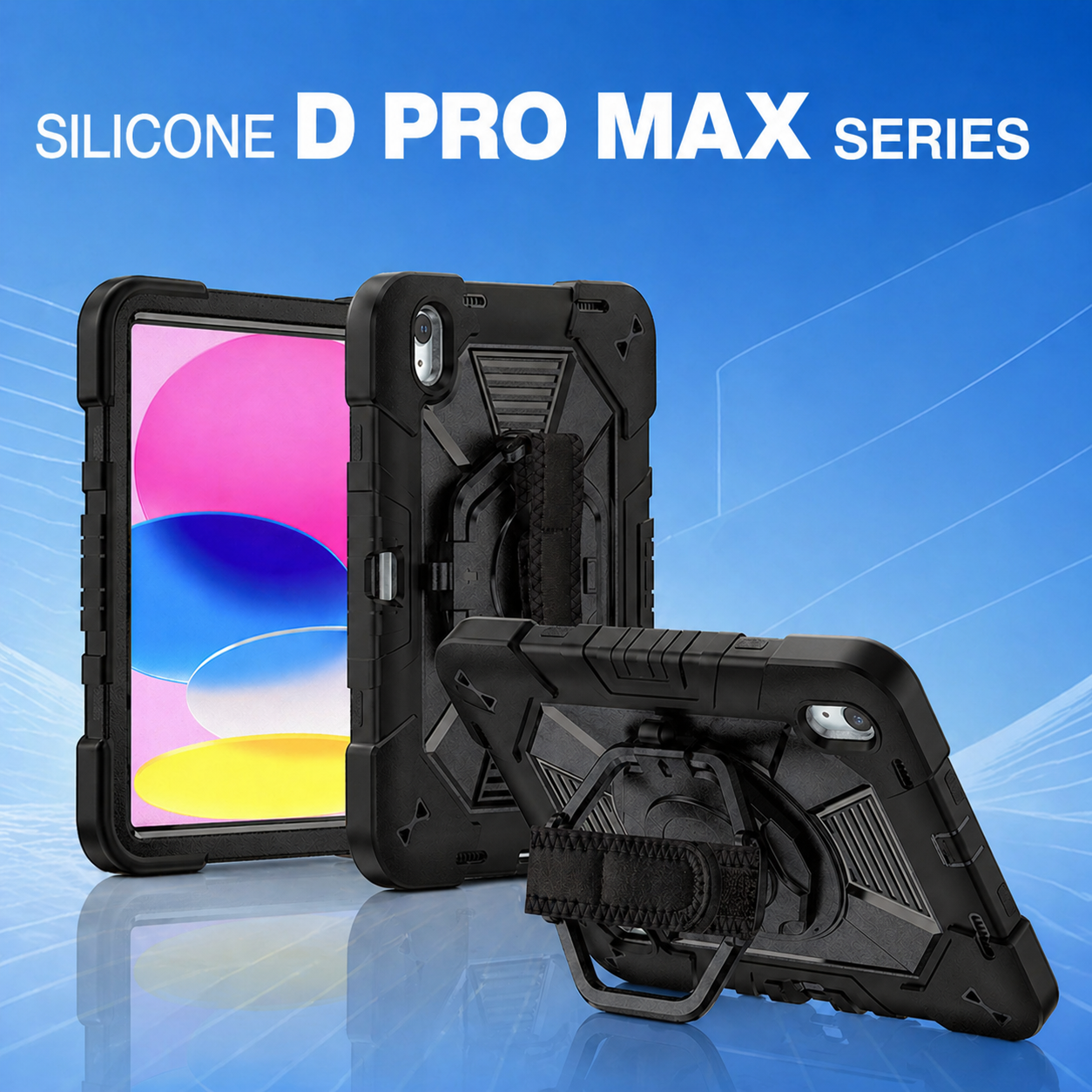
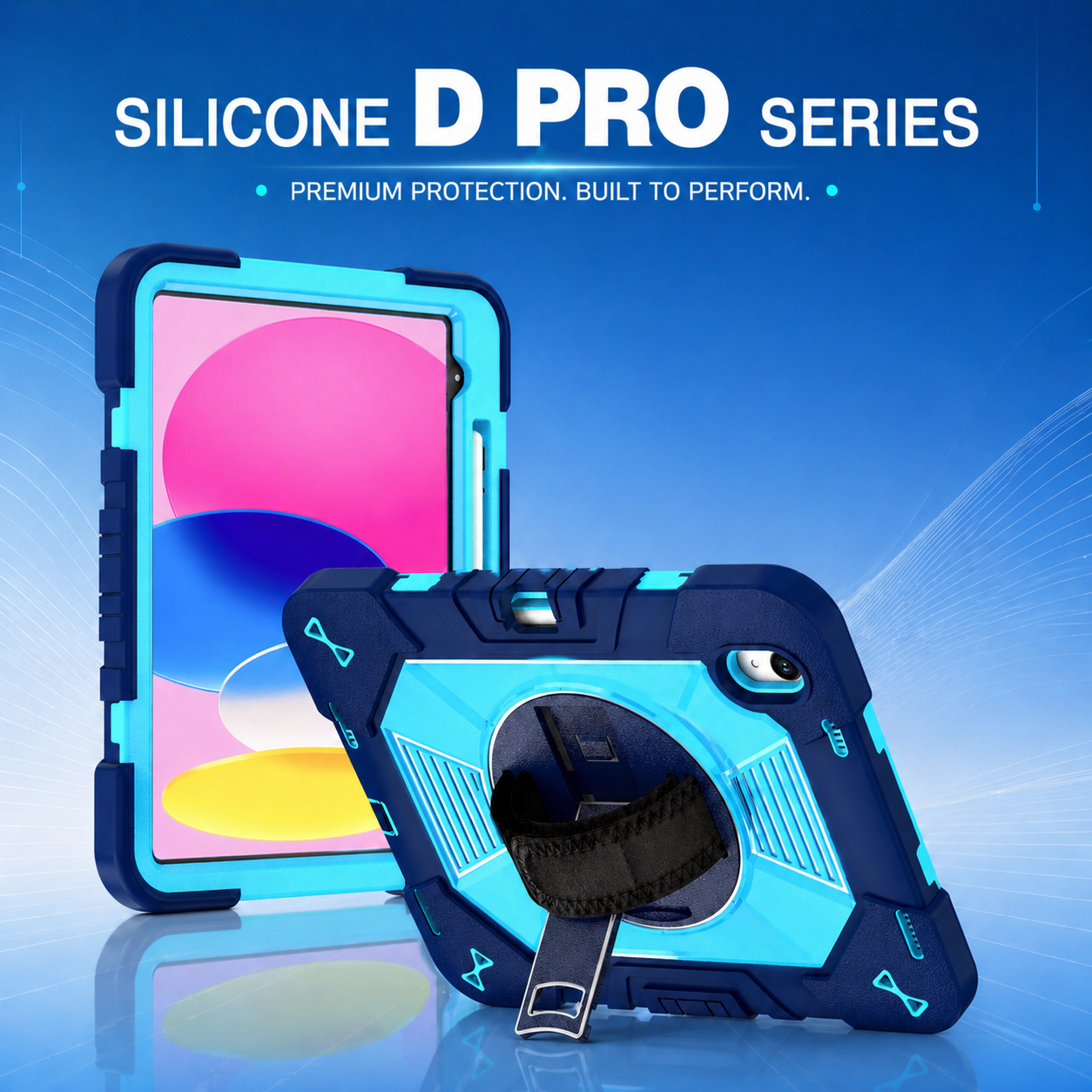
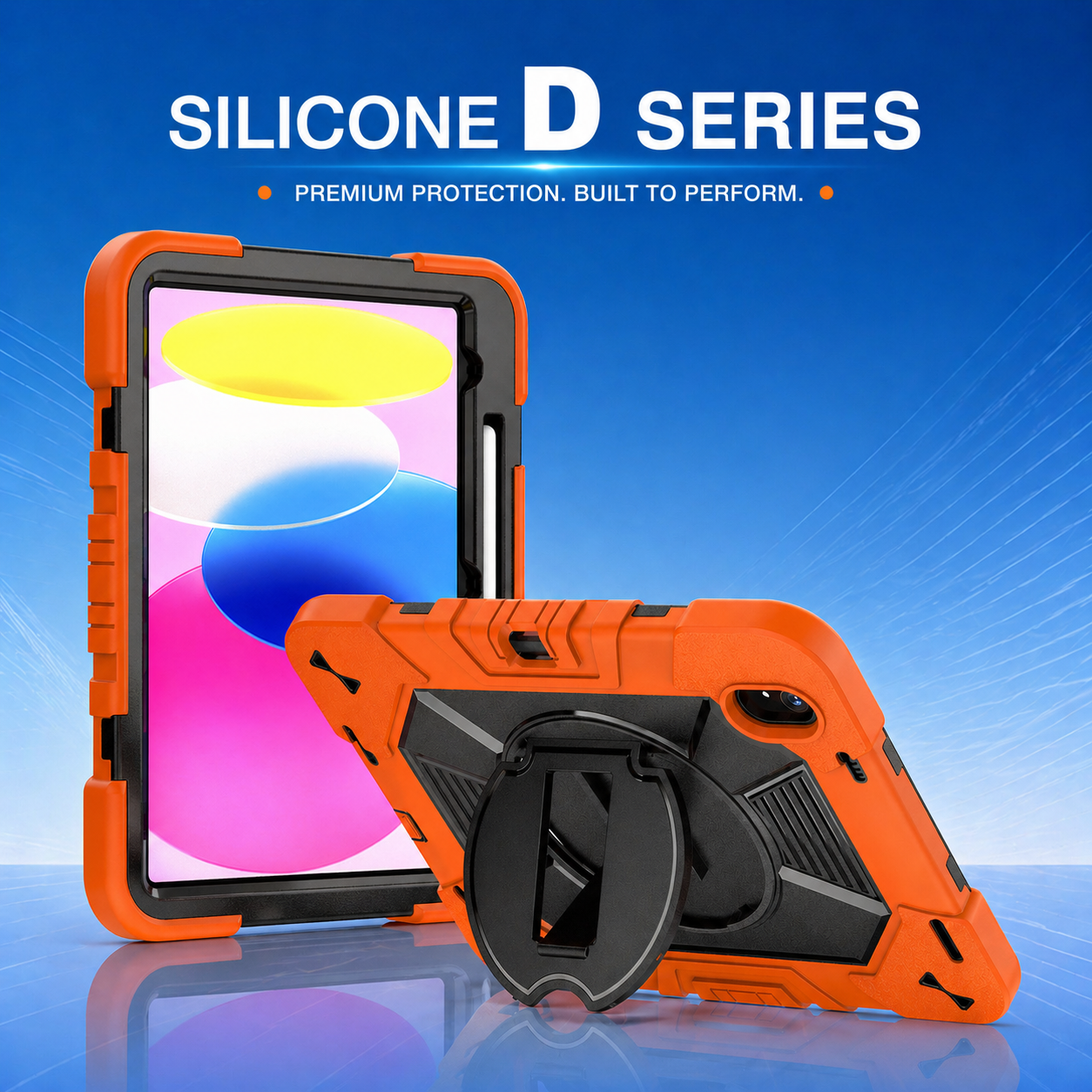

Why Multi-Material Rugged Tablet Cases Are Winning OEM Orders in 2026
In 2026, protective-case buyers are paying closer attention to how materials work together. A product that looks thick is not automatically trusted, and a lightweight design is not automatically considered weak. OEM customers increasingly ask manufacturers to explain impact absorption, structural rigidity, surface grip, stand stability, and long-term wear. This is pushing the market toward engineered combinations of soft and hard materials rather than one-material solutions.
1. Material Roles Are Becoming More Clearly Defined
Soft layers manage impact and grip
A TPU tablet case can absorb everyday shocks, improve hand comfort, and reduce slipping on smooth work surfaces. TPU also supports textured patterns, flexible button covers, and reinforced corners. For education, retail, and home-use channels, this material can deliver a strong balance of protection, color flexibility, and cost. Manufacturers must still control hardness, shrinkage, odor, surface finish, and deformation to keep quality consistent across production batches.
Rigid layers protect geometry
A PC+Silicone tablet case uses a hard internal or middle shell to hold the tablet securely while a softer outer layer cushions impact. The rigid component can support kickstands, rotating rings, pencil holders, and mounting features more reliably than a fully flexible structure. This makes hybrid construction attractive for enterprise and industrial programs where accessories must remain stable over repeated use.
2. Three-Layer Architecture Creates a Premium Story
Each layer can solve a different problem
A kids education tablet case commonly combines a front frame, a rigid back shell, and a soft shock-absorbing exterior. The front frame helps retain the tablet and can raise the edge around the screen. The center shell controls flex and supports mechanical features. The outer layer improves grip and protects corners. When the layers are engineered as a system, the design can feel secure without becoming excessively bulky.
Visible engineering improves buyer confidence
Professional buyers often assess a sample before they review detailed test data. Clear corner reinforcement, defined ribs, raised bezels, protected ports, and a stable stand communicate durability quickly. A second advantage is customization: each layer can use a different color, texture, or finish. This allows brands to create recognizable product families while reusing a proven internal structure.
3. Manufacturers Need Better Process Control
Tolerance management is essential
Multi-material products introduce more interfaces and more opportunities for fit problems. A slightly oversized soft layer may rotate around the hard shell, while an undersized part can create stress or make assembly difficult. Camera openings, speaker holes, button areas, and charging ports must align after all layers are installed. Successful suppliers use controlled material specifications, mold-maintenance schedules, sample checks, and assembly fixtures to keep the final product consistent.
Surface compatibility affects appearance
Dust attraction, gloss variation, color mismatch, and poor adhesion can weaken the perceived value of a hybrid product. The surface of a TPU tablet case should be selected for the intended channel: classrooms may favor easy-clean matte textures, while retail products may need stronger visual contrast. For a PC+Silicone tablet case, the interface between hard and soft components must also resist peeling, shifting, and trapped debris.
4. Functional Modules Increase Order Value
Stands and straps are no longer optional extras
Many buyers now expect a case to support viewing, typing, carrying, and one-handed use. Rotating hand straps, shoulder straps, multi-angle stands, and pencil storage can turn a protective shell into a workflow tool. The rigid layer should carry the mechanical load, while the soft layer protects contact points and improves grip. Manufacturers can create several SKUs from one platform by changing the accessory package.
Repairable parts support enterprise programs
Replaceable kickstands, straps, clips, and screen frames are valuable in long deployments. Instead of discarding the entire case, an organization can replace the worn component. A kids education tablet case is especially suitable for this approach because its structure is already modular. Suppliers that provide spare-part codes and simple replacement instructions can strengthen relationships with distributors and corporate buyers.
5. How OEM Suppliers Can Differentiate
Manufacturers should present material data, drop-test methods, assembly diagrams, and customization choices in a clear sales package. They should also explain which features are standard and which require new tooling. Fast prototypes are important, but stable mass production is more important. A sample that cannot be reproduced consistently creates more risk than value.
In 2026, multi-material protection is becoming a practical standard for higher-value orders. The suppliers most likely to succeed are those that connect material selection, mechanical design, accessory integration, and quality control into one repeatable development process.
Continue to: education-ready protective design.






.png)
+86 13422271740
.png)
info@tongmeitech.com
.png)
No. 34, Mashe Section, Guihe Road, Lishui Town, Foshan, Guangdong, China