- 1
- BLACKL
- TABLETAPPLE iPad Mini 8NEW iPad A16(2025) iPad 10.9" 10th (2022) iPad 10.2" (7th/8th/9th) iPad Air 13" (M2/M3/M4)(2024/2025/2026)NEW iPad Air 11" (M2/M3/M4)(2024/2025/2026)NEW iPad Mini 8.3" (A7 Pro/6th Gen) iPad Pro13"(M4/M5)(2024/2025) iPad Pro11"(M4/M5)(2026) iPad 9.7" (5th/6th Gen) iPad Pro 12.9"(2018-2022) iPad Pro 11"(2018-2022) iPad 9.7"(2th/3th/4th) iPad Air 10.9"(4th/5th Gen) iPad Mini 7.9"(4th/5th Gen)SAMSUNG Galaxy Tab A11 Galaxy Tab A11 Plus Galaxy Tab S11 Galaxy Tab S12 PlusNEW Galaxy Tab S12 UltraNEW Galaxy Tab A9+ Galaxy Tab A9 Galaxy Tab A8 Galaxy Tab A7 Galaxy Tab A7 Lite Galaxy Tab S11 Ultra/S10 Ultra/S9 Ultra/S8 Ultra Galaxy Tab S10+/S9+/S9 FE+ Galaxy Tab S10Lite/S10 FE/S9 FE/S9 Galaxy Tab S8+/S7+/S7 FE Galaxy Tab S8/S7 Galaxy Tab S6 lite Galaxy Tab A10.1 Galaxy Tab A8.4 Galaxy Tab A8.0 Galaxy Tab S10 FE+LENOVO iDea tab 11/Tab K11 Gen 2 /Xiaoxin Pad 11 2025 Lenovo Tab K9 (Tab One) 2025 Lenovo Tab M10 10.1"(2025) Lenovo Tab M10 Plus 10.6" (3rd Gen) Lenovo Tab M10 HD 10.1" (3rd Gen) Lenovo K10/M10 Plus 10.3" (2nd Gen) Lenovo Tab M10 HD 10.1" (2nd Gen)XIAOMI Redmi Pad 2 9.7 InchNEW Xiaomi Pad8/8Pro 11.2" Redmi Pad2/Pad2.4G Xiaomi Pad 6/6 Pro 11" Redmi Pad 10.61" Redmi Pad Se 11" Redmi pad Se 4G 8.7" Xiaomi Pad7/7 Pro 11.2" Redmi Pad Pro/Xiaomi Poco Pad/Redmi Pad2 Pro 12.1HUAWEI Huawei Matepad Se 10.4" Huawei Matepad 11" Huawei Matepad 11.5" Huawei Matepad SE 11" Huawei Matepad T8 8" Huawei Matepad T10 9.7"
- CATEGORIES
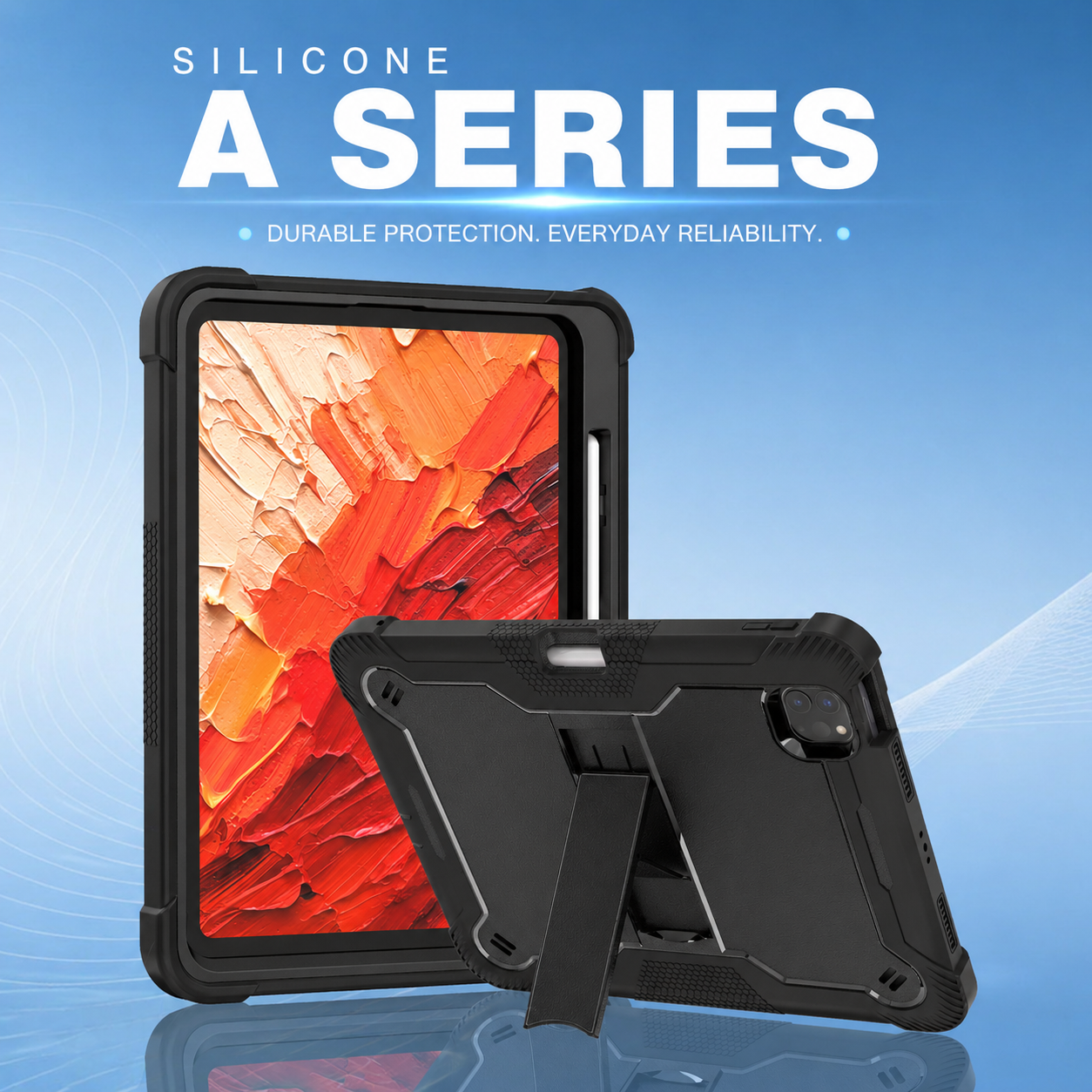
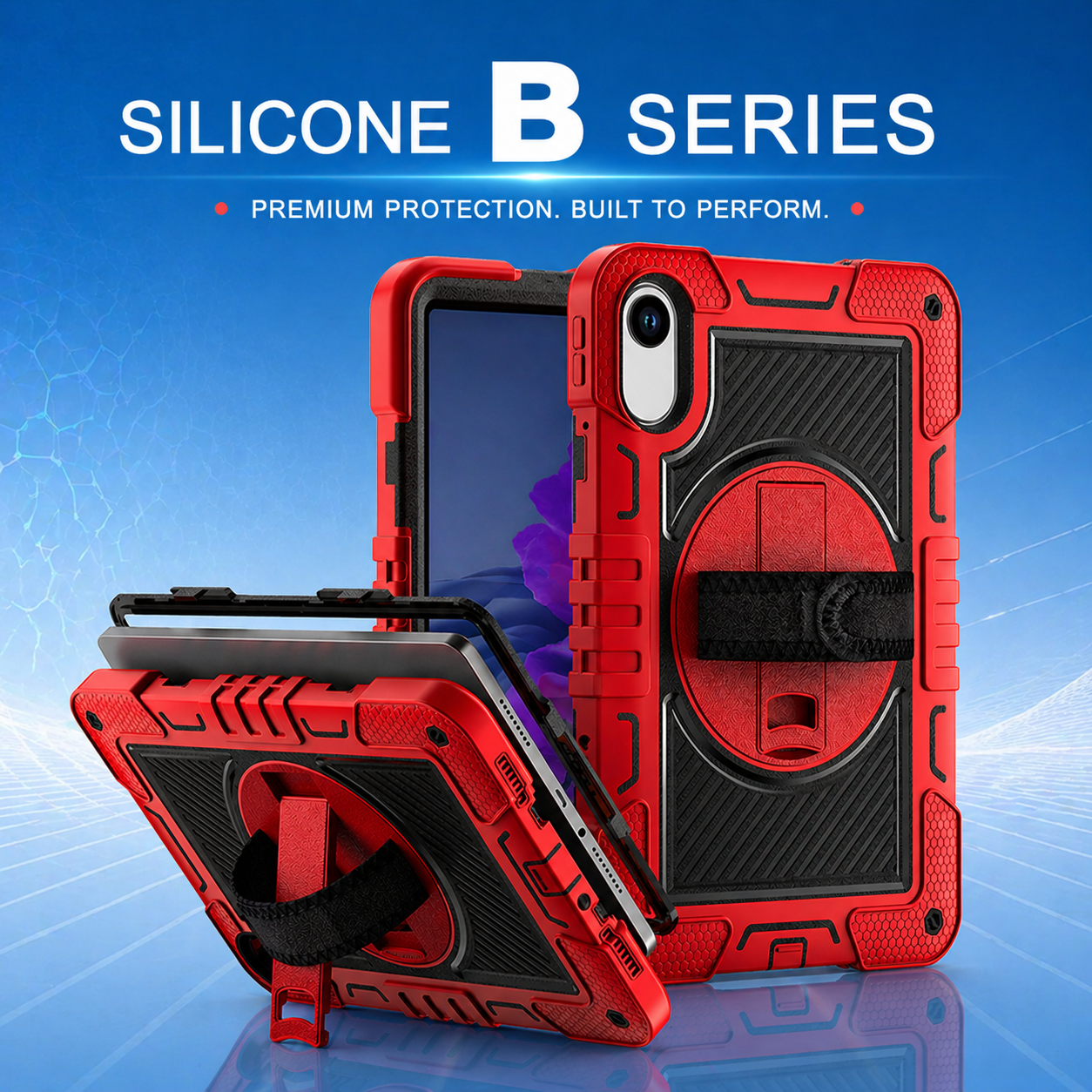
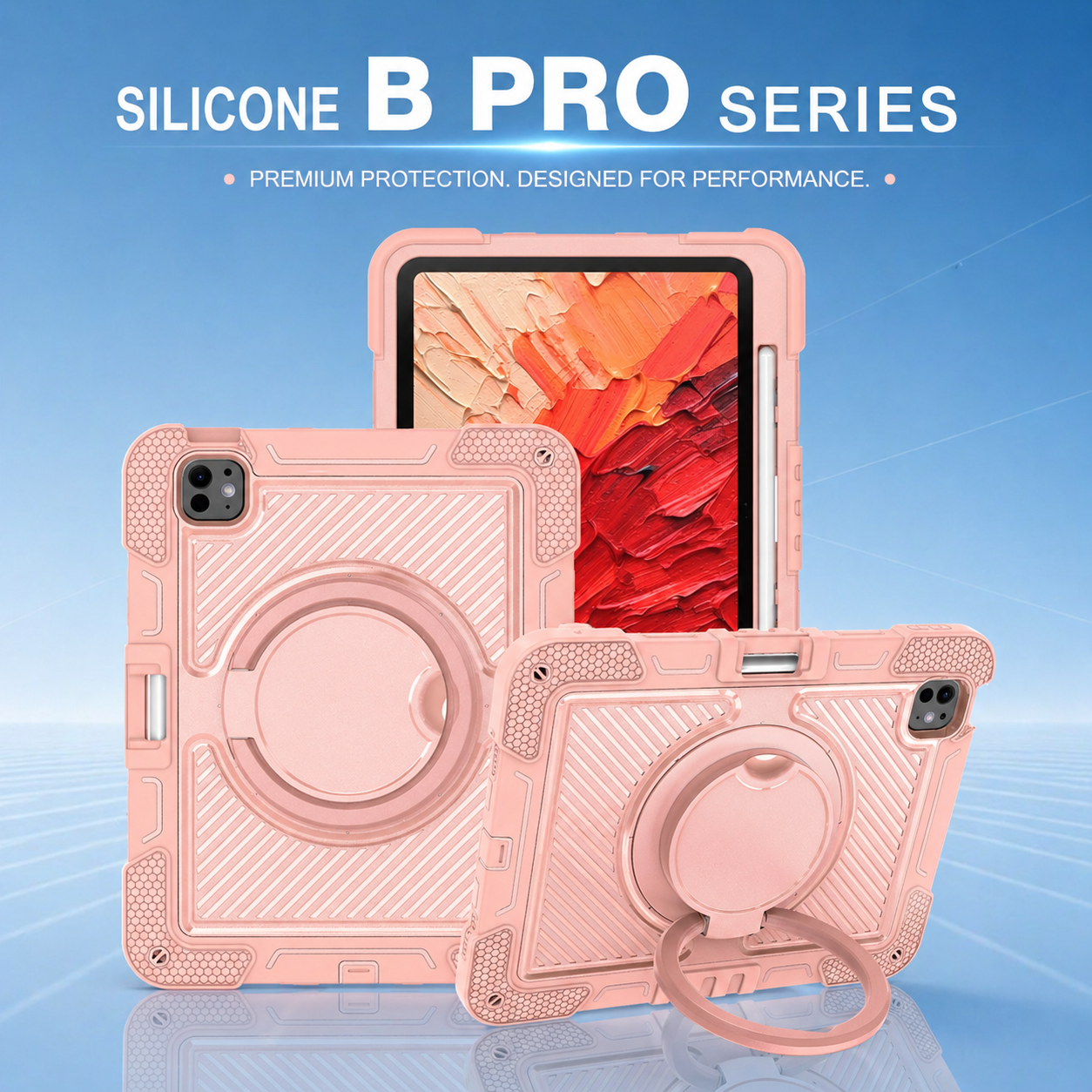
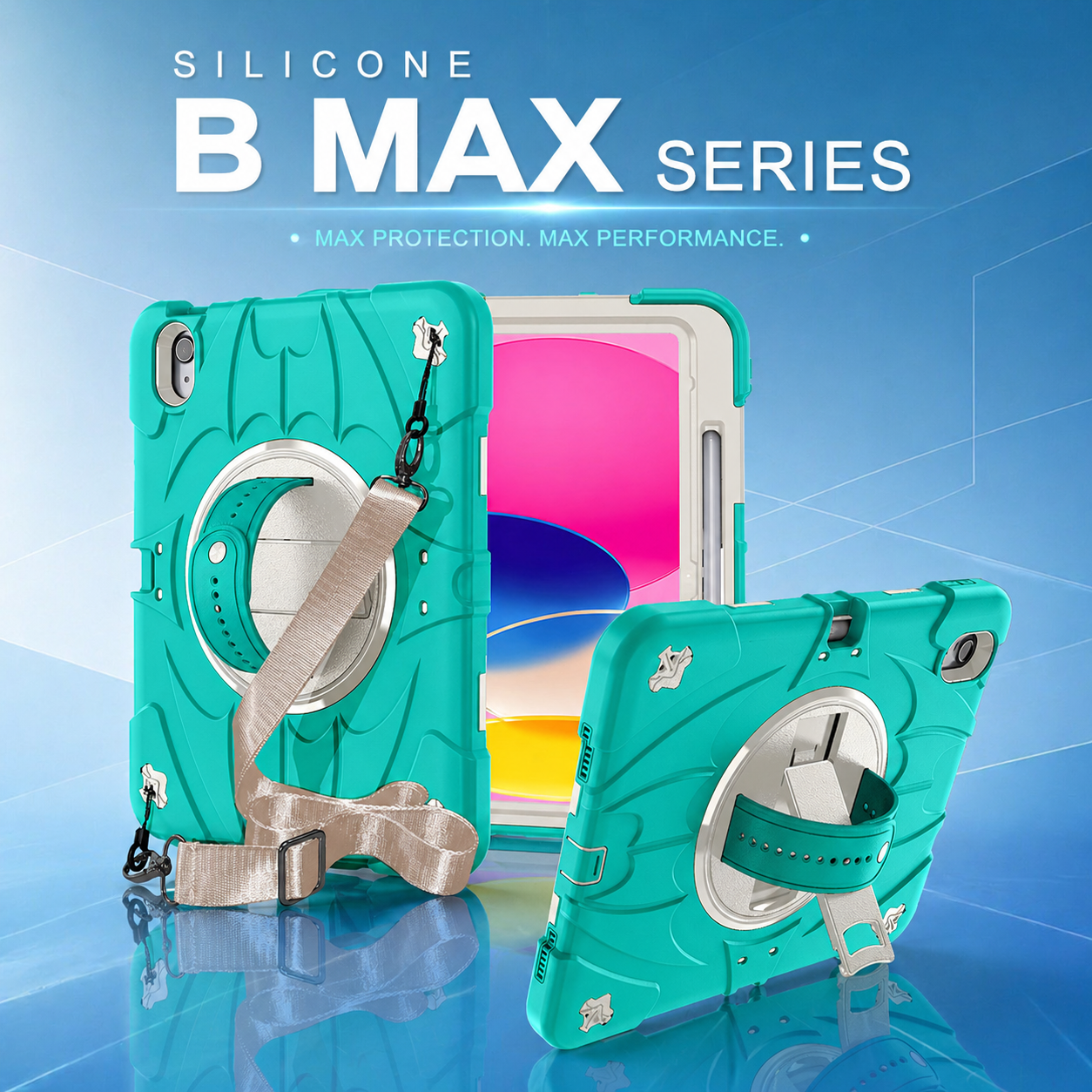
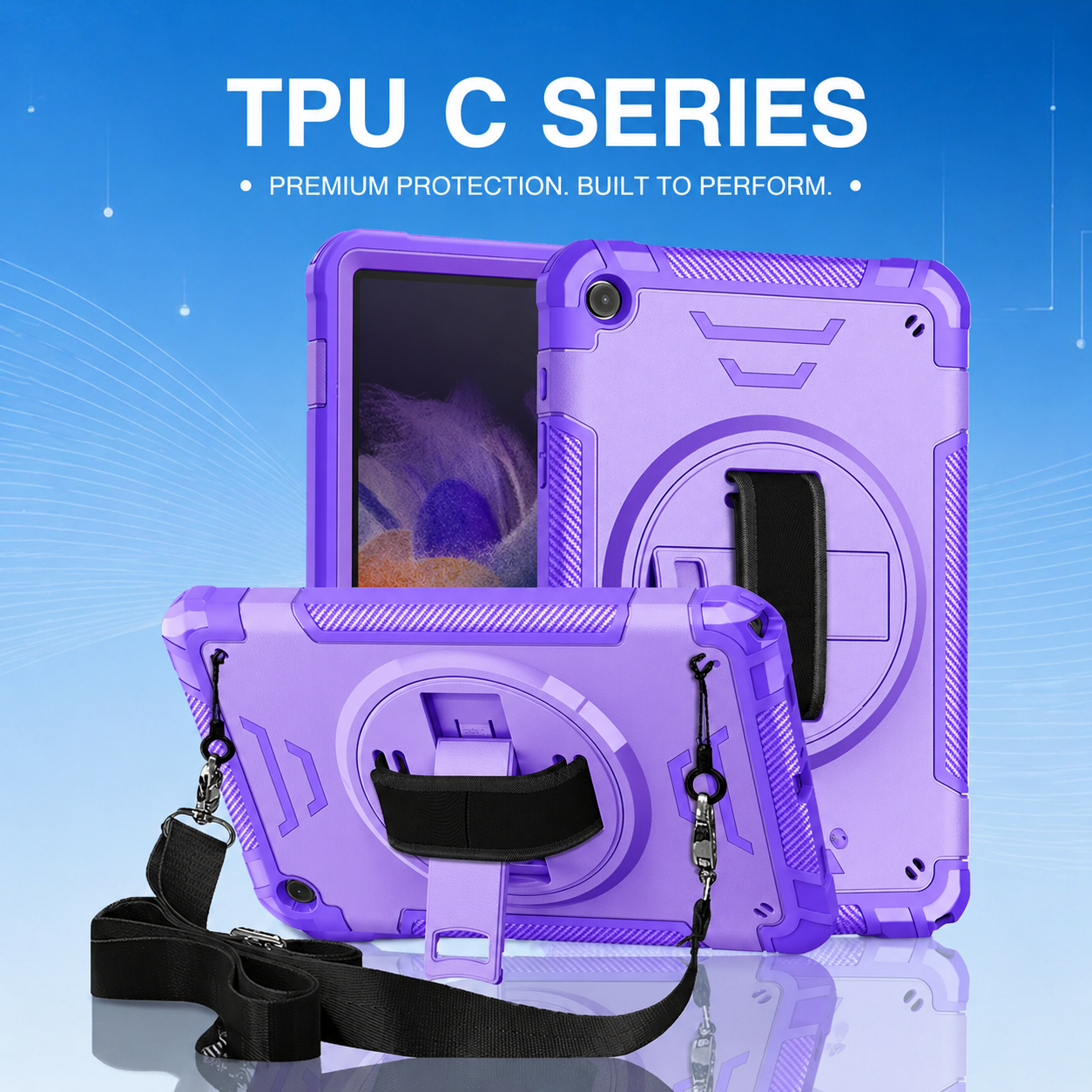
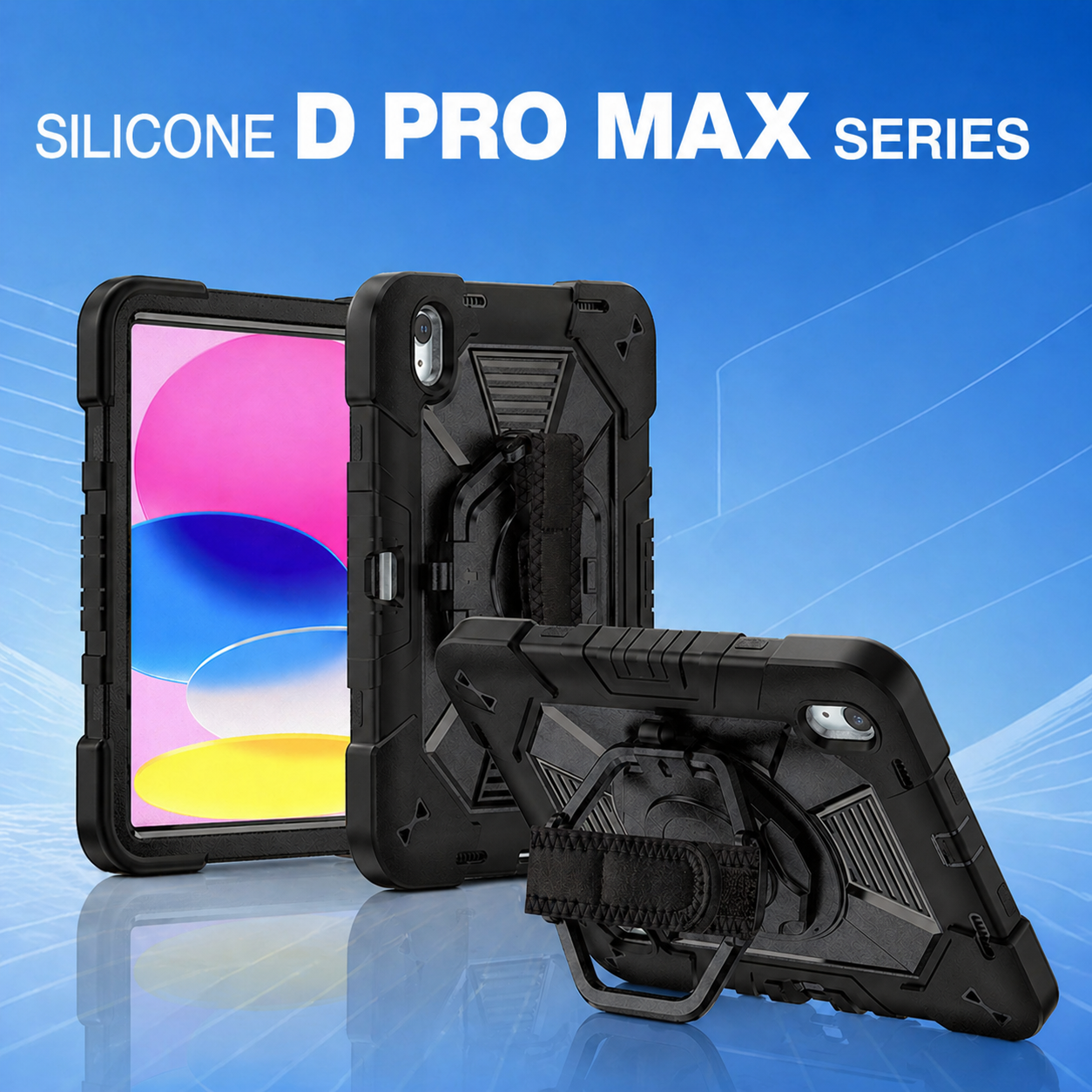
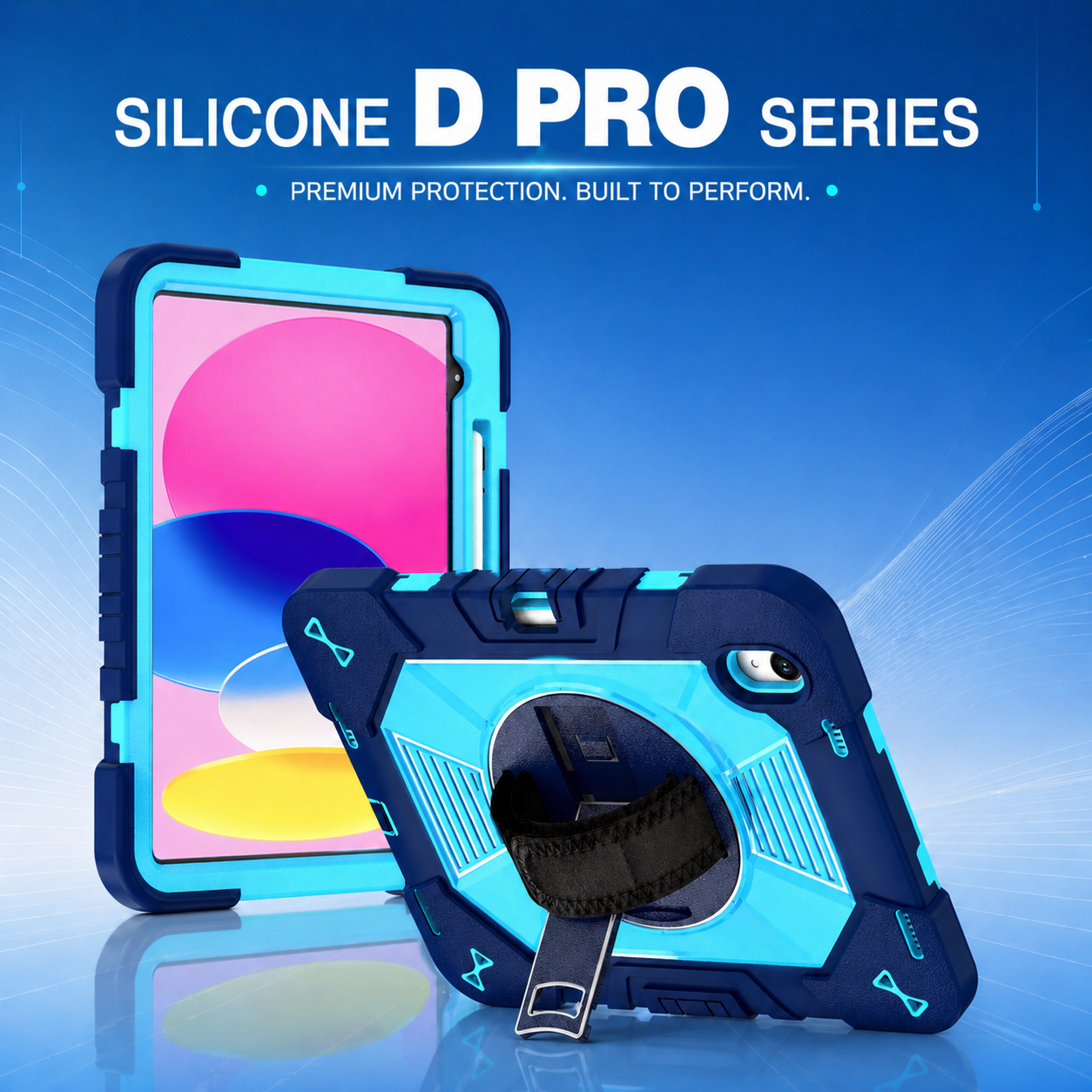
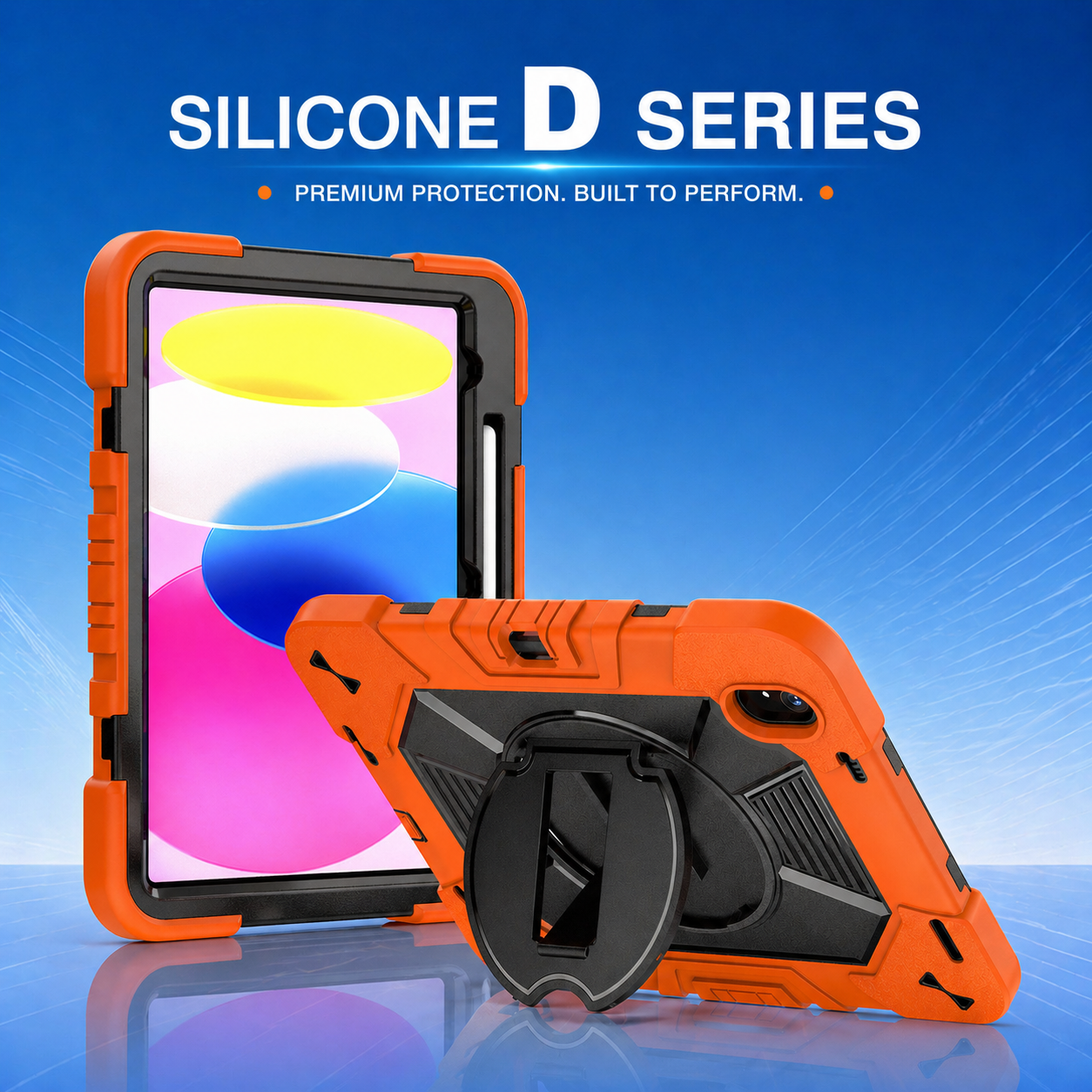

Multi-Layer Protection Technology: Why 3-Layer Rugged Tablet Cases Lead Modern Drop Resistance Testing
Introduction
As tablets become critical tools in industries such as education, logistics, healthcare, manufacturing, retail, and field services, protecting these devices from accidental damage has become more important than ever. While standard protective covers provide basic defense against scratches and minor impacts, they often fail during high-impact drops and demanding work environments.
To address these challenges, manufacturers have developed advanced multi-layer protection systems that dramatically improve tablet durability. Among these solutions, the 3 layers heavy duty rugged tablet case has emerged as one of the most effective designs available today.
This article explores the science behind multi-layer tablet protection, analyzes drop-test performance data, and explains why rugged cases consistently outperform standard covers in both laboratory and real-world conditions.
The Evolution of Tablet Protection
Early tablet covers focused primarily on appearance and portability.
Typical objectives included:
Preventing scratches
Improving grip
Enhancing aesthetics
Adding basic impact protection
A standard TPU tablet case remains a popular choice because it is lightweight, affordable, and easy to carry.
However, as tablets began moving into industrial and educational environments, users demanded stronger protection.
This demand led to the development of multi-material and multi-layer protective systems capable of surviving repeated drops and harsh working conditions.
Understanding Multi-Layer Protection
A multi-layer rugged case uses several materials working together to absorb, disperse, and redirect impact energy.
Unlike traditional single-material covers, each layer performs a specialized function.
A typical 3 layers heavy duty rugged tablet case consists of:
Layer 1: Polycarbonate Inner Shell
Provides structural rigidity and protects internal tablet components.
Layer 2: Silicone Shock Absorption Layer
Absorbs impact energy and reduces force transfer.
Layer 3: External Protective Bumper
Protects against direct contact with hard surfaces and enhances corner durability.
Together, these layers create a highly effective impact-management system.
Why Single-Layer Cases Have Limitations
Many standard protective products rely on a single material.
For example, a TPU tablet case offers flexibility and moderate shock absorption but lacks the structural reinforcement necessary for severe impacts.
During drop testing, single-layer designs commonly experience:
Corner failures
Screen cracking
Frame deformation
Reduced long-term durability
As impact energy increases, single-layer protection reaches its limits much faster than multi-layer solutions.
Drop Test Methodology
To evaluate performance, tablets equipped with different protective solutions were subjected to controlled testing.
Testing conditions included:
Drop Heights
1 meter
1.5 meters
2 meters
Surface Types
Concrete
Ceramic tile
Industrial flooring
Evaluation Metrics
Screen survival
Corner damage
Device functionality
Structural integrity
Cosmetic condition
Multiple testing cycles ensured accurate and repeatable results.
Performance at One Meter
At lower heights, both standard and rugged solutions performed reasonably well.
Results:
| Protection Type | Visible Damage |
|---|---|
| Standard Case | 14% |
| Multi-Layer Rugged Case | 2% |
Even at one meter, the advantages of layered protection became apparent.
Most damage observed on rugged-protected devices was purely cosmetic.
Performance at 1.5 Meters
At 1.5 meters, differences became more pronounced.
Results:
| Protection Type | Screen Damage |
|---|---|
| Standard Cover | 22% |
| Rugged Protection | 4% |
The additional layers significantly reduced energy transfer to sensitive components.
A heavy duty rugged Case consistently outperformed standard protective covers during repeated impact cycles.
Performance at Two Meters
Two-meter drops represent some of the most challenging real-world scenarios.
Examples include:
Warehouse operations
Construction sites
Industrial maintenance
Elevated inventory scanning
Results:
| Protection Type | Device Survival Rate |
|---|---|
| Standard Cover | 56% |
| Multi-Layer Rugged Case | 96% |
The performance gap clearly demonstrates the value of advanced protection technology.
The Importance of Material Combination
One of the most effective configurations uses a PC+Silicone tablet case structure.
Each material contributes unique benefits.
Polycarbonate
High structural strength
Excellent rigidity
Impact distribution capability
Silicone
Superior shock absorption
Flexible impact management
Improved grip
Together, these materials create a balanced protection system capable of handling severe impacts.
Testing repeatedly confirms that PC+Silicone tablet case designs outperform single-material alternatives.
Corner Protection Technology
Corner impacts account for the majority of serious tablet damage.
During a fall, impact forces often concentrate at a single corner.
A 3 layers heavy duty rugged tablet case addresses this issue through:
Reinforced corner bumpers
Energy-diffusion structures
Additional shock-absorbing material
Testing showed corner damage reductions exceeding 75% compared with standard covers.
Full Device Coverage Benefits
Partial protection leaves critical areas vulnerable.
A full body protective tablet case provides complete coverage for:
Corners
Edges
Buttons
Camera openings
Charging ports
This comprehensive design significantly improves overall durability.
In repeated testing, full-body protection reduced repair frequency and extended device lifespan.
Real-World Applications
Education
Students frequently drop devices during daily activities.
A kids education tablet case benefits from multi-layer construction and enhanced corner protection.
Industrial Operations
Workers often carry tablets in demanding environments where impacts are unavoidable.
Logistics and Warehousing
Devices face frequent handling and elevated working conditions.
Healthcare
Medical tablets require dependable protection while maintaining full functionality.
Across all industries, multi-layer protection consistently delivers better performance than traditional designs.
Productivity Features and Rugged Protection
Modern rugged cases combine protection with functionality.
Common features include:
Rotating Stands
Improve viewing flexibility.
Hand Straps
Enhance mobility.
Shoulder Straps
Support extended field use.
Adjustable Viewing Angles
A multi angle kickstand tablet case allows users to work efficiently without sacrificing durability.
These features improve productivity while maintaining strong impact resistance.
Cost Analysis
Although rugged solutions cost more initially, they often reduce overall ownership costs.
Savings result from:
Fewer repairs
Reduced downtime
Lower replacement rates
Longer device lifespan
Organizations managing large tablet fleets frequently report substantial long-term financial benefits after upgrading to rugged protection.
Future of Rugged Tablet Protection
Manufacturers continue advancing protection technology through:
Improved shock-absorbing materials
Advanced corner engineering
Lightweight rugged designs
Sustainable material development
Enhanced ergonomic features
The future will likely bring even greater protection without significantly increasing device size or weight.
Conclusion
Multi-layer protection technology has fundamentally changed the way tablets survive accidental drops. Laboratory and real-world testing consistently demonstrate that the 3 layers heavy duty rugged tablet case delivers significantly better performance than traditional protective covers.
Whether deployed in schools, warehouses, healthcare facilities, manufacturing plants, or field-service operations, rugged protection solutions such as the PC+Silicone tablet case, heavy duty rugged Case, and full body protective tablet case provide measurable advantages in durability, reliability, and total ownership cost.
For organizations seeking maximum device protection and long-term operational efficiency, multi-layer rugged protection remains the industry benchmark.






.png)
+86 13422271740
.png)
info@tongmeitech.com
.png)
No. 34, Mashe Section, Guihe Road, Lishui Town, Foshan, Guangdong, China