- 1
- BLACKL
- TABLETAPPLE iPad Mini 8NEW iPad A16(2025) iPad 10.9" 10th (2022) iPad 10.2" (7th/8th/9th) iPad Air 13" (M2/M3/M4)(2024/2025/2026)NEW iPad Air 11" (M2/M3/M4)(2024/2025/2026)NEW iPad Mini 8.3" (A7 Pro/6th Gen) iPad Pro13"(M4/M5)(2024/2025) iPad Pro11"(M4/M5)(2026) iPad 9.7" (5th/6th Gen) iPad Pro 12.9"(2018-2022) iPad Pro 11"(2018-2022) iPad 9.7"(2th/3th/4th) iPad Air 10.9"(4th/5th Gen) iPad Mini 7.9"(4th/5th Gen)SAMSUNG Galaxy Tab A11 Galaxy Tab A11 Plus Galaxy Tab S11 Galaxy Tab S12 PlusNEW Galaxy Tab S12 UltraNEW Galaxy Tab A9+ Galaxy Tab A9 Galaxy Tab A8 Galaxy Tab A7 Galaxy Tab A7 Lite Galaxy Tab S11 Ultra/S10 Ultra/S9 Ultra/S8 Ultra Galaxy Tab S10+/S9+/S9 FE+ Galaxy Tab S10Lite/S10 FE/S9 FE/S9 Galaxy Tab S8+/S7+/S7 FE Galaxy Tab S8/S7 Galaxy Tab S6 lite Galaxy Tab A10.1 Galaxy Tab A8.4 Galaxy Tab A8.0 Galaxy Tab S10 FE+LENOVO iDea tab 11/Tab K11 Gen 2 /Xiaoxin Pad 11 2025 Lenovo Tab K9 (Tab One) 2025 Lenovo Tab M10 10.1"(2025) Lenovo Tab M10 Plus 10.6" (3rd Gen) Lenovo Tab M10 HD 10.1" (3rd Gen) Lenovo K10/M10 Plus 10.3" (2nd Gen) Lenovo Tab M10 HD 10.1" (2nd Gen)XIAOMI Redmi Pad 2 9.7 InchNEW Xiaomi Pad8/8Pro 11.2" Redmi Pad2/Pad2.4G Xiaomi Pad 6/6 Pro 11" Redmi Pad 10.61" Redmi Pad Se 11" Redmi pad Se 4G 8.7" Xiaomi Pad7/7 Pro 11.2" Redmi Pad Pro/Xiaomi Poco Pad/Redmi Pad2 Pro 12.1HUAWEI Huawei Matepad Se 10.4" Huawei Matepad 11" Huawei Matepad 11.5" Huawei Matepad SE 11" Huawei Matepad T8 8" Huawei Matepad T10 9.7"
- CATEGORIES
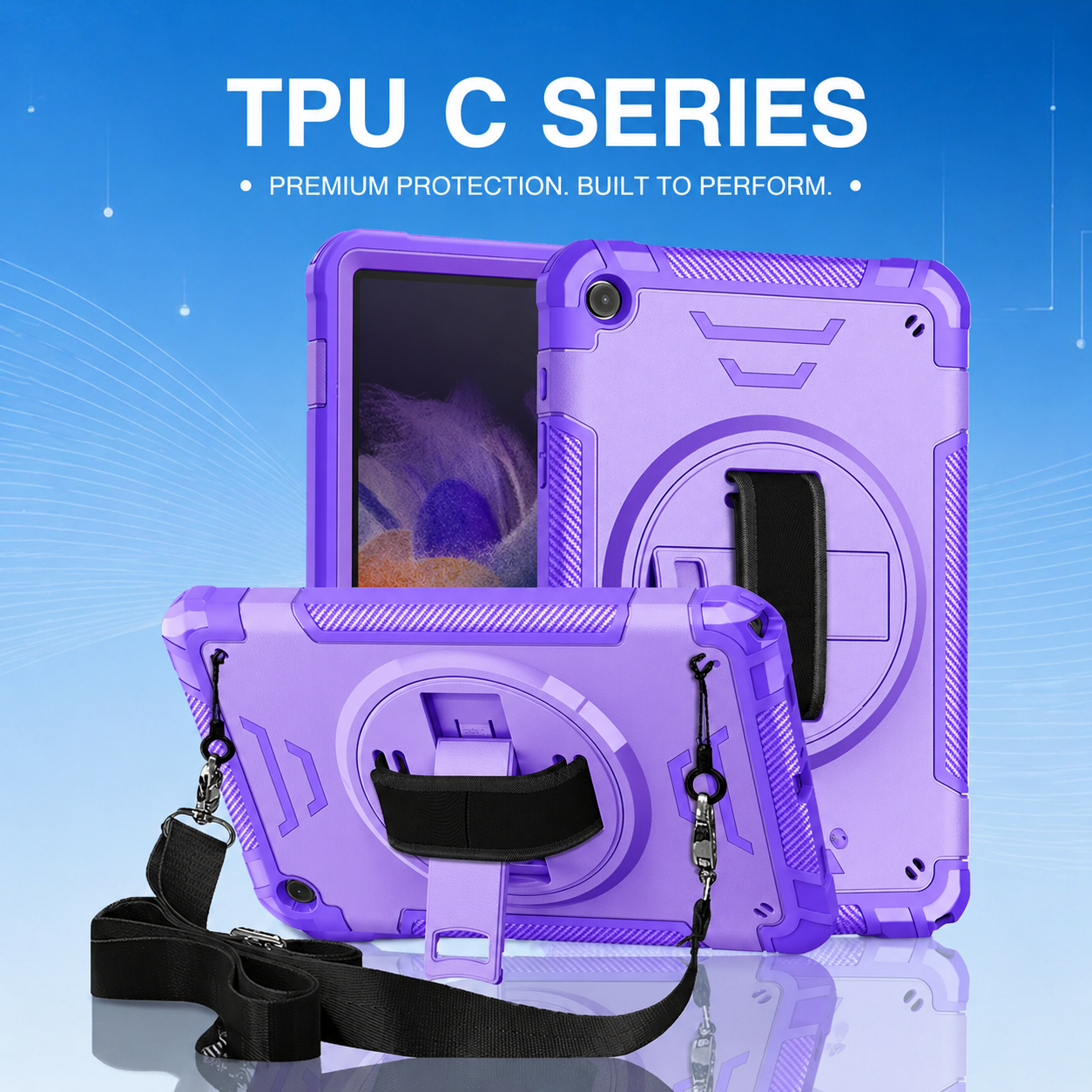
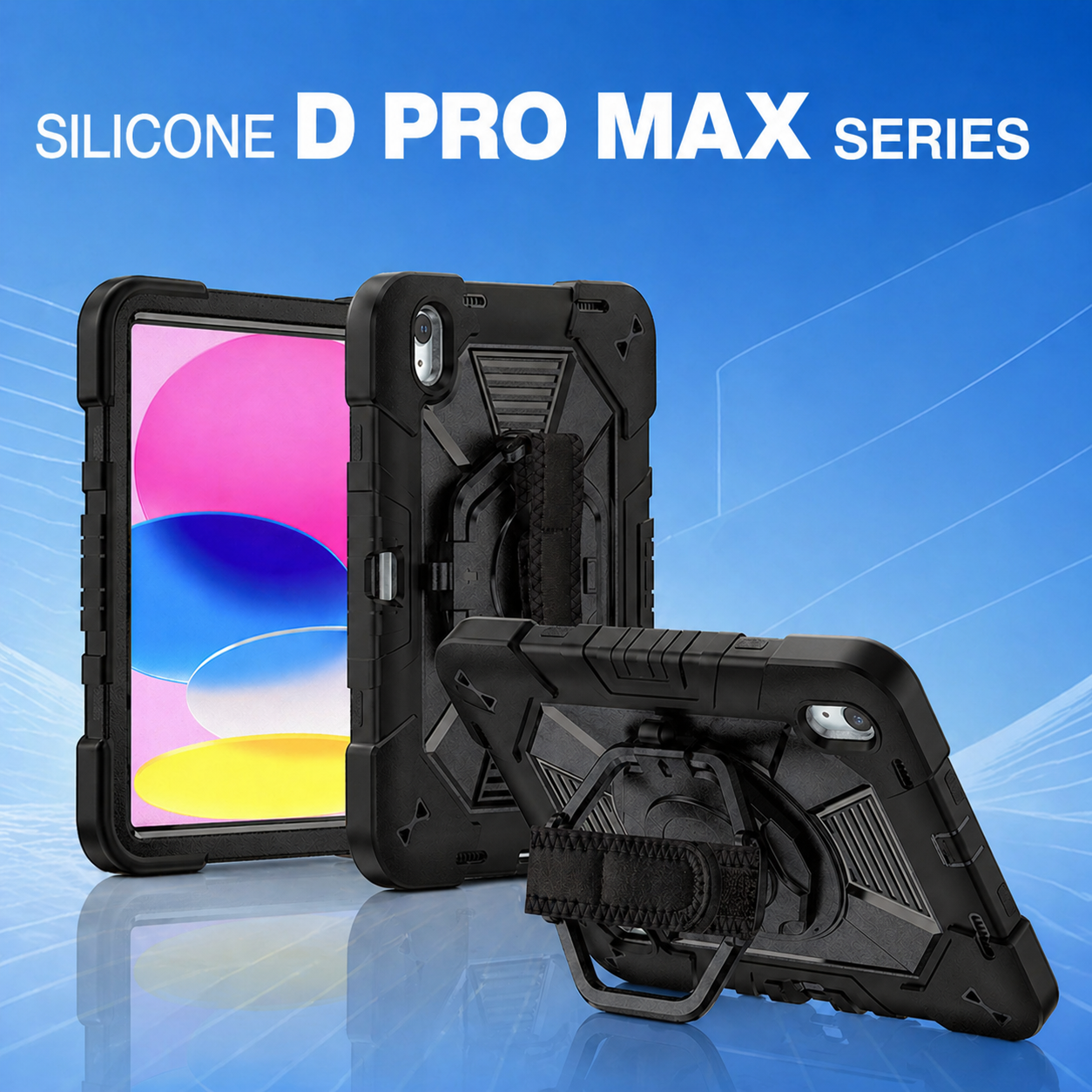
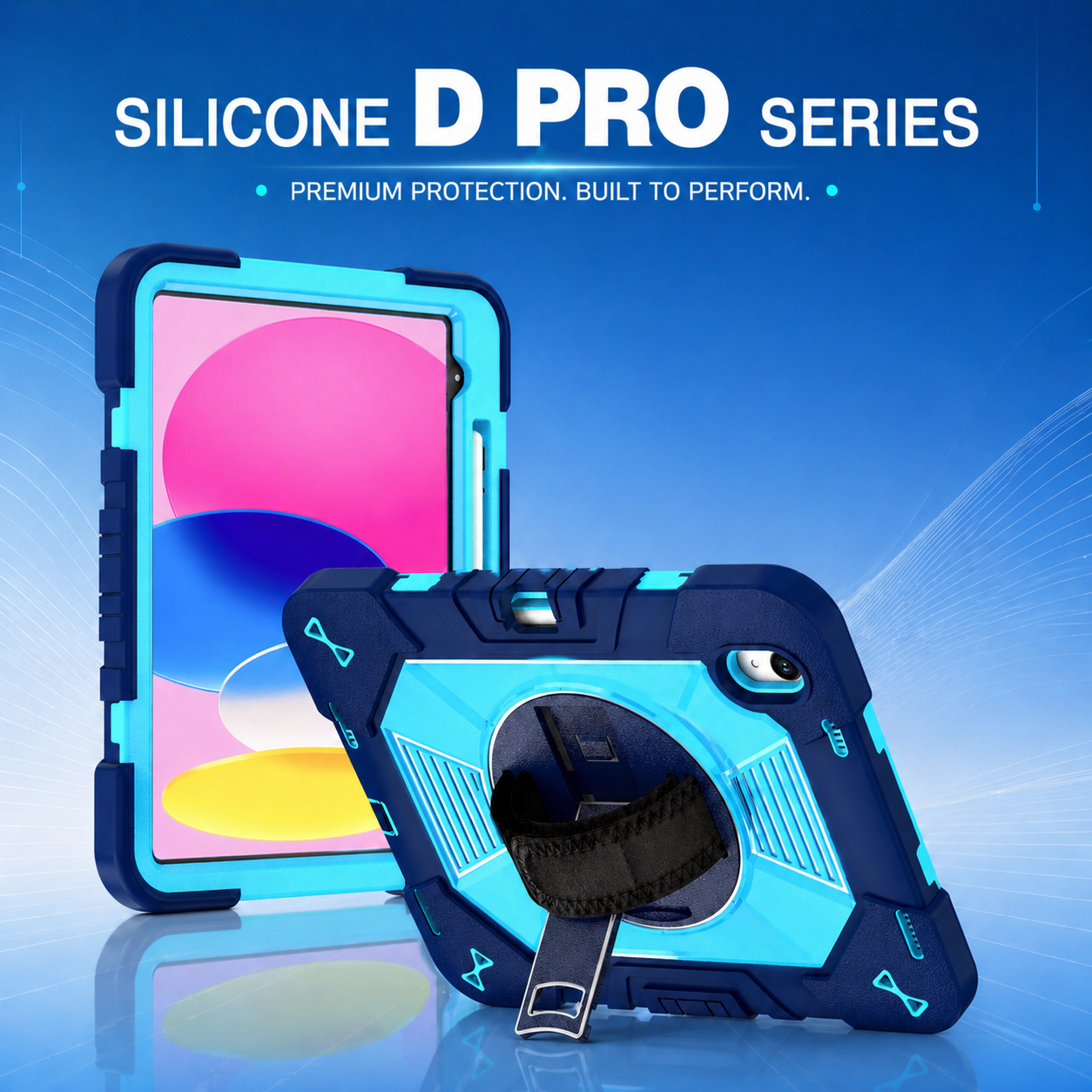
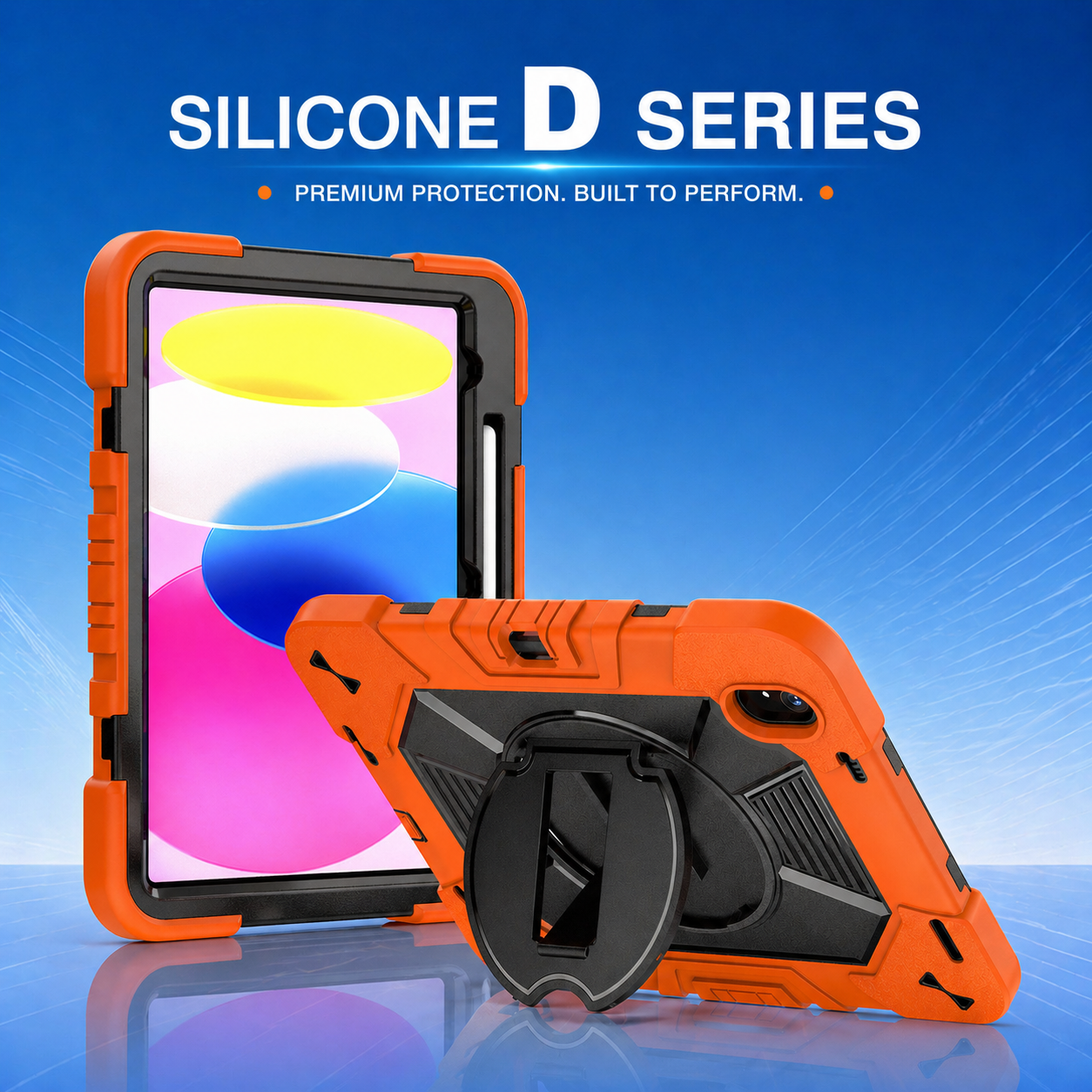

Material Innovation Driving Tablet Case Export Growth
In the tablet accessory business, material selection has become a decisive factor in export competitiveness. Global buyers increasingly compare products not only by price, but also by protection performance, product feel, durability, and design value. As tablets are used in more environments, from home entertainment to education and fieldwork, demand is rising for cases that can serve different user needs without sacrificing appearance or affordability. Two materials have become especially influential in this process: the TPU tablet case and the PC+Silicone tablet case.
The popularity of the TPU tablet case comes from its balance of flexibility and durability. TPU, or thermoplastic polyurethane, provides a soft yet resilient structure that absorbs impact well and reduces damage from drops or collisions. For many mainstream consumer markets, this is an ideal material because it offers a slim profile, pleasant touch, and efficient production cost. Export buyers appreciate that a TPU tablet case can be manufactured in many colors, textures, and mold variations, which makes it suitable for e-commerce brands, promotional products, and broad retail channels.
Another reason the TPU tablet case performs well in export markets is its versatility. It can be used for basic transparent covers, reinforced corner designs, anti-slip surfaces, and lightweight protective shells. This flexibility helps factories respond to a wide range of price points and customer expectations. For importers seeking dependable volume products, TPU often becomes the preferred entry category because it is practical, scalable, and easy to adapt across multiple tablet models.
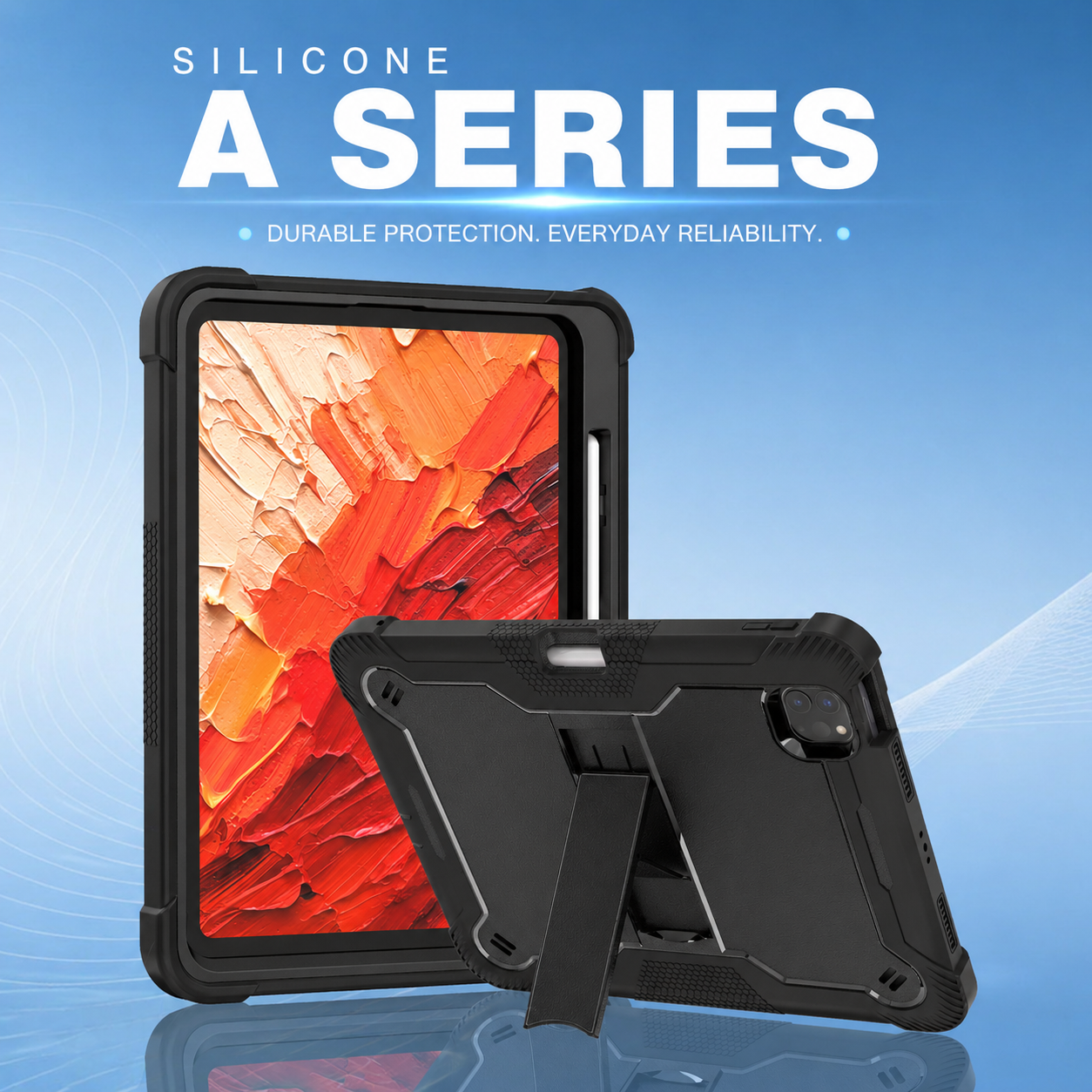
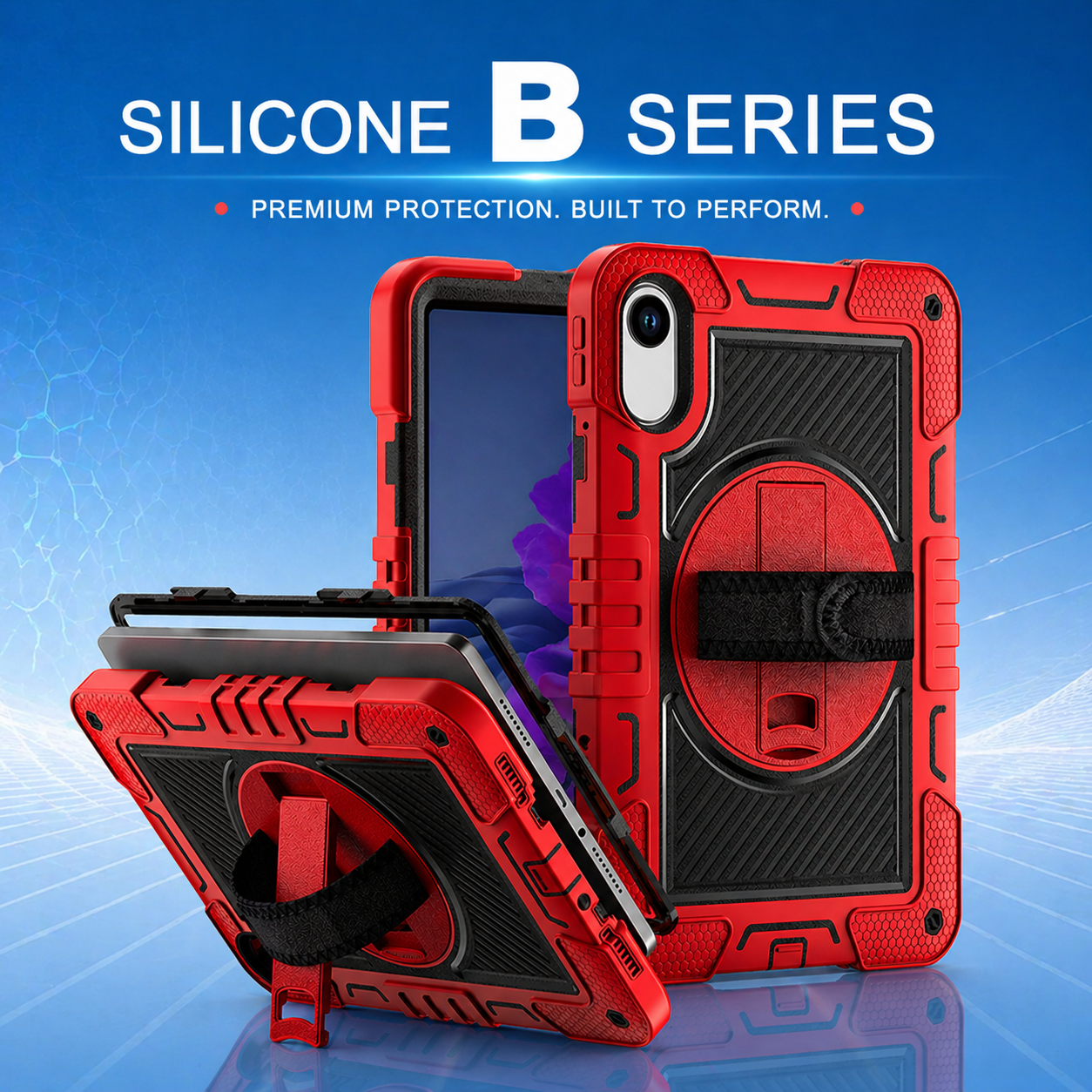
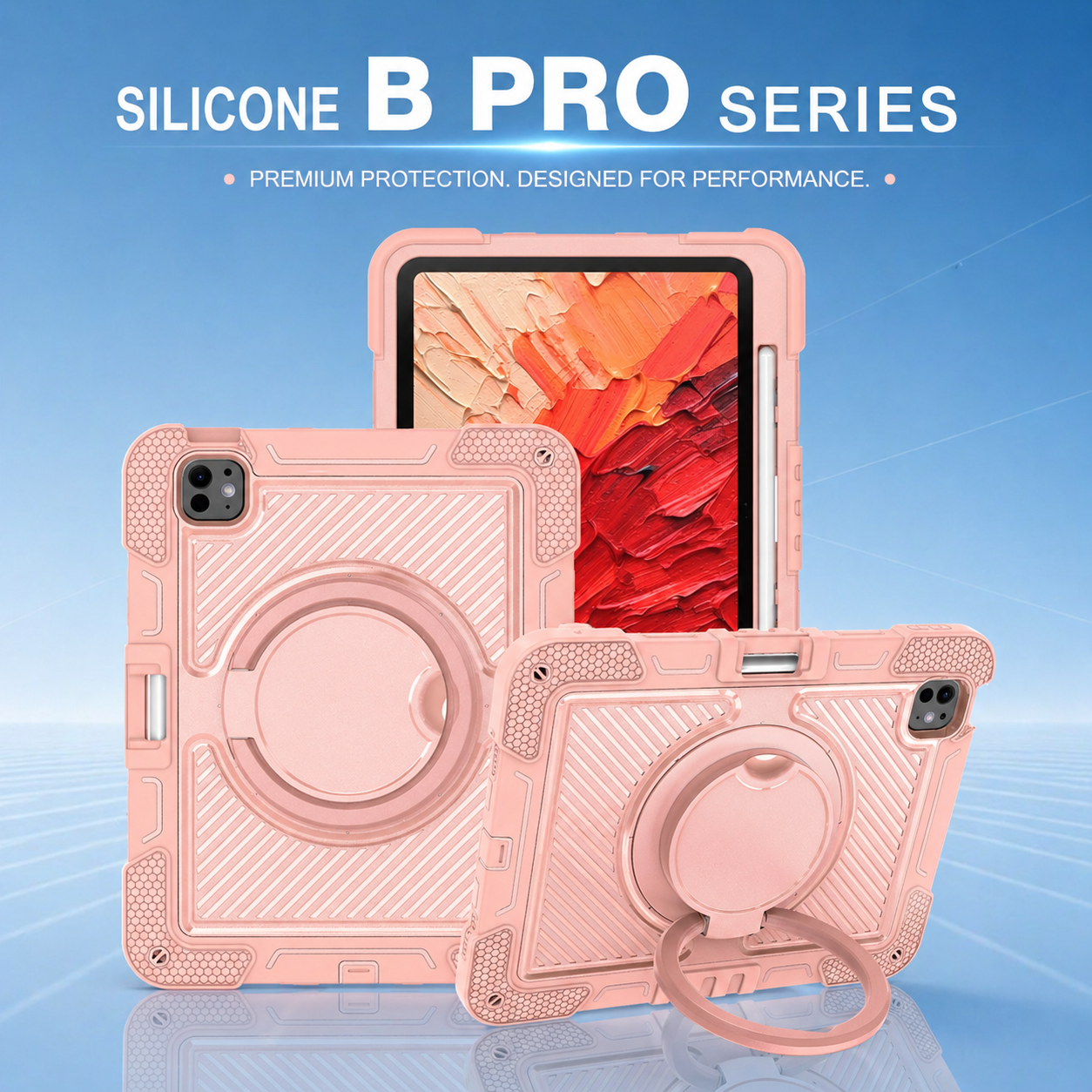
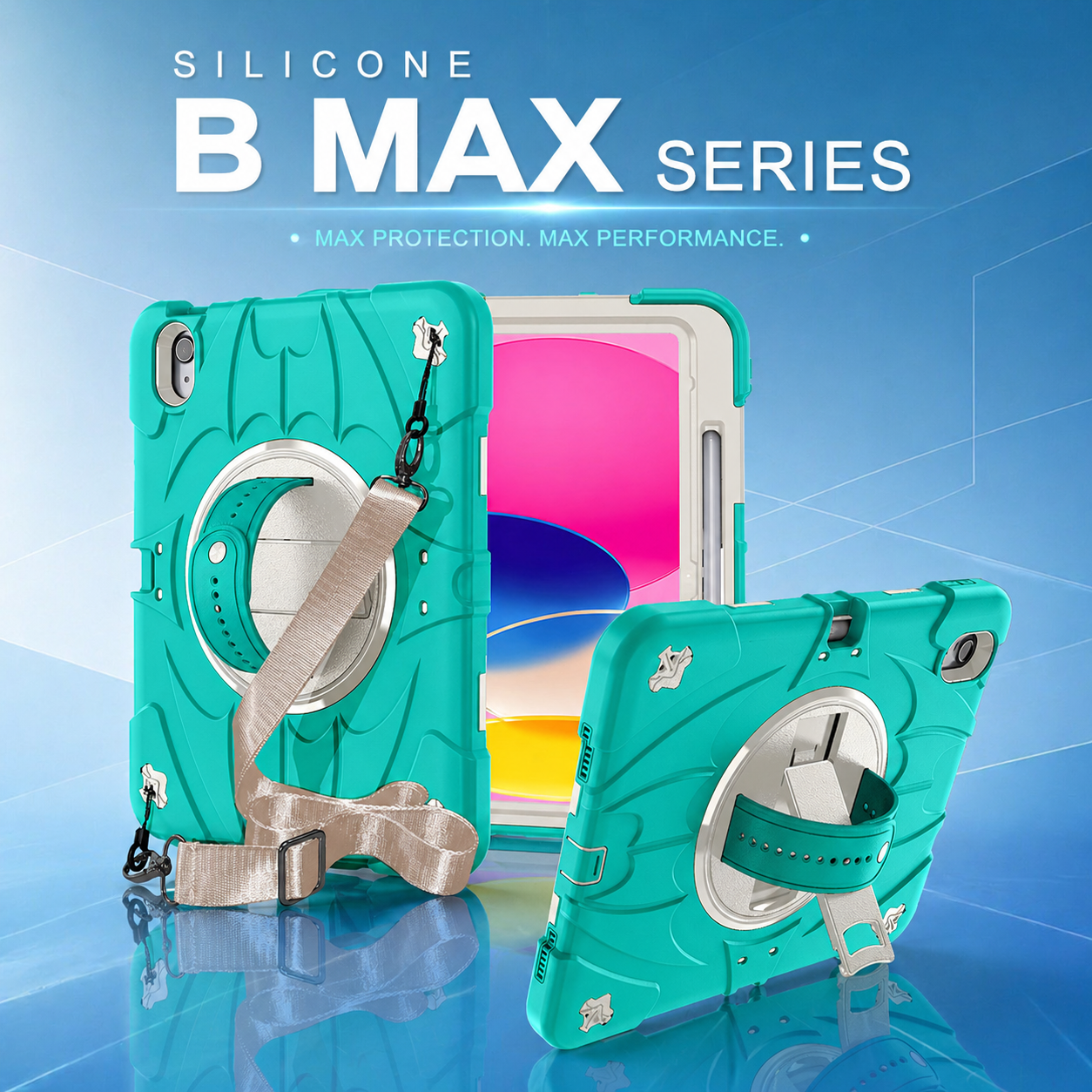
At the higher end of the protection market, the PC+Silicone tablet case is gaining more attention. This hybrid structure usually combines a hard polycarbonate inner shell with a softer silicone or similar outer layer. The result is a product that offers both shape stability and shock absorption. Export buyers like the PC+Silicone tablet case because it looks more substantial, feels more secure, and often performs better in drop protection testing than single-material designs. It is especially attractive in education, logistics, and family-use segments where devices are handled frequently and may face rougher treatment.
Material innovation also helps suppliers differentiate their product portfolios. A basic cover can easily become a low-margin item in international trade, but a thoughtfully engineered material solution creates stronger value perception. Buyers want to know how a case protects corners, absorbs force, resists scratches, and maintains long-term appearance. They also care about grip comfort, resistance to yellowing, and consistency across production runs. In this context, offering both a TPU tablet case range and a PC+Silicone tablet case range allows exporters to serve different market layers, from low-cost bulk sales to mid-range and premium protective categories.
Regional buying preferences also influence how materials are positioned. In North America, there is strong demand for products that communicate visible protection and practical everyday use. Textured grips, reinforced edges, and combination materials are often well received. In Europe, buyers may emphasize aesthetics, quality feel, and compliance expectations, while still wanting adequate drop resistance. In developing markets, buyers often want a good price-to-protection ratio, which keeps the TPU tablet case highly competitive. Meanwhile, distributors targeting schools, children, and active-use environments may lean toward the PC+Silicone tablet case because it offers stronger visual protection and a more durable structure.
For manufacturers, material choice also affects production planning and supply chain efficiency. TPU products can be developed relatively quickly, with broad color flexibility and efficient mold adaptation. Hybrid products may require more assembly steps and tighter tolerance control, but they also support stronger product positioning. This is important for suppliers offering OEM and ODM services, since buyers increasingly want customized texture, logo integration, packaging, and feature combinations such as kickstands or pencil holders. Material capability therefore becomes part of the factory’s export value, not just a technical detail.
Sustainability is another growing influence on product development. Although protection remains the first priority, overseas buyers increasingly ask about recyclable packaging, material safety, and long-term product durability. A well-made TPU tablet case that lasts longer can help reduce replacement frequency, while a durable PC+Silicone tablet case can extend device life in demanding use cases. Exporters that combine protection performance with responsible packaging and clear quality documentation will be better positioned as buyer standards continue to evolve.
Looking forward, material innovation will continue to shape the structure of global tablet case exports. Simple, low-value products will remain part of the market, but growth will increasingly come from products with better engineering, better user experience, and clearer application scenarios. The TPU tablet case will remain an important volume product because of its flexibility and commercial practicality. At the same time, the PC+Silicone tablet case will continue expanding in premium and high-protection channels. For exporters, the opportunity lies in building a material strategy that supports both broad demand and differentiated value across global markets.






.png)
+86 13422271740
.png)
info@tongmeitech.com
.png)
No. 34, Mashe Section, Guihe Road, Lishui Town, Foshan, Guangdong, China