- 1
- BLACKL
- TABLETAPPLE iPad Mini 8NEW iPad A16(2025) iPad 10.9" 10th (2022) iPad 10.2" (7th/8th/9th) iPad Air 13" (M2/M3/M4)(2024/2025/2026)NEW iPad Air 11" (M2/M3/M4)(2024/2025/2026)NEW iPad Mini 8.3" (A7 Pro/6th Gen) iPad Pro13"(M4/M5)(2024/2025) iPad Pro11"(M4/M5)(2026) iPad 9.7" (5th/6th Gen) iPad Pro 12.9"(2018-2022) iPad Pro 11"(2018-2022) iPad 9.7"(2th/3th/4th) iPad Air 10.9"(4th/5th Gen) iPad Mini 7.9"(4th/5th Gen)SAMSUNG Galaxy Tab A11 Galaxy Tab A11 Plus Galaxy Tab S11 Galaxy Tab S12 PlusNEW Galaxy Tab S12 UltraNEW Galaxy Tab A9+ Galaxy Tab A9 Galaxy Tab A8 Galaxy Tab A7 Galaxy Tab A7 Lite Galaxy Tab S11 Ultra/S10 Ultra/S9 Ultra/S8 Ultra Galaxy Tab S10+/S9+/S9 FE+ Galaxy Tab S10Lite/S10 FE/S9 FE/S9 Galaxy Tab S8+/S7+/S7 FE Galaxy Tab S8/S7 Galaxy Tab S6 lite Galaxy Tab A10.1 Galaxy Tab A8.4 Galaxy Tab A8.0 Galaxy Tab S10 FE+LENOVO iDea tab 11/Tab K11 Gen 2 /Xiaoxin Pad 11 2025 Lenovo Tab K9 (Tab One) 2025 Lenovo Tab M10 10.1"(2025) Lenovo Tab M10 Plus 10.6" (3rd Gen) Lenovo Tab M10 HD 10.1" (3rd Gen) Lenovo K10/M10 Plus 10.3" (2nd Gen) Lenovo Tab M10 HD 10.1" (2nd Gen)XIAOMI Redmi Pad 2 9.7 InchNEW Xiaomi Pad8/8Pro 11.2" Redmi Pad2/Pad2.4G Xiaomi Pad 6/6 Pro 11" Redmi Pad 10.61" Redmi Pad Se 11" Redmi pad Se 4G 8.7" Xiaomi Pad7/7 Pro 11.2" Redmi Pad Pro/Xiaomi Poco Pad/Redmi Pad2 Pro 12.1HUAWEI Huawei Matepad Se 10.4" Huawei Matepad 11" Huawei Matepad 11.5" Huawei Matepad SE 11" Huawei Matepad T8 8" Huawei Matepad T10 9.7"
- CATEGORIES

Industrial Drop Test Results: How Rugged Tablet Cases Outperform Standard Protection in High-Risk Environments
Introduction
Industrial environments place extraordinary demands on tablet devices. Unlike office settings, workplaces such as warehouses, manufacturing plants, logistics centers, construction sites, and field service operations expose tablets to constant movement, vibration, dust, and accidental drops.
As tablets become essential tools for inventory management, asset tracking, equipment diagnostics, and digital documentation, protecting these devices has become a critical operational concern. While standard protective covers may appear sufficient at first glance, industrial drop testing consistently reveals substantial performance differences between ordinary cases and rugged protective solutions.
This article examines industrial drop-test data, analyzes the engineering behind rugged tablet protection, and compares how standard covers and rugged cases perform under real-world working conditions.
Why Industrial Environments Demand Better Protection
In industrial operations, tablets are often used in situations where accidental impacts are unavoidable.
Common risk factors include:
Working at elevated heights
Carrying tablets while walking
Frequent device handling
Equipment vibration
Concrete and steel flooring
Harsh environmental conditions
Unlike consumer devices used primarily indoors, industrial tablets must continue functioning after repeated impacts.
Even a single screen failure can cause:
Workflow interruptions
Lost productivity
Delayed operations
Increased maintenance expenses
For this reason, many organizations now evaluate protective accessories using objective drop-test data.
Standard Protective Cases: Basic Defense
Standard tablet covers typically focus on portability and appearance.
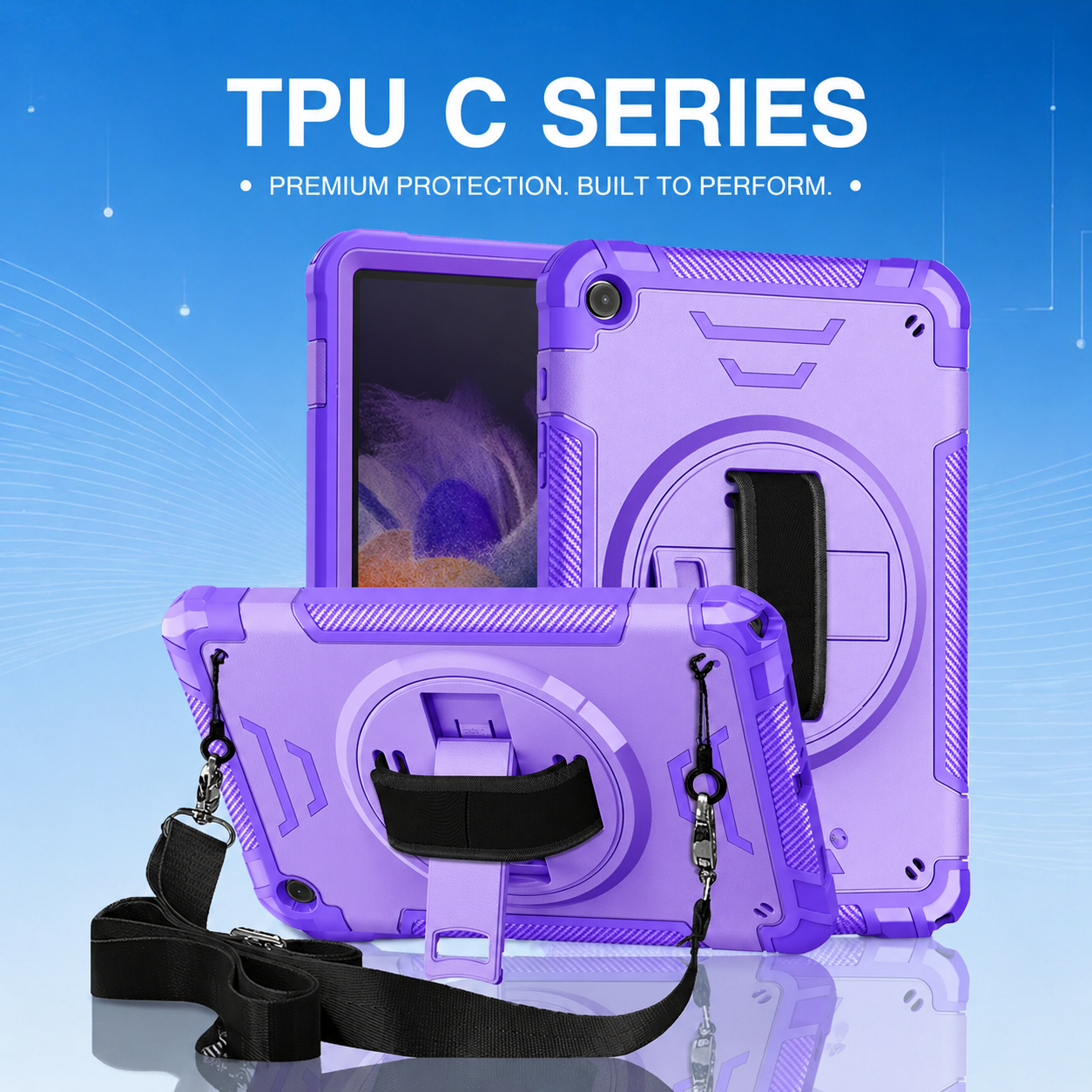
The most common solution is the TPU tablet case, which provides:
Flexible construction
Lightweight design
Scratch protection
Improved grip
TPU material effectively absorbs minor impacts and helps prevent cosmetic damage.
However, industrial testing shows several limitations:
Weak Corner Protection
Corners receive concentrated impact energy during falls.
Limited Shock Absorption
Thin designs reduce the ability to dissipate high-impact forces.
Insufficient Structural Reinforcement
Heavy impacts can still transfer energy directly to the tablet frame.
While standard cases perform adequately in offices and homes, they often struggle in industrial environments.
Industrial Drop Test Methodology
To evaluate protection performance, multiple tablets were equipped with different case designs and subjected to controlled testing.
Testing conditions included:
Drop Heights
1 meter
1.5 meters
2 meters
Surface Types
Concrete
Steel platform
Industrial epoxy flooring
Evaluation Criteria
Screen integrity
Corner damage
Device functionality
Frame deformation
Cosmetic damage
Each test was repeated multiple times to ensure statistical reliability.
Performance at One Meter
At one meter, most devices remained functional regardless of protection type.
Results showed:
| Protection Type | Visible Damage |
|---|---|
| Standard Cover | 16% |
| Rugged Case | 4% |
The rugged solutions demonstrated superior shock management even during lower-impact events.
The difference was especially noticeable around screen edges and corners.
Performance at 1.5 Meters
Industrial accidents frequently occur at approximately 1.5 meters, making this a critical testing benchmark.
The rugged tablet case showed significant advantages due to its reinforced structure.
Results:
| Protection Type | Screen Damage |
|---|---|
| Standard Cover | 23% |
| Rugged Case | 5% |
Many standard cases suffered corner fractures and display cracking.
By contrast, rugged protection maintained device functionality in nearly every test cycle.
Performance at Two Meters
Two-meter drops represent some of the most challenging industrial scenarios.
Examples include:
Forklift operations
Elevated inventory scanning
Platform inspections
Equipment maintenance activities
Results revealed the largest performance gap.
| Protection Type | Device Survival Rate |
|---|---|
| Standard Cover | 58% |
| Rugged Case | 95% |
The data clearly demonstrates why industrial organizations increasingly invest in rugged protective solutions.
The Role of Multi-Material Construction
One key reason rugged cases perform better is advanced material engineering.
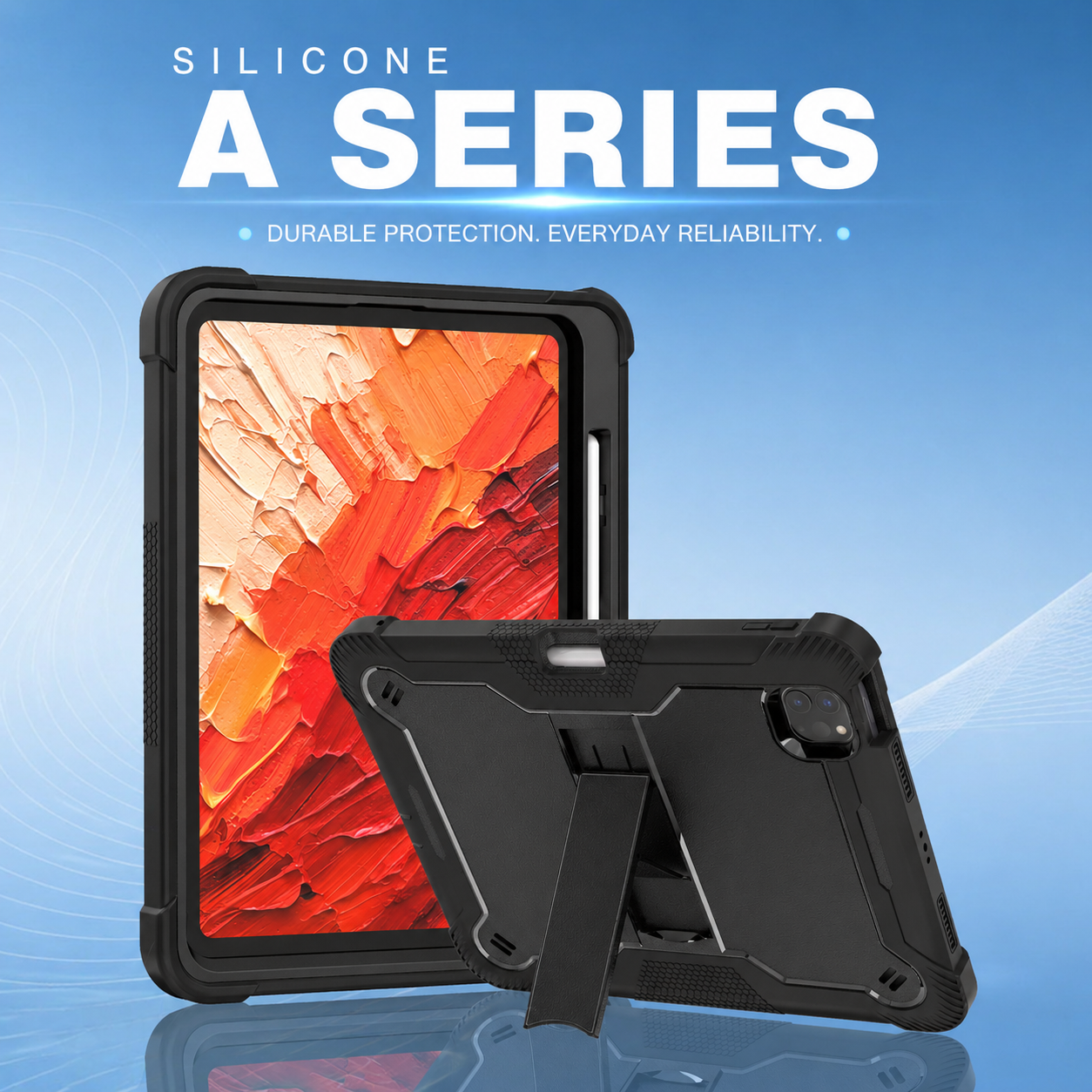
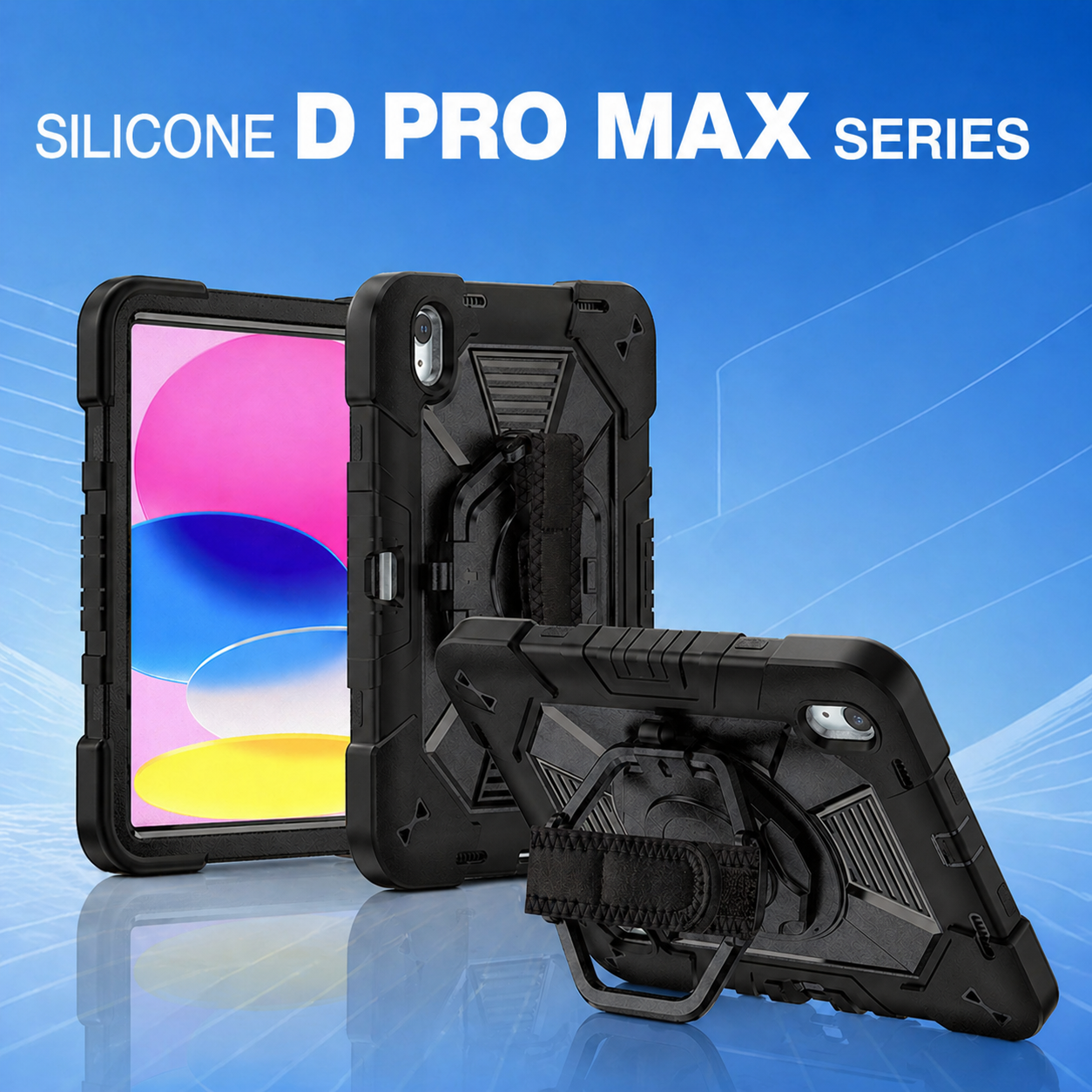
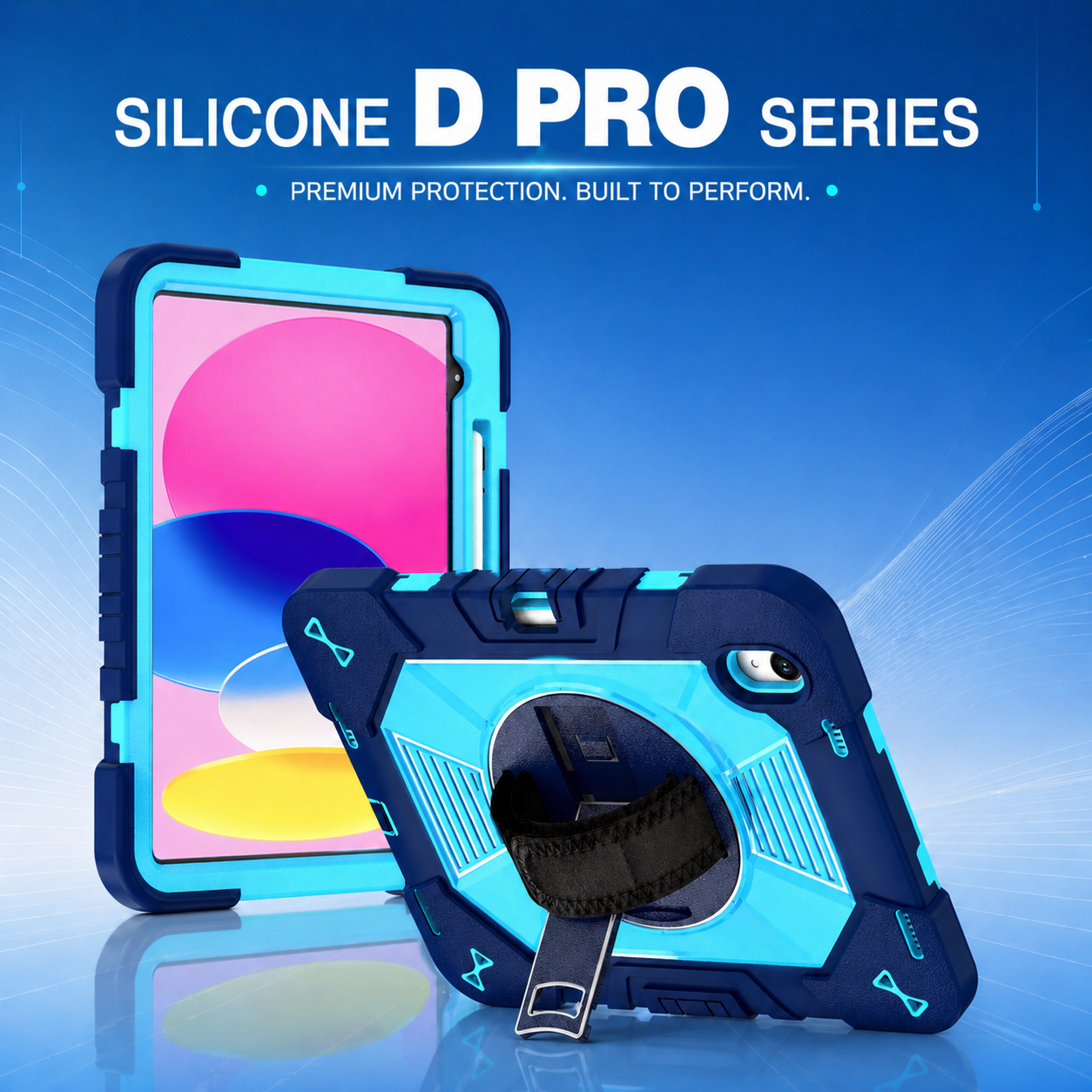
A PC+Silicone tablet case combines two highly effective protective materials.
Polycarbonate Frame
The hard inner shell provides structural strength and impact distribution.
Silicone Exterior
The outer silicone layer absorbs and dissipates shock energy.
Together, these materials reduce stress concentrations that often cause device failure.
Testing consistently showed lower damage rates for tablets protected by PC+Silicone tablet case designs.
Multi-Layer Protection Systems
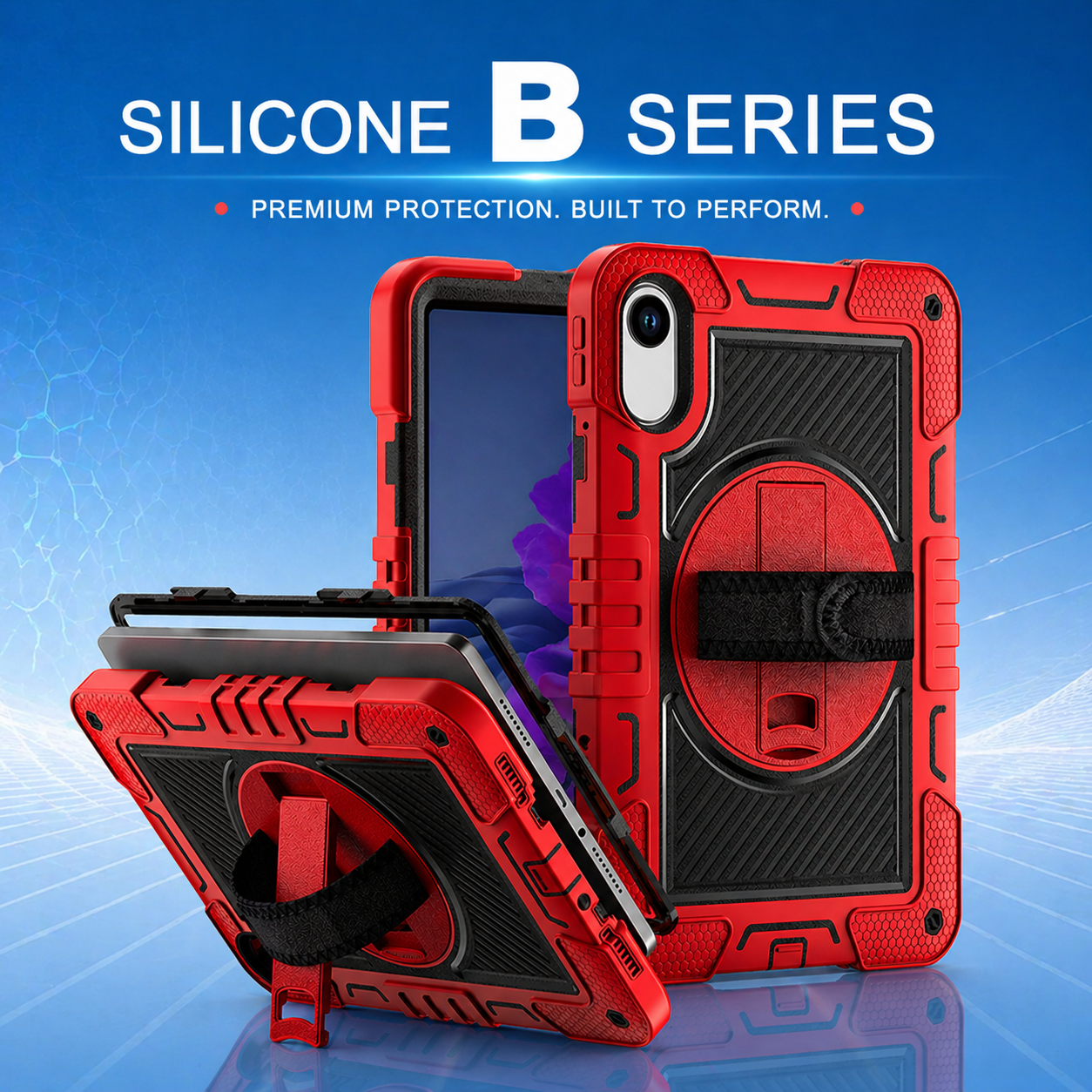
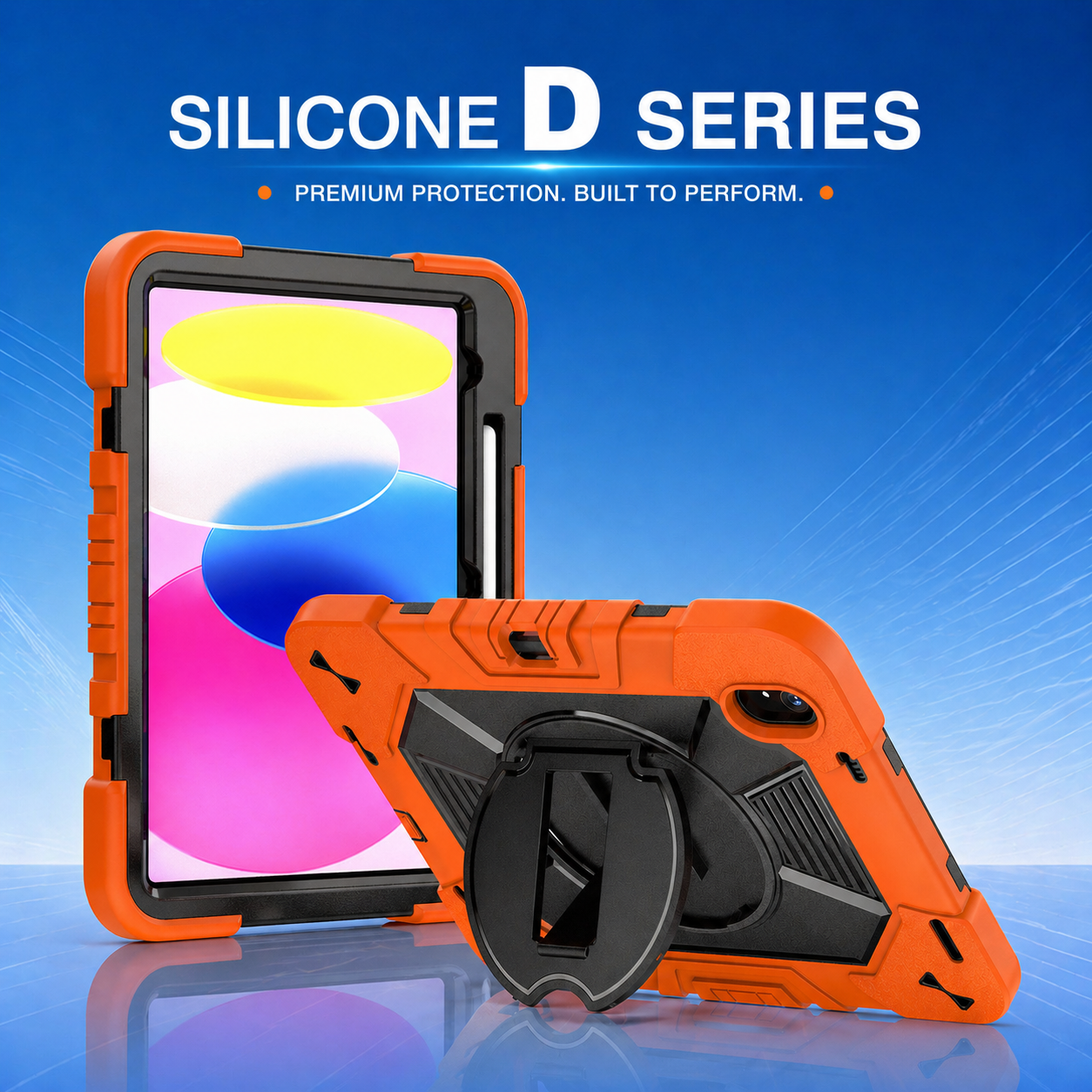
Industrial users often select a 3 layers heavy duty rugged tablet case because it provides multiple levels of defense.
Typical layers include:
Layer One
Rigid structural frame.
Layer Two
Shock-absorbing silicone protection.
Layer Three
External impact bumper.
This architecture allows impacts to be absorbed gradually rather than transferred directly to sensitive components.
Drop-test data revealed that a 3 layers heavy duty rugged tablet case delivered the highest overall survival rates among all tested solutions.
Full Device Coverage Matters
Many failures occur because vulnerable areas remain exposed.
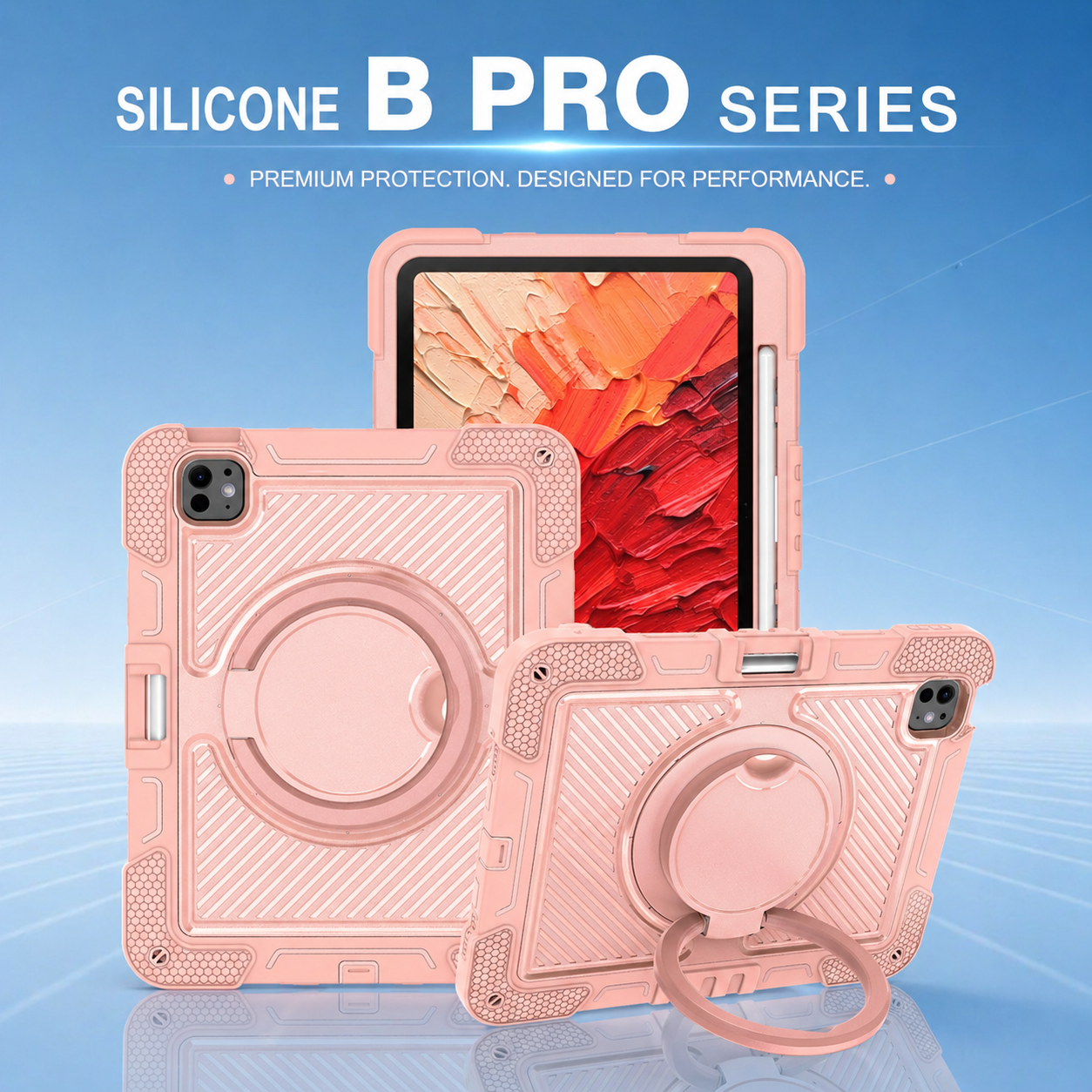
A full body protective tablet case protects:
Corners
Edges
Buttons
Camera modules
Charging ports
Industrial testing demonstrated that full-device coverage significantly reduces repair frequency.
Compared with partially exposed designs, full-coverage protection lowered damage incidents by more than 60%.
Industrial Productivity Benefits
Protection alone is not enough in industrial environments.
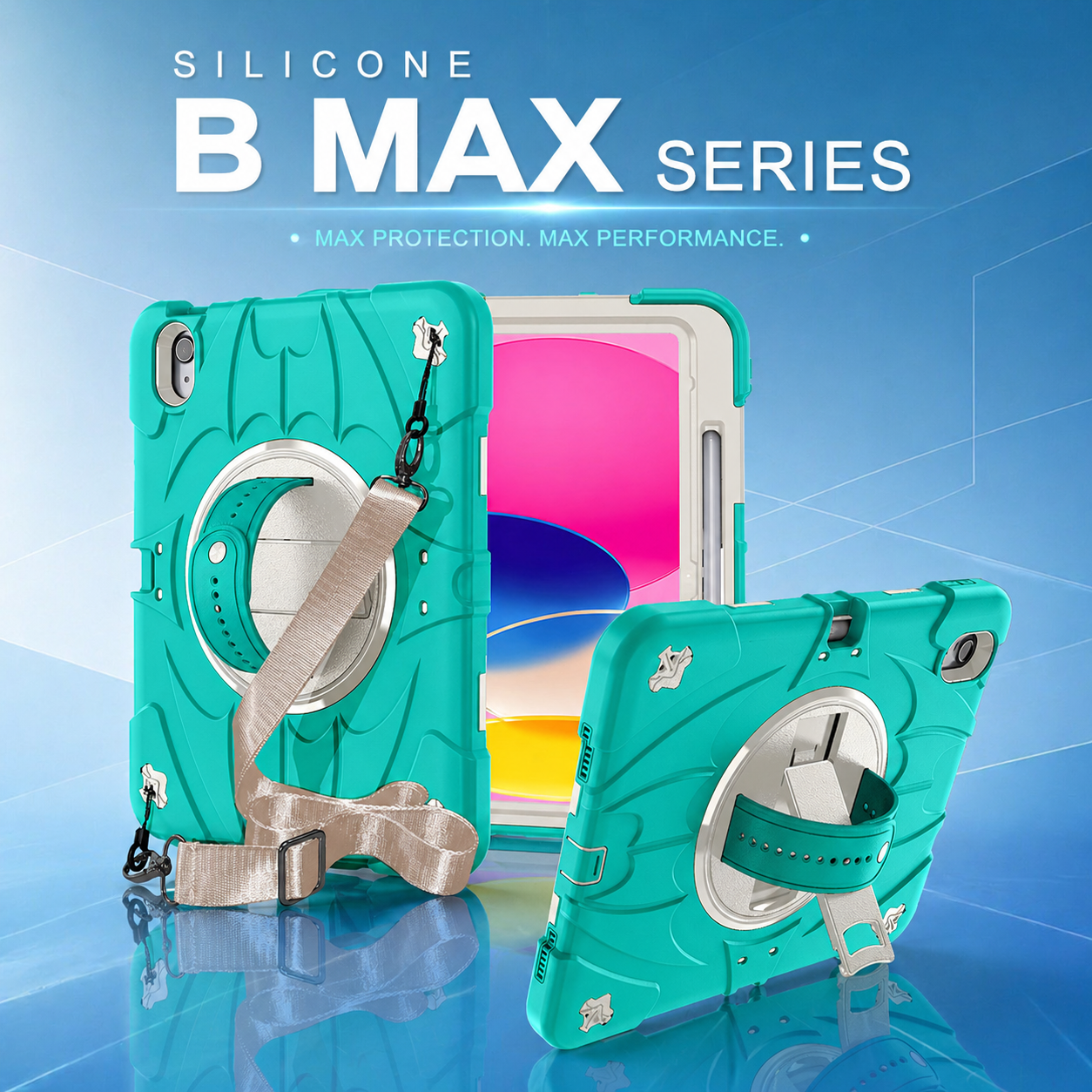
Modern rugged solutions often incorporate workflow-enhancing features such as:
Adjustable stands
Hand straps
Shoulder straps
Rotating mounts
A multi angle kickstand tablet case allows workers to position tablets at different viewing angles while maintaining strong protection.
This combination of durability and usability improves workplace efficiency.
Specialized Applications
Different industries benefit from rugged protection in unique ways.
Warehousing
Inventory management tablets face constant movement and frequent drops.
Manufacturing
Production floor devices must withstand impacts and vibration.
Construction
Tablets encounter dust, debris, and elevated work locations.
Field Service
Technicians require reliable protection while traveling between job sites.
Across all sectors, rugged cases consistently reduce downtime and repair costs.
Long-Term Cost Savings
Although rugged protection requires a larger initial investment, the total cost of ownership is often significantly lower.
Benefits include:
Fewer screen replacements
Reduced device downtime
Lower maintenance costs
Extended tablet lifespan
Industrial organizations frequently report substantial savings after adopting rugged protection strategies.
Conclusion
Industrial drop-test data leaves little room for debate. Rugged protective solutions consistently outperform standard tablet covers in every major category, including screen protection, corner resistance, device survival, and long-term durability.
Whether utilizing a TPU tablet case for basic protection, upgrading to a PC+Silicone tablet case, or deploying a 3 layers heavy duty rugged tablet case in demanding workplaces, the level of protection directly impacts device reliability.
For organizations operating in high-risk environments, investing in a rugged tablet case is not simply about preventing damage—it is about protecting productivity, reducing operational costs, and ensuring uninterrupted business performance.





.png)
+86 13422271740
.png)
info@tongmeitech.com
.png)
No. 34, Mashe Section, Guihe Road, Lishui Town, Foshan, Guangdong, China