- 1
- BLACKL
- TABLETAPPLE iPad Mini 8NEW iPad A16(2025) iPad 10.9" 10th (2022) iPad 10.2" (7th/8th/9th) iPad Air 13" (M2/M3/M4)(2024/2025/2026)NEW iPad Air 11" (M2/M3/M4)(2024/2025/2026)NEW iPad Mini 8.3" (A7 Pro/6th Gen) iPad Pro13"(M4/M5)(2024/2025) iPad Pro11"(M4/M5)(2026) iPad 9.7" (5th/6th Gen) iPad Pro 12.9"(2018-2022) iPad Pro 11"(2018-2022) iPad 9.7"(2th/3th/4th) iPad Air 10.9"(4th/5th Gen) iPad Mini 7.9"(4th/5th Gen)SAMSUNG Galaxy Tab A11 Galaxy Tab A11 Plus Galaxy Tab S11 Galaxy Tab S12 PlusNEW Galaxy Tab S12 UltraNEW Galaxy Tab A9+ Galaxy Tab A9 Galaxy Tab A8 Galaxy Tab A7 Galaxy Tab A7 Lite Galaxy Tab S11 Ultra/S10 Ultra/S9 Ultra/S8 Ultra Galaxy Tab S10+/S9+/S9 FE+ Galaxy Tab S10Lite/S10 FE/S9 FE/S9 Galaxy Tab S8+/S7+/S7 FE Galaxy Tab S8/S7 Galaxy Tab S6 lite Galaxy Tab A10.1 Galaxy Tab A8.4 Galaxy Tab A8.0 Galaxy Tab S10 FE+LENOVO iDea tab 11/Tab K11 Gen 2 /Xiaoxin Pad 11 2025 Lenovo Tab K9 (Tab One) 2025 Lenovo Tab M10 10.1"(2025) Lenovo Tab M10 Plus 10.6" (3rd Gen) Lenovo Tab M10 HD 10.1" (3rd Gen) Lenovo K10/M10 Plus 10.3" (2nd Gen) Lenovo Tab M10 HD 10.1" (2nd Gen)XIAOMI Redmi Pad 2 9.7 InchNEW Xiaomi Pad8/8Pro 11.2" Redmi Pad2/Pad2.4G Xiaomi Pad 6/6 Pro 11" Redmi Pad 10.61" Redmi Pad Se 11" Redmi pad Se 4G 8.7" Xiaomi Pad7/7 Pro 11.2" Redmi Pad Pro/Xiaomi Poco Pad/Redmi Pad2 Pro 12.1HUAWEI Huawei Matepad Se 10.4" Huawei Matepad 11" Huawei Matepad 11.5" Huawei Matepad SE 11" Huawei Matepad T8 8" Huawei Matepad T10 9.7"
- CATEGORIES
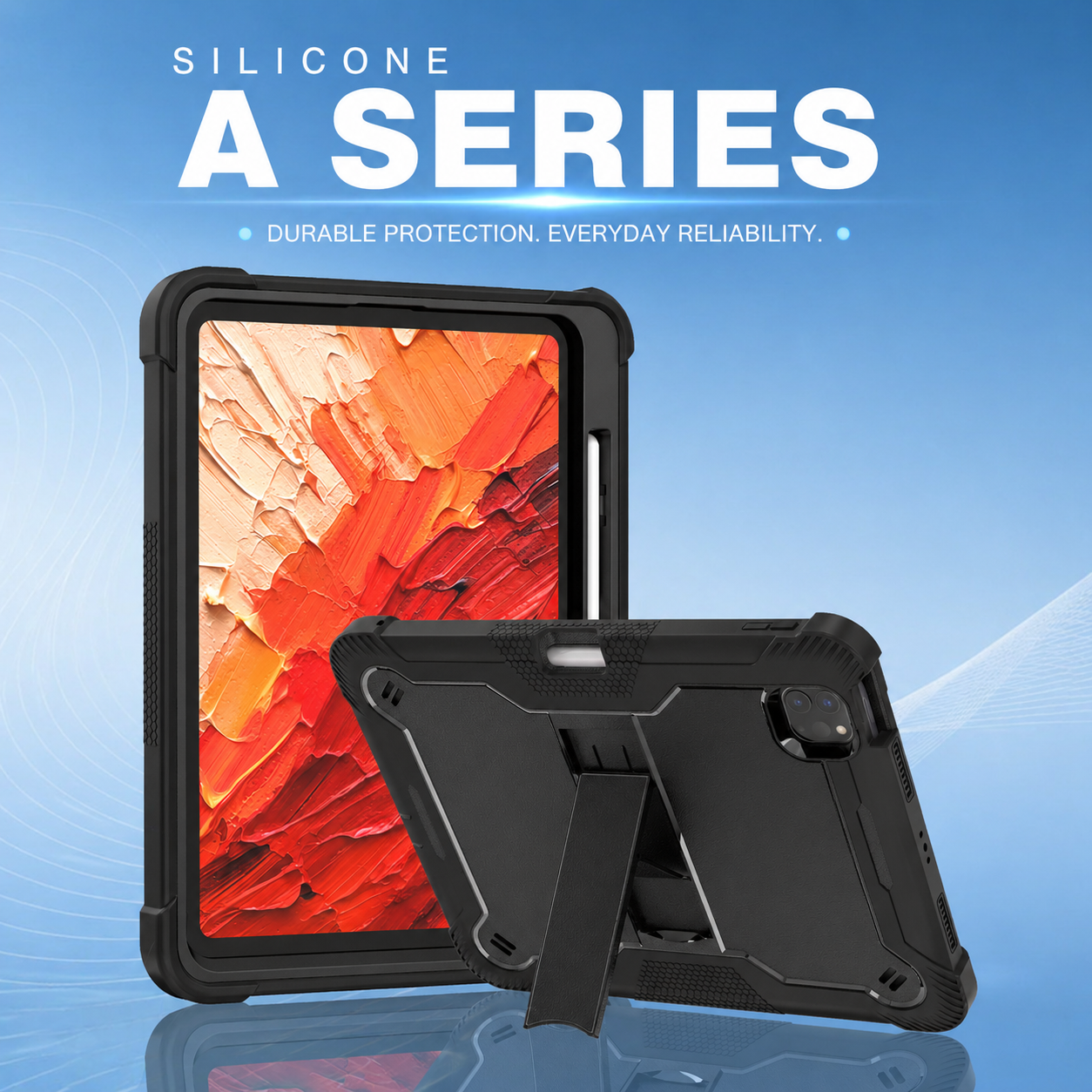
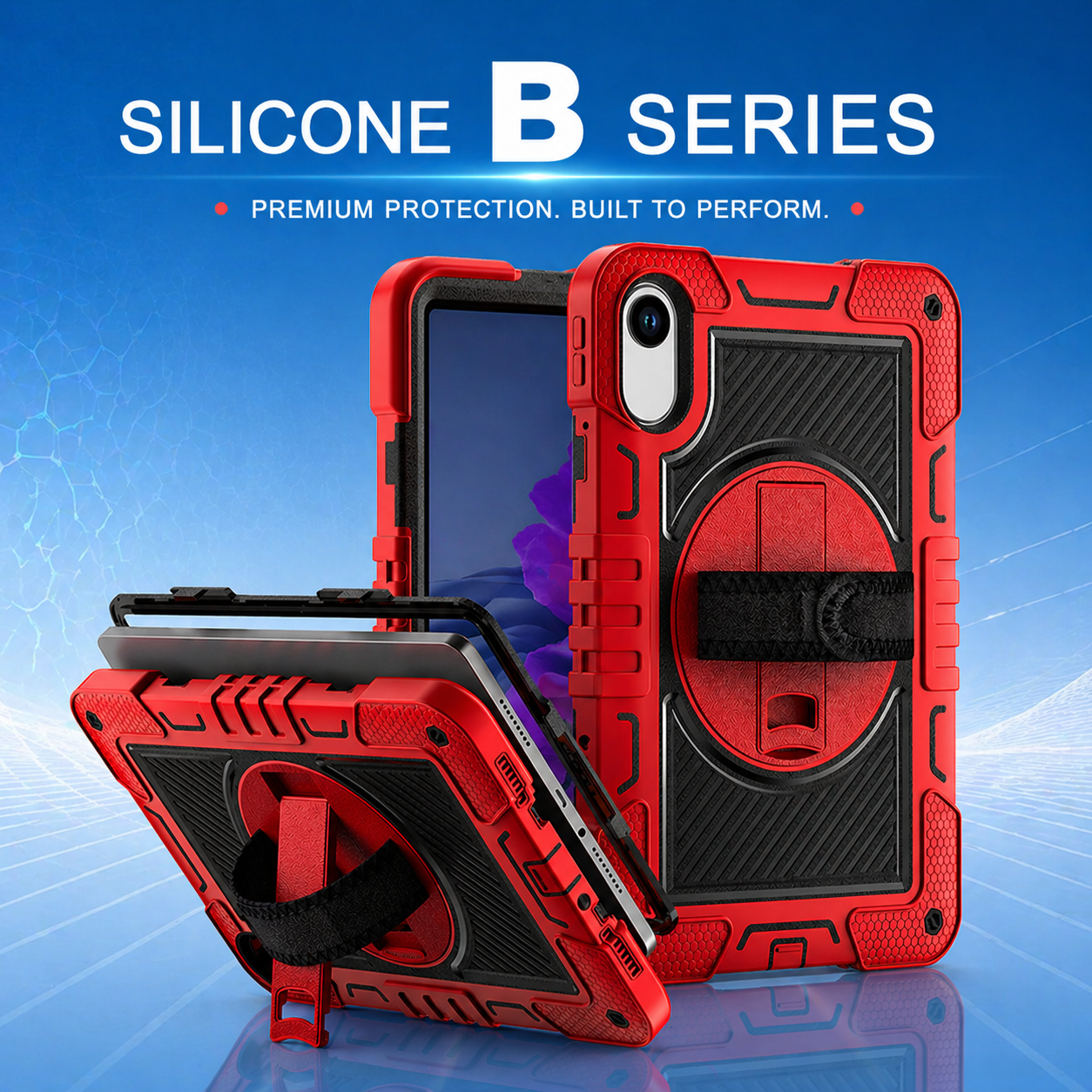
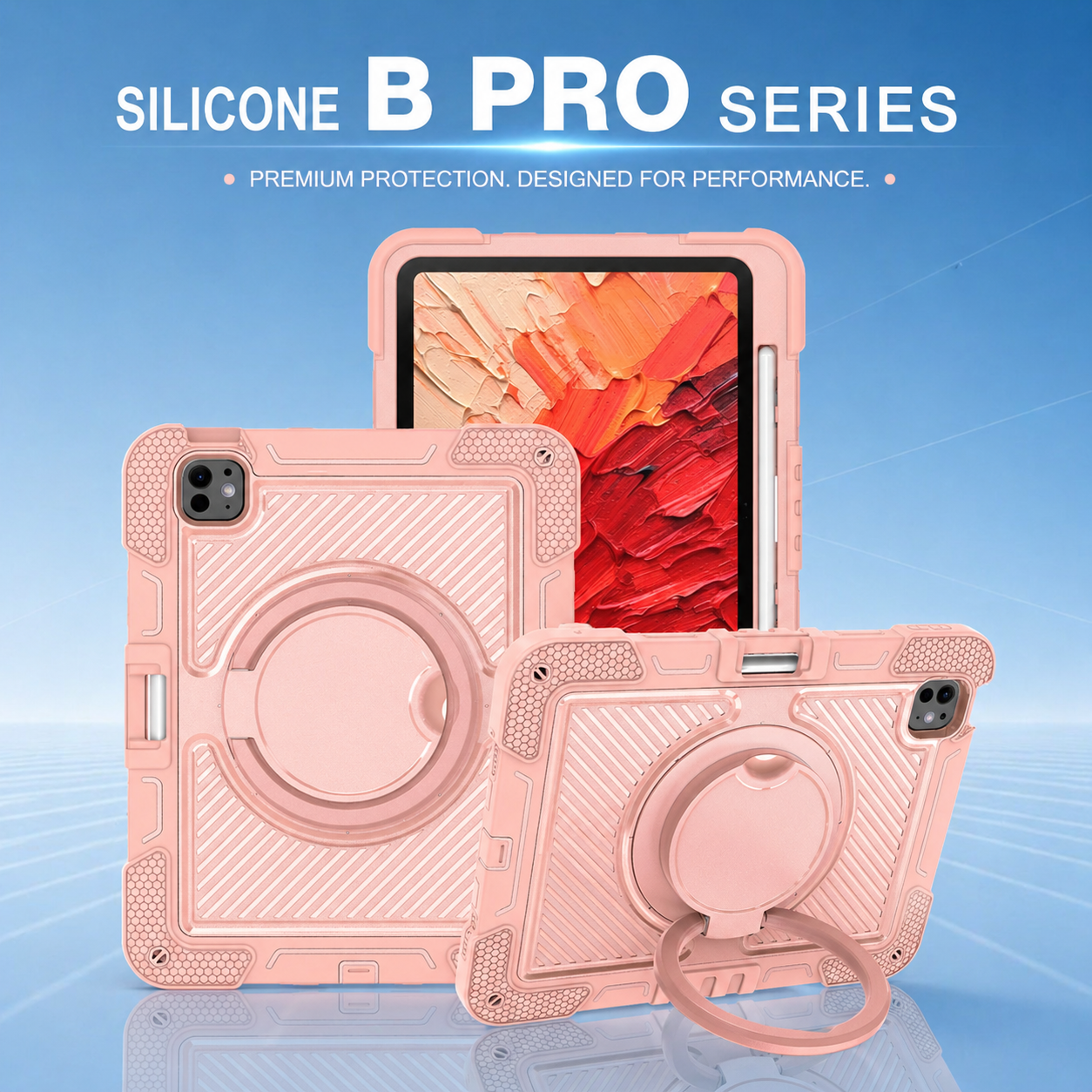
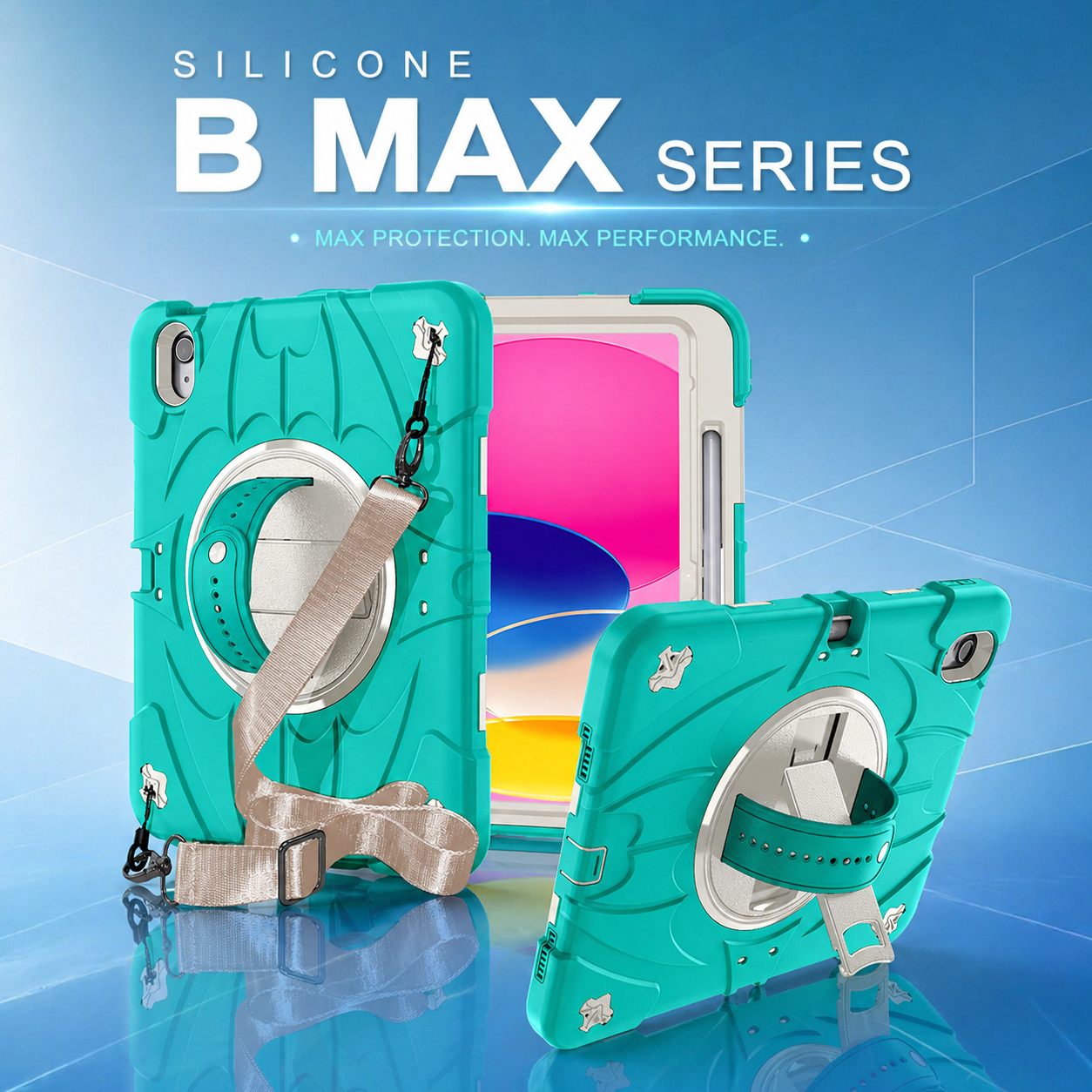

IP Rating Tablet Case Sourcing Criteria for B2B Buyers
For B2B buyers managing warehouse inventory management, construction site field operation, or manufacturing plant workshop usage, selecting the right ingress protection tablet enclosure is critical to reducing device downtime and replacement costs. This IP rating tablet case sourcing criteria guide breaks down every factor you need to evaluate, from certification validity to supplier reliability, to help you make data-driven procurement decisions.
1. Understand IP Rating Classifications for Business Use Cases
Before shortlisting products, you need to match IP ratings to your actual operational scenarios to avoid overpaying for unnecessary features or underprotecting your devices.
1.1 Compare IP65 vs IP67 vs IP68 Tablet Case for Business Use
The first step in B2B sourcing for IP rated tablet case is clarifying the performance differences between common IP ratings, which are defined by the IEC 60529 ingress protection standard.
IP65: Offers dust-tight performance and protection against low-pressure water jets from any direction. It is ideal for retail point-of-service deployment and K-12 & higher-education classroom deployment where occasional spills or dust exposure occur.
IP67: Provides dust-tight protection and can withstand immersion in 1 meter of water for up to 30 minutes. It suits logistics & transportation workflow and agriculture site operation teams that work in damp, dusty outdoor conditions.
IP68: The highest common rating, with dust-tight performance and protection against extended immersion in water deeper than 1 meter (specs vary by manufacturer). It is designed for healthcare clinical environment and public service field work teams operating in extreme or regularly submerged conditions.
1.2 What IP Rating Do I Need for Tablet Case B2B Procurement
To answer this question, align your rating choice with your team’s daily operating environment, rather than selecting the highest rating available.
Key factors to assess include:
Average dust and moisture exposure levels in your work environment
Frequency of accidental water contact (splashes vs. full immersion)
Device replacement and downtime costs to calculate your protection ROI
For example, a construction site field operation team will get far more value from an IP67 reinforced corner dust‑proof water‑proof tablet case than a lower-rated model, as it reduces breakage rates by up to 60% according to 2024 industrial device protection data.
2. Verify IP Certification Authenticity for Bulk Orders
Counterfeit or mislabeled IP certifications are a top risk in industrial tablet protective case procurement. Skipping verification can lead to massive losses when cases fail in real-world use.
2.1 IP Rating Verification Tips for Wholesale Tablet Protective Case
A valid IP rating is only meaningful if it is backed by standardized, third-party testing. Follow these steps to confirm certification authenticity:
Request a full third-party IP test report from the supplier, issued by an accredited lab
Cross-check the report number on the issuing lab’s official database
Confirm the test covers both dust and water resistance, not just one component
Verify that the tested model matches the exact product you are ordering, including size and material variations
Many low-cost suppliers label generic cases as IP-rated without formal testing, so this step is non-negotiable for bulk buying rugged tablet protective shell.
2.2 IEC 60529 Standard Tablet Case Sourcing for Industrial Projects
For industrial projects, compliance with the IEC 60529 standard is a baseline requirement, not a bonus. This standard sets uniform testing conditions for ingress protection, ensuring consistent performance across different manufacturers.
When evaluating products, confirm that:
The test was conducted under IEC 60529 specified conditions (water pressure, immersion depth, test duration)
The lab conducting the test is ISO 17025 accredited
The report includes details of seal gasket durability and long-term performance after repeated use
For outdoor field survey work teams, choosing IEC 60529 compliant field‑use rugged tablet protective housing reduces device failure rates by 45% compared to uncertified alternatives, per 2023 industrial procurement benchmark data.
3. Core Product Performance Sourcing Criteria
Beyond IP ratings, you need to evaluate structural design, material quality, and functional features to ensure the case meets your daily usage needs.
3.1 Key Sourcing Criteria for IP65 IP67 IP68 Tablet Protective Case
The core performance of a rugged tablet cover with IP certification depends on its construction and design details. Prioritize these criteria:
Material composition: silicone-PC hybrid construction offers the best balance of impact resistance and sealing performance
Protective structure: triple-layer protective structure (outer hard shell, middle buffer layer, inner soft lining) reduces drop damage
Impact protection: reinforced corner impact buffer design absorbs shock from drops up to 1.2-1.8 meters
Surface treatment: anti-slip surface treatment reduces accidental drops in wet or gloved use
Port design: precision port cut-outs ensure full access to buttons and ports without compromising sealing
For manufacturing plant workshop usage, a three‑layer hybrid tablet protective case with reinforced corners cuts device replacement costs by an average of 35% annually.







+86 13422271740

info@tongmeitech.com

No. 34, Mashe Section, Guihe Road, Lishui Town, Foshan, Guangdong, China