- 1
- BLACKL
- TABLETAPPLE iPad Mini 8NEW iPad A16(2025) iPad 10.9" 10th (2022) iPad 10.2" (7th/8th/9th) iPad Air 13" (M2/M3/M4)(2024/2025/2026)NEW iPad Air 11" (M2/M3/M4)(2024/2025/2026)NEW iPad Mini 8.3" (A7 Pro/6th Gen) iPad Pro13"(M4/M5)(2024/2025) iPad Pro11"(M4/M5)(2026) iPad 9.7" (5th/6th Gen) iPad Pro 12.9"(2018-2022) iPad Pro 11"(2018-2022) iPad 9.7"(2th/3th/4th) iPad Air 10.9"(4th/5th Gen) iPad Mini 7.9"(4th/5th Gen)SAMSUNG Galaxy Tab A11 Galaxy Tab A11 Plus Galaxy Tab S11 Galaxy Tab S12 PlusNEW Galaxy Tab S12 UltraNEW Galaxy Tab A9+ Galaxy Tab A9 Galaxy Tab A8 Galaxy Tab A7 Galaxy Tab A7 Lite Galaxy Tab S11 Ultra/S10 Ultra/S9 Ultra/S8 Ultra Galaxy Tab S10+/S9+/S9 FE+ Galaxy Tab S10Lite/S10 FE/S9 FE/S9 Galaxy Tab S8+/S7+/S7 FE Galaxy Tab S8/S7 Galaxy Tab S6 lite Galaxy Tab A10.1 Galaxy Tab A8.4 Galaxy Tab A8.0 Galaxy Tab S10 FE+LENOVO iDea tab 11/Tab K11 Gen 2 /Xiaoxin Pad 11 2025 Lenovo Tab K9 (Tab One) 2025 Lenovo Tab M10 10.1"(2025) Lenovo Tab M10 Plus 10.6" (3rd Gen) Lenovo Tab M10 HD 10.1" (3rd Gen) Lenovo K10/M10 Plus 10.3" (2nd Gen) Lenovo Tab M10 HD 10.1" (2nd Gen)XIAOMI Redmi Pad 2 9.7 InchNEW Xiaomi Pad8/8Pro 11.2" Redmi Pad2/Pad2.4G Xiaomi Pad 6/6 Pro 11" Redmi Pad 10.61" Redmi Pad Se 11" Redmi pad Se 4G 8.7" Xiaomi Pad7/7 Pro 11.2" Redmi Pad Pro/Xiaomi Poco Pad/Redmi Pad2 Pro 12.1HUAWEI Huawei Matepad Se 10.4" Huawei Matepad 11" Huawei Matepad 11.5" Huawei Matepad SE 11" Huawei Matepad T8 8" Huawei Matepad T10 9.7"
- CATEGORIES

How Material Innovation Is Redefining Enterprise Tablet Protection
The rapid expansion of enterprise mobility has transformed tablets into essential business tools across industries. Warehouses use them for inventory management, manufacturers depend on them for production monitoring, healthcare providers access patient information through them, and field service teams rely on them for real-time reporting. As tablets become increasingly critical to daily operations, businesses are paying closer attention to how these devices are protected.
One of the most significant trends in the tablet accessories market is the growing focus on material innovation. Enterprise buyers are no longer choosing protective cases based solely on appearance or cost. Instead, they are evaluating the engineering, durability, and performance of the materials used in the products they purchase.
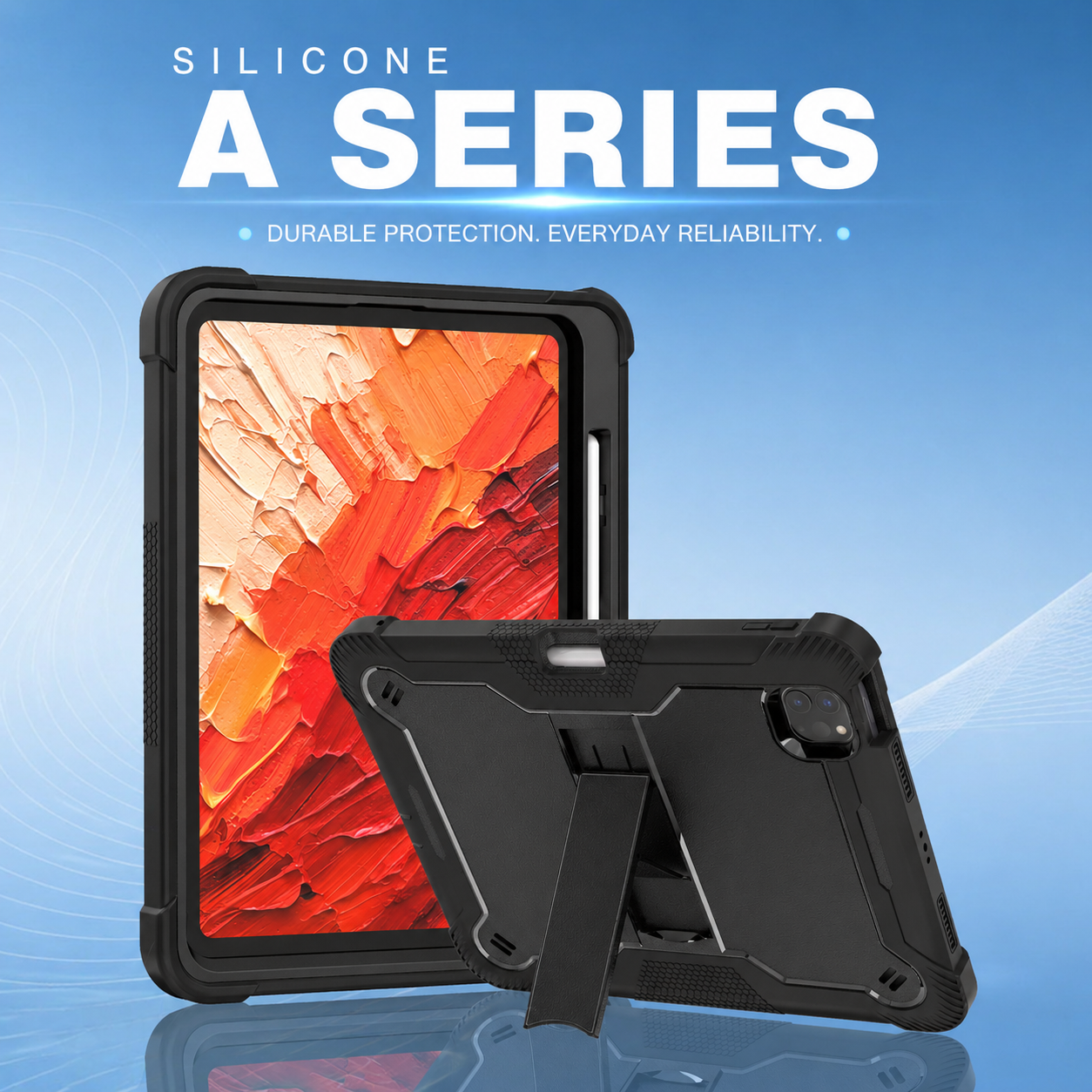
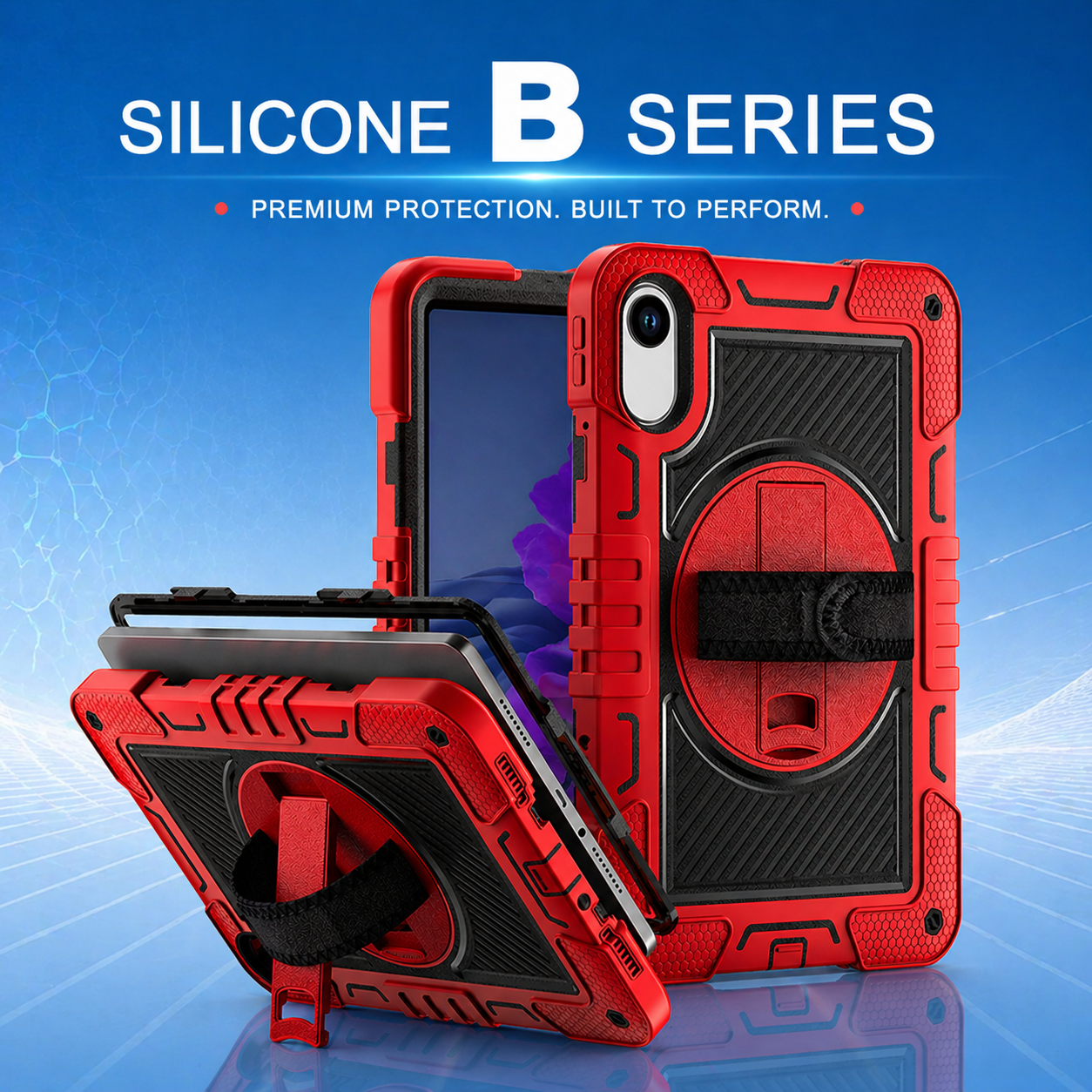
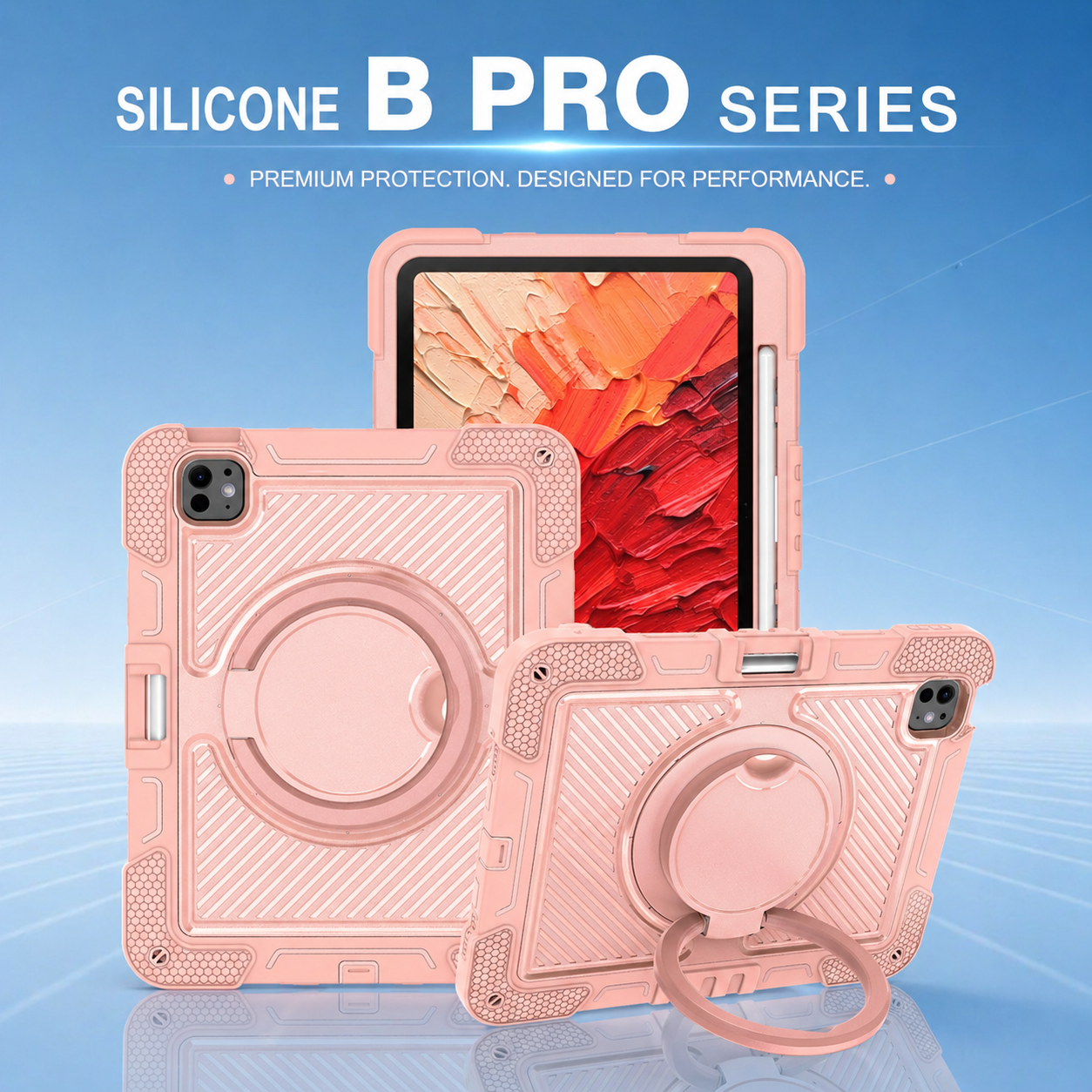
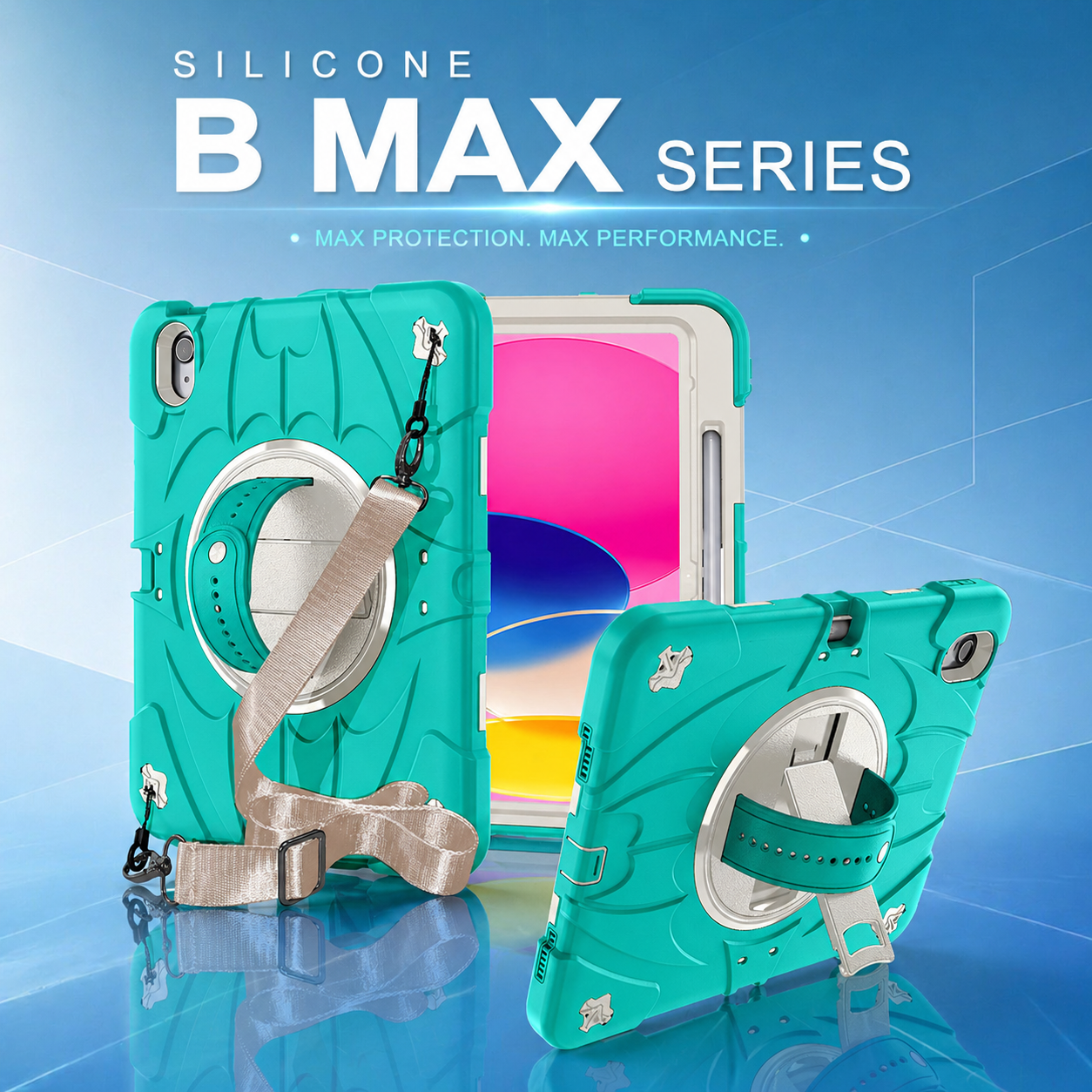
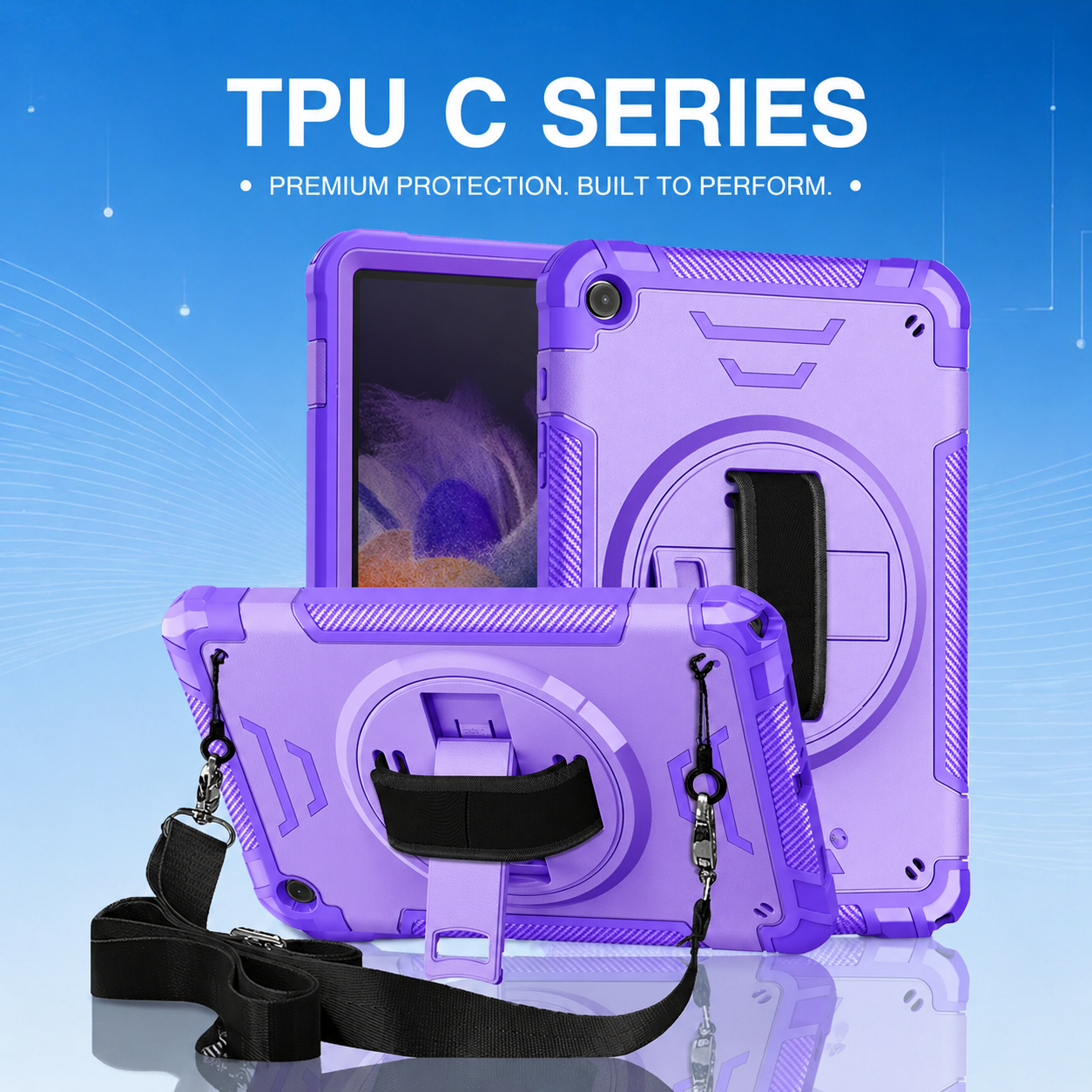
This shift has fueled demand for advanced protective solutions such as the TPU tablet case, PC+Silicone tablet case, and rugged tablet case, all of which offer unique advantages for commercial environments.
The Evolution of Enterprise Tablet Protection
Several years ago, many organizations viewed tablet cases as simple accessories. Their primary purpose was to prevent scratches and minor cosmetic damage.
Today, the role of tablet protection has changed dramatically.
Modern enterprise environments expose devices to:
Frequent drops and impacts
Continuous transportation
Harsh industrial conditions
Dust and debris
Temperature fluctuations
Intensive daily use
As a result, businesses require accessories that can withstand demanding conditions while maintaining functionality and user comfort.
Material innovation has become a key factor in meeting these requirements.
Why Material Selection Matters
The effectiveness of any tablet case depends largely on the materials used in its construction.
Different materials provide different benefits:
Impact Absorption
Some materials excel at dispersing shock energy during drops and collisions.
Structural Strength
Others provide rigid support that helps prevent device deformation and cracking.
Durability
Enterprise users need cases capable of surviving years of daily use without significant wear.
Ergonomics
The material must also support comfortable handling for workers who use tablets throughout the day.
Because no single material can optimize every performance characteristic, manufacturers increasingly combine multiple materials to create hybrid protection systems.
The Advantages of TPU Technology
Thermoplastic Polyurethane (TPU) has become one of the most widely used materials in modern protective accessories.
A TPU tablet case offers several advantages that appeal to enterprise buyers.
Superior Shock Absorption
TPU naturally absorbs and disperses impact forces. When a tablet is dropped, the material helps reduce the energy transferred to the device.
Flexibility
Unlike rigid plastics, TPU remains flexible while maintaining durability. This flexibility reduces cracking and extends product lifespan.
Enhanced Grip
Many TPU-based designs feature textured surfaces that help users maintain a secure hold on their devices.
Long-Term Performance
TPU is resistant to wear, making it suitable for high-usage environments such as logistics centers, schools, and field operations.
These characteristics make TPU a popular choice for businesses seeking reliable protection without excessive weight.
The Growing Popularity of Hybrid Construction
While TPU provides excellent shock absorption, many enterprise applications require additional structural reinforcement.
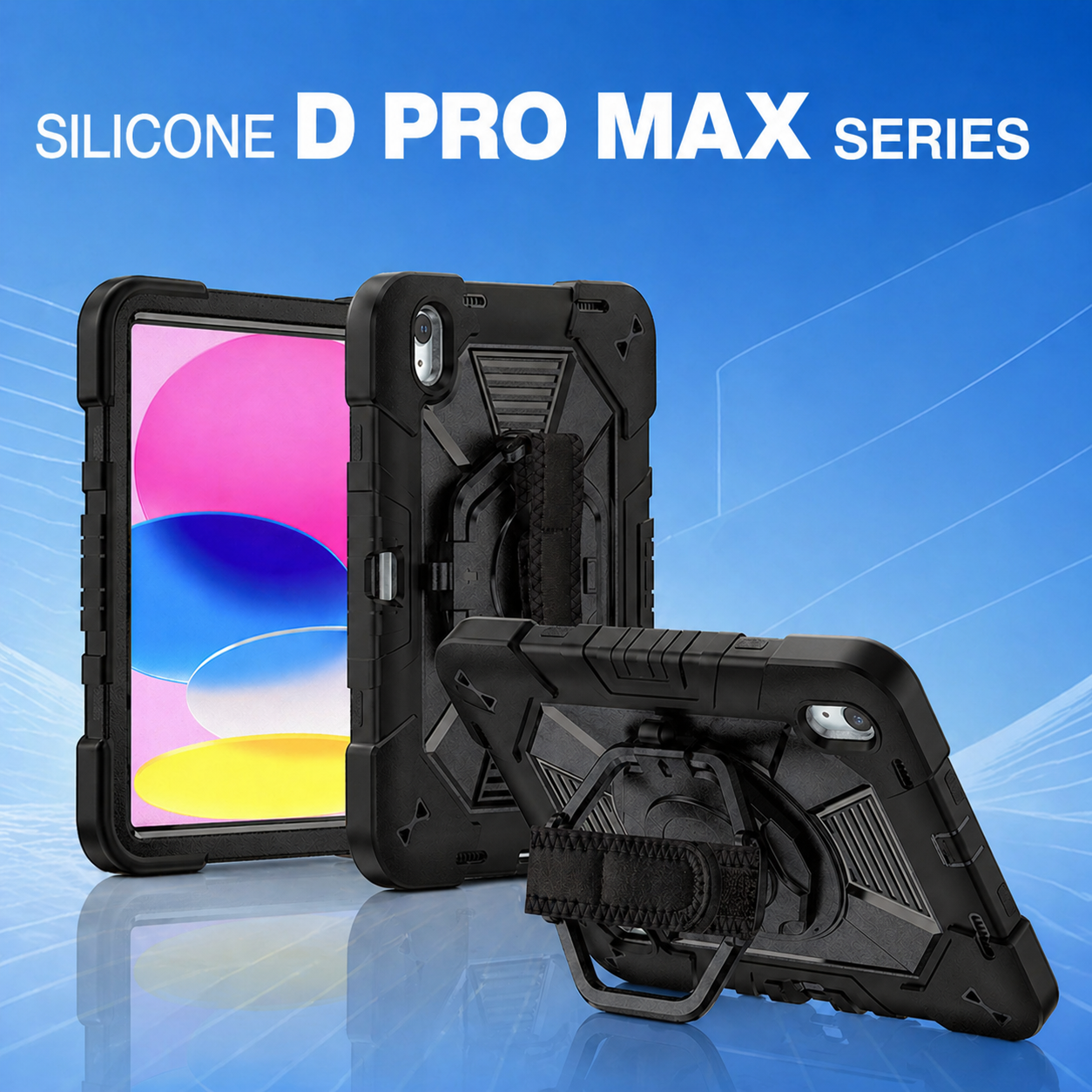
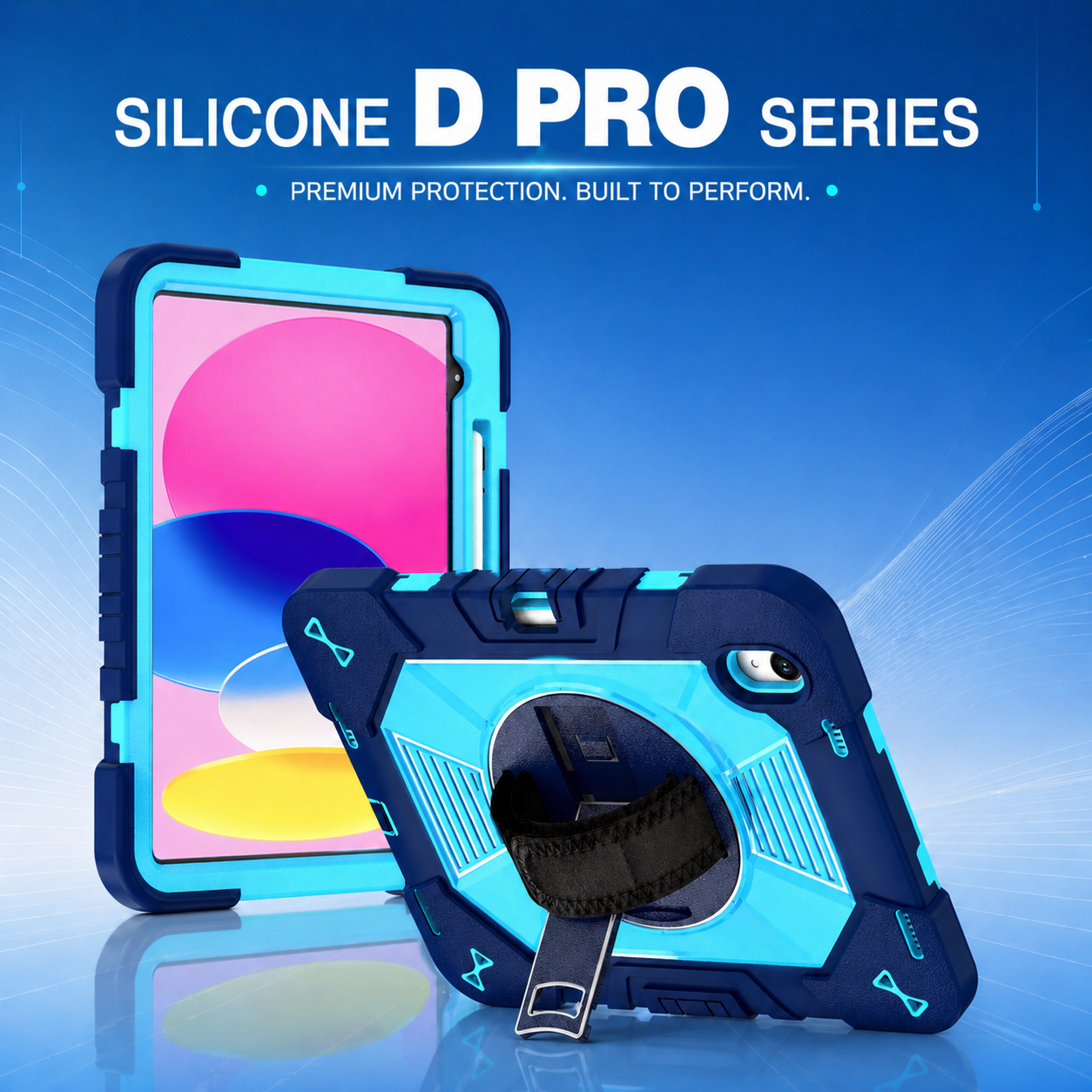
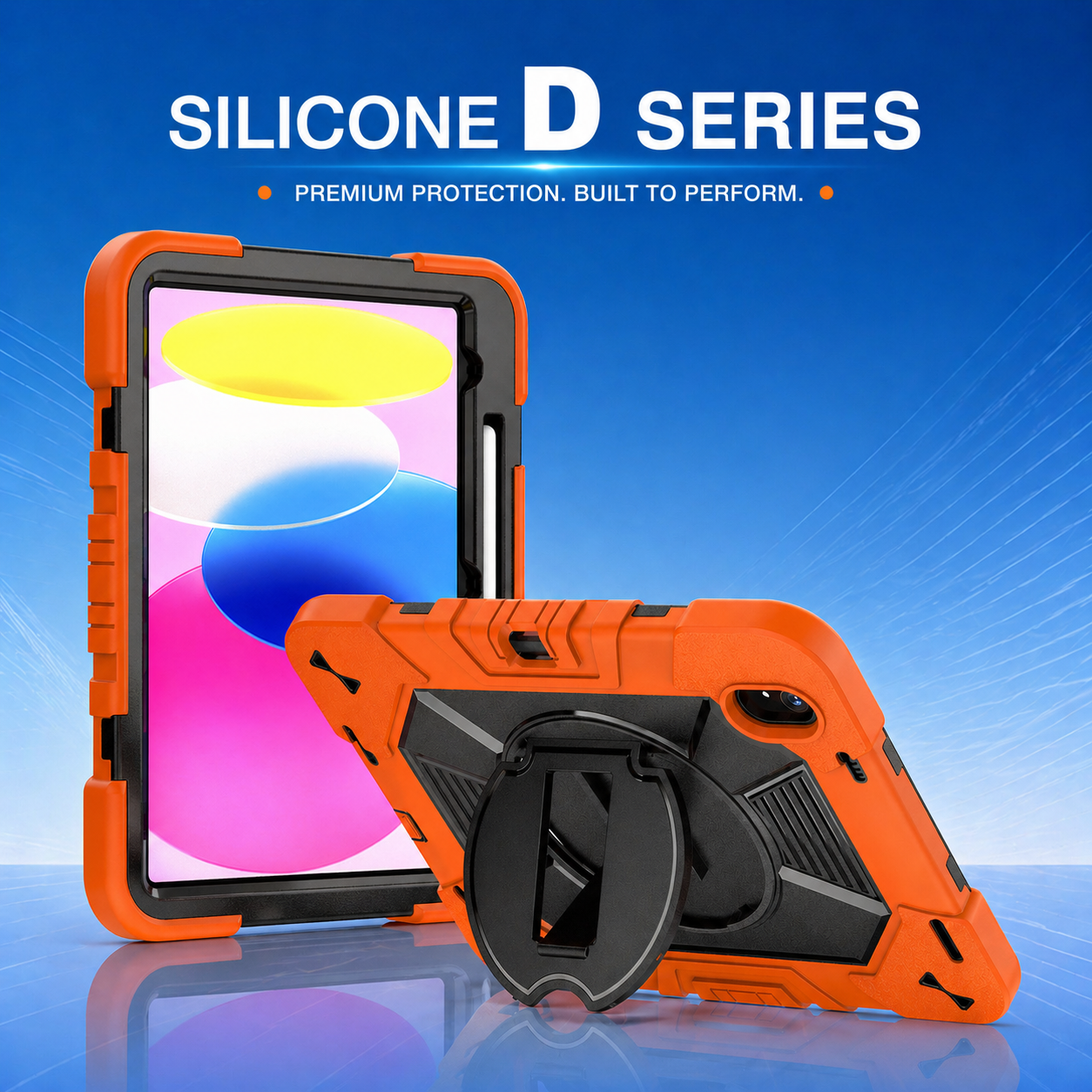
This need has driven the popularity of the PC+Silicone tablet case.
PC refers to polycarbonate, a highly durable engineering plastic known for its rigidity and strength.
When combined with silicone, manufacturers create a multi-layer protection system that offers:
Strong structural support
Enhanced drop resistance
Improved shock absorption
Increased durability
The rigid polycarbonate shell helps distribute impact forces, while the silicone layer absorbs shock and improves grip.
This combination has become a preferred solution for organizations operating in demanding environments.
Why Rugged Protection Is Becoming Standard
As tablets become mission-critical business tools, organizations are increasingly adopting a comprehensive protection strategy.
The modern rugged tablet case is designed specifically for enterprise and industrial applications.
Typical features include:
Reinforced corners
Multi-layer construction
Raised screen bezels
Port protection
Anti-slip surfaces
Hand straps and carrying options
These features help organizations reduce repair costs while improving device reliability.
Many procurement managers now consider rugged protection a standard requirement rather than an optional upgrade.
Industry Applications Driving Demand
Several sectors are leading adoption of advanced protective materials.
Logistics and Warehousing
Warehouse personnel frequently carry tablets during inventory checks, order fulfillment, and shipment verification.
Durable protection minimizes downtime caused by accidental drops.
Manufacturing
Production environments expose devices to dust, impacts, and vibration.
Material innovation helps ensure reliable operation under these conditions.
Healthcare
Medical professionals transport tablets between departments and patient rooms.
Protective solutions help safeguard valuable equipment while supporting mobility.
Field Service
Technicians working in outdoor environments require durable protection against physical hazards and transportation-related damage.
Cost Savings Through Better Protection
One of the strongest arguments for advanced materials is their impact on total cost of ownership.
Organizations investing in high-quality protective solutions often experience:
Lower repair expenses
Reduced replacement frequency
Longer device lifespan
Fewer workflow disruptions
Higher employee productivity
Although premium protection may involve higher upfront costs, the long-term savings frequently justify the investment.
Future Material Innovations
The tablet protection industry continues to evolve.
Manufacturers are investing in:
Advanced impact-resistant polymers
Lightweight composite materials
Sustainable manufacturing processes
Enhanced antimicrobial coatings
Improved ergonomic designs
Future products will likely offer even greater durability while maintaining comfort and portability.
As enterprise mobility expands, demand for innovative protection solutions will continue to grow.
Conclusion
Material innovation is reshaping how organizations approach tablet protection. Businesses increasingly recognize that the right materials can significantly improve device durability, reduce ownership costs, and enhance operational efficiency.
Whether through the flexibility and shock absorption of a TPU tablet case, the reinforced construction of a PC+Silicone tablet case, or the comprehensive protection offered by a rugged tablet case, modern enterprises are investing in solutions that support long-term business success.
As tablets become more deeply integrated into daily operations, advanced protective materials will play an increasingly important role in maximizing the value of enterprise technology investments.





.png)
+86 13422271740
.png)
info@tongmeitech.com
.png)
No. 34, Mashe Section, Guihe Road, Lishui Town, Foshan, Guangdong, China