- 1
- BLACKL
- TABLETAPPLE iPad Mini 8NEW iPad A16(2025) iPad 10.9" 10th (2022) iPad 10.2" (7th/8th/9th) iPad Air 13" (M2/M3/M4)(2024/2025/2026)NEW iPad Air 11" (M2/M3/M4)(2024/2025/2026)NEW iPad Mini 8.3" (A7 Pro/6th Gen) iPad Pro13"(M4/M5)(2024/2025) iPad Pro11"(M4/M5)(2026) iPad 9.7" (5th/6th Gen) iPad Pro 12.9"(2018-2022) iPad Pro 11"(2018-2022) iPad 9.7"(2th/3th/4th) iPad Air 10.9"(4th/5th Gen) iPad Mini 7.9"(4th/5th Gen)SAMSUNG Galaxy Tab A11 Galaxy Tab A11 Plus Galaxy Tab S11 Galaxy Tab S12 PlusNEW Galaxy Tab S12 UltraNEW Galaxy Tab A9+ Galaxy Tab A9 Galaxy Tab A8 Galaxy Tab A7 Galaxy Tab A7 Lite Galaxy Tab S11 Ultra/S10 Ultra/S9 Ultra/S8 Ultra Galaxy Tab S10+/S9+/S9 FE+ Galaxy Tab S10Lite/S10 FE/S9 FE/S9 Galaxy Tab S8+/S7+/S7 FE Galaxy Tab S8/S7 Galaxy Tab S6 lite Galaxy Tab A10.1 Galaxy Tab A8.4 Galaxy Tab A8.0 Galaxy Tab S10 FE+LENOVO iDea tab 11/Tab K11 Gen 2 /Xiaoxin Pad 11 2025 Lenovo Tab K9 (Tab One) 2025 Lenovo Tab M10 10.1"(2025) Lenovo Tab M10 Plus 10.6" (3rd Gen) Lenovo Tab M10 HD 10.1" (3rd Gen) Lenovo K10/M10 Plus 10.3" (2nd Gen) Lenovo Tab M10 HD 10.1" (2nd Gen)XIAOMI Redmi Pad 2 9.7 InchNEW Xiaomi Pad8/8Pro 11.2" Redmi Pad2/Pad2.4G Xiaomi Pad 6/6 Pro 11" Redmi Pad 10.61" Redmi Pad Se 11" Redmi pad Se 4G 8.7" Xiaomi Pad7/7 Pro 11.2" Redmi Pad Pro/Xiaomi Poco Pad/Redmi Pad2 Pro 12.1HUAWEI Huawei Matepad Se 10.4" Huawei Matepad 11" Huawei Matepad 11.5" Huawei Matepad SE 11" Huawei Matepad T8 8" Huawei Matepad T10 9.7"
- CATEGORIES

Future Trends in Enterprise Tablet Protection and Device Longevity
As organizations continue to embrace digital transformation, tablets have become indispensable tools for workforce mobility, operational efficiency, and real-time communication. Industries ranging from logistics and manufacturing to healthcare, retail, and field services rely heavily on tablets to support daily operations.
With enterprise tablet deployments expanding rapidly, organizations are paying greater attention to device lifecycle management. Procurement teams are no longer focused solely on purchasing tablets; they are increasingly concerned with protecting those investments over the long term.
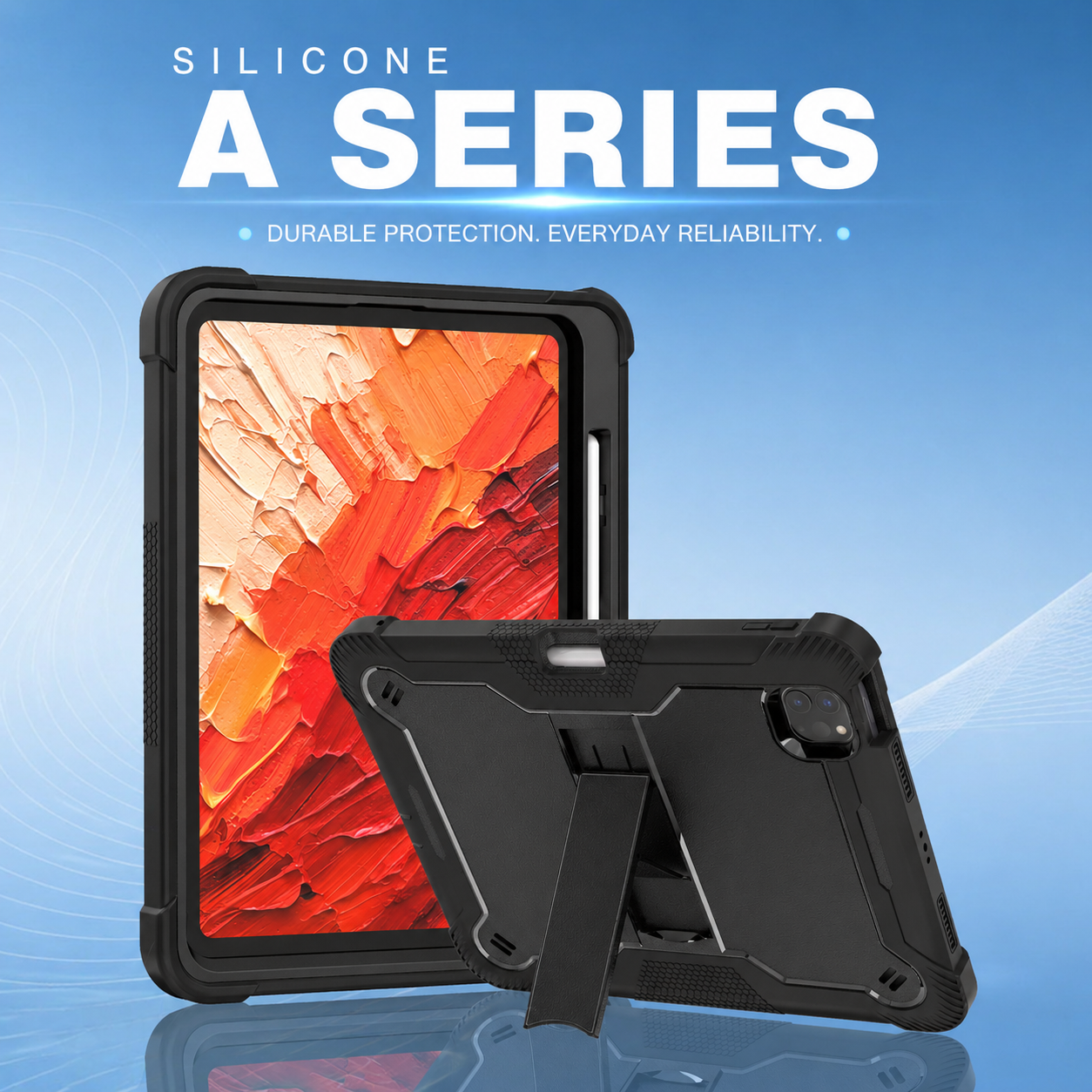
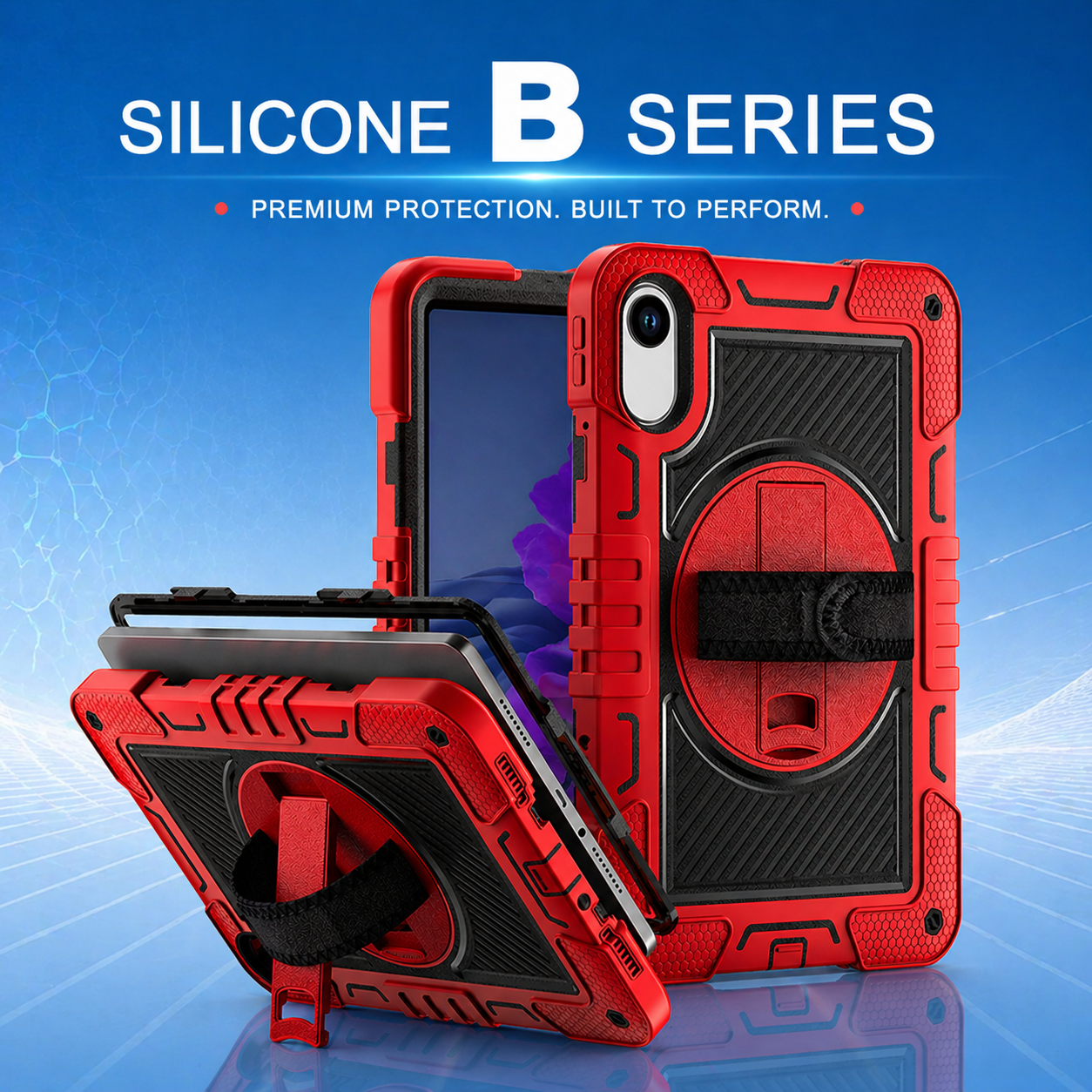
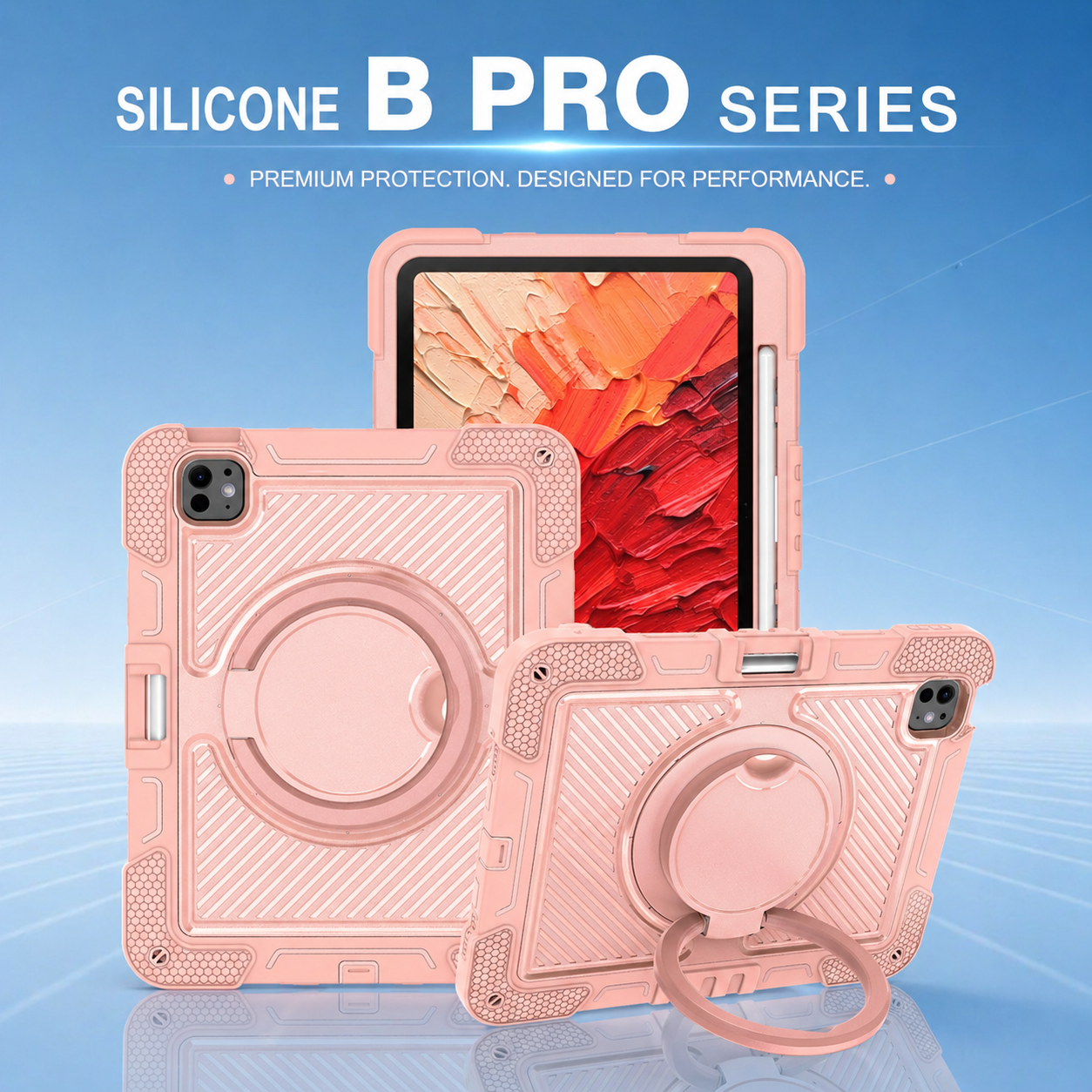
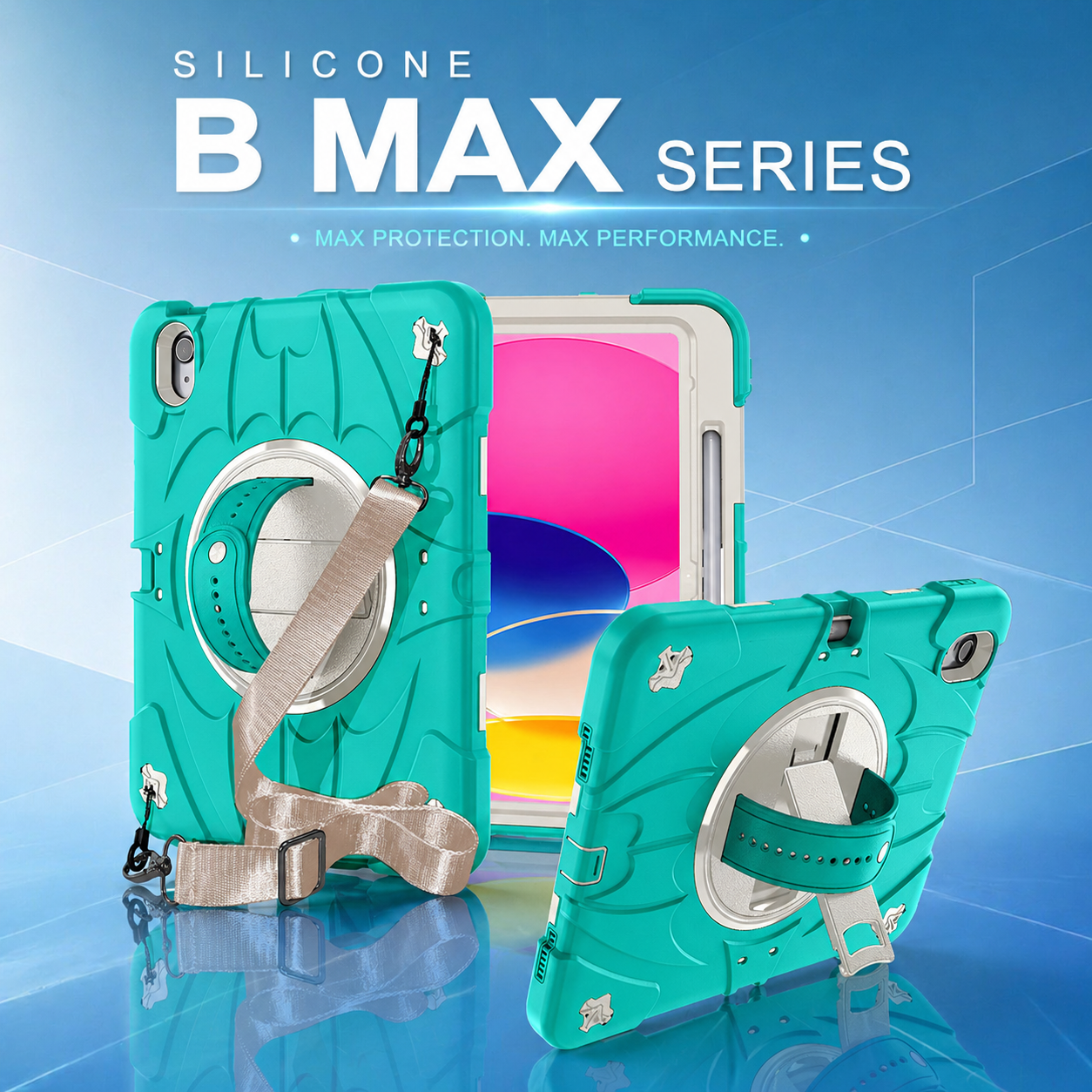
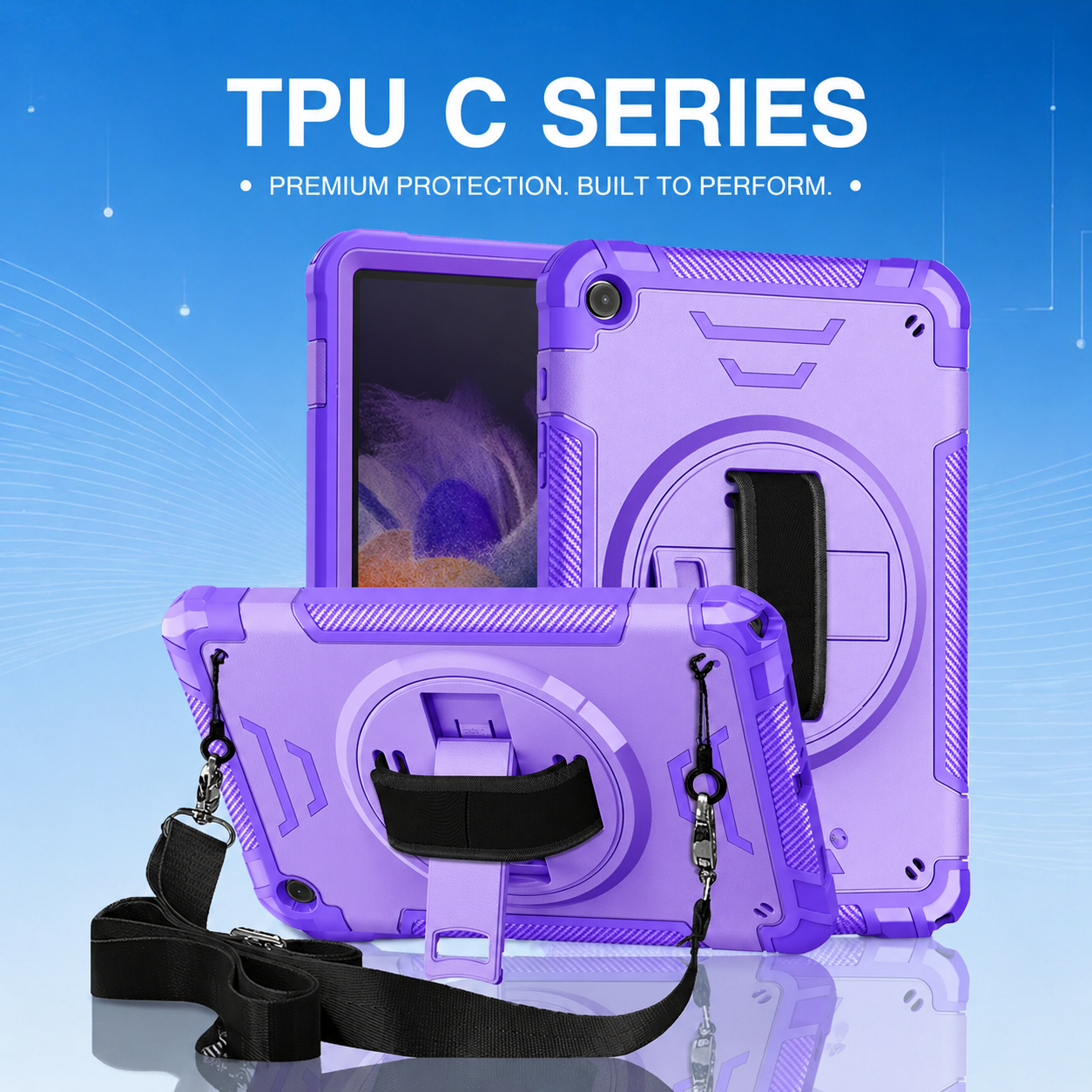
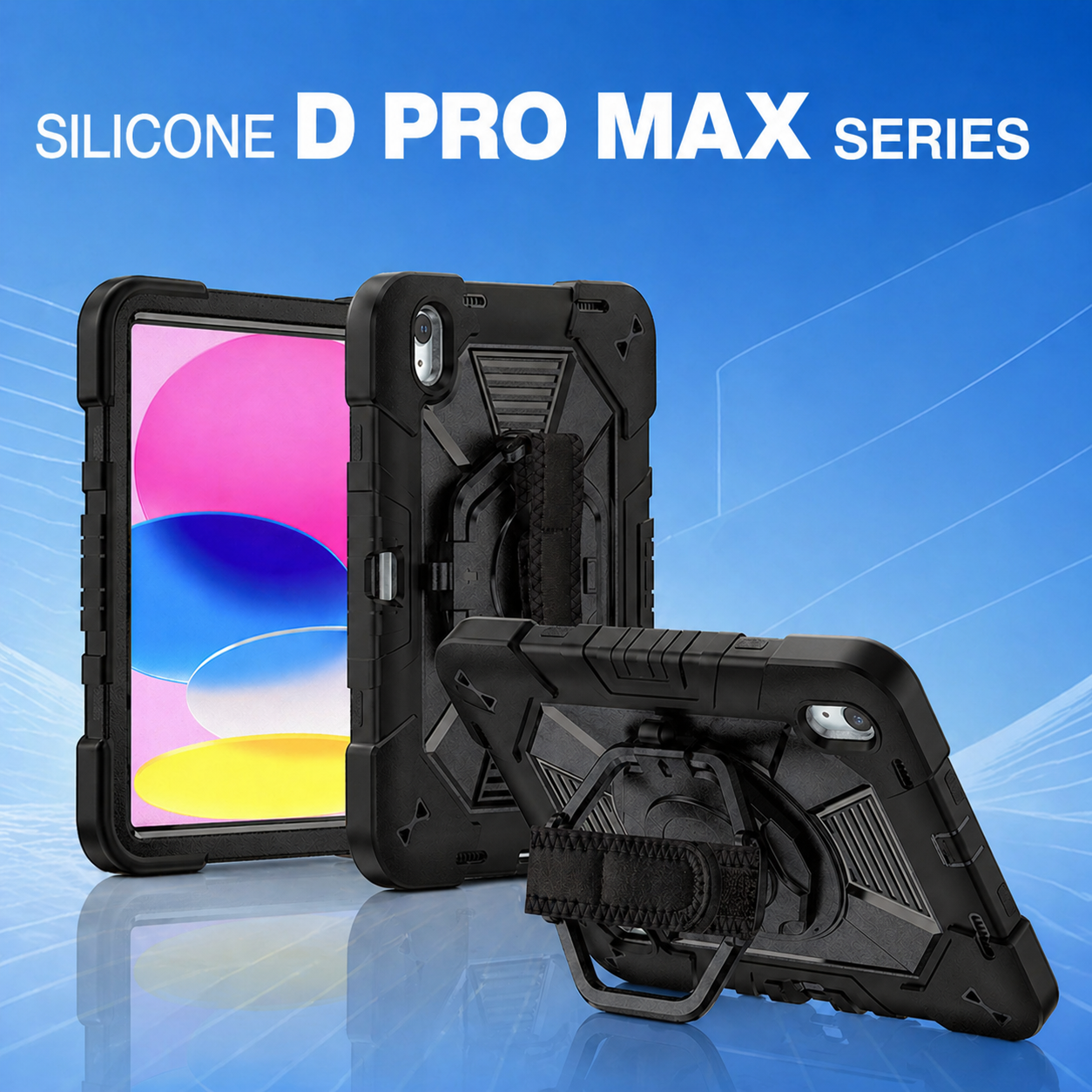
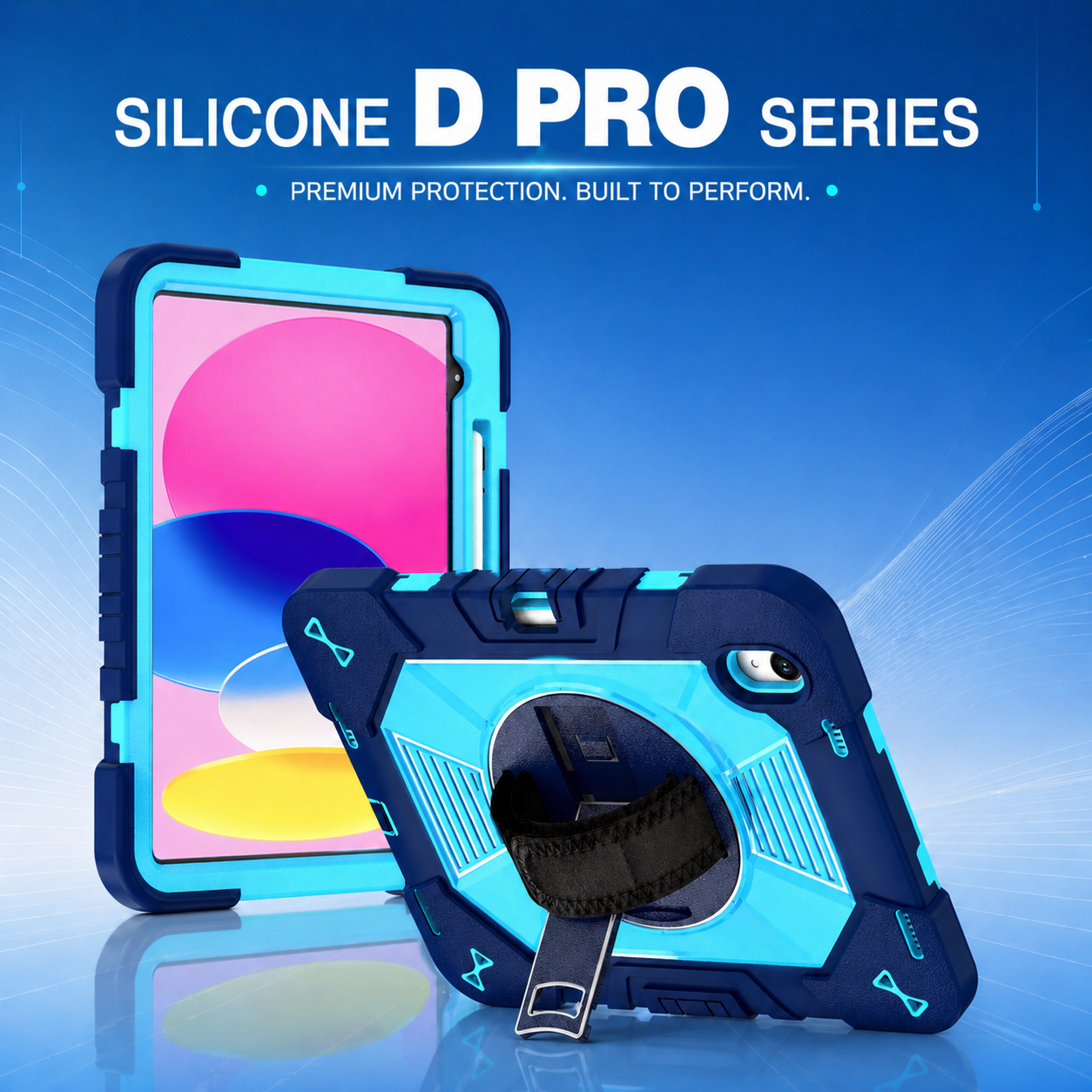
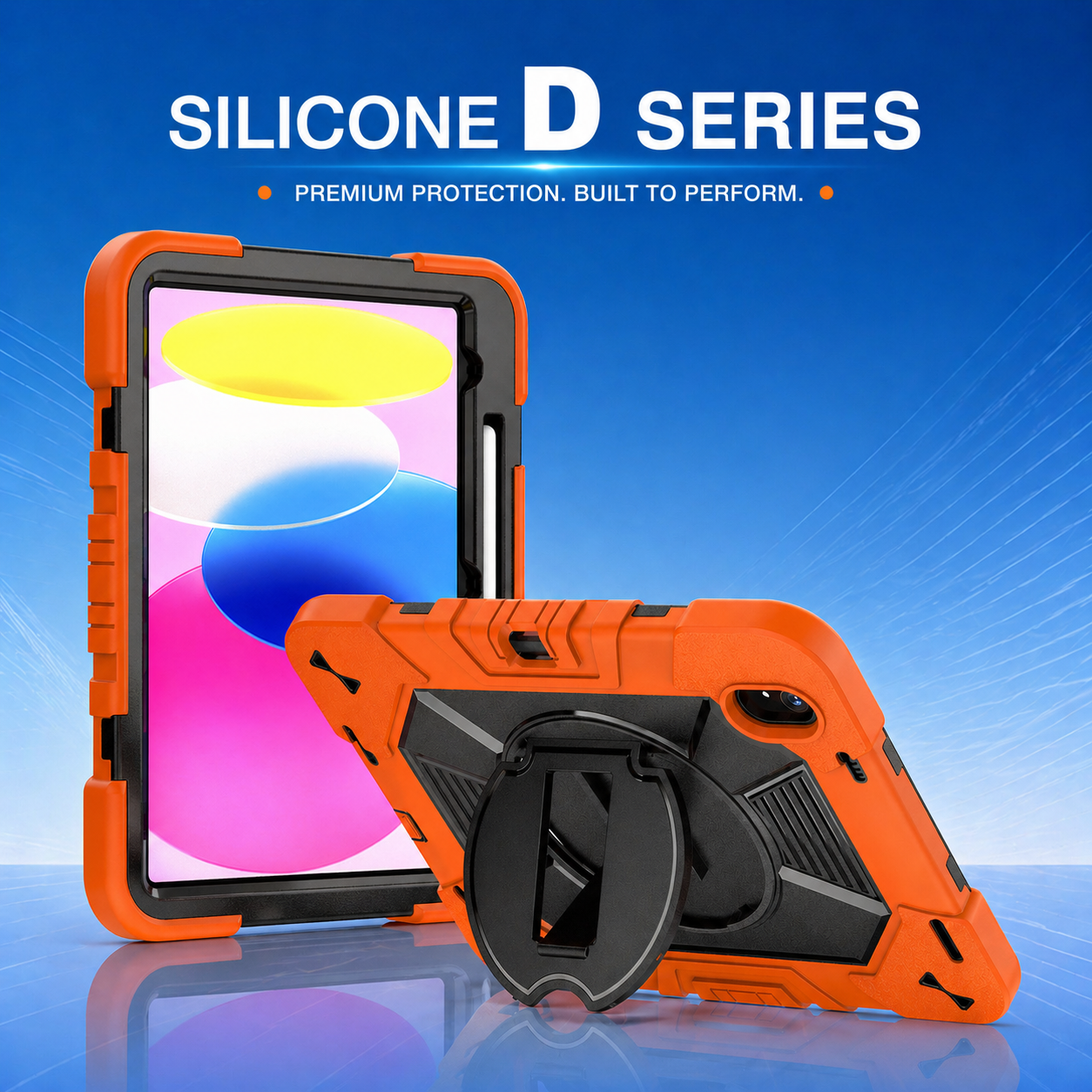
This shift has fueled growing demand for advanced solutions such as the 3 layers heavy duty rugged tablet case, shockproof iPad tablet case, and PC+Silicone tablet case. These products are helping businesses maximize device longevity while reducing maintenance and replacement costs.
The Growing Importance of Device Lifecycle Management
In the past, many organizations viewed tablets as short-term technology assets. Devices were often replaced every few years due to damage, wear, or declining performance.
Today, enterprise buyers are adopting a different approach.
Businesses now recognize that extending the lifespan of deployed devices can generate significant benefits:
Reduced capital expenditures
Lower repair costs
Improved return on investment
Greater operational stability
Enhanced sustainability performance
As a result, lifecycle management has become a strategic priority for IT departments and procurement teams alike.
Why Enterprise Environments Demand Better Protection
Unlike consumer devices used primarily in homes and offices, enterprise tablets often operate in challenging environments.
Common workplace risks include:
Accidental drops
Repeated impacts
Transportation between job sites
Dust and debris exposure
High-frequency daily usage
Shared-device operations
Without adequate protection, these factors can significantly shorten device lifespan.
Organizations increasingly understand that preventative protection is far more cost-effective than frequent repairs or replacements.
Multi-Layer Protection Is Becoming the Industry Standard
One of the most important developments in enterprise tablet protection is the adoption of multi-layer protective systems.
A 3 layers heavy duty rugged tablet case typically incorporates several protective components working together to defend the device against damage.
These layers often include:
Outer Impact Layer
Designed to absorb and disperse impact energy during drops.
Structural Reinforcement Layer
Provides rigidity and helps prevent device deformation.
Internal Cushioning Layer
Protects sensitive internal components from shock and vibration.
This layered approach significantly improves overall durability compared to traditional single-material designs.
As enterprise mobility programs continue to expand, multi-layer protection is becoming an increasingly common procurement requirement.
The Expanding Role of iPads in Business Operations
Apple iPads have gained widespread adoption across multiple industries.
Organizations use iPads for:
Inventory management
Healthcare documentation
Field inspections
Customer engagement
Sales presentations
Education and training
While iPads offer excellent performance and user experience, they also represent a significant investment.
To protect these valuable assets, many organizations are adopting the shockproof iPad tablet case.
These solutions help reduce the risk of costly screen damage, housing cracks, and operational disruptions caused by accidental drops.
As iPad deployments continue to grow, demand for specialized protection is expected to increase accordingly.
Material Innovation Is Shaping the Future
The future of enterprise tablet protection is closely tied to advances in material science.
Manufacturers are developing increasingly sophisticated protective systems using hybrid material technologies.
One popular example is the PC+Silicone tablet case.
This design combines:
Polycarbonate (PC)
Provides structural strength and impact distribution.
Silicone
Offers shock absorption and improved grip.
Together, these materials create a highly effective protection solution that balances durability, usability, and weight.
Future innovations are expected to build upon these hybrid approaches, delivering even greater protection with lighter and more sustainable designs.
Sustainability Is Influencing Procurement Decisions
Sustainability has become a major consideration for modern enterprises.
Organizations are under increasing pressure to:
Reduce electronic waste
Improve resource efficiency
Extend asset lifecycles
Lower environmental impact
Tablet protection plays an important role in achieving these objectives.
When devices remain functional for longer periods, businesses can reduce replacement frequency and minimize discarded electronics.
As environmental responsibility becomes a greater priority, durable protection solutions are expected to play an increasingly important role in procurement strategies.
The Economics of Long-Term Protection
Forward-thinking organizations are shifting their focus from purchase price to lifecycle value.
Although premium protective solutions may require higher upfront investment, they often deliver measurable financial benefits through:
Reduced repair incidents
Fewer device replacements
Lower support costs
Improved workforce productivity
Extended deployment periods
This approach aligns with broader enterprise efforts to optimize technology spending and maximize return on investment.
Emerging Technologies in Tablet Protection
Several innovations are expected to shape the next generation of enterprise tablet accessories.
Advanced Shock-Absorbing Materials
New polymer technologies may provide greater impact resistance while reducing overall weight.
Antimicrobial Surfaces
Healthcare and education sectors increasingly demand surfaces that support hygiene requirements.
Sustainable Materials
Manufacturers are exploring recyclable and environmentally friendly materials without compromising durability.
Smart Accessory Integration
Future protective cases may incorporate tracking technology, asset management features, and enhanced connectivity options.
These innovations will further strengthen the role of protective accessories within enterprise mobility ecosystems.
Future Outlook
The future of enterprise mobility depends not only on powerful devices but also on effective protection strategies.
As organizations continue investing in digital workflows, mobile productivity tools, and connected operations, device reliability will remain critical.
Solutions such as the 3 layers heavy duty rugged tablet case, shockproof iPad tablet case, and PC+Silicone tablet case are becoming essential components of long-term technology management strategies.
Organizations that prioritize protection today will be better positioned to reduce costs, improve operational efficiency, and maximize the value of their technology investments in the years ahead.
Conclusion
Enterprise tablet protection is evolving from a simple accessory category into a strategic business investment. Advanced protective solutions help organizations extend device lifespan, reduce operational risks, and support sustainability objectives.
As technology continues to transform the workplace, businesses will increasingly rely on innovative protection systems to safeguard their mobile assets. The growing adoption of multi-layer rugged designs, shockproof protection, and hybrid material technologies clearly indicates that device longevity will remain a top priority for enterprise buyers worldwide.





.png)
+86 13422271740
.png)
info@tongmeitech.com
.png)
No. 34, Mashe Section, Guihe Road, Lishui Town, Foshan, Guangdong, China