- 1
- BLACKL
- TABLETAPPLE iPad Mini 8NEW iPad A16(2025) iPad 10.9" 10th (2022) iPad 10.2" (7th/8th/9th) iPad Air 13" (M2/M3/M4)(2024/2025/2026)NEW iPad Air 11" (M2/M3/M4)(2024/2025/2026)NEW iPad Mini 8.3" (A7 Pro/6th Gen) iPad Pro13"(M4/M5)(2024/2025) iPad Pro11"(M4/M5)(2026) iPad 9.7" (5th/6th Gen) iPad Pro 12.9"(2018-2022) iPad Pro 11"(2018-2022) iPad 9.7"(2th/3th/4th) iPad Air 10.9"(4th/5th Gen) iPad Mini 7.9"(4th/5th Gen)SAMSUNG Galaxy Tab A11 Galaxy Tab A11 Plus Galaxy Tab S11 Galaxy Tab S12 PlusNEW Galaxy Tab S12 UltraNEW Galaxy Tab A9+ Galaxy Tab A9 Galaxy Tab A8 Galaxy Tab A7 Galaxy Tab A7 Lite Galaxy Tab S11 Ultra/S10 Ultra/S9 Ultra/S8 Ultra Galaxy Tab S10+/S9+/S9 FE+ Galaxy Tab S10Lite/S10 FE/S9 FE/S9 Galaxy Tab S8+/S7+/S7 FE Galaxy Tab S8/S7 Galaxy Tab S6 lite Galaxy Tab A10.1 Galaxy Tab A8.4 Galaxy Tab A8.0 Galaxy Tab S10 FE+LENOVO iDea tab 11/Tab K11 Gen 2 /Xiaoxin Pad 11 2025 Lenovo Tab K9 (Tab One) 2025 Lenovo Tab M10 10.1"(2025) Lenovo Tab M10 Plus 10.6" (3rd Gen) Lenovo Tab M10 HD 10.1" (3rd Gen) Lenovo K10/M10 Plus 10.3" (2nd Gen) Lenovo Tab M10 HD 10.1" (2nd Gen)XIAOMI Redmi Pad 2 9.7 InchNEW Xiaomi Pad8/8Pro 11.2" Redmi Pad2/Pad2.4G Xiaomi Pad 6/6 Pro 11" Redmi Pad 10.61" Redmi Pad Se 11" Redmi pad Se 4G 8.7" Xiaomi Pad7/7 Pro 11.2" Redmi Pad Pro/Xiaomi Poco Pad/Redmi Pad2 Pro 12.1HUAWEI Huawei Matepad Se 10.4" Huawei Matepad 11" Huawei Matepad 11.5" Huawei Matepad SE 11" Huawei Matepad T8 8" Huawei Matepad T10 9.7"
- CATEGORIES
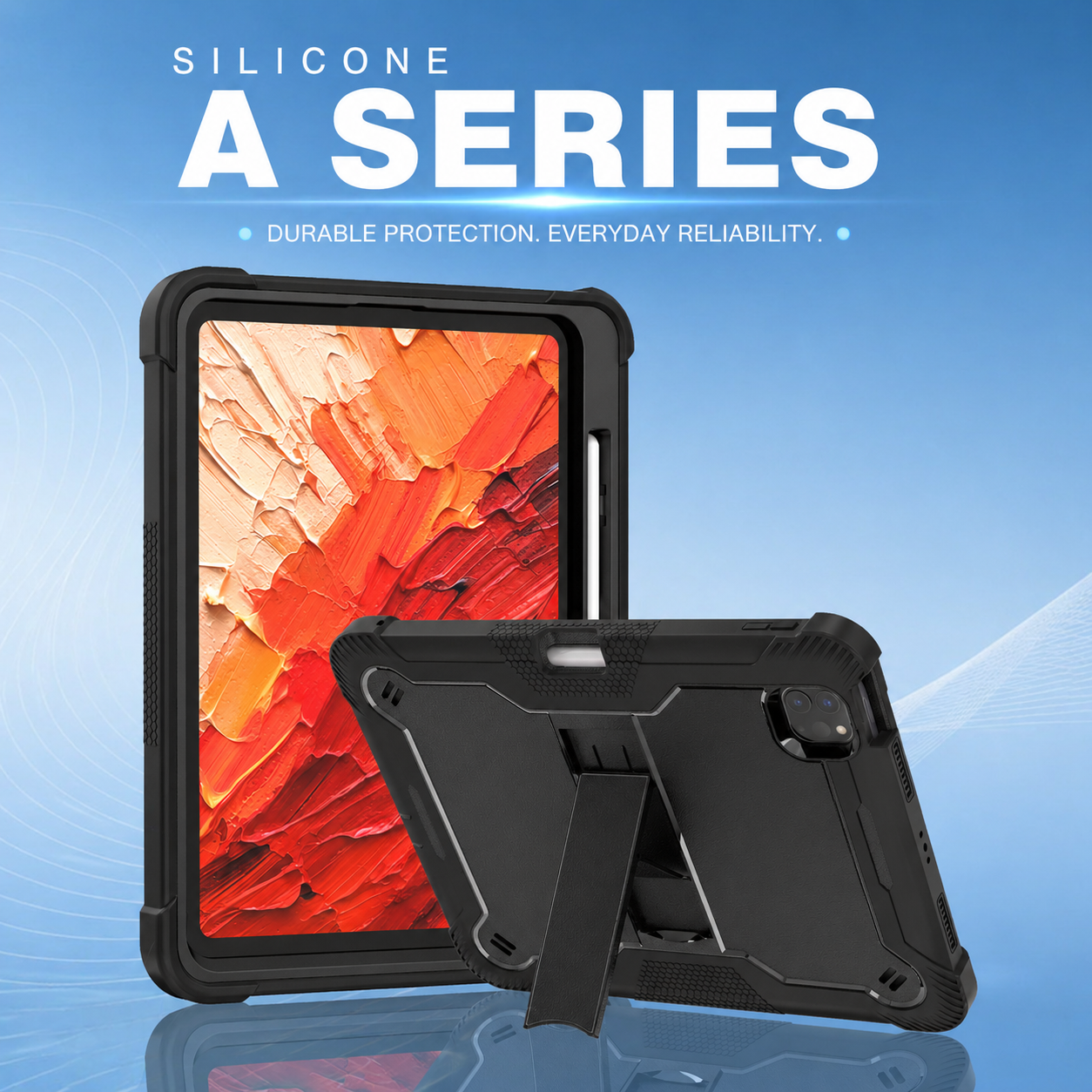
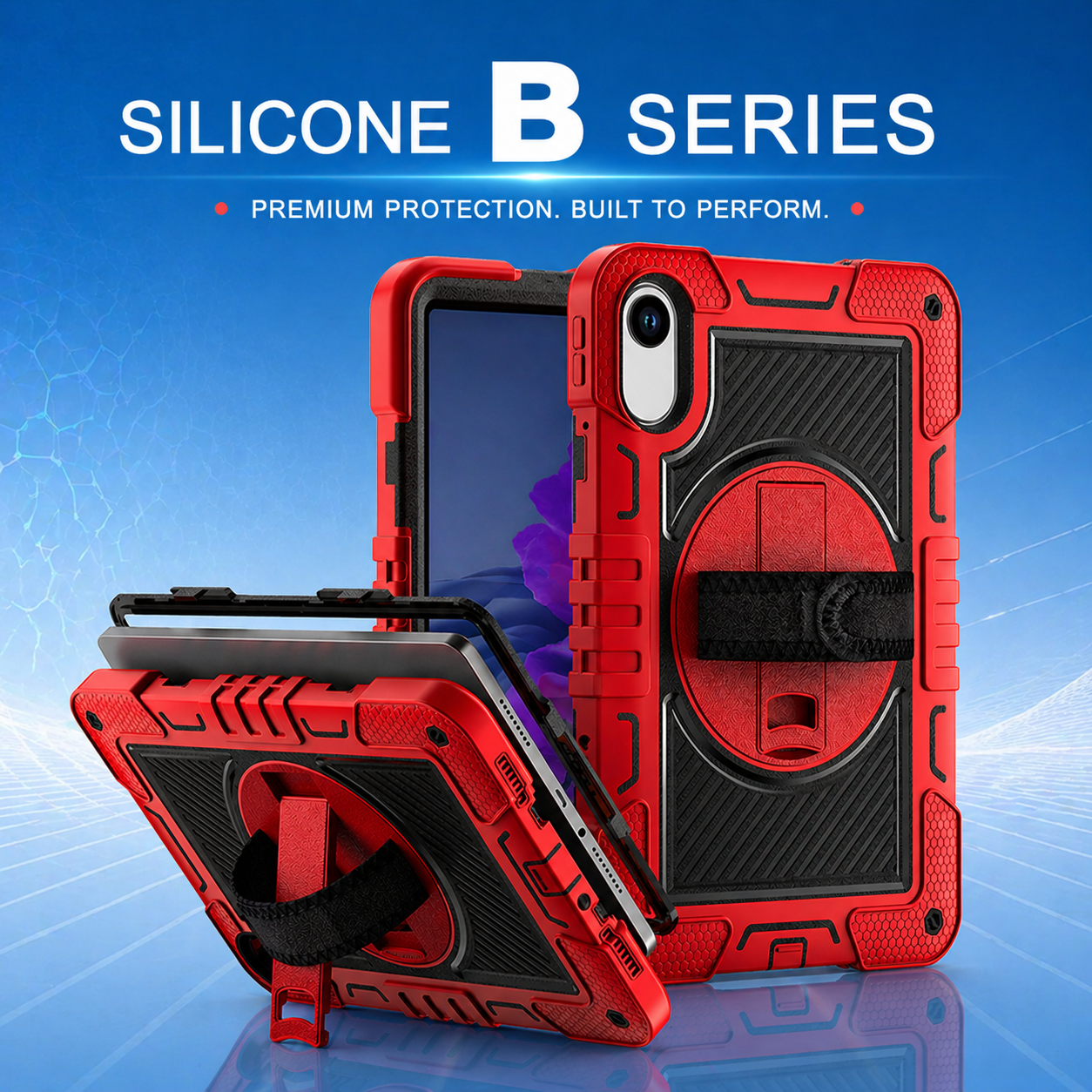
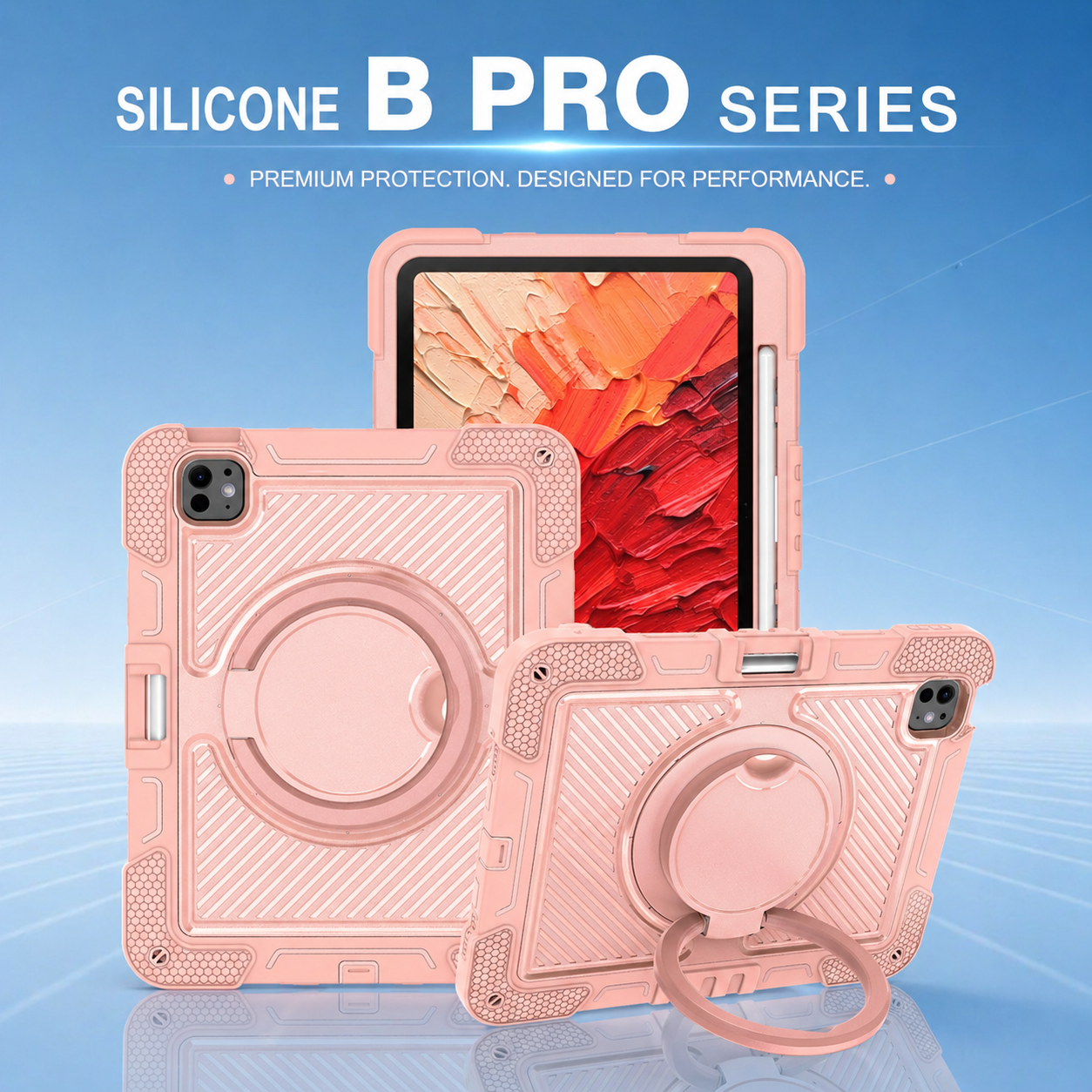
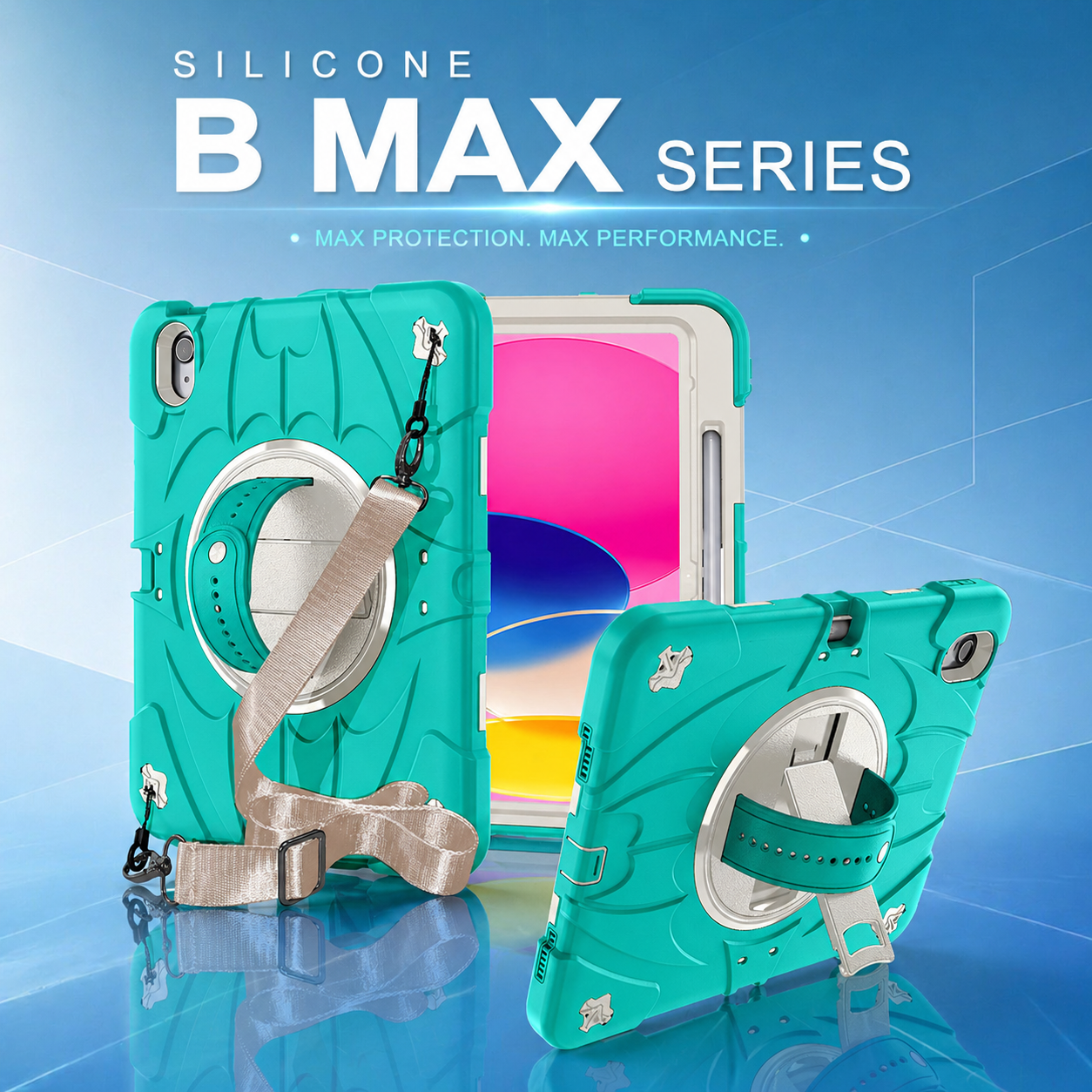
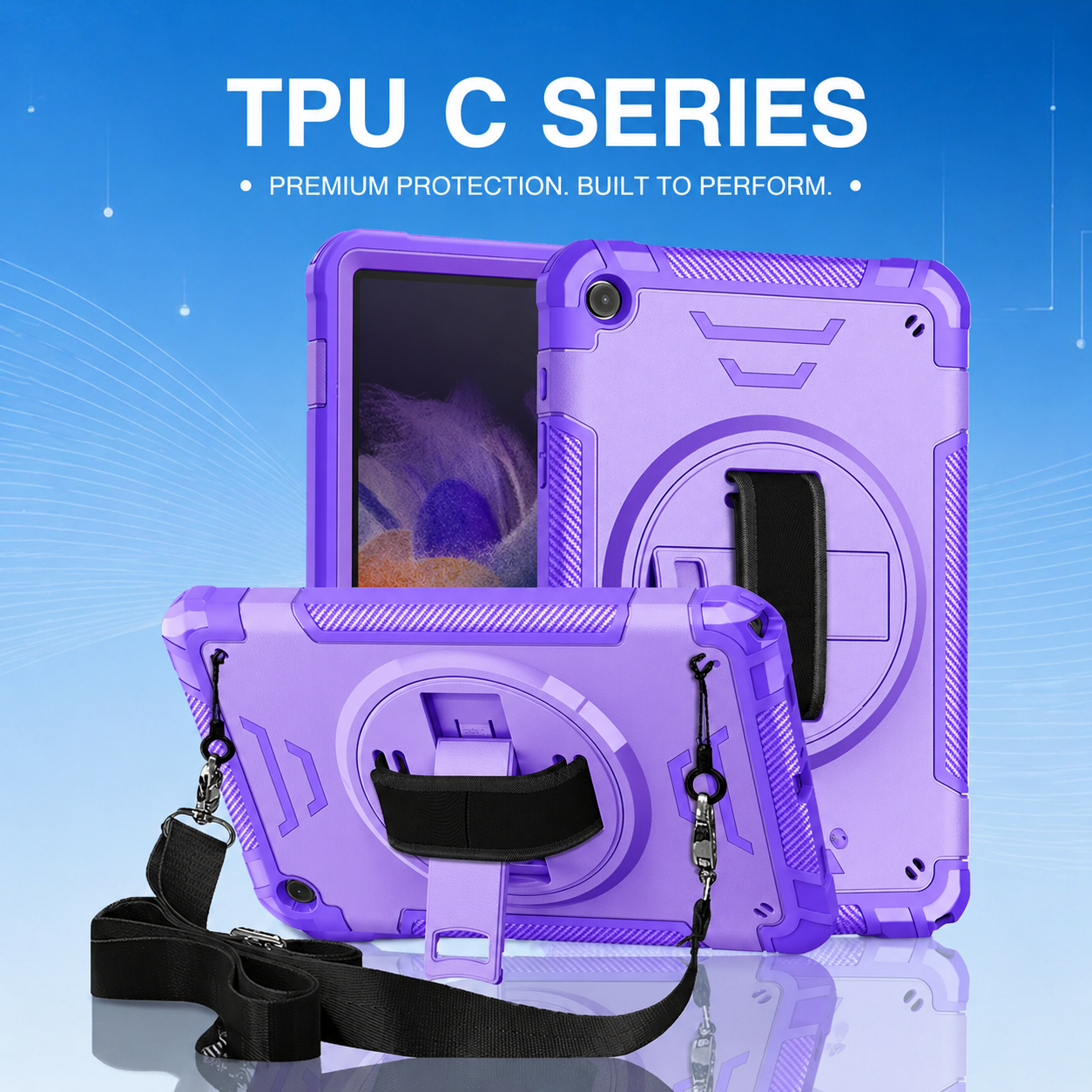
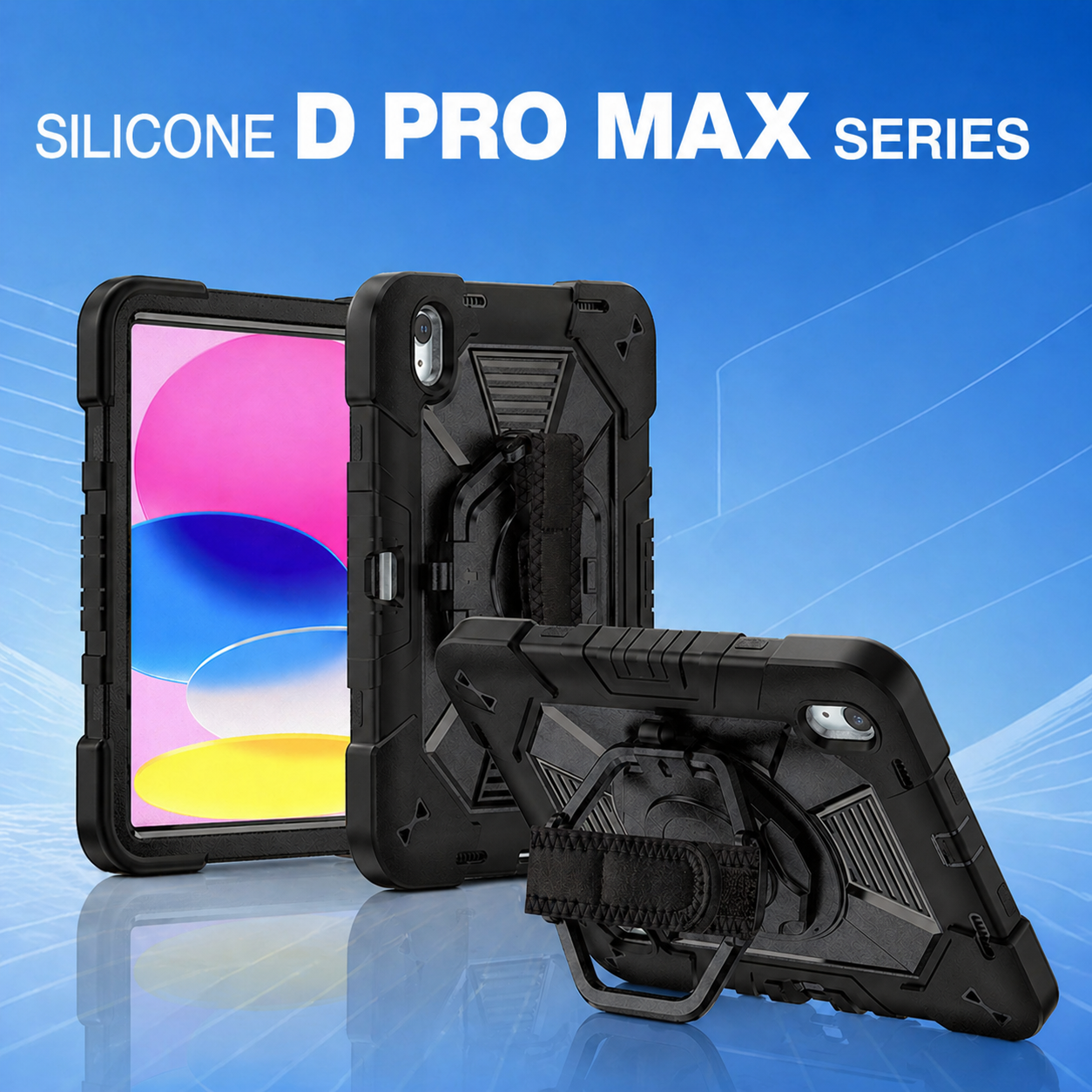
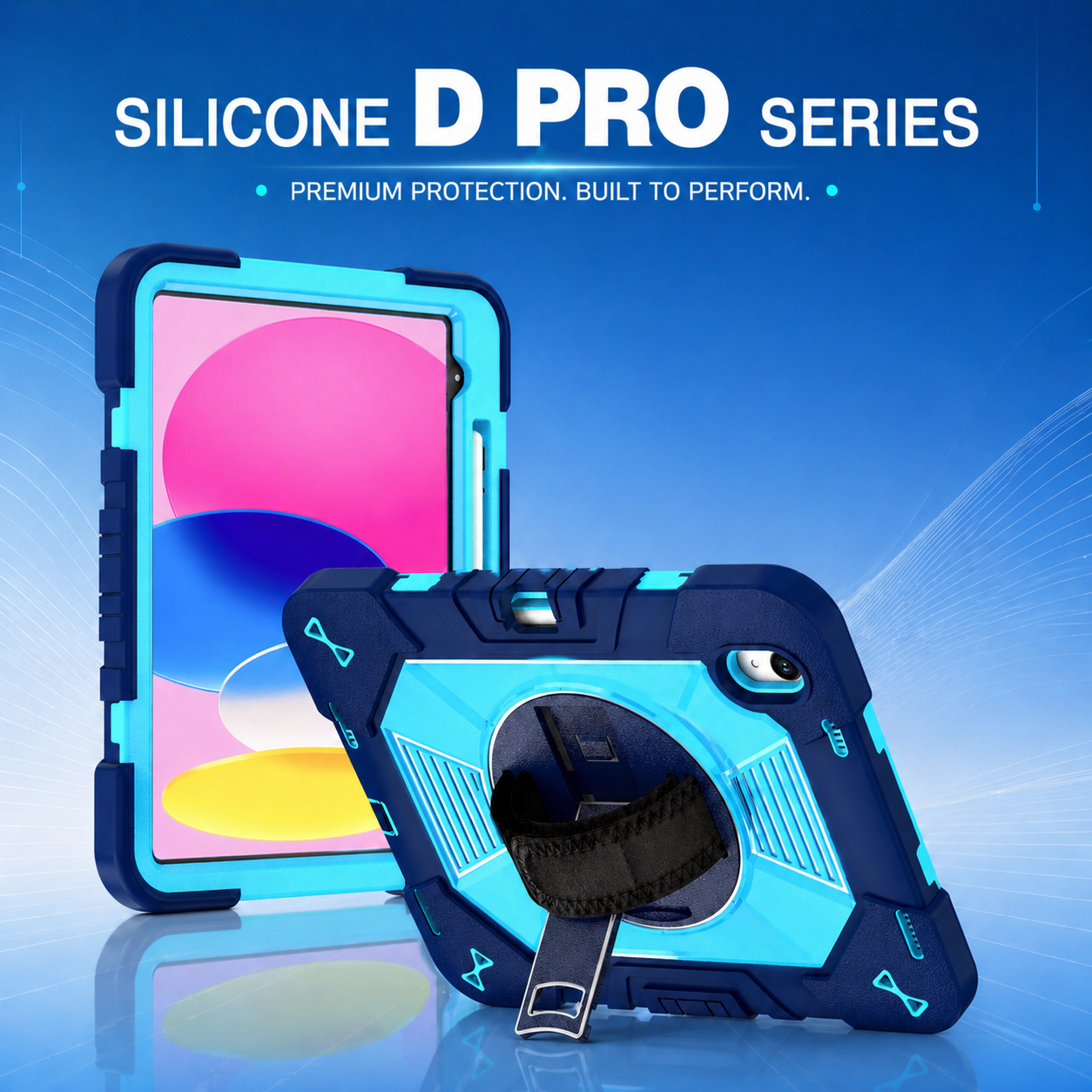
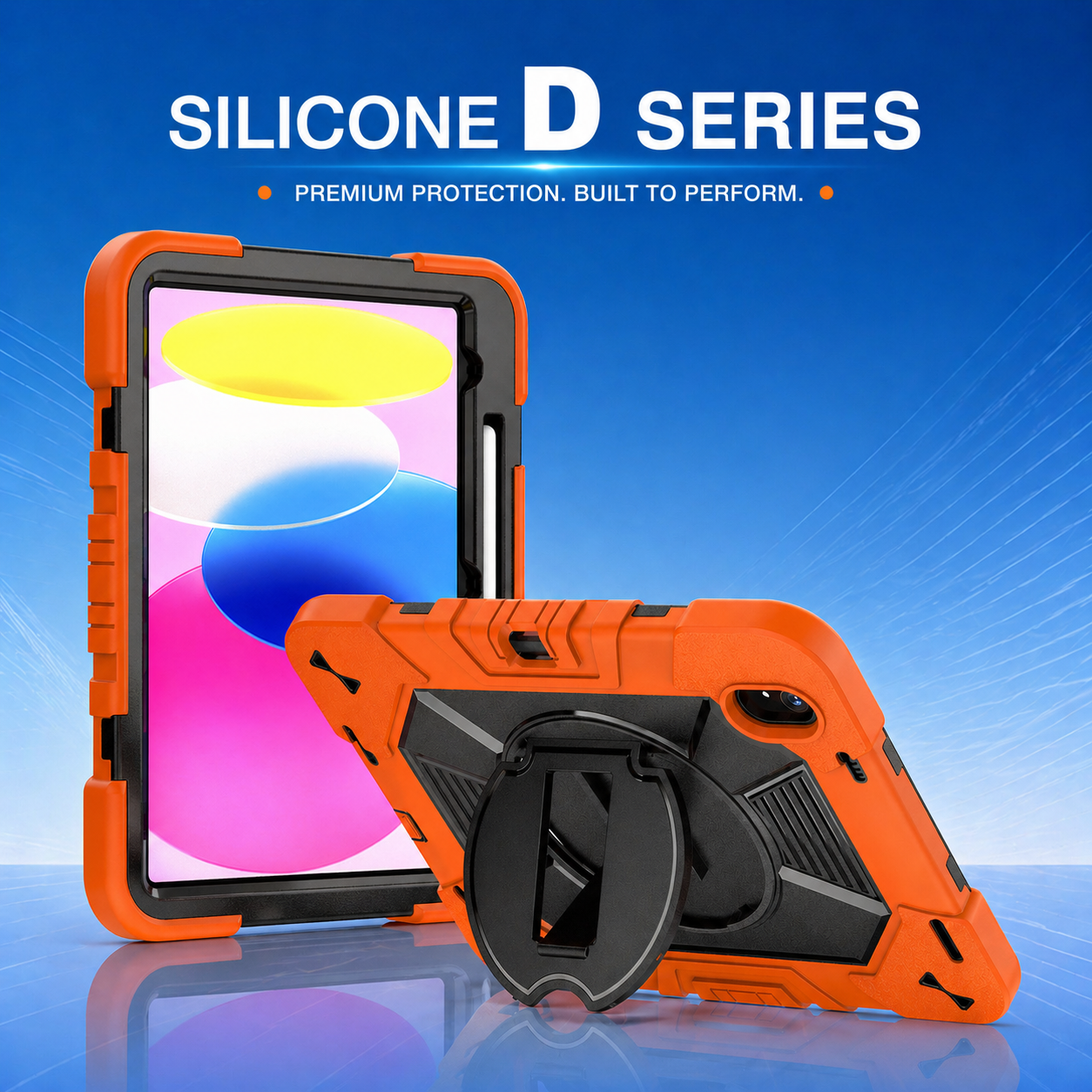

From Sample to Shipment: A Private-Label Rugged Tablet Case Rollout Plan
A private-label tablet protection program succeeds when product development and commercial execution move through controlled approval gates. Buyers often lose time by discussing logos, packaging, materials, and delivery dates in separate conversations without a single master specification. The result can be an attractive sample that cannot be reproduced efficiently or a production batch that meets the drawing but misses the launch schedule. A structured rollout plan aligns the buyer, factory, packaging vendors, inspectors, and logistics partners from the first brief to final shipment.
1. Convert the market idea into a product brief
Start with the target user, device model, sales channel, expected volume, target price, and launch date. Describe the operating environment and the problems the product must solve. A school distributor may need safe grip and color coding. A field-service program may require one-handed carrying, shoulder transport, and stable viewing on uneven surfaces. A retail brand may prioritize packaging efficiency, shelf appearance, and clear feature communication.
Protection: Define drop conditions, raised edges, corner reinforcement, screen coverage, and button protection.
Function: Define stand angles, hand strap, shoulder strap, stylus storage, charging access, and camera use.
Branding: Define logo method, color references, labels, inserts, cartons, barcodes, and language versions.
A heavy duty rugged Case should be specified through measurable requirements rather than a visual reference alone. Include drawings, tablet samples or verified device data, accessory expectations, and acceptance criteria.
2. Select the fastest appropriate development route
Private-label projects generally follow one of three paths. A stock product with custom packaging is the fastest and requires the least investment. A modified product may add a logo plate, color, strap, stand, or insert while retaining the main tooling. A fully customized enclosure provides the strongest differentiation but requires design reviews, tooling, testing, and a longer schedule.
Stock route: Best for market testing, lower quantities, and urgent launches.
Modified route: Best when the existing structure is suitable but the feature set or brand presentation needs adjustment.
Custom route: Best for long-life device programs, exclusive requirements, or higher forecast volume.
Choose the route based on business risk, not only unit price. Tooling can lower long-term cost and improve fit, but it is not efficient when device demand is uncertain or the launch window is very short.
3. Control sampling with formal approval gates
Separate appearance approval from functional approval. An early prototype may confirm general shape and access, while a tooling sample confirms molding, texture, color, assembly, and production feasibility. Record every revision in a sample log with a date, version, open issues, responsible party, and decision.
For a full body protective tablet case, sample review should cover screen-frame engagement, camera clearance, button response, port access, speaker output, microphone paths, heat dissipation, and installation force. Accessories need their own tests. A multi angle kickstand tablet case should be evaluated at every intended position, in portrait and landscape orientations, after repeated opening cycles.
Golden sample: Sign and seal the final approved unit for production reference.
Master data: Approve the bill of materials, drawings, color standards, logo files, packaging artwork, and test plan.
Deviation control: Require written authorization before any material, process, component, or appearance change.
4. Prepare production before issuing the full order
Confirm material lead times, tooling readiness, production capacity, packaging availability, and inspection resources. The factory should provide a production schedule that shows material receipt, molding, secondary processing, assembly, packing, inspection, and shipment. Identify critical-path items such as custom colors, metal stands, printed straps, retail boxes, or special inserts.
A pilot batch is valuable because it tests the real line rather than a sample room. Use it to confirm cycle times, assembly instructions, defect patterns, packaging protection, carton quantities, barcode scanning, and loading efficiency. Resolve pilot findings before full-volume production and update the specification when an approved improvement is made.
5. Build quality control into the purchase agreement
Define incoming checks, first-piece approval, in-process inspection, final inspection, and lot traceability. State the sampling level or inspection method, defect classifications, and acceptance rules. Typical critical checks include device fit, cracked components, blocked ports, unsafe edges, failed straps, unstable stands, incorrect labels, and mixed models.
Performance: Drop sequence, stand cycles, strap load, button cycles, abrasion, and installation-removal tests.
Appearance: Color, logo position, texture, flash, scratches, gaps, deformation, and contamination.
Packaging: Correct accessories, instructions, labels, carton marks, protective spacing, and transport resistance.
Agree in advance on how rejected goods, rework, replacement units, spare parts, and urgent corrections will be handled. Clear rules protect both parties and shorten response time.
6. Coordinate shipment and post-launch support
Before shipment, verify quantities by model and color, inspection status, carton dimensions, gross weight, shipping marks, export documents, and booking details. Keep approved production samples and inspection photos. For staggered launches, define which regions or customers receive each batch and how packaging versions are separated.
After launch, collect feedback by defect type, user group, and device model. Distinguish product defects from installation errors, device variation, or misuse. Share evidence with the supplier and require corrective action for recurring issues. Maintain a spare-unit and accessory plan so that end customers do not wait for the next full production run.
Final rollout principle
The most reliable private-label programs use one source of truth: a controlled specification that connects the product brief, approved sample, bill of materials, test plan, packaging files, production schedule, and inspection standard. Each approval gate should reduce uncertainty before more money and time are committed.
Complete the rollout by returning to the wholesale supplier scorecard and reviewing the manufacturer against the evidence collected during development. A successful shipment is not the end of the project; it is the start of a repeatable supply program built on documented specifications, traceable quality, and responsive support.





.png)
+86 13422271740
.png)
info@tongmeitech.com
.png)
No. 34, Mashe Section, Guihe Road, Lishui Town, Foshan, Guangdong, China