- 1
- BLACKL
- TABLETAPPLE iPad Mini 8NEW iPad A16(2025) iPad 10.9" 10th (2022) iPad 10.2" (7th/8th/9th) iPad Air 13" (M2/M3/M4)(2024/2025/2026)NEW iPad Air 11" (M2/M3/M4)(2024/2025/2026)NEW iPad Mini 8.3" (A7 Pro/6th Gen) iPad Pro13"(M4/M5)(2024/2025) iPad Pro11"(M4/M5)(2026) iPad 9.7" (5th/6th Gen) iPad Pro 12.9"(2018-2022) iPad Pro 11"(2018-2022) iPad 9.7"(2th/3th/4th) iPad Air 10.9"(4th/5th Gen) iPad Mini 7.9"(4th/5th Gen)SAMSUNG Galaxy Tab A11 Galaxy Tab A11 Plus Galaxy Tab S11 Galaxy Tab S12 PlusNEW Galaxy Tab S12 UltraNEW Galaxy Tab A9+ Galaxy Tab A9 Galaxy Tab A8 Galaxy Tab A7 Galaxy Tab A7 Lite Galaxy Tab S11 Ultra/S10 Ultra/S9 Ultra/S8 Ultra Galaxy Tab S10+/S9+/S9 FE+ Galaxy Tab S10Lite/S10 FE/S9 FE/S9 Galaxy Tab S8+/S7+/S7 FE Galaxy Tab S8/S7 Galaxy Tab S6 lite Galaxy Tab A10.1 Galaxy Tab A8.4 Galaxy Tab A8.0 Galaxy Tab S10 FE+LENOVO iDea tab 11/Tab K11 Gen 2 /Xiaoxin Pad 11 2025 Lenovo Tab K9 (Tab One) 2025 Lenovo Tab M10 10.1"(2025) Lenovo Tab M10 Plus 10.6" (3rd Gen) Lenovo Tab M10 HD 10.1" (3rd Gen) Lenovo K10/M10 Plus 10.3" (2nd Gen) Lenovo Tab M10 HD 10.1" (2nd Gen)XIAOMI Redmi Pad 2 9.7 InchNEW Xiaomi Pad8/8Pro 11.2" Redmi Pad2/Pad2.4G Xiaomi Pad 6/6 Pro 11" Redmi Pad 10.61" Redmi Pad Se 11" Redmi pad Se 4G 8.7" Xiaomi Pad7/7 Pro 11.2" Redmi Pad Pro/Xiaomi Poco Pad/Redmi Pad2 Pro 12.1HUAWEI Huawei Matepad Se 10.4" Huawei Matepad 11" Huawei Matepad 11.5" Huawei Matepad SE 11" Huawei Matepad T8 8" Huawei Matepad T10 9.7"
- CATEGORIES
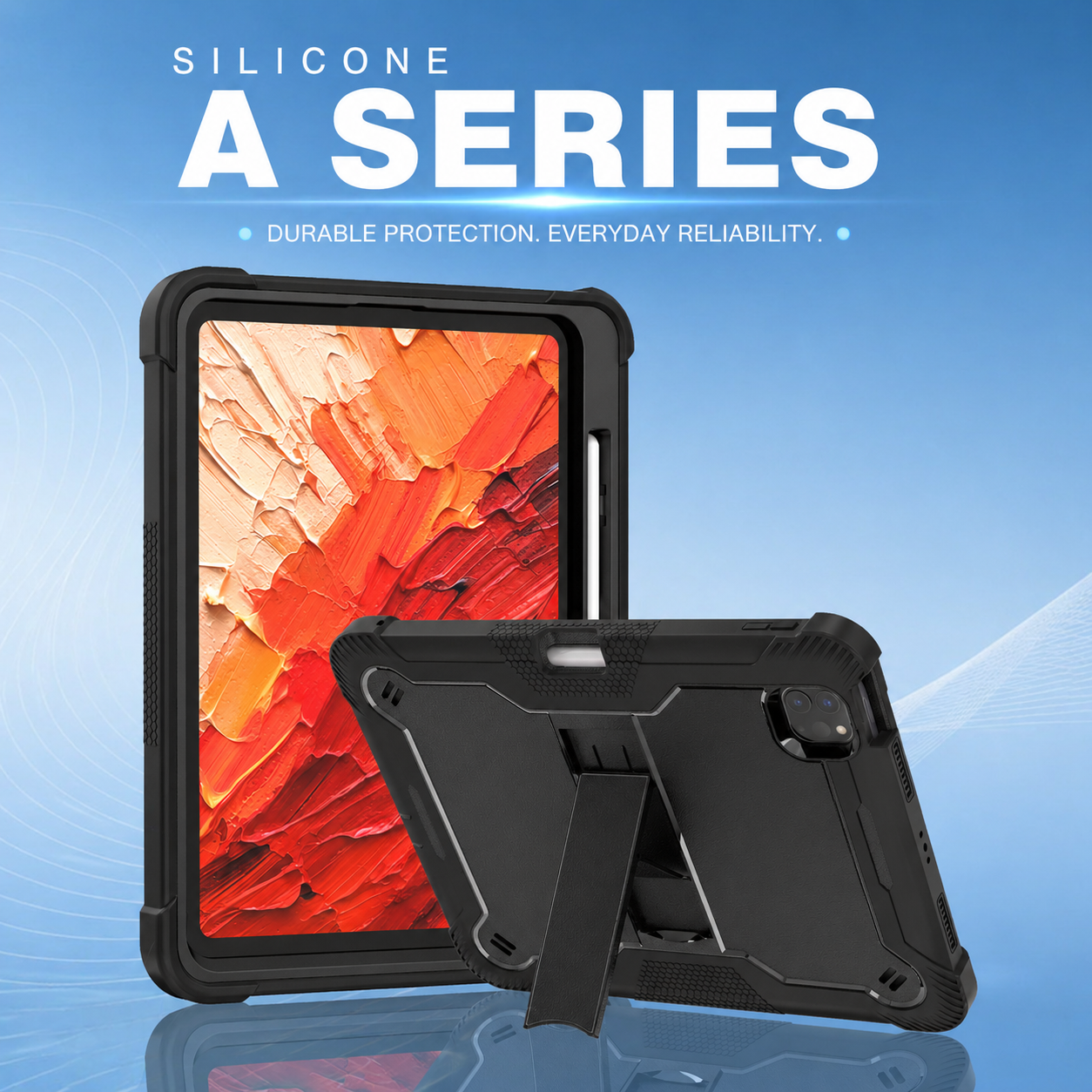
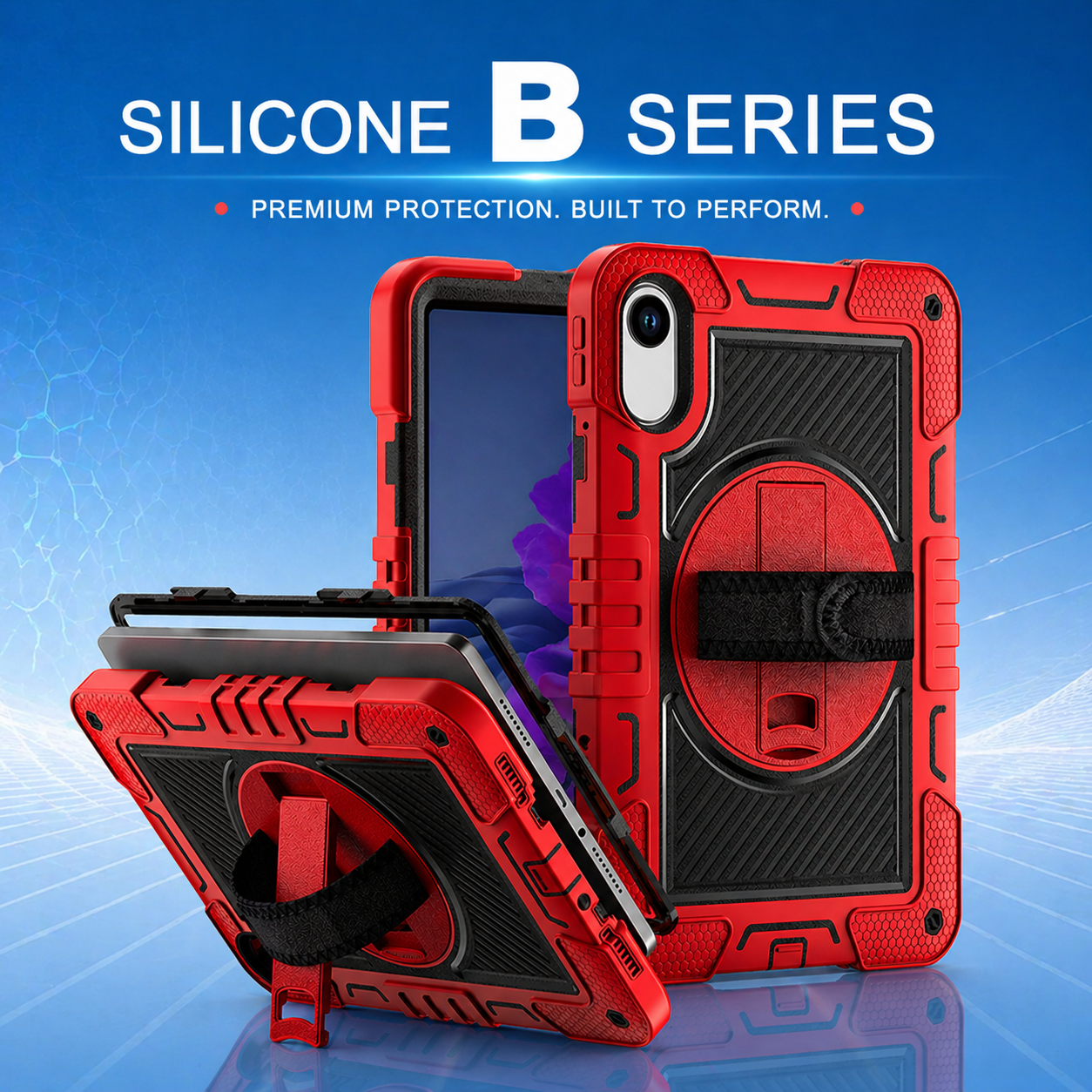
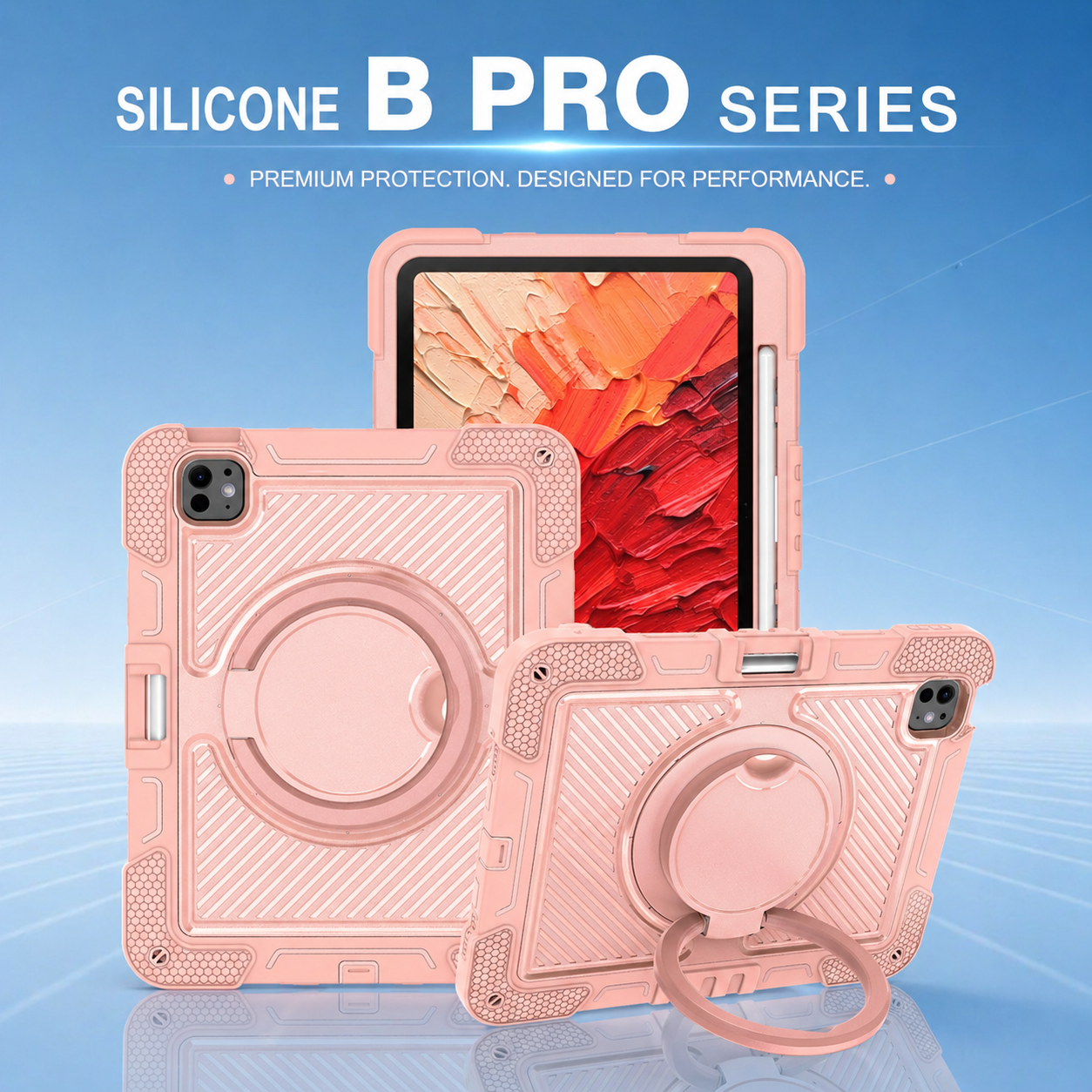
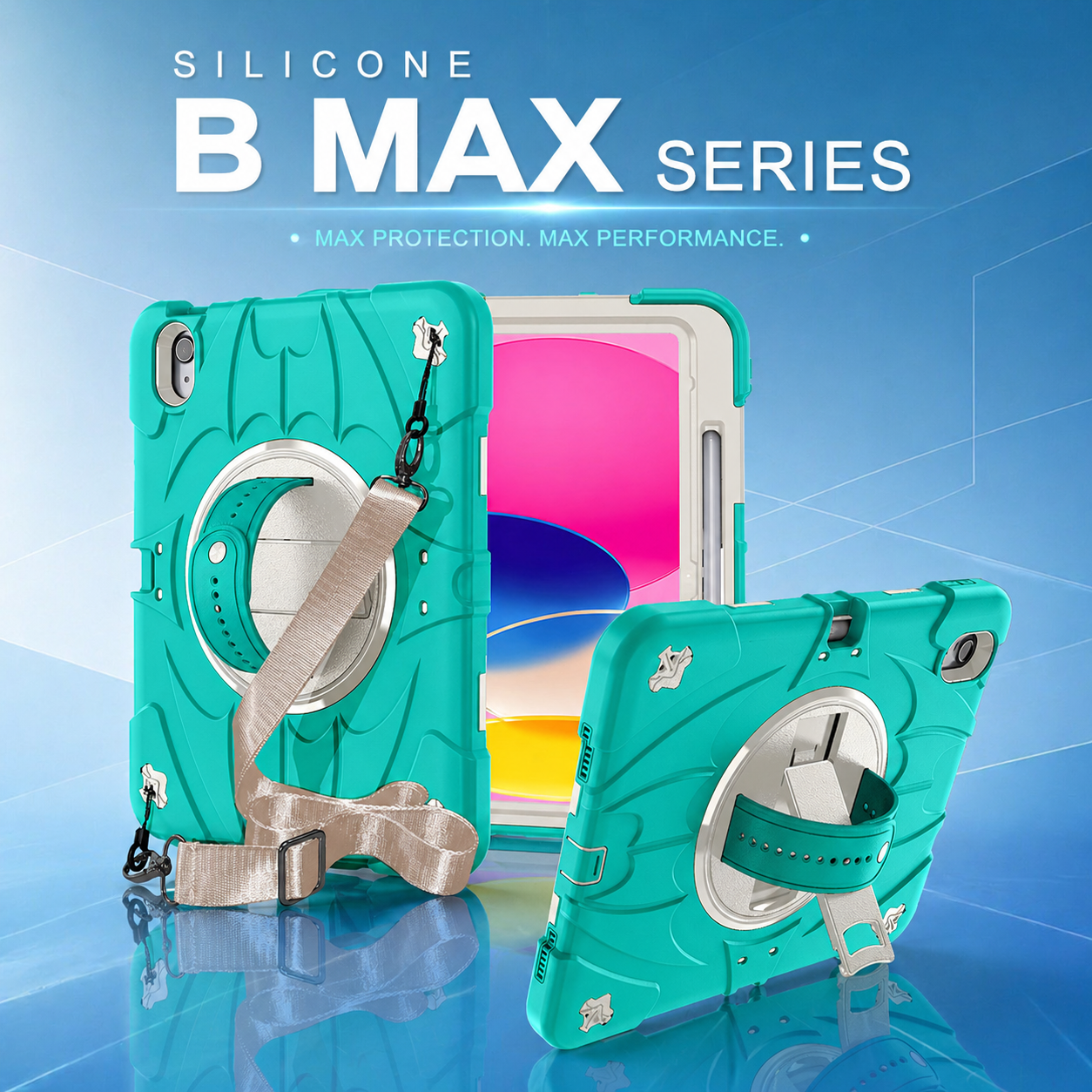

1. Why Engineering Matters in Tablet Case Design
In the European industrial market, tablet protection is no longer a simple accessory category. It has evolved into a technical engineering field driven by performance requirements.
The rise of mobile computing in logistics, manufacturing, and healthcare has made the rugged tablet case a critical protective component rather than a decorative item.
Modern buyers evaluate cases based on drop resistance, thermal stability, and material composition.
2. Core Materials Used in Rugged Tablet Case Manufacturing
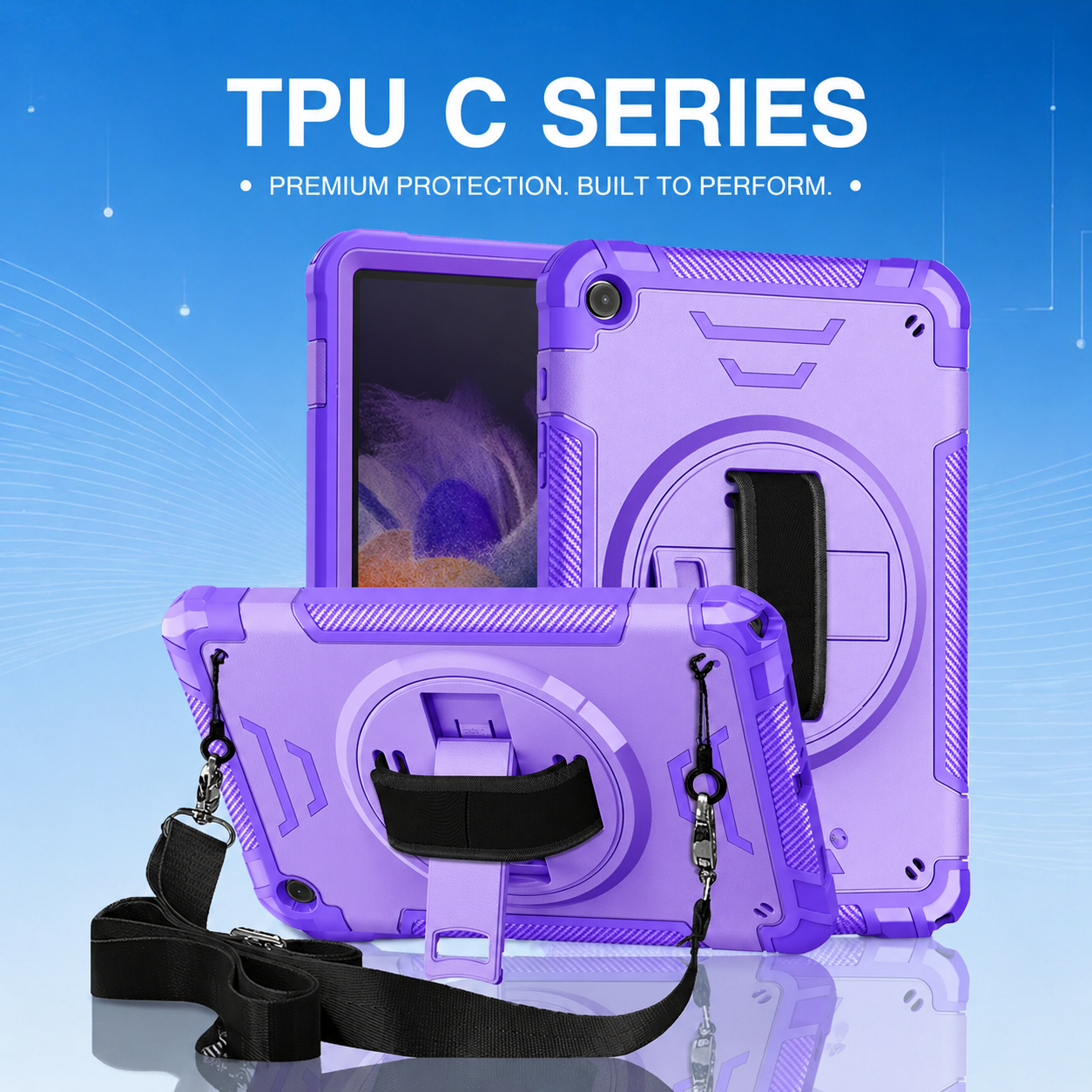
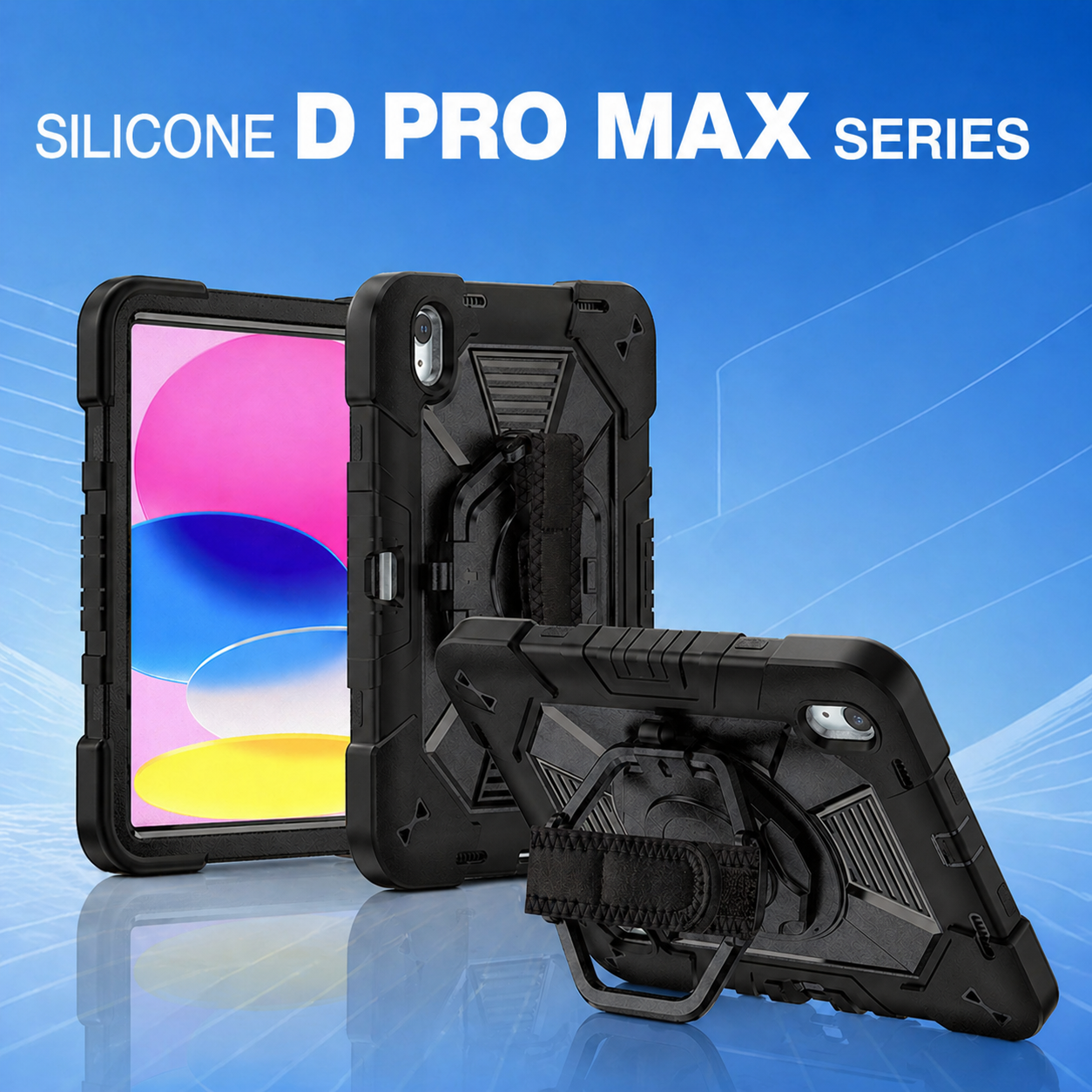
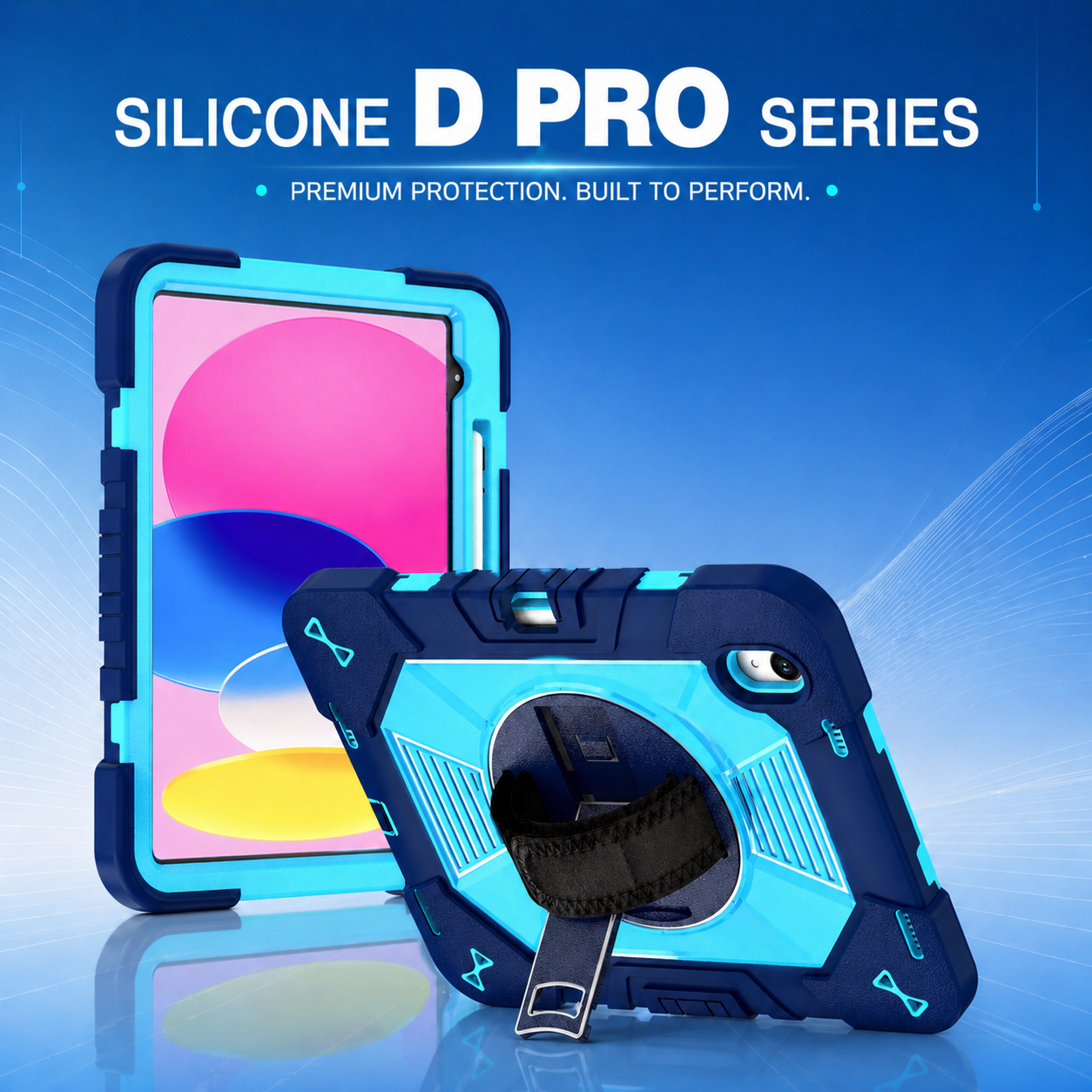
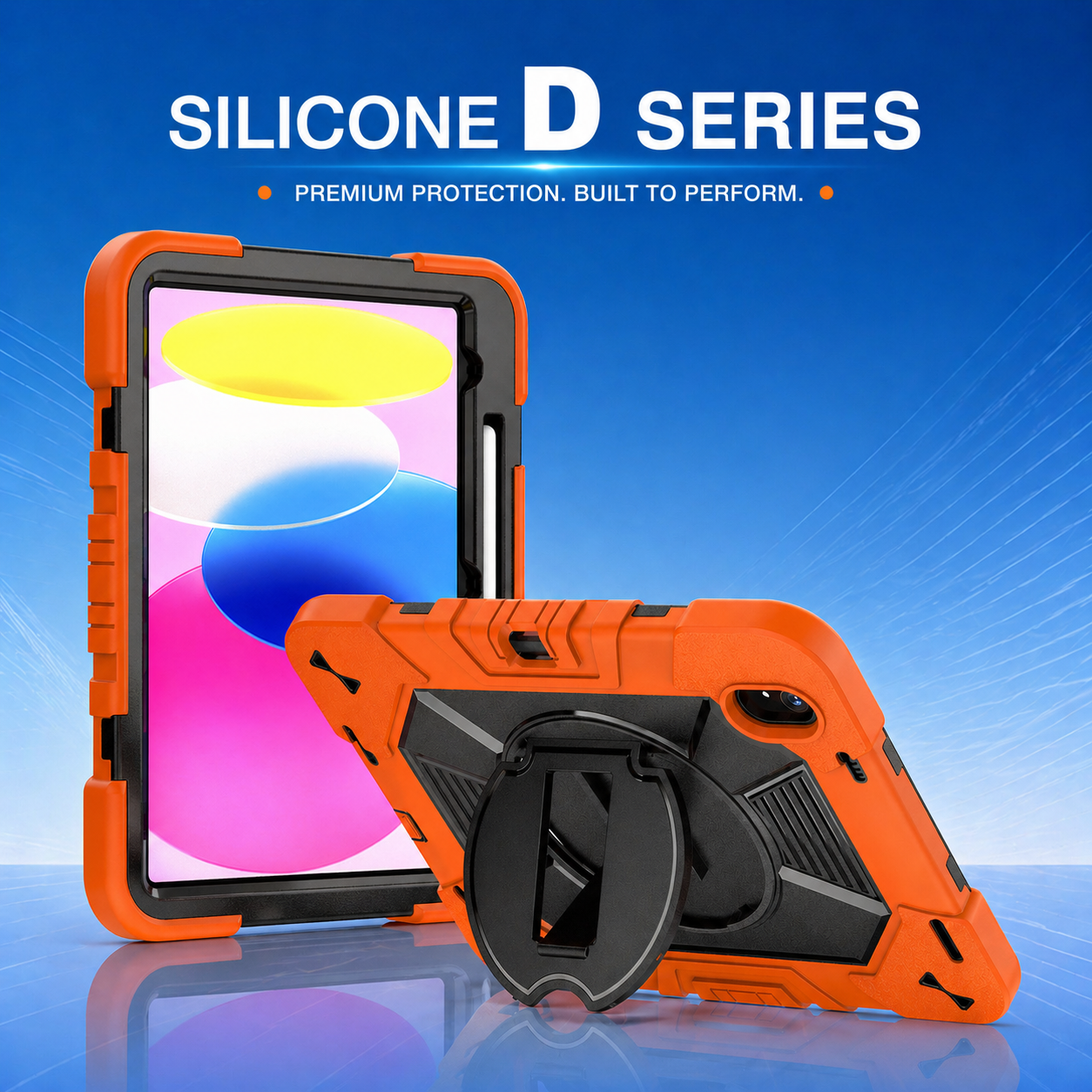
The performance of a rugged tablet case depends heavily on the materials used in its construction.
Polycarbonate (PC)
Polycarbonate is widely used for outer shells due to its high impact resistance and rigidity. It forms the structural backbone of many protective cases.
Thermoplastic Polyurethane (TPU)
TPU is flexible and shock-absorbing, often used in inner layers to reduce vibration damage.
Silicone Composites
Silicone materials provide grip and additional shock absorption, especially useful in handheld industrial environments.
Reinforced Aluminum Frames
High-end rugged tablet case designs often incorporate aluminum to improve structural integrity while maintaining lightweight performance.

3. Multi-Layer Protection Systems
Modern tablet case engineering relies on multi-layer protection structures.
A typical rugged tablet case includes:
Outer hard shell (impact resistance)
Inner shock-absorbing layer (vibration control)
Reinforced corners (drop protection zones)
Sealed edges (dust and moisture protection)
This layered approach significantly increases device survival rates in industrial environments.
4. European Industrial Standards and Testing Requirements
European markets enforce strict product safety and durability standards.
To qualify for industrial use, a rugged tablet case must often pass:
Drop tests from multiple heights
Temperature resistance evaluations
Vibration endurance testing
Dust and water resistance certification
These requirements ensure that products meet the expectations of logistics, construction, and field service industries.
5. Innovation Trends in Rugged Tablet Case Engineering
The next generation of rugged tablet case products is being shaped by innovation in material science and smart integration.
Key trends include:
Lightweight composite materials replacing traditional plastics
Modular case designs with attachable accessories
Integration of IoT tracking modules
Improved heat dissipation systems for extended device use
These innovations are particularly important for European industrial users who rely on mobile devices in extreme conditions.

6. Conclusion
The engineering behind tablet protection has become a key competitive factor in the European market.
As demand for rugged tablet case solutions continues to grow, material science and structural innovation will define the next generation of products.
Manufacturers who invest in advanced engineering will lead the future of industrial mobile protection systems.
🧾 SEO Keyword Set
rugged tablet case, tablet case materials, industrial tablet protection engineering, polycarbonate tablet case, TPU tablet case, silicone tablet cover, aluminum tablet frame, shockproof tablet case design, waterproof tablet case engineering, device protection materials, tablet case manufacturing Europe, industrial mobility engineering, B2B tablet protection solutions, rugged device engineering Europe, tablet durability testing, drop resistant tablet case, vibration resistant tablet case, thermal resistant tablet case, industrial device protection Europe, enterprise tablet case design, logistics tablet protection systems, warehouse device protection, construction tablet case engineering, field service tablet protection tools, mobile workforce device protection, OEM tablet case engineering, custom rugged tablet case design, multi-layer tablet case structure, protective case engineering Europe, advanced tablet case materials, tech accessory engineering Europe, industrial grade tablet enclosure, enterprise hardware protection systems, tablet case innovation Europe, durable mobile device engineering, cross-industry tablet protection, EU device safety standards, rugged mobility engineering, tablet enclosure material science, professional tablet protection design






.png)
+86 13422271740
.png)
info@tongmeitech.com
.png)
No. 34, Mashe Section, Guihe Road, Lishui Town, Foshan, Guangdong, China