- 1
- BLACKL
- TABLETAPPLE iPad Mini 8NEW iPad A16(2025) iPad 10.9" 10th (2022) iPad 10.2" (7th/8th/9th) iPad Air 13" (M2/M3/M4)(2024/2025/2026)NEW iPad Air 11" (M2/M3/M4)(2024/2025/2026)NEW iPad Mini 8.3" (A7 Pro/6th Gen) iPad Pro13"(M4/M5)(2024/2025) iPad Pro11"(M4/M5)(2026) iPad 9.7" (5th/6th Gen) iPad Pro 12.9"(2018-2022) iPad Pro 11"(2018-2022) iPad 9.7"(2th/3th/4th) iPad Air 10.9"(4th/5th Gen) iPad Mini 7.9"(4th/5th Gen)SAMSUNG Galaxy Tab A11 Galaxy Tab A11 Plus Galaxy Tab S11 Galaxy Tab S12 PlusNEW Galaxy Tab S12 UltraNEW Galaxy Tab A9+ Galaxy Tab A9 Galaxy Tab A8 Galaxy Tab A7 Galaxy Tab A7 Lite Galaxy Tab S11 Ultra/S10 Ultra/S9 Ultra/S8 Ultra Galaxy Tab S10+/S9+/S9 FE+ Galaxy Tab S10Lite/S10 FE/S9 FE/S9 Galaxy Tab S8+/S7+/S7 FE Galaxy Tab S8/S7 Galaxy Tab S6 lite Galaxy Tab A10.1 Galaxy Tab A8.4 Galaxy Tab A8.0 Galaxy Tab S10 FE+LENOVO iDea tab 11/Tab K11 Gen 2 /Xiaoxin Pad 11 2025 Lenovo Tab K9 (Tab One) 2025 Lenovo Tab M10 10.1"(2025) Lenovo Tab M10 Plus 10.6" (3rd Gen) Lenovo Tab M10 HD 10.1" (3rd Gen) Lenovo K10/M10 Plus 10.3" (2nd Gen) Lenovo Tab M10 HD 10.1" (2nd Gen)XIAOMI Redmi Pad 2 9.7 InchNEW Xiaomi Pad8/8Pro 11.2" Redmi Pad2/Pad2.4G Xiaomi Pad 6/6 Pro 11" Redmi Pad 10.61" Redmi Pad Se 11" Redmi pad Se 4G 8.7" Xiaomi Pad7/7 Pro 11.2" Redmi Pad Pro/Xiaomi Poco Pad/Redmi Pad2 Pro 12.1HUAWEI Huawei Matepad Se 10.4" Huawei Matepad 11" Huawei Matepad 11.5" Huawei Matepad SE 11" Huawei Matepad T8 8" Huawei Matepad T10 9.7"
- CATEGORIES

The Total Cost of Ownership Case for Rugged Healthcare Tablet Protection
Healthcare technology budgets often focus on tablet purchase price, software licenses, networking, and mobile-device management. Protective accessories may receive less attention because they represent a smaller line item. However, #DeviceProtection can significantly influence the real cost of operating a tablet fleet across hospitals, clinics, laboratories, pharmacies, care homes, and mobile health programs.
A damaged tablet creates costs that extend far beyond the repair invoice. Device downtime, staff disruption, IT labor, replacement logistics, reconfiguration, data-security procedures, and procurement delays all contribute to total cost of ownership.
1. The visible cost is only the beginning
When a tablet screen breaks, the organization may pay for parts and repair labor. The less visible costs can be larger. Staff must report the issue, IT must assess the device, a spare must be located, applications may need to be restored, and the replacement must be returned to the correct user or department.
If no spare is available, clinicians may share devices or return to stationary workstations. This can delay documentation and reduce the value of the original mobile technology investment.
2. Multi-layer construction reduces common damage
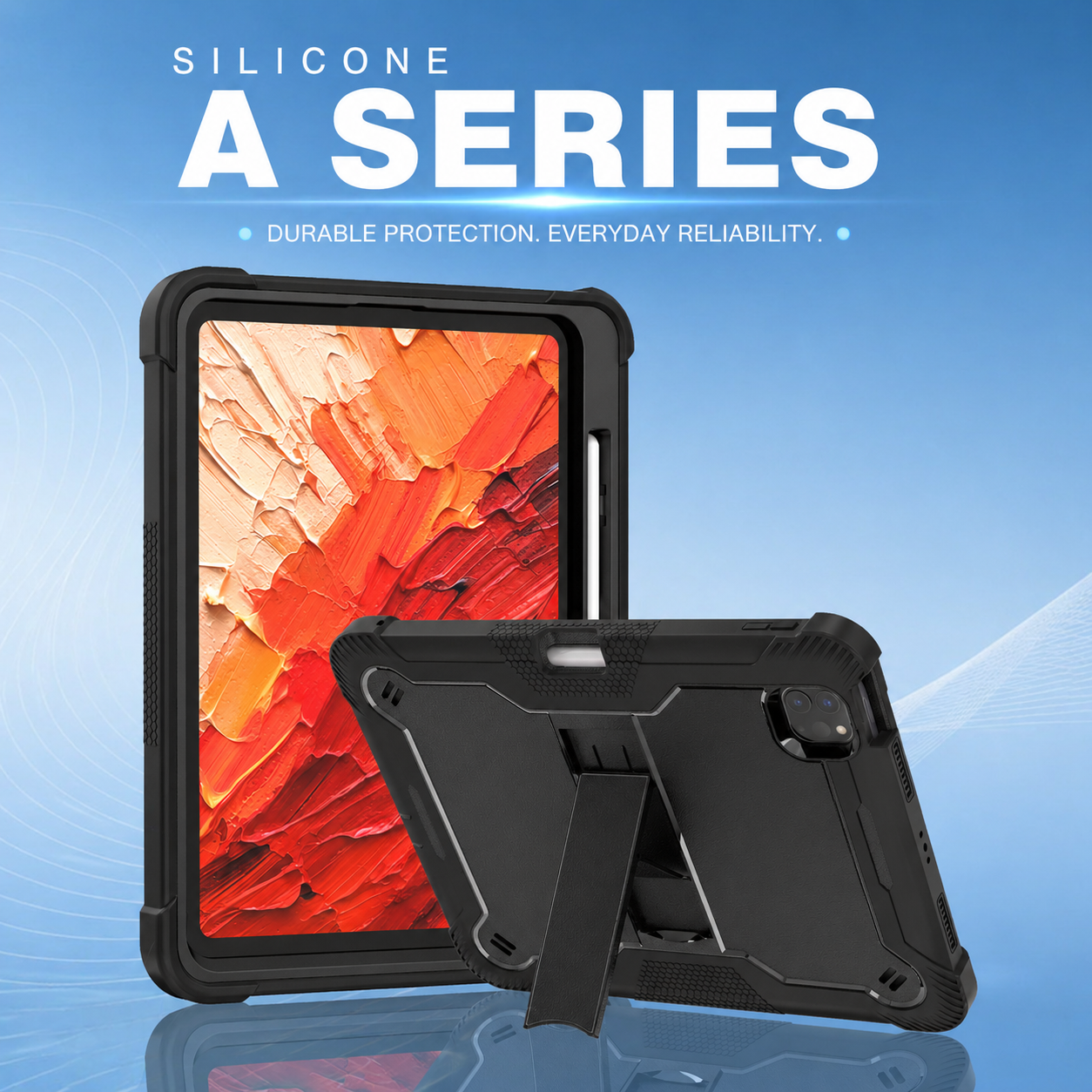
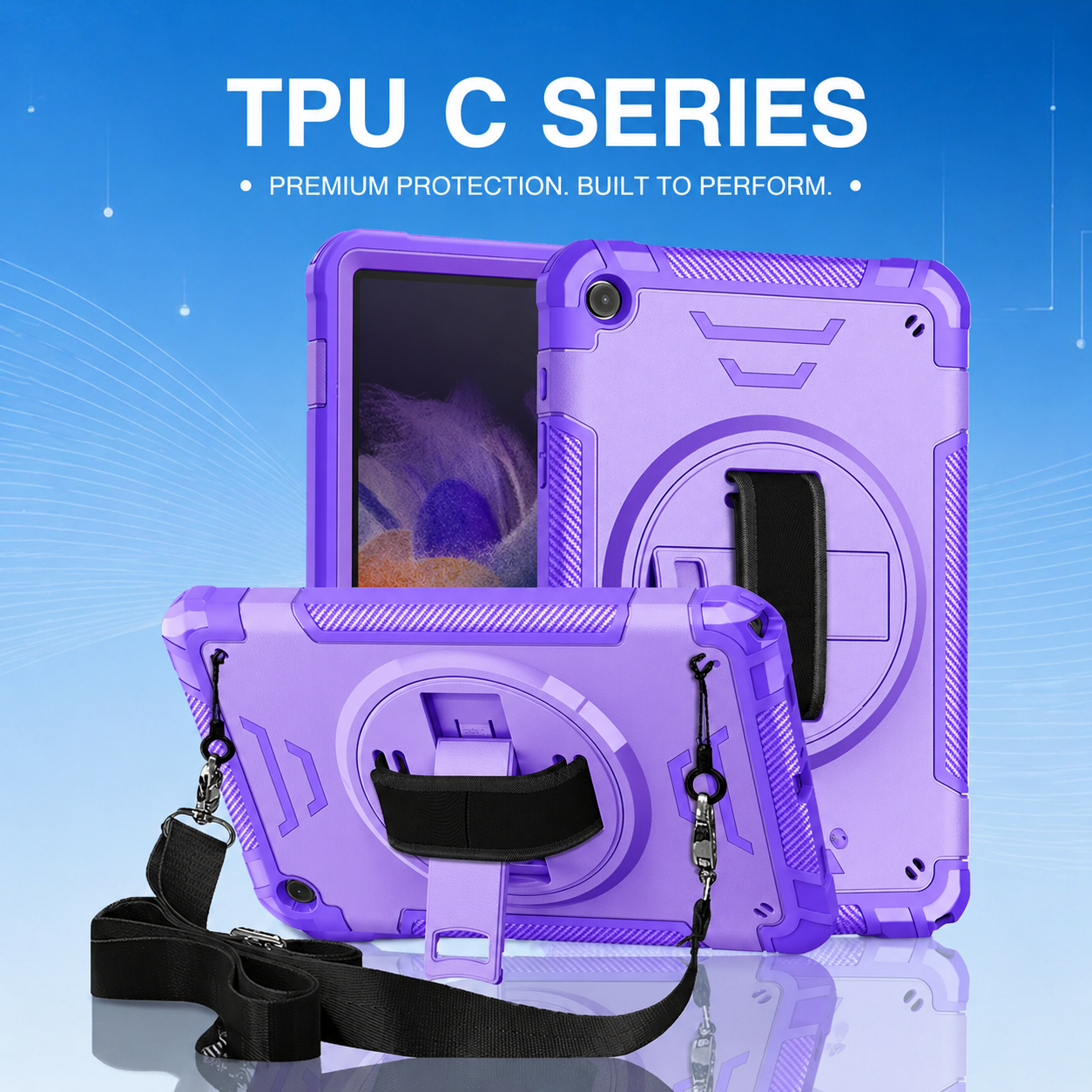
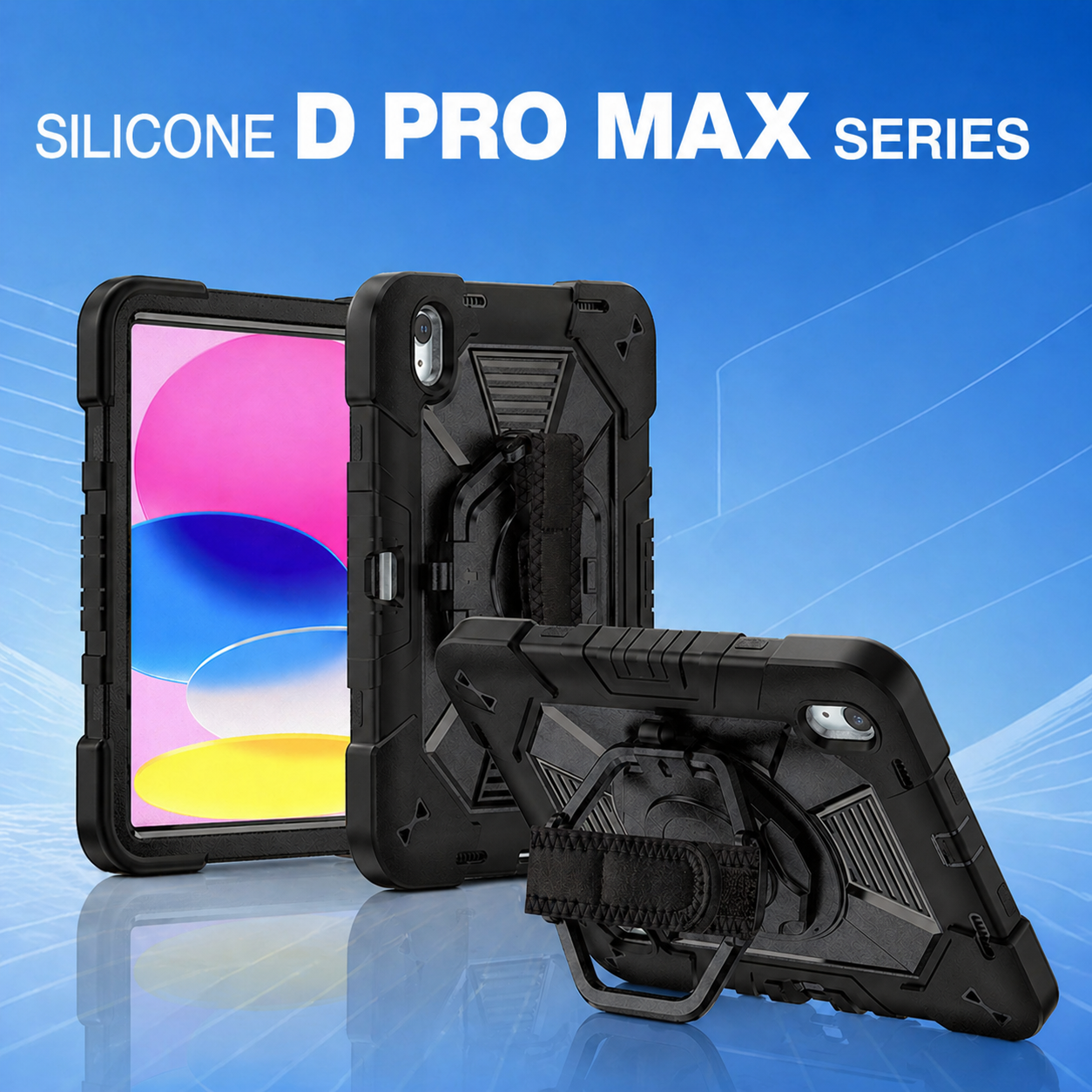
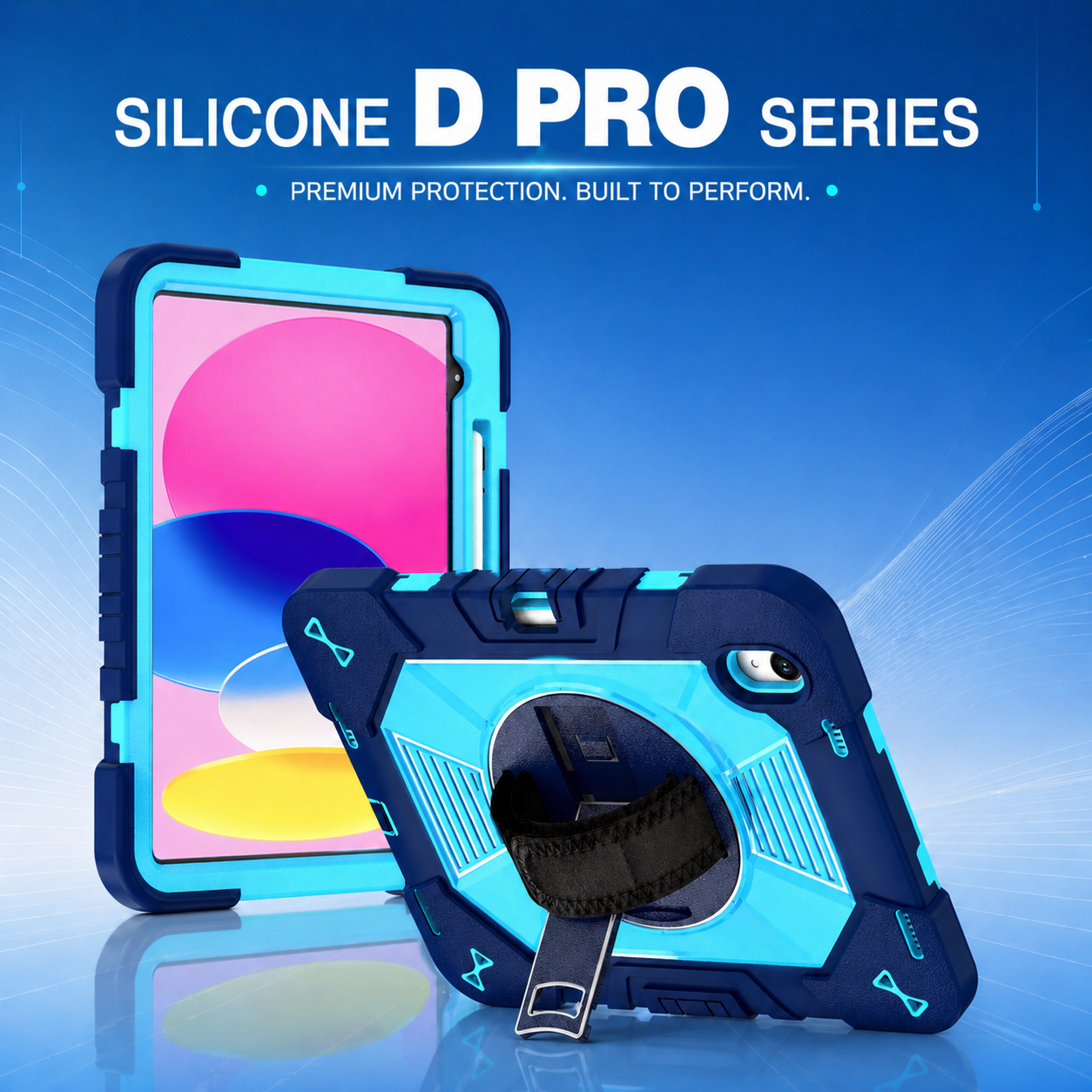
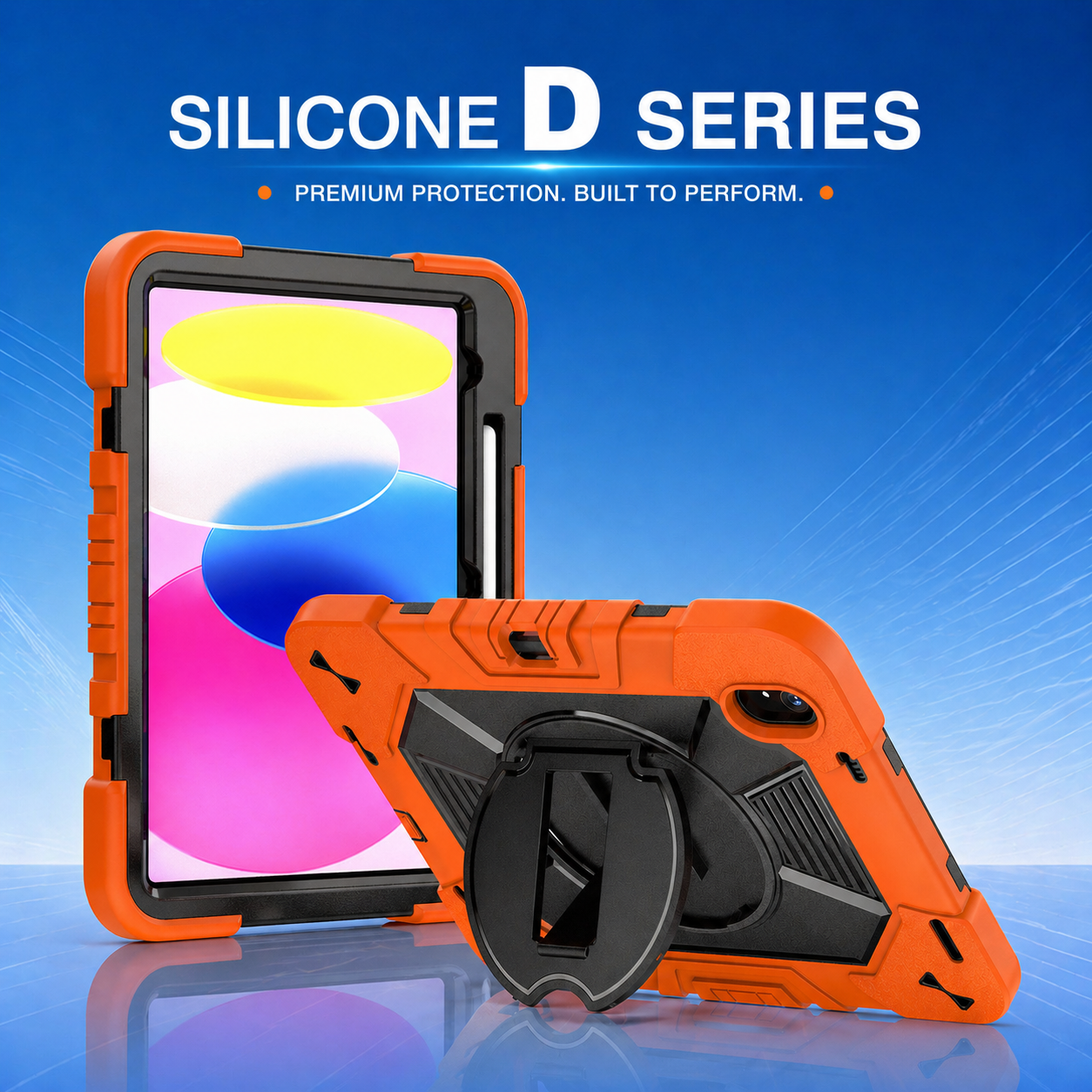
A 3 layers heavy duty rugged tablet case typically combines a rigid inner or middle frame with shock-absorbing outer material and front-edge protection. Each layer performs a different function: maintaining structure, distributing impact, cushioning the device, and protecting vulnerable corners or screen edges.
This design is valuable in healthcare because drops can happen from carts, counters, bedsides, vehicles, and standing height. Reinforced corners and raised bezels help reduce the chance that a single accident will remove an expensive device from service.
3. Downtime has an operational cost
Tablets support electronic medical records, medication workflows, patient education, telehealth, inventory control, and internal communication. When a device is unavailable, the organization loses more than hardware capacity. A workflow designed around mobile access may temporarily become slower or more complicated.
Healthcare leaders can estimate downtime cost by considering the number of affected staff, the average time spent finding alternatives, the frequency of damage incidents, and the administrative effort required to restore service.
4. Standardization lowers support complexity
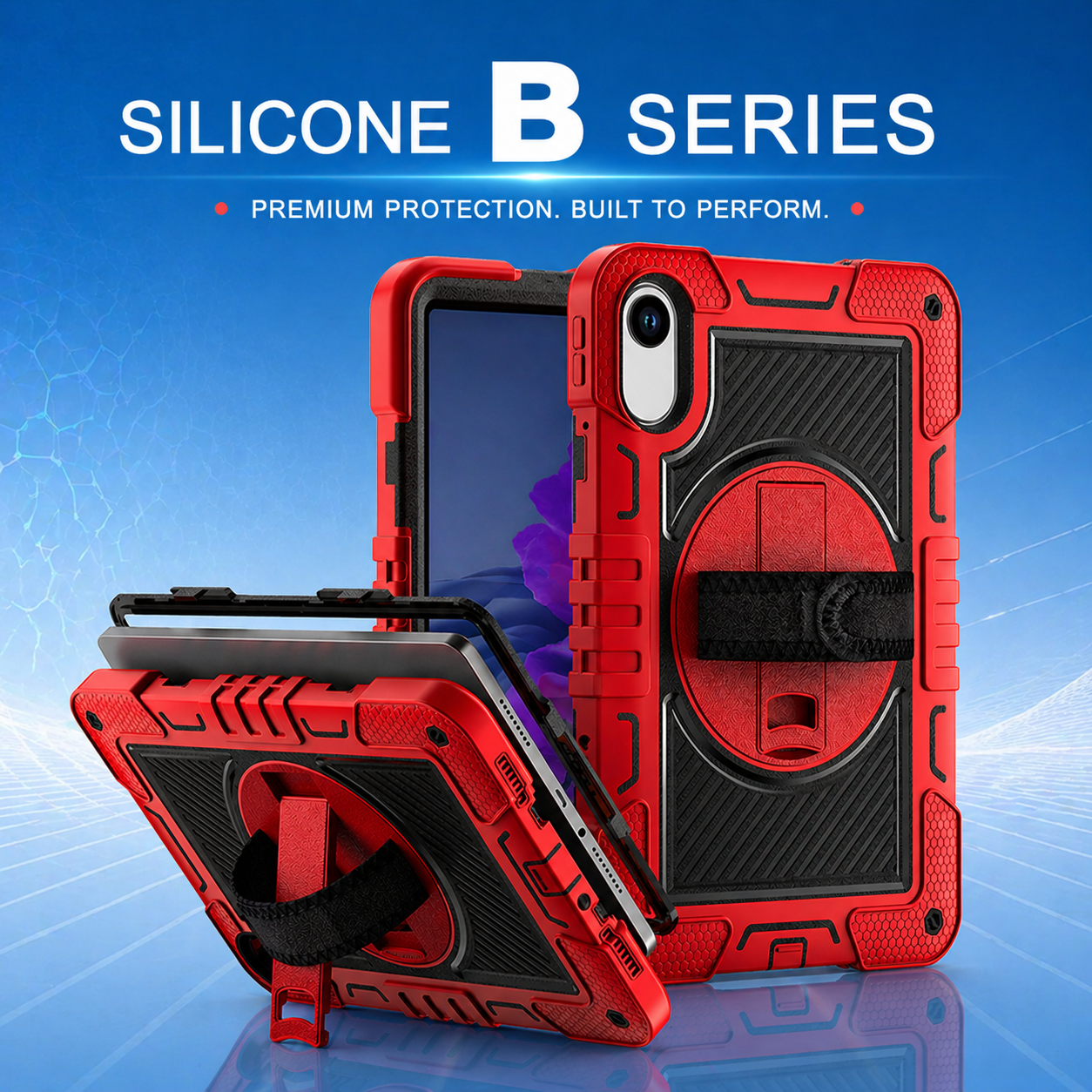
Using one approved case design for each tablet model simplifies purchasing, training, cleaning instructions, spare-part management, and troubleshooting. Staff become familiar with the same hand strap, kickstand, port cover, and installation method.
Standardization also helps organizations measure results. If one department uses protected tablets and another uses unprotected devices, repair rates and downtime can be compared. This creates a clearer business case for future deployments.
5. Ergonomic design protects productivity
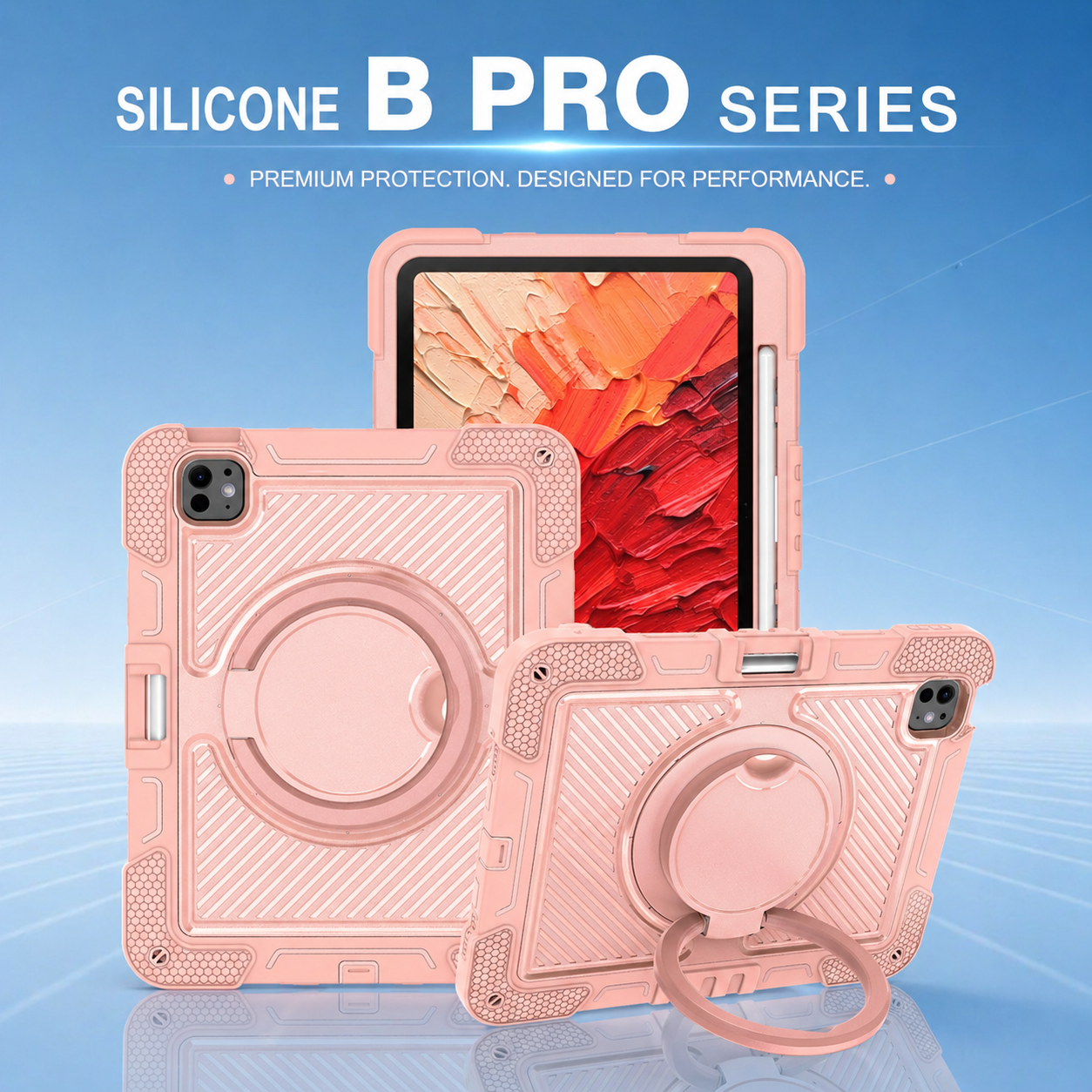
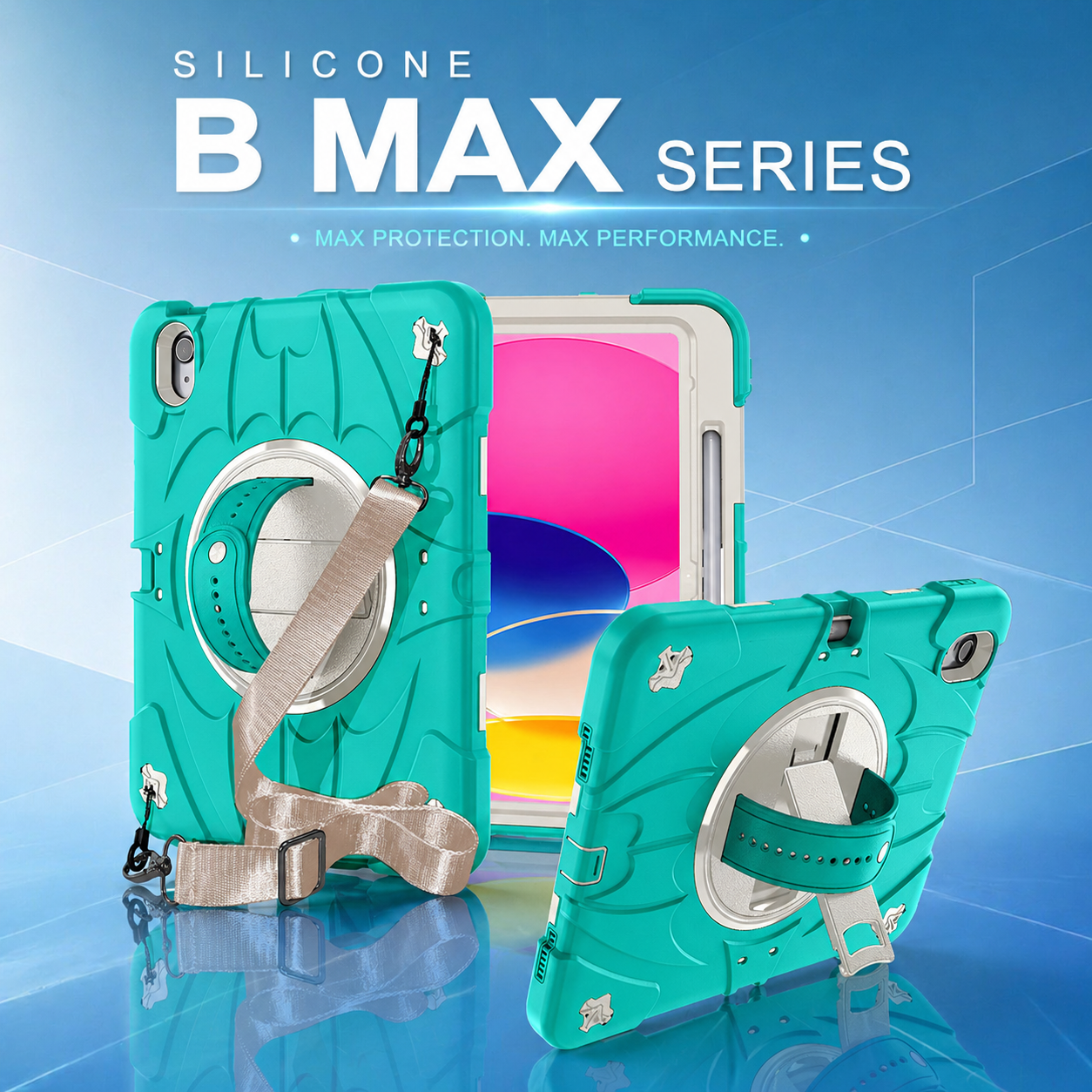
A case can reduce indirect costs by making the tablet easier to carry and position. Rotating hand straps, adjustable shoulder straps, stable kickstands, and textured grip areas support mobile work while reducing accidental drops.
However, excessive weight or bulk can reduce adoption. The optimal case provides enough protection for the expected risk while remaining comfortable for long shifts. Pilot testing with real users helps identify the correct balance.
6. Cleaning durability affects replacement cycles
Healthcare cases are cleaned more frequently than typical consumer accessories. Repeated exposure to approved disinfectants can cause low-quality materials to crack, discolor, soften, or lose shape. A case that must be replaced often may erase the savings of a low initial price.
Buyers should ask suppliers about material consistency, aging tests, surface durability, and cleaning compatibility. Smooth, tightly fitted surfaces can also reduce the time required for routine wiping.
7. Accessory compatibility prevents hidden expenses
A case that blocks a charging cart, cable, scanner, stylus, camera, or wall mount may force an organization to purchase new accessories or modify workflows. Compatibility testing should therefore occur before a large order.
The evaluation should include installation, charging, docking, camera use, audio, button operation, screen response, barcode scanning, and any medical cart or mounting system. Correct fit prevents expensive surprises after deployment.
8. Supplier quality determines long-term value
A reliable #TabletCaseManufacturer should provide consistent materials, precise fit, documented inspections, stable production capacity, and responsive support. Inconsistent case dimensions can create loose corners, blocked ports, difficult buttons, or weak stand mechanisms across a production batch.
Healthcare buyers should approve a reference sample, define measurable quality criteria, and agree on inspection procedures before mass production. They should also understand replacement-part availability and repeat-order lead times.
9. Customization can improve fleet efficiency
Custom colors can identify departments or device ownership. Private-label packaging can simplify distribution. Integrated pencil holders, shoulder straps, hand straps, or specialized stands can eliminate separate accessory purchases. A purpose-built design may cost more initially but reduce operational complexity over the life of the program.
Customization is most valuable when it solves a documented workflow problem rather than adding decoration. Each feature should support protection, usability, identification, cleaning, or deployment.
10. Calculate protection as a lifecycle investment
A simple total-cost model can compare case purchase cost with expected reductions in screen repairs, complete device replacements, staff downtime, IT handling, shipping, and emergency procurement. The model should cover the planned tablet lifecycle rather than only the first year.
Organizations can also track damage incidents after deployment. Useful measures include repair rate per 100 devices, average days out of service, replacement-case rate, support tickets, and user satisfaction.
11. The lowest price may not produce the lowest cost
A thin case may be inexpensive but offer limited corner protection, unstable stand performance, or poor material durability. A well-engineered rugged case costs more upfront because it uses multiple materials, precise tooling, stronger components, and additional quality control.
For healthcare tablet fleets, the better purchasing question is not “Which case costs least?” but “Which solution keeps devices working at the lowest lifecycle cost?” By protecting hardware, simplifying support, and maintaining clinical mobility, rugged cases can deliver measurable operational value throughout the tablet’s service life.






.png)
+86 13422271740
.png)
info@tongmeitech.com
.png)
No. 34, Mashe Section, Guihe Road, Lishui Town, Foshan, Guangdong, China