- 1
- BLACKL
- TABLETAPPLE iPad Mini 8NEW iPad A16(2025) iPad 10.9" 10th (2022) iPad 10.2" (7th/8th/9th) iPad Air 13" (M2/M3/M4)(2024/2025/2026)NEW iPad Air 11" (M2/M3/M4)(2024/2025/2026)NEW iPad Mini 8.3" (A7 Pro/6th Gen) iPad Pro13"(M4/M5)(2024/2025) iPad Pro11"(M4/M5)(2026) iPad 9.7" (5th/6th Gen) iPad Pro 12.9"(2018-2022) iPad Pro 11"(2018-2022) iPad 9.7"(2th/3th/4th) iPad Air 10.9"(4th/5th Gen) iPad Mini 7.9"(4th/5th Gen)SAMSUNG Galaxy Tab A11 Galaxy Tab A11 Plus Galaxy Tab S11 Galaxy Tab S12 PlusNEW Galaxy Tab S12 UltraNEW Galaxy Tab A9+ Galaxy Tab A9 Galaxy Tab A8 Galaxy Tab A7 Galaxy Tab A7 Lite Galaxy Tab S11 Ultra/S10 Ultra/S9 Ultra/S8 Ultra Galaxy Tab S10+/S9+/S9 FE+ Galaxy Tab S10Lite/S10 FE/S9 FE/S9 Galaxy Tab S8+/S7+/S7 FE Galaxy Tab S8/S7 Galaxy Tab S6 lite Galaxy Tab A10.1 Galaxy Tab A8.4 Galaxy Tab A8.0 Galaxy Tab S10 FE+LENOVO iDea tab 11/Tab K11 Gen 2 /Xiaoxin Pad 11 2025 Lenovo Tab K9 (Tab One) 2025 Lenovo Tab M10 10.1"(2025) Lenovo Tab M10 Plus 10.6" (3rd Gen) Lenovo Tab M10 HD 10.1" (3rd Gen) Lenovo K10/M10 Plus 10.3" (2nd Gen) Lenovo Tab M10 HD 10.1" (2nd Gen)XIAOMI Redmi Pad 2 9.7 InchNEW Xiaomi Pad8/8Pro 11.2" Redmi Pad2/Pad2.4G Xiaomi Pad 6/6 Pro 11" Redmi Pad 10.61" Redmi Pad Se 11" Redmi pad Se 4G 8.7" Xiaomi Pad7/7 Pro 11.2" Redmi Pad Pro/Xiaomi Poco Pad/Redmi Pad2 Pro 12.1HUAWEI Huawei Matepad Se 10.4" Huawei Matepad 11" Huawei Matepad 11.5" Huawei Matepad SE 11" Huawei Matepad T8 8" Huawei Matepad T10 9.7"
- CATEGORIES
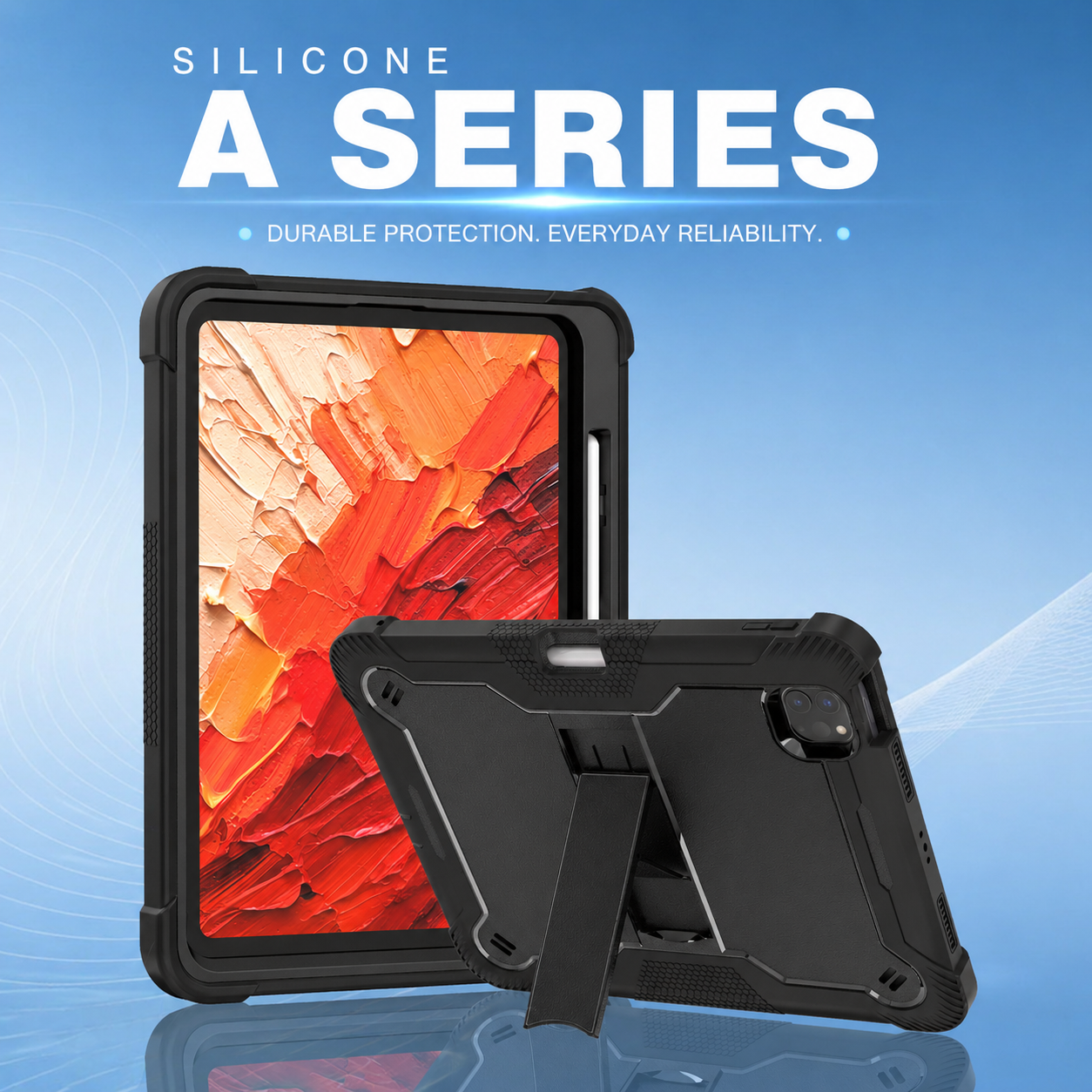
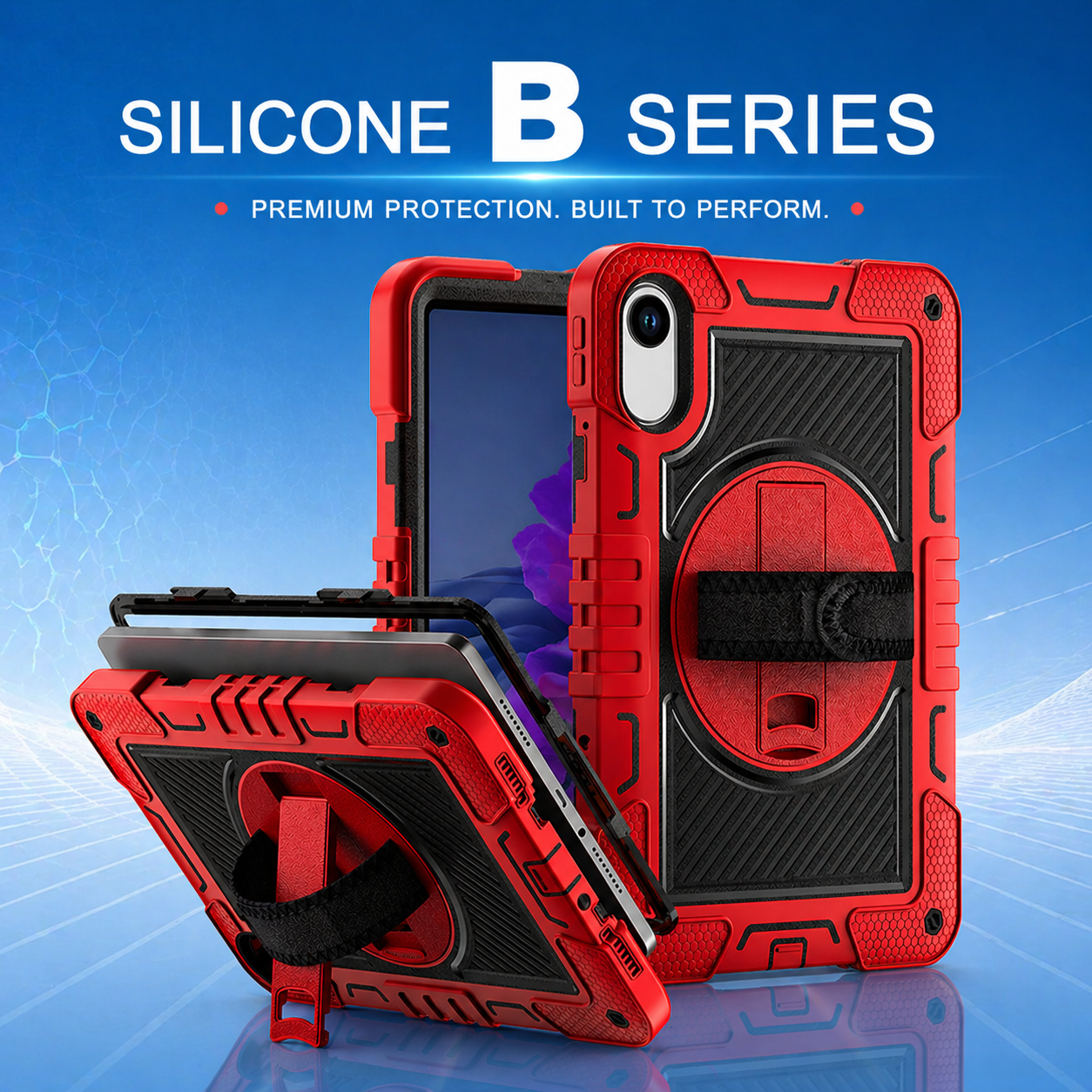
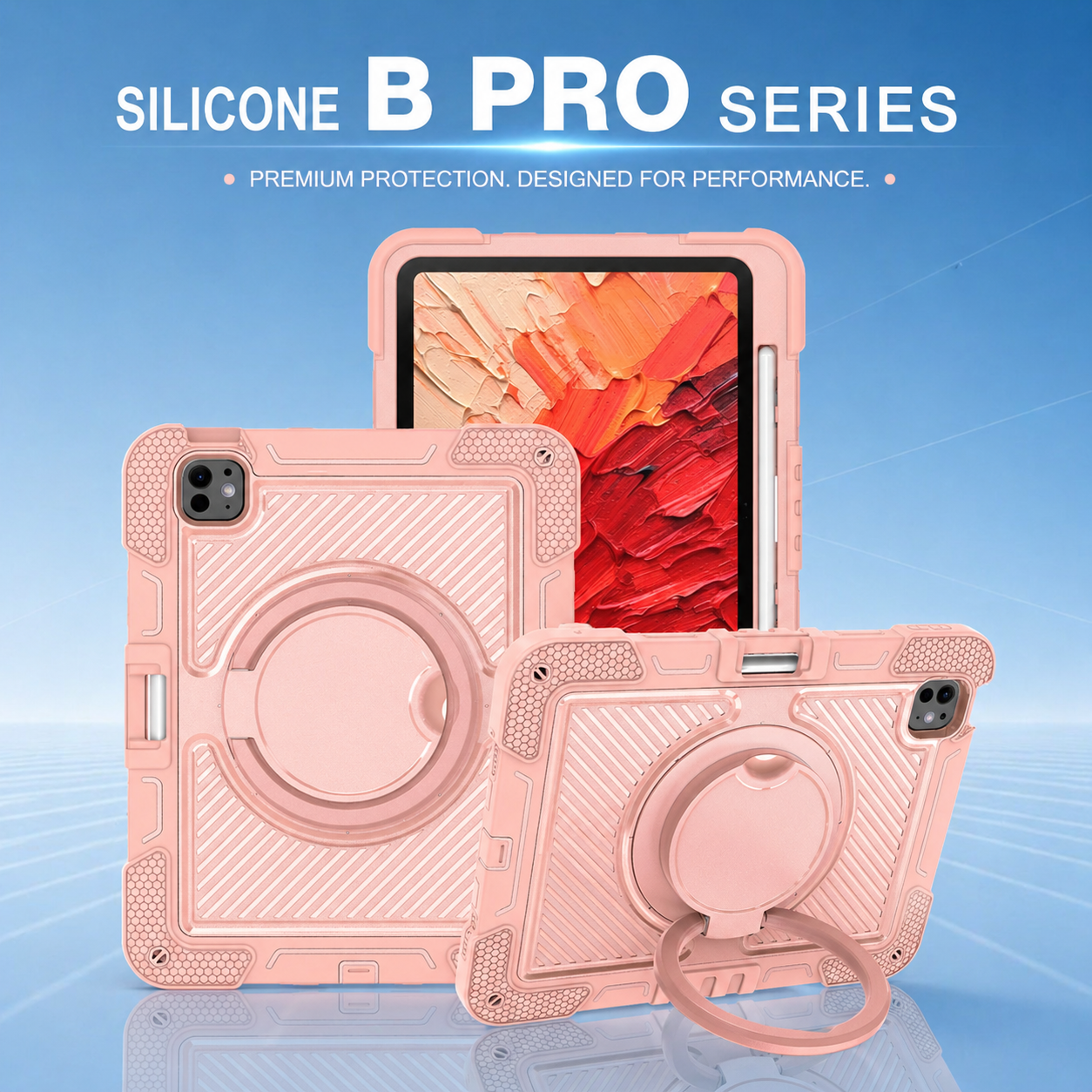
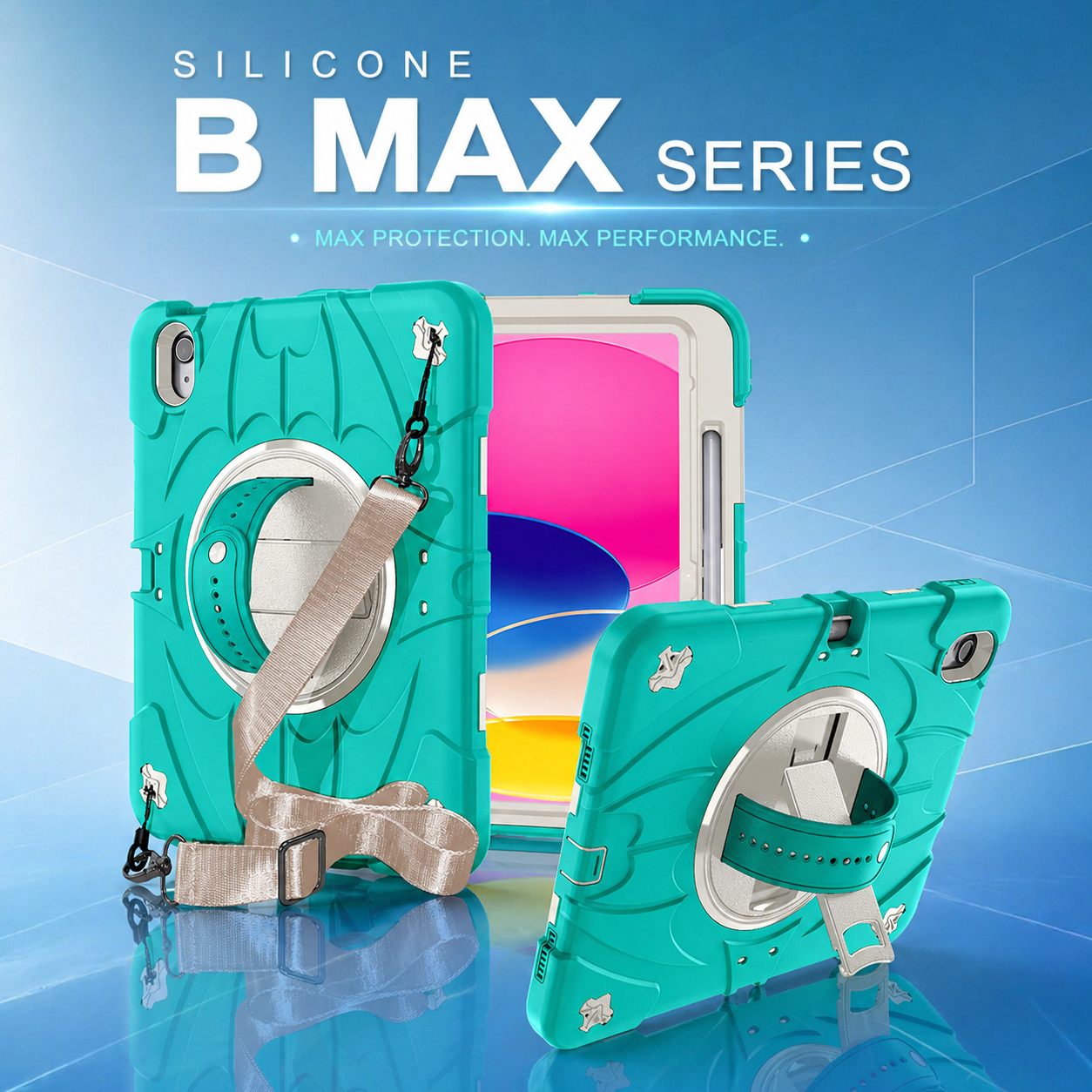

360-Degree Rotating Tablet Case vs Standard Tablet Case: 2026 Full Comparison
In 2026, the global tablet protective cover market is projected to hit $12.8 billion, driven by rising demand from industrial, educational, and commercial sectors. For B2B buyers, e-commerce sellers, and startup founders, choosing between a 360-degree rotating tablet case vs standard tablet case is a critical decision that impacts user satisfaction and product profitability.
This guide breaks down key differences, use cases, and buying tips to help you make data-driven choices for your inventory or business needs.
1. Core Differences Between Rotating and Standard Tablet Cases
Understanding structural and functional gaps is the first step in product selection. This section covers design basics and key mechanical features.
1.1 What Is the Difference Between Rotating Tablet Case and Standard Case?
The core difference lies in orientation flexibility and stand design.
Standard cases: Typically feature fixed-angle stands or no stand at all, focusing on basic scratch and drop protection.
Rotating cases: Built with a swivel mechanism that allows 360-degree rotation between portrait and landscape modes.
For B2B buyers, this difference directly affects user productivity in field work, classrooms, and retail settings. 2026 industry data shows 62% of enterprise buyers prioritize adjustable viewing angles for frontline teams.
1.2 Key Structural Components of Rotating Cases
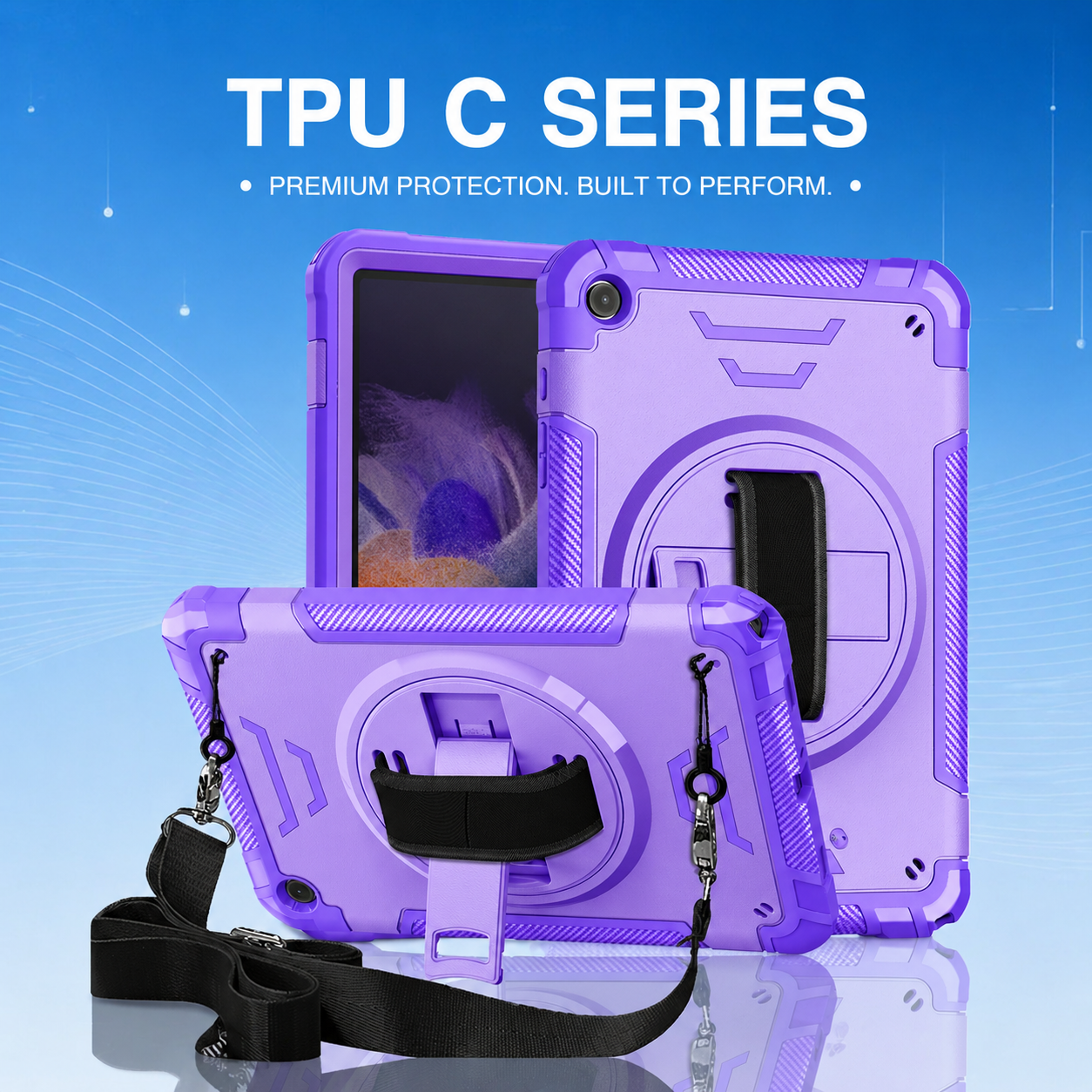
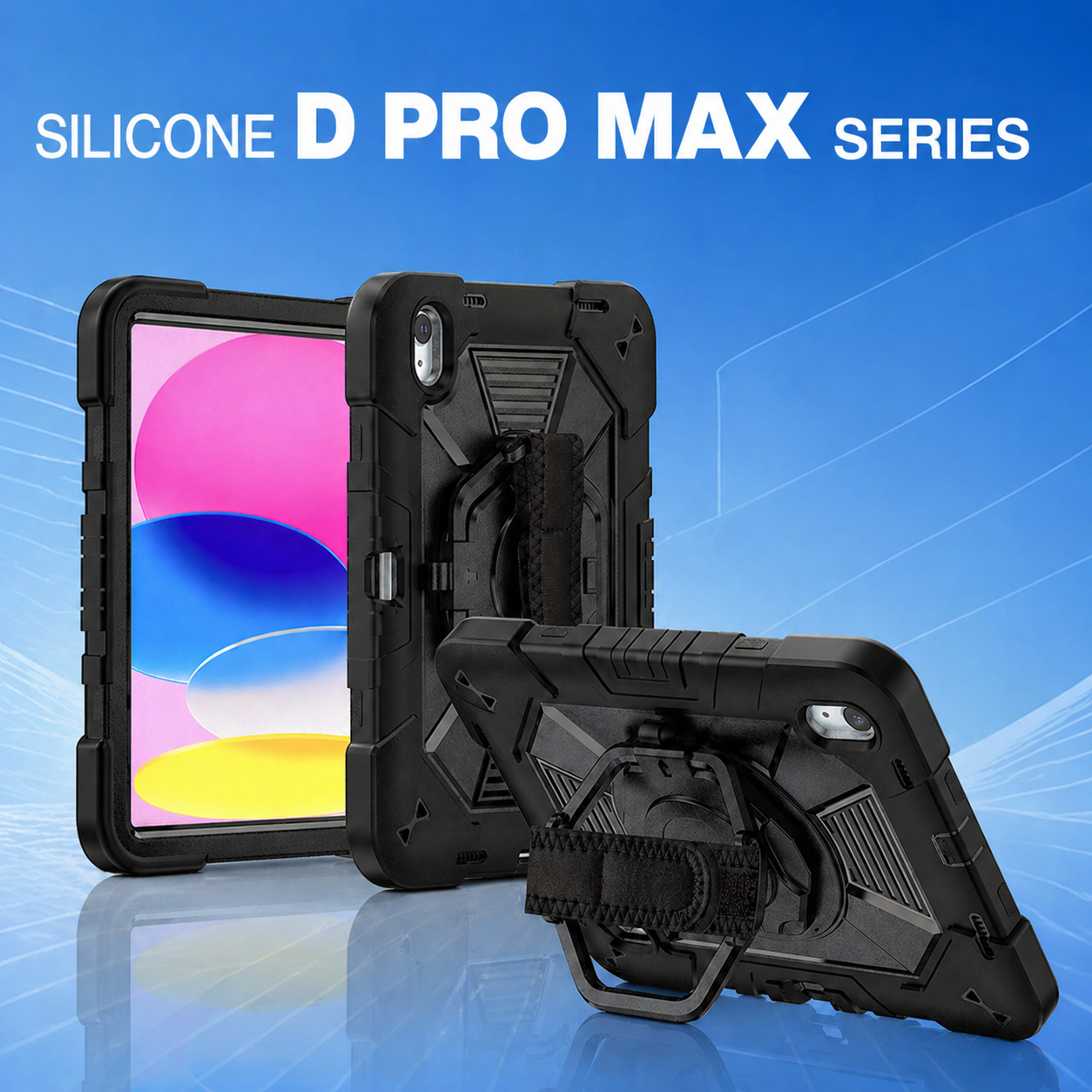
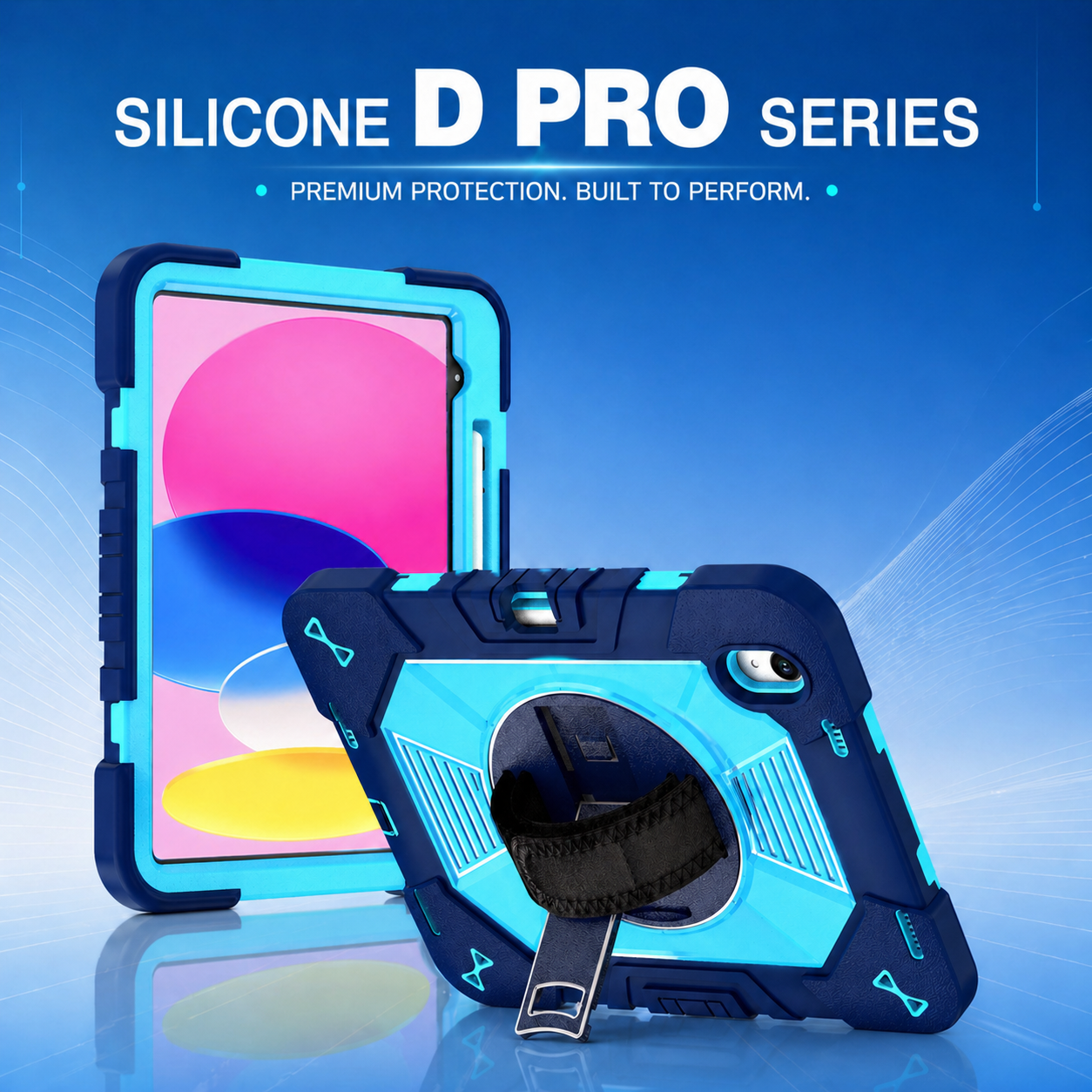
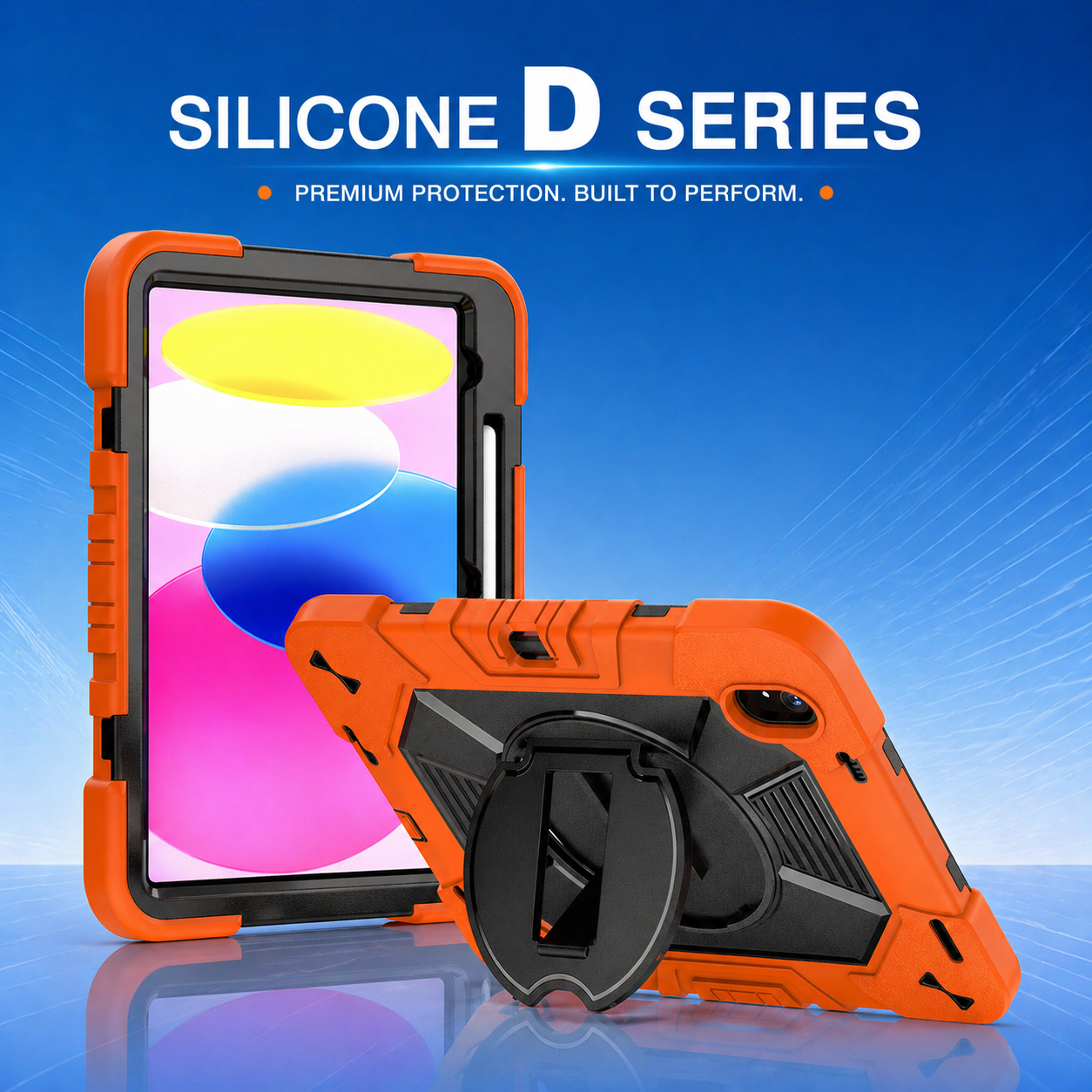
Foldable 360-degree swivel kickstand tablet cases rely on precision engineering for durability.
360-degree rotating disc mechanism: Supports smooth rotation between portrait and landscape orientation switch.
Foldable stable kickstand bracket: Provides multi-angle viewing support for typing, watching, or presenting.
Reinforced corner cushion structure: Absorbs impact during drops and bumps.
Additional features like precise cut-outs for ports and buttons and dust-resistant port coverage ensure full functionality in harsh environments.
360-degree rotating tablet case vs standard tablet case structural comparison
2. Functional Comparison: Stand, Grip, and Portability
Functionality is a top priority for end-users. This section compares stand design and carrying features across case types.
2.1 Foldable Rotating Stand Tablet Case vs Fixed Stand Tablet Cover
Stand versatility is a key differentiator in rotating kickstand tablet case comparison.
Fixed stand standard cases: Offer 1-2 viewing angles, suitable for basic media consumption.
Rotating stand cases: Deliver 10+ adjustable angles, supporting typing, drawing, and video calls.
Multi-angle viewing tablet case compare standard tablet shell data from 2026 shows rotating cases reduce neck strain by 47% for users who use tablets for 4+ hours daily. This makes them ideal for school teachers and students.
2.2 Adjustable Hand Strap Tablet Case vs Regular Tablet Shell
Grip and portability features cater to on-the-go users.
Regular tablet shells: Rely on manual holding, increasing drop risk for field workers.
Strap-equipped rotating cases: Feature adjustable hand strap assembly and widened detachable shoulder strap for hands-free carrying.
Tablet case with shoulder strap vs basic tablet cover for business surveys indicate 78% of traveling field workers prefer strap-equipped cases for improved safety and convenience. Retail front-line staff also benefit from anti-slip surface texture that reduces accidental drops.
Adjustable hand strap tablet case for warehouse staff use
3. Durability and Protection Performance
Protection is non-negotiable for industrial and educational use cases. This section evaluates build quality and resistance features.
3.1 Pros and Cons of 360-Degree Rotating Tablet Protective Cover
Is 360 rotating kickstand tablet case worth buying? Let’s break down the tradeoffs.
Pros:
Versatile viewing angles for multiple use scenarios
Built-in straps reduce drop risk by 60%
Rotation mechanism supports both portrait and landscape work
Cons:
Slightly heavier than basic cases (10-15% weight increase)
Rotating hinge requires regular maintenance for long-term use
Higher upfront cost than standard options
For e-commerce sellers, highlighting these pros and cons helps reduce return rates and improve customer satisfaction.
3.2 Three-Layer Rugged Tablet Case Versus Ordinary Tablet Protective Case
Heavy-duty tablet case comparison reveals significant gaps in protection levels.
Ordinary cases: Usually made of single-layer plastic or silicone, offering basic scratch protection.
Rugged rotating cases: Feature three-layer composite construction with silicone outer shock-absorbing layer and PC hard inner shell frame.
Silicone pc hybrid tablet case vs simple plastic tablet case drop tests show rugged cases survive 6-foot drops, while standard cases crack at 3 feet. Three-in-one rugged tablet cases also include anti-slip anti-drop dust-proof tablet enclosure features, making them suitable for construction site workers.
4. Use Case Scenarios for Different Industries
Matching case types to industry needs ensures maximum value. This section covers field/industrial and education/business use cases.
4.1 Which Tablet Case Is Better for Field Work: Rotating or Standard?
For field technicians, logistics operators, and warehouse staff, rotating cases are the clear winner.
Key benefits for industrial users:
Hands-free carrying with shoulder straps during inventory checks
Rotatable kickstand for quick data entry in both orientations
Impact-resistant shell protects against drops on concrete floors
Which tablet protective case fits warehouse and classroom usage? 2026 enterprise procurement data shows 83% of warehouse operators choose foldable rotating stand tablet case models for their teams. Outdoor field operators also prefer rugged rotating cases for dust and water resistance.
4.2 Best Case Types for Education and Business Users
Education end-users and business teams have unique needs for collaboration and portability.
For classroom end-users (students and teachers):
Rotating cases support both note-taking (portrait) and video viewing (landscape)
Adjustable hand grip prevents drops during group activities
For business users:
Standard slim cases work for office-based staff with minimal travel
Rotating cases with fold-out bracket are ideal for client presentations and remote meetings
Startup founders sourcing for team tablets can balance cost and functionality by mixing case types based on job roles.
360-degree rotating tablet case for classroom use
5. 2026 Tablet Protective Cover Buying Guide
Making the right purchase decision requires evaluating multiple factors. This section provides actionable tips for B2B and e-commerce buyers.
5.1 Key Factors to Consider When Sourcing Tablet Cases
Use this checklist to evaluate product options:
Protection level: Match to use environment (e.g., three-layer construction for industrial sites)
Functionality: Prioritize rotation, straps, and stand features based on user needs
Compatibility: Ensure precise cut-outs for ports and buttons fit target tablet models
Durability: Look for reinforced corner cushion structure and dust-resistant port coverage
Cost-effectiveness: Balance upfront cost with expected lifespan
For e-commerce sellers, offering a range of options from basic standard cases to premium rugged rotating ones helps capture more market segments.
5.2 Should I Choose Rotating Kickstand or Simple Stand Tablet Case?
The answer depends on your target audience and use cases.
Choose a rotating kickstand case if:
Your customers are field workers, educators, or retail staff
Multi-angle viewing and hands-free use are top priorities
You’re targeting premium or industrial market segments
Choose a simple stand standard case if:
Your customers are casual home users or office workers
Cost is the primary deciding factor
You’re targeting the budget market segment
2026 market trends show demand for rotating cases is growing 18% year-over-year, outpacing standard case growth by 11%. For B2B buyers and startup founders, investing in rotating case inventory can drive higher margins and customer loyalty.







+86 13422271740

info@tongmeitech.com

No. 34, Mashe Section, Guihe Road, Lishui Town, Foshan, Guangdong, China